

A little more prepared for Sweden.
Explore Stockholm, Gothenburg, Malmö, Lund and Uppsala with outfits for real city walks, museums and waterfront stops. Swedish winter grip and insulation differ from summer layers; each city’s monthly suggestions explain the local outings behind the packing advice.
Explore SwedenExplore Sweden by city
Gothenburg
Winter days are short, with frost, snow or slippery wet surfaces possible. Summer brings long evenings, but waterfront wind still needs a layer. Monthly values are calculated from NASA POWER MERRA-2 gridded daily data for 1991–2020 at the city coordinates. They represent a regional model cell, not a city weather station. Street shade, coastal exposure, elevation and urban warmth can differ. Climate averages do not predict an individual trip.
Open city guide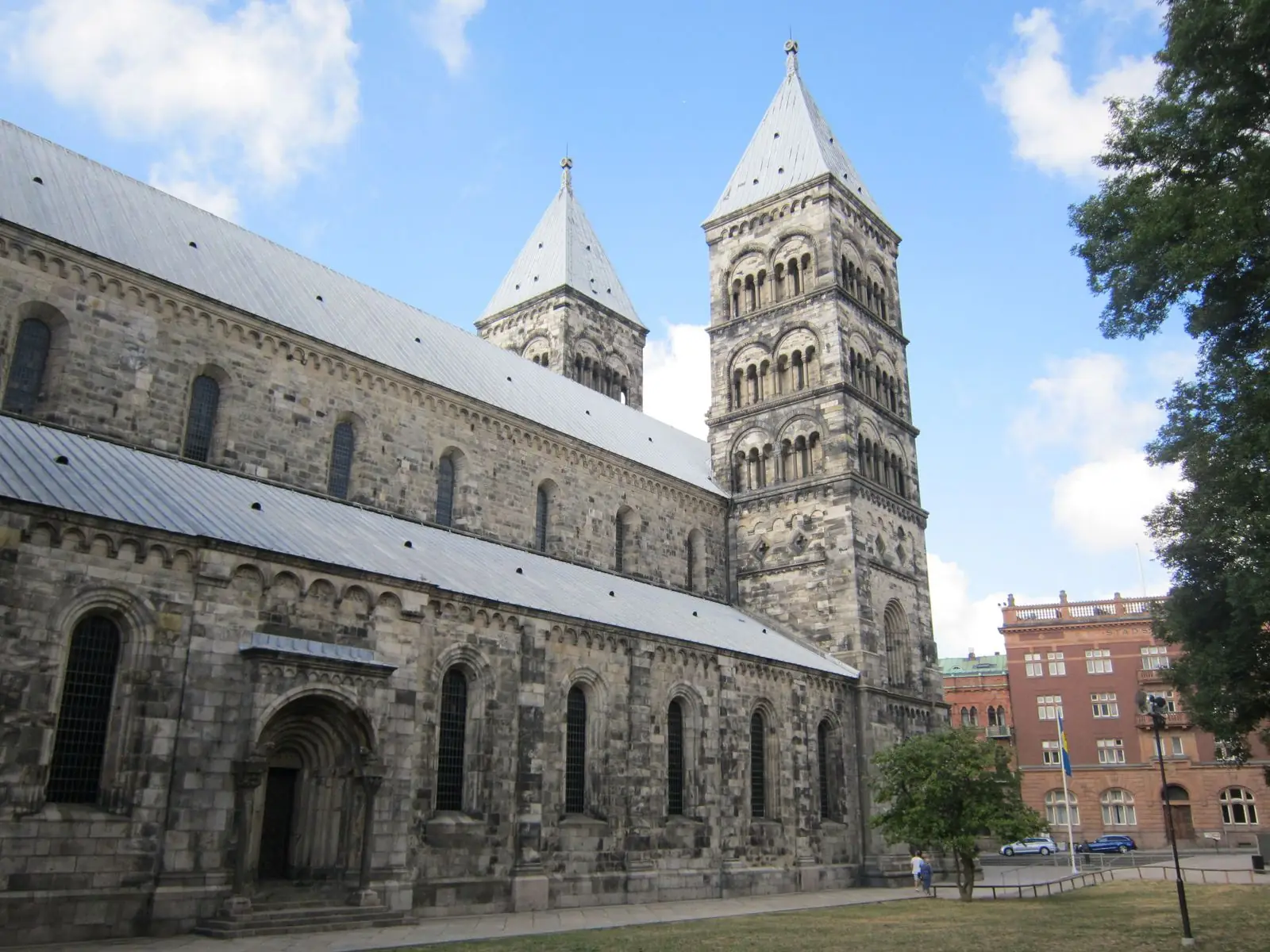
Lund
Winter days are short, with frost, snow or slippery wet surfaces possible. Summer brings long evenings, but waterfront wind still needs a layer. Monthly values are calculated from NASA POWER MERRA-2 gridded daily data for 1991–2020 at the city coordinates. They represent a regional model cell, not a city weather station. Street shade, coastal exposure, elevation and urban warmth can differ. Climate averages do not predict an individual trip.
Open city guide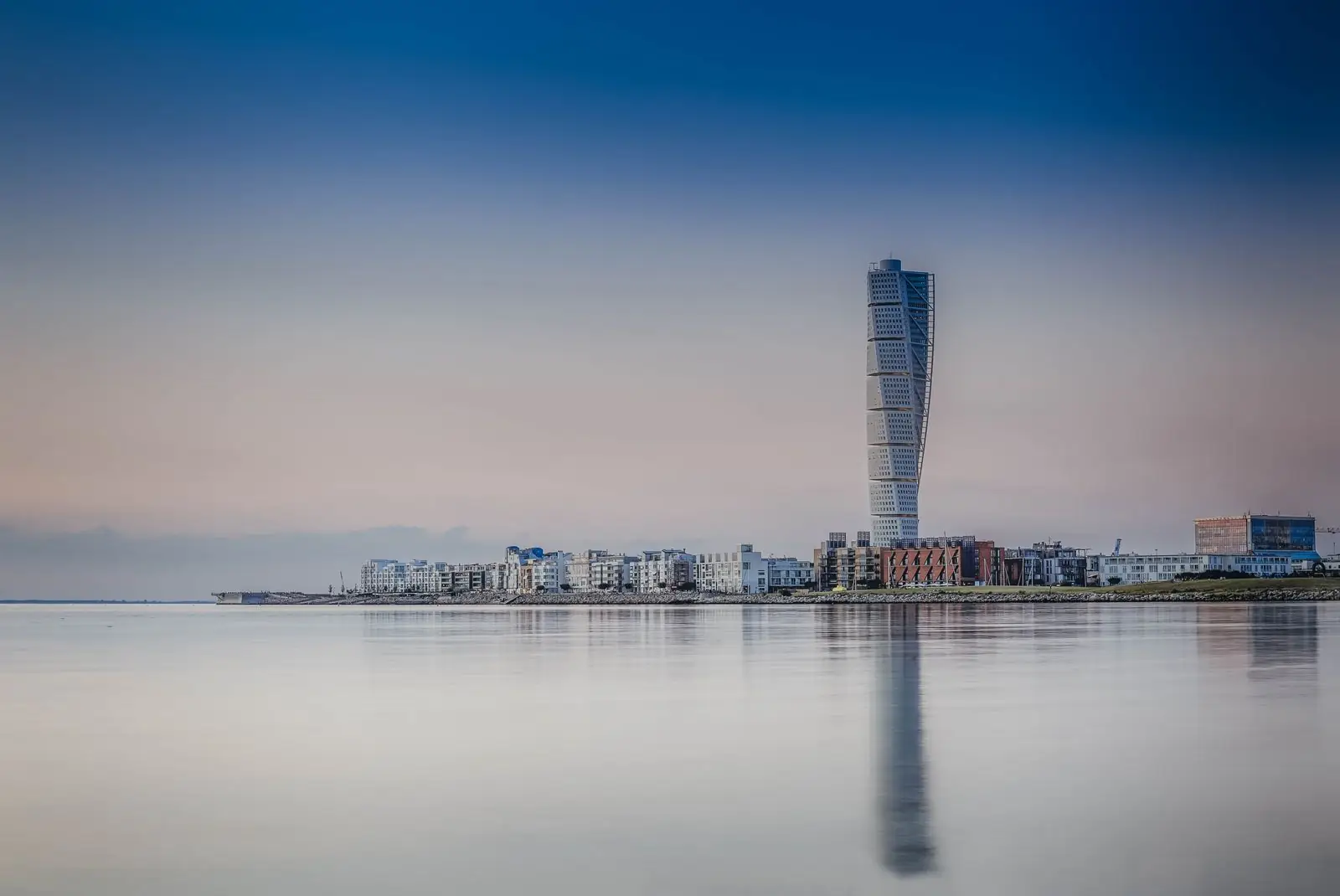
Malmö
Winter days are short, with frost, snow or slippery wet surfaces possible. Summer brings long evenings, but waterfront wind still needs a layer. Monthly values are calculated from NASA POWER MERRA-2 gridded daily data for 1991–2020 at the city coordinates. They represent a regional model cell, not a city weather station. Street shade, coastal exposure, elevation and urban warmth can differ. Climate averages do not predict an individual trip.
Open city guide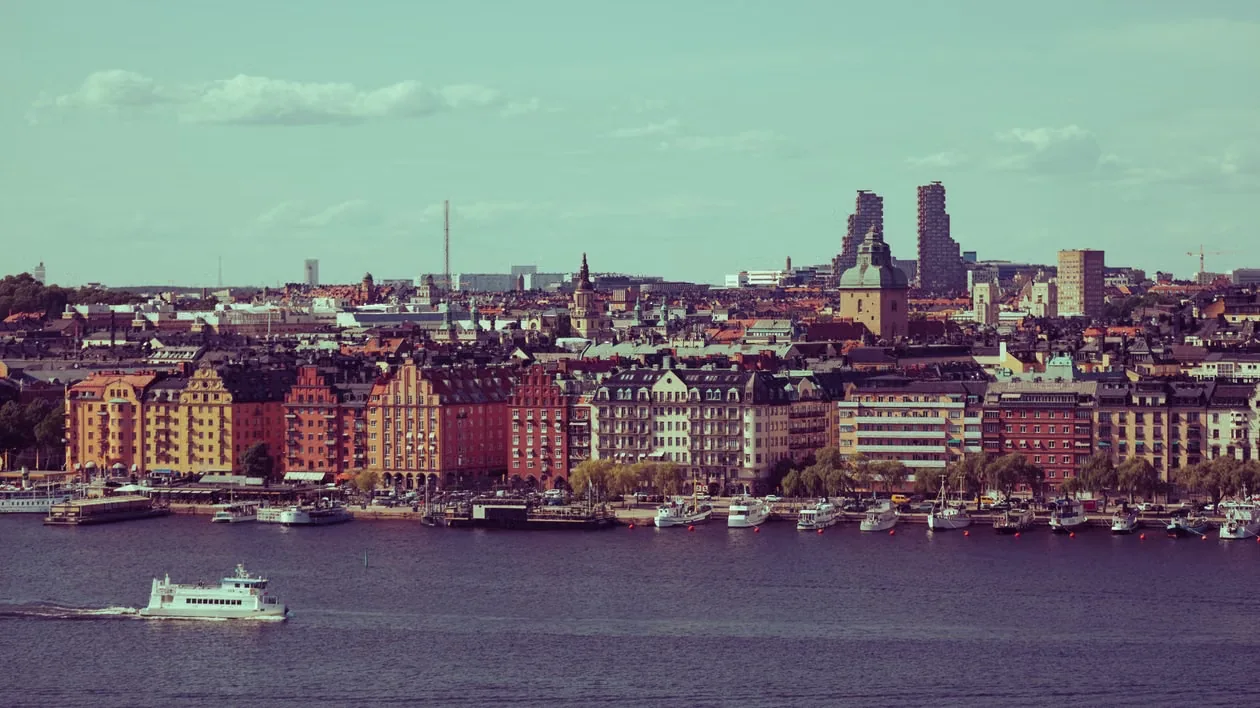
Stockholm
Winters are cold with short days and possible snow or ice. Summer has long daylight hours, but evenings near the water can still need a light layer.
Open city guide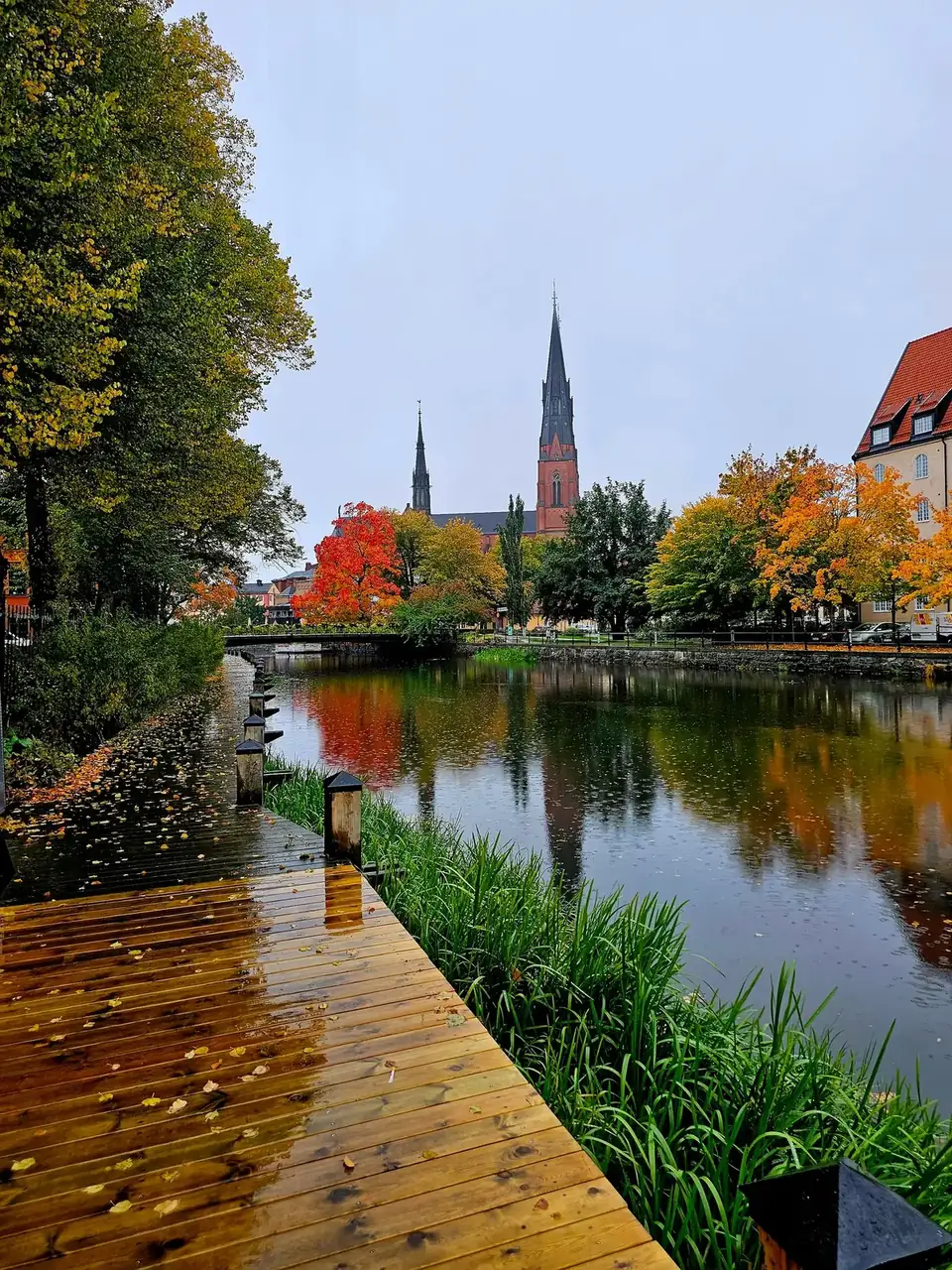
Uppsala
Winter days are short, with frost, snow or slippery wet surfaces possible. Summer brings long evenings, but waterfront wind still needs a layer. Monthly values are calculated from NASA POWER MERRA-2 gridded daily data for 1991–2020 at the city coordinates. They represent a regional model cell, not a city weather station. Street shade, coastal exposure, elevation and urban warmth can differ. Climate averages do not predict an individual trip.
Open city guideBefore you zip the bag
Layers that work together
- For winter trips, try your base layer, sweater and coat together before packing.
- Choose footwear for the actual forecast, including grip for slippery conditions.
Keep winter extras within reach
- Keep gloves and a hat where you can reach them without emptying your bag.
- Leave room to put a layer away when moving into warmer interiors.
- Currency
- Swedish krona (SEK)
- Plug types
- C / F · 230 VCheck your adapter →
- Emergency number
- 112
Plug types and voltage by country · Sweden visitor information
Stay connected
Mobile data for your trip. Check what your current plan includes for roaming. If you need another option for maps, messages and booking details, compare NXTL eSIM coverage and rates. Check that your phone supports eSIM and is unlocked, and check coverage for every stop. Download important maps and confirmations for offline use too.
Useful reads for Sweden
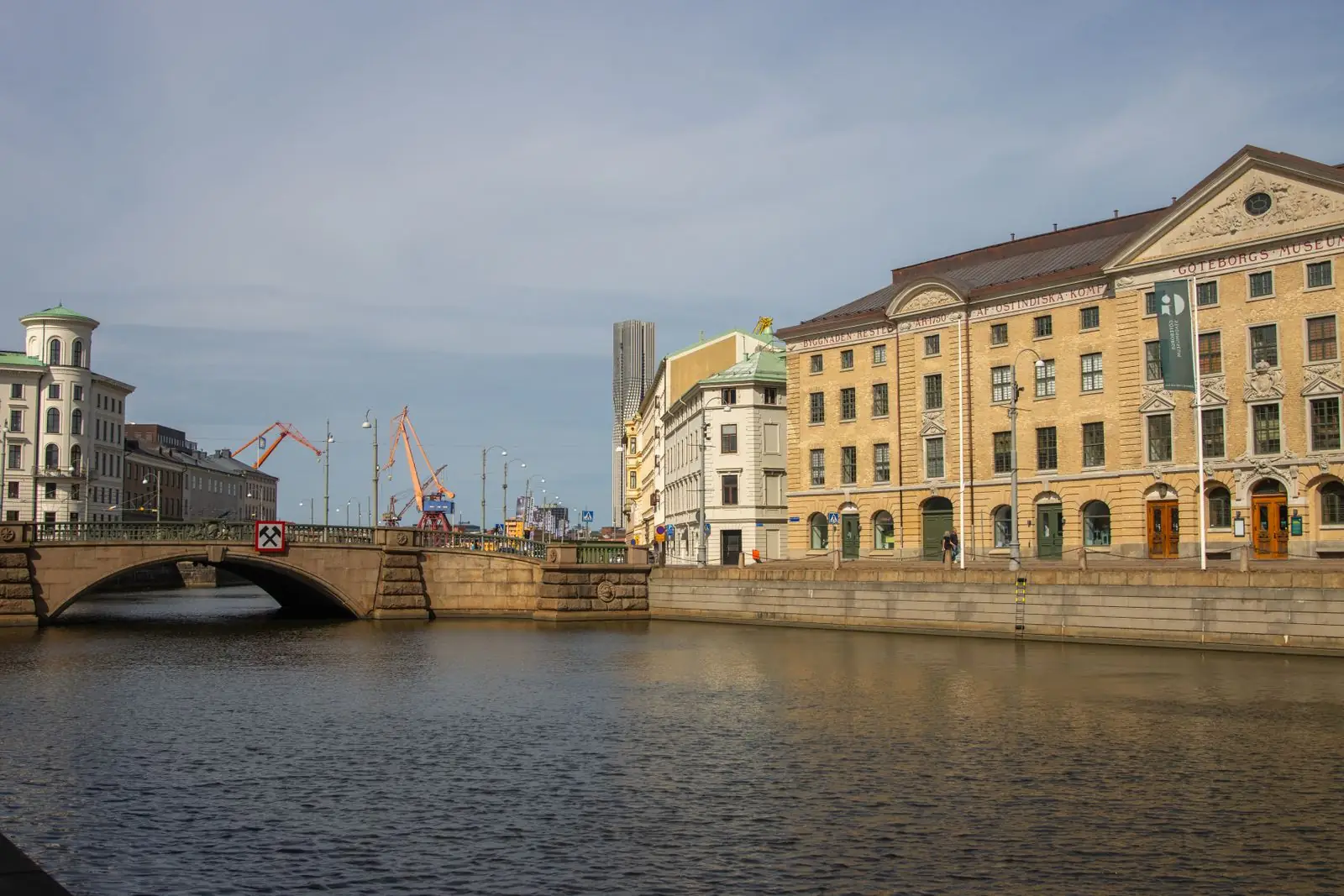
Gothenburg by the water: canals, seafood and the harbour
Give Gothenburg’s water a whole outing rather than using it only as scenery between museums. Start along the central canals, make a seafood stop at Feskekörka and choose whether to continue to the open harbour.
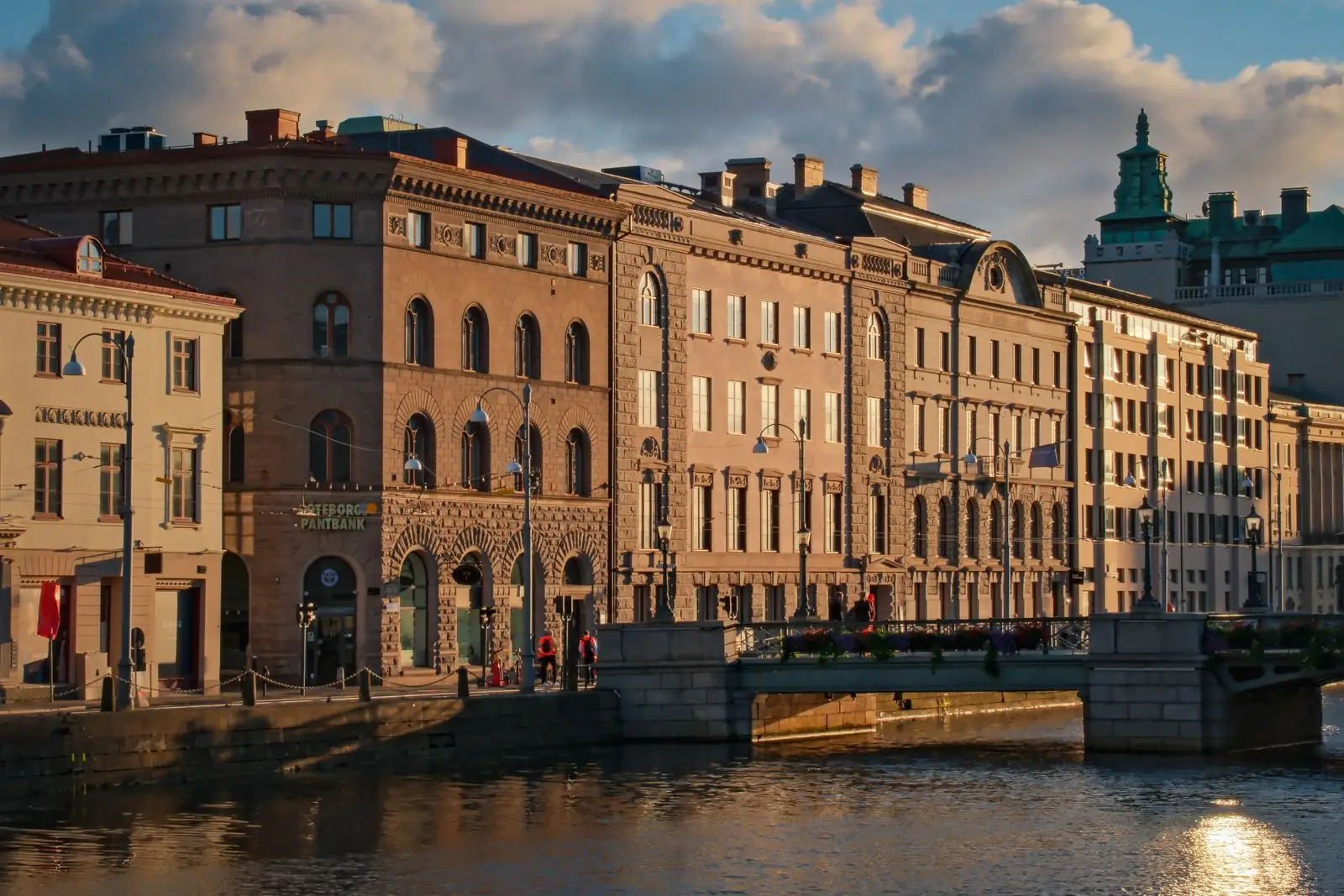
A first weekend in Gothenburg: canals, seafood and a Sunday art visit
Spend Saturday between the central canals and Haga, then give Sunday to Nordic art at Götaplatsen. A seafood lunch and a shared cinnamon bun have their own place in the plan, with the hill climb kept optional.
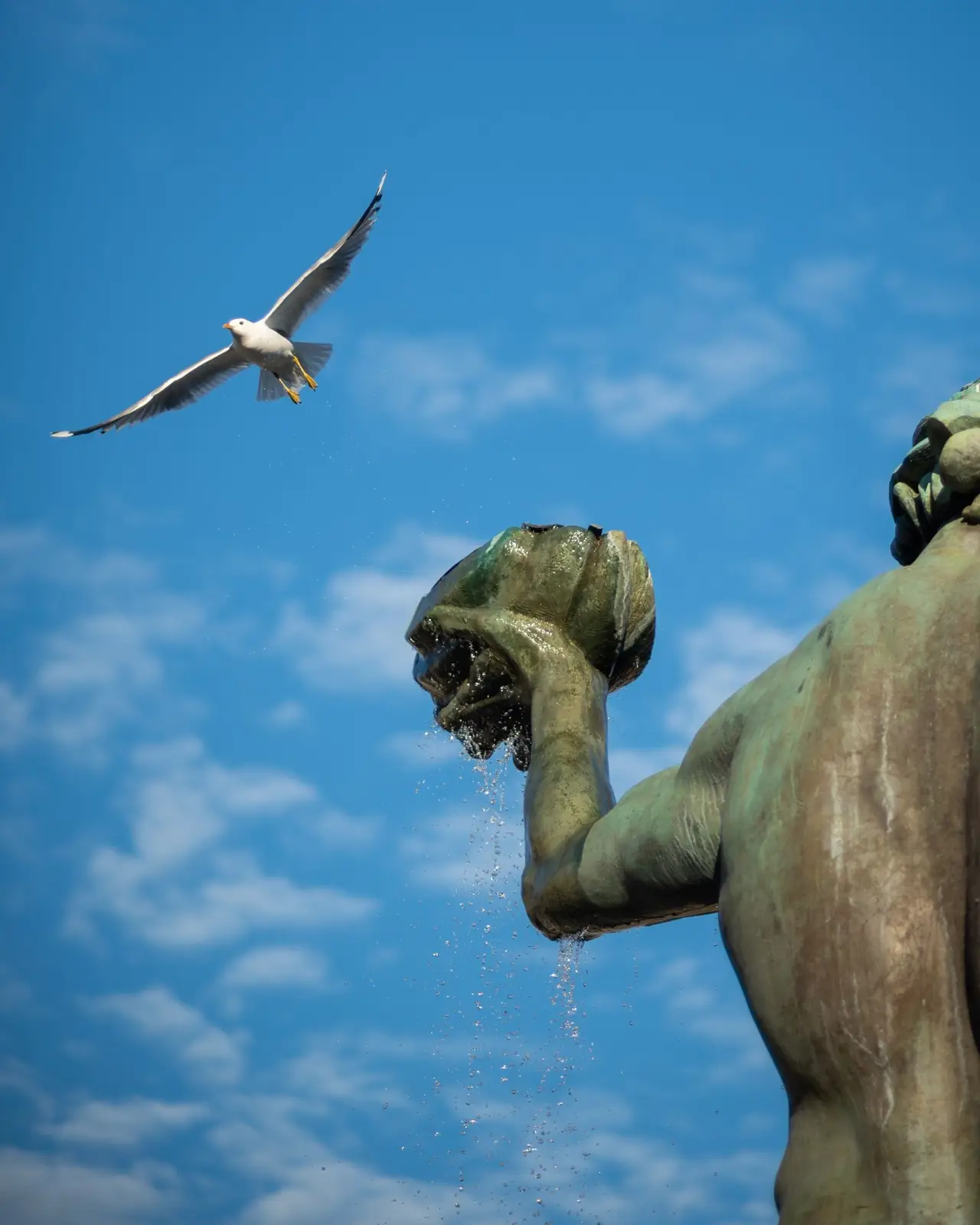
Götaplatsen and Nordic art: a focused Gothenburg museum visit
Begin with Poseidon, then spend the afternoon with Nordic painting at Gothenburg Museum of Art. A few chosen rooms make a more rewarding visit than trying to see the entire collection.
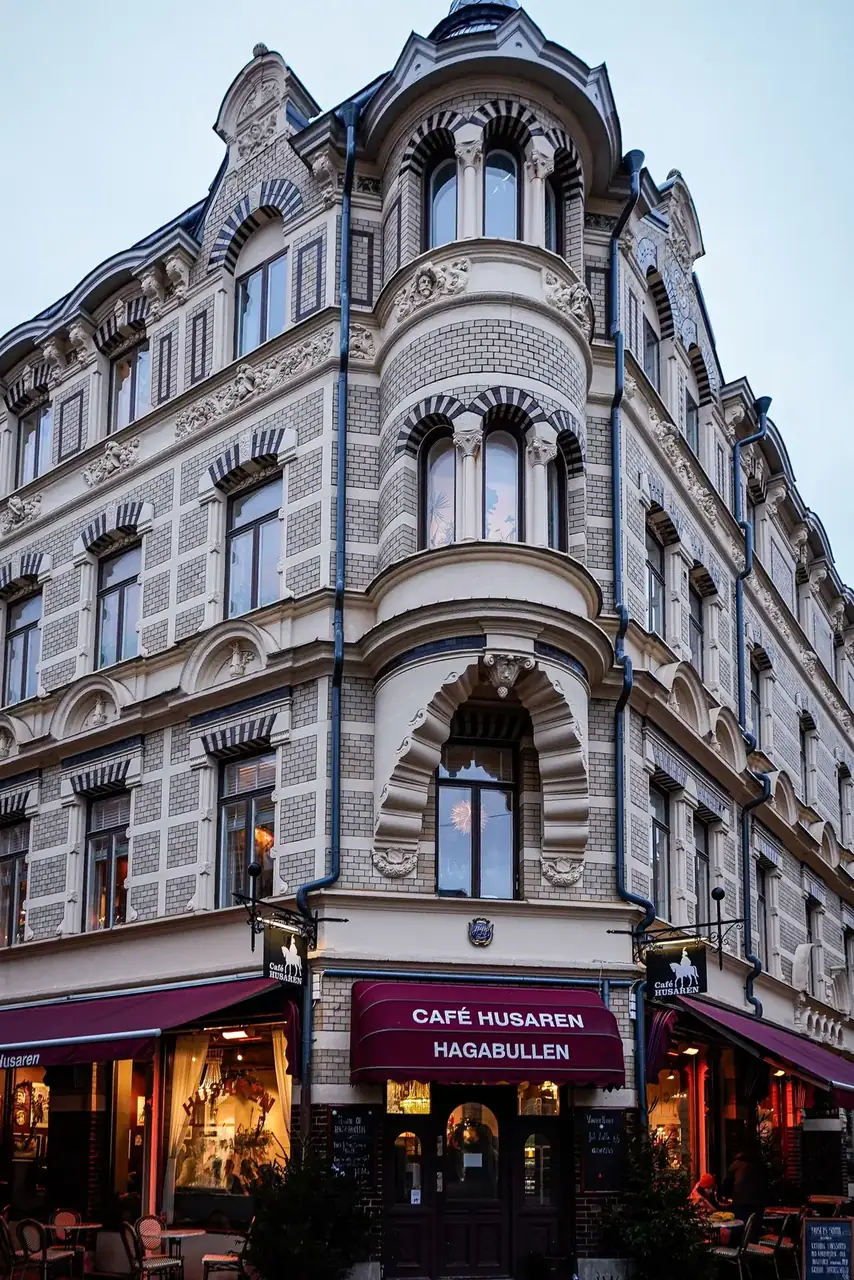
Haga and Skansen Kronan: a café street with a hilltop finish
Walk Haga Nygata for its mixed brick-and-wood houses, then decide whether to climb to Skansen Kronan. A shared cinnamon bun is a useful pause in the middle of the route, not a reward squeezed in after every sight.
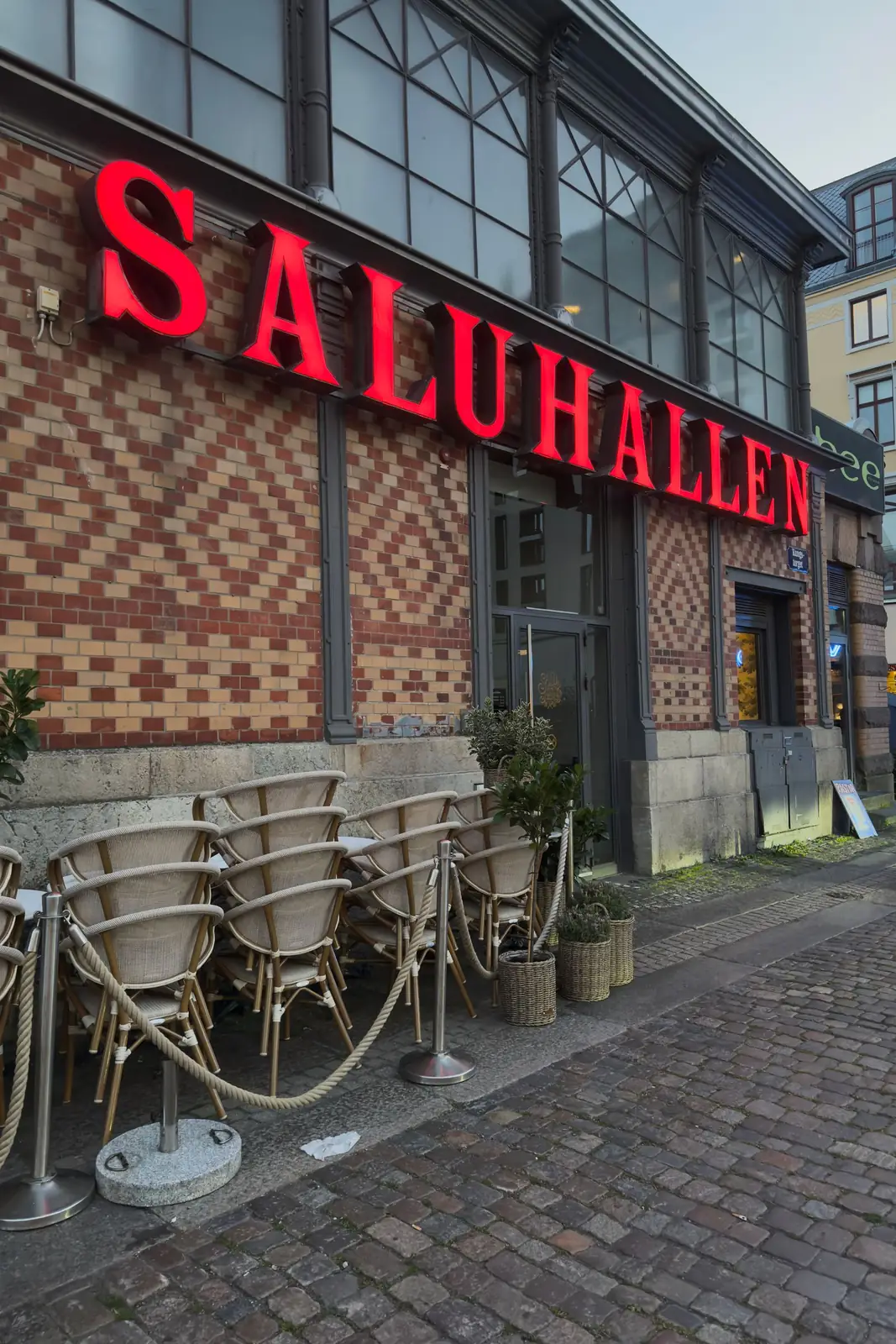
Gothenburg’s Saluhallen: a Swedish lunch and a short city walk
Make Kungstorget your lunch stop for a walk through central Gothenburg. Saluhallen offers Swedish cooking at the counter, with shopping streets and the canal close enough for an unhurried afternoon.
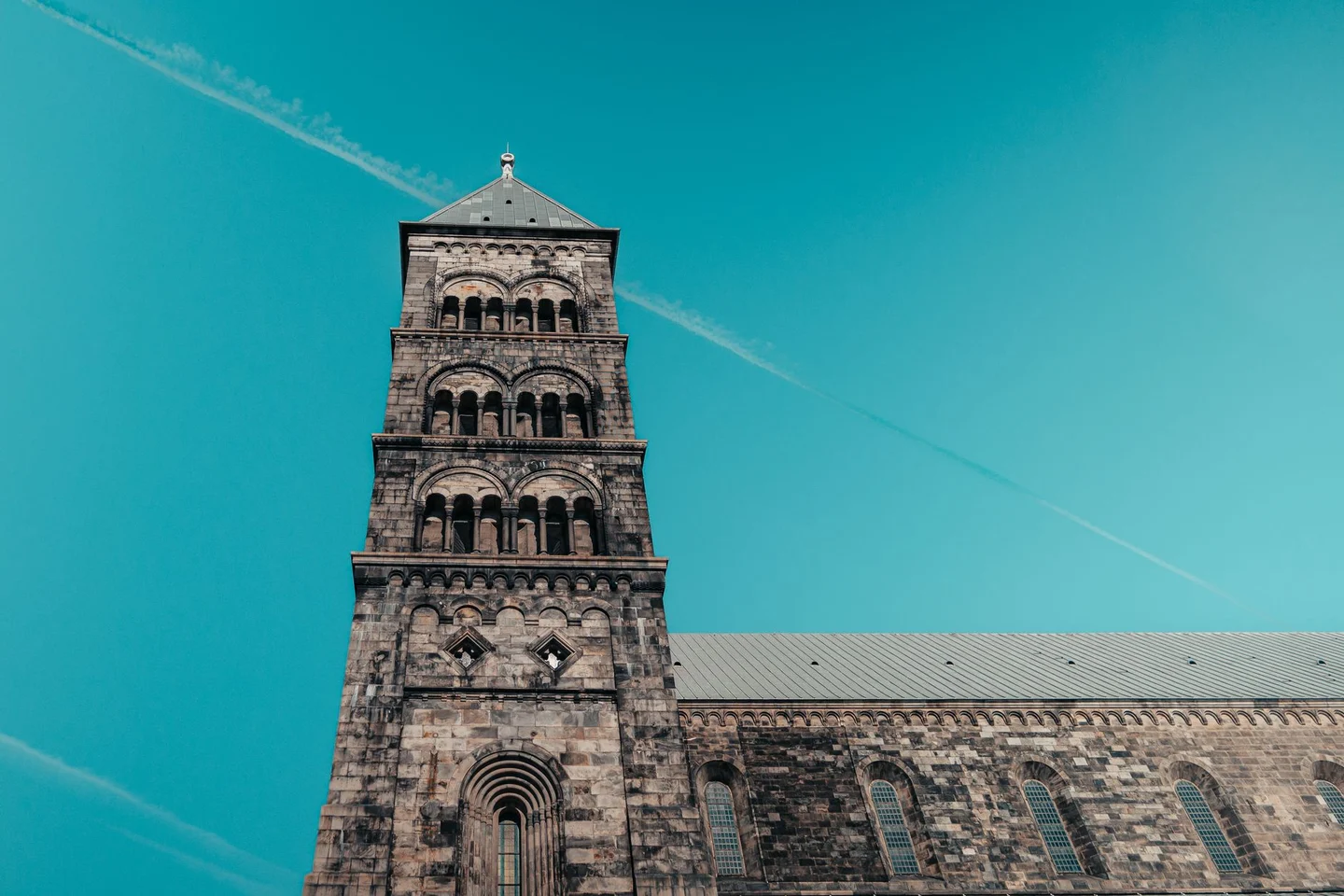
Lund’s cathedral and Kulturen: two different kinds of history
Give Lund’s cathedral and Kulturen separate attention in one compact outing. The church’s clock and crypt differ from the historic houses at the open-air museum, while the surrounding streets leave room for a slower finish.
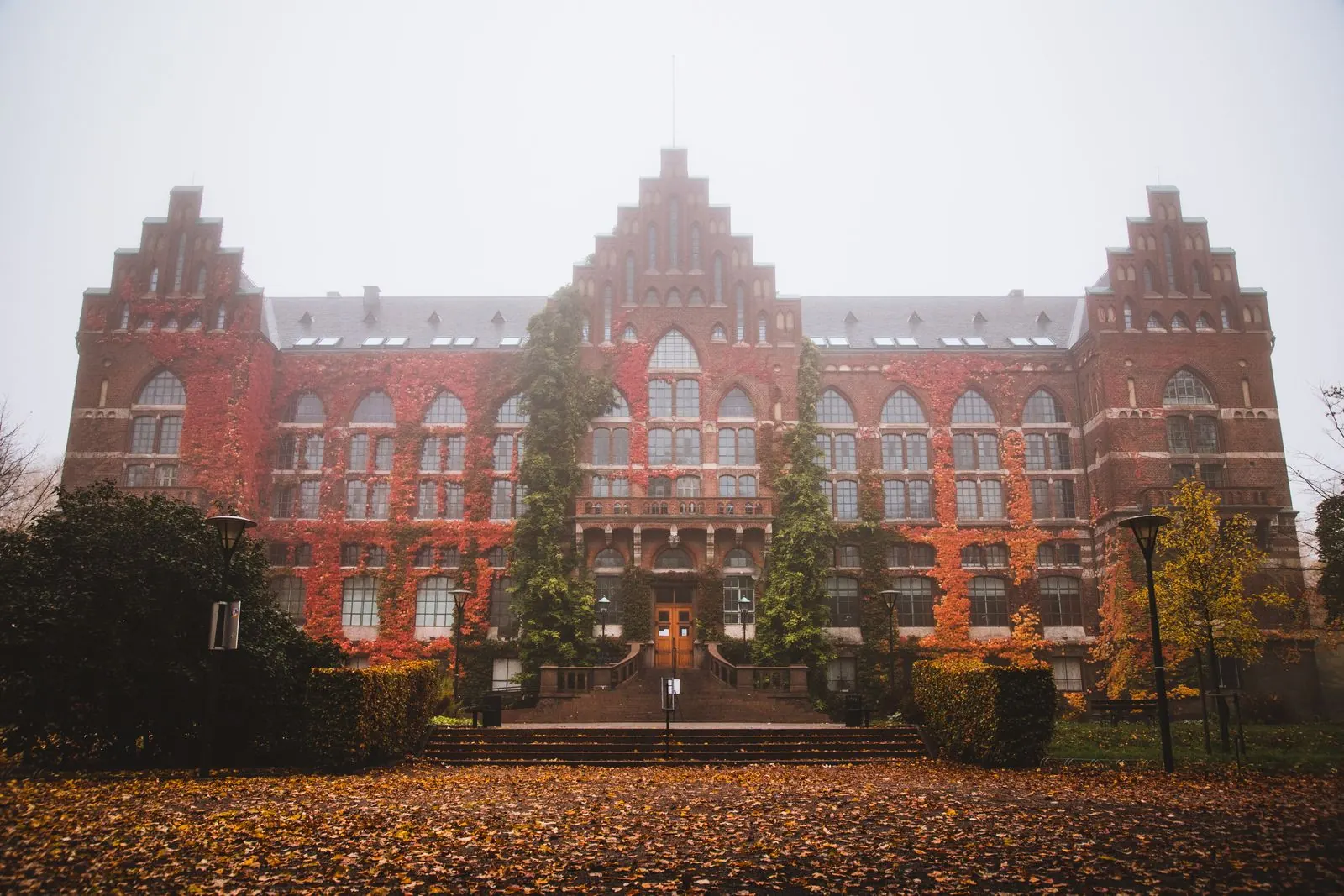
A first weekend in Lund: cathedral, courtyard houses and campus art
Spend Saturday between the cathedral and Kulturen’s old houses, then give Sunday to the university quarter and Skissernas Museum. This compact plan leaves room for a bakery breakfast and a proper museum visit rather than treating Lund as a quick stop between trains.
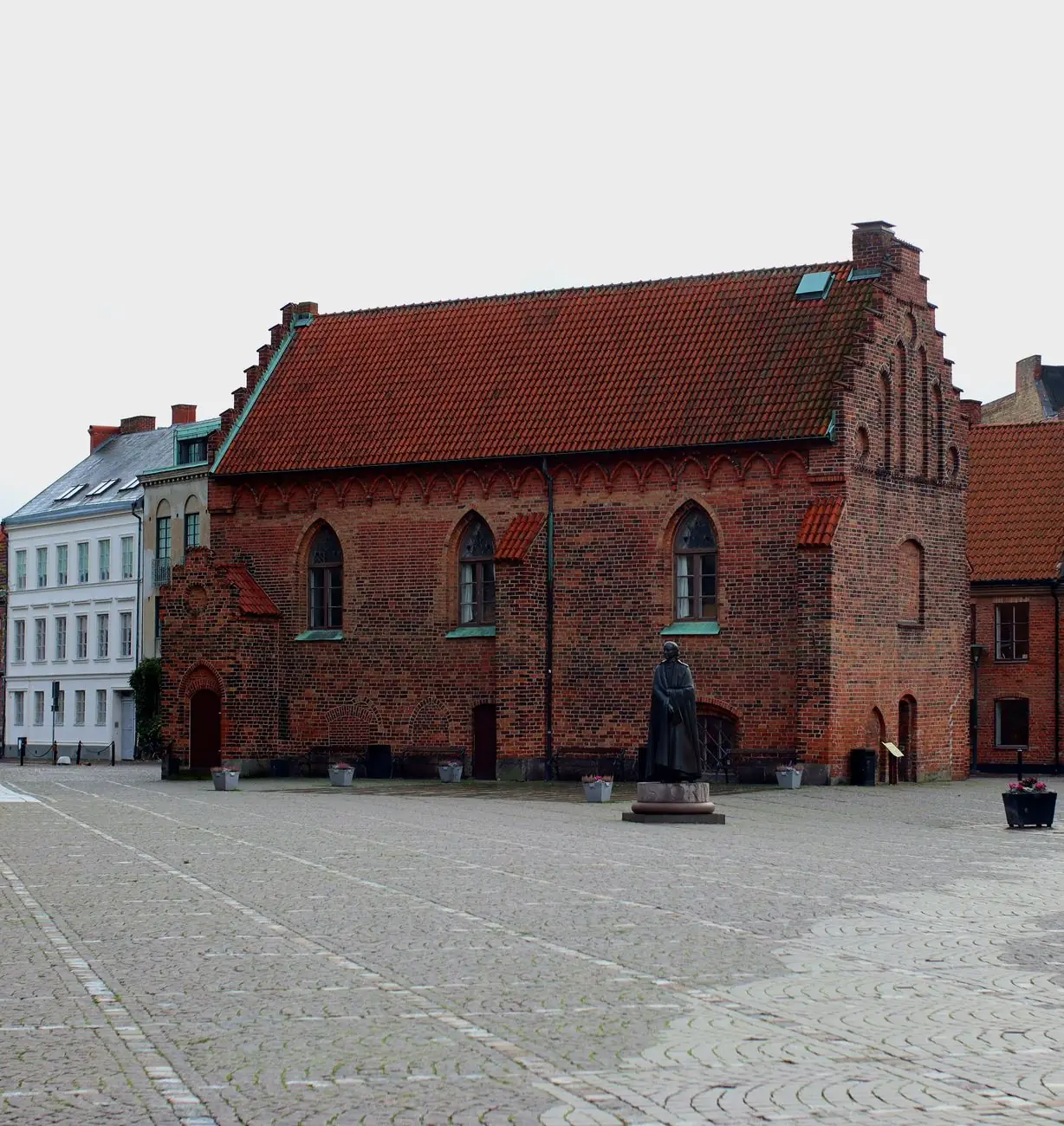
Lund’s archaeology: runestones, Liberiet and the ruins beneath Kattesund
Use the Historical Museum as the main visit, with Liberiet’s brick facade and an optional descent to Drotten’s church ruins connecting the collections to Lund’s streets. This is a different afternoon from touring Kulturen’s historic houses.
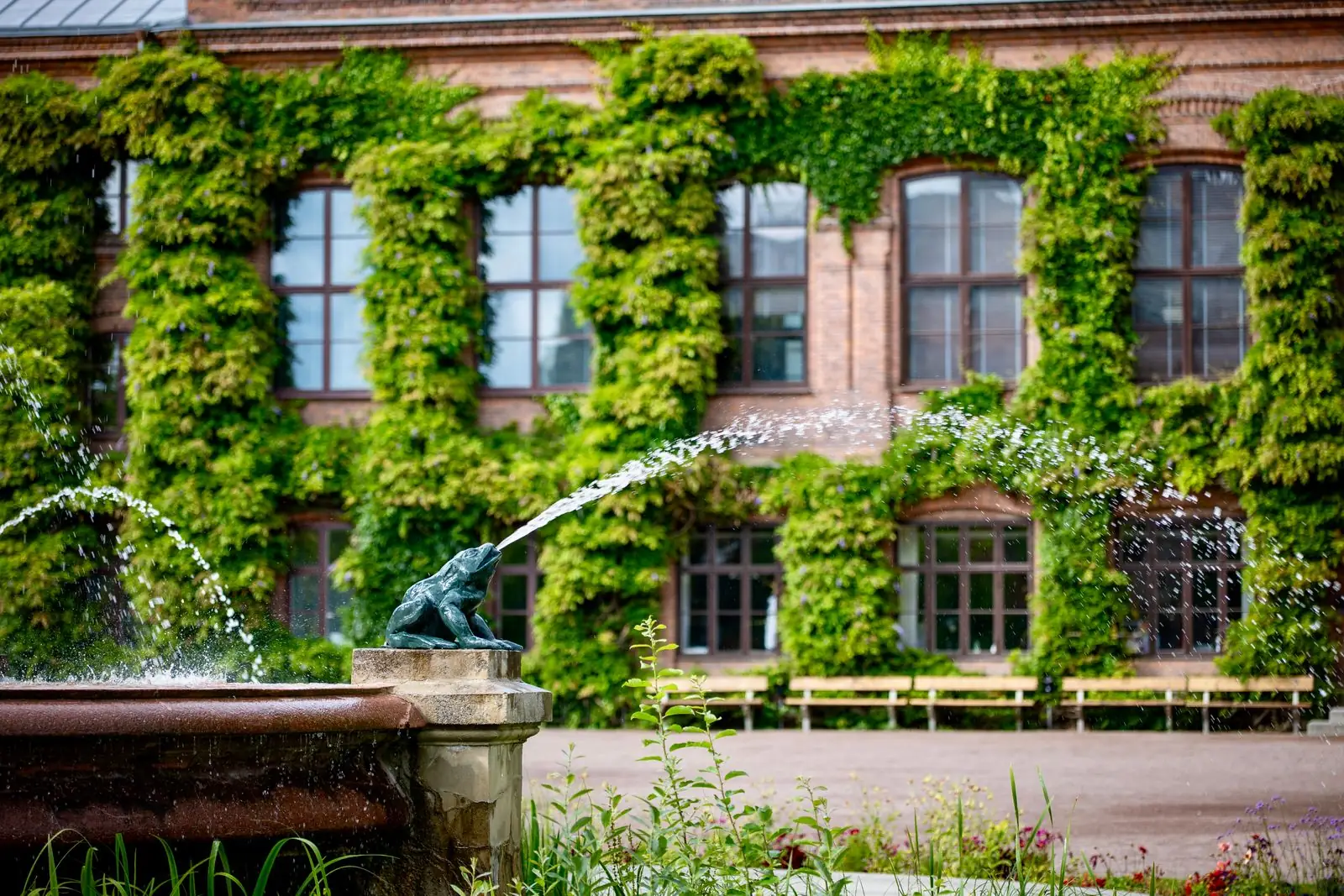
Lund beyond the cathedral: a market lunch and Nöden’s old streets
Make Lund’s market hall and the small streets of Nöden the centre of a slower outing. A library-side starting point gives you a north-to-south route, with lunch as a real stop.
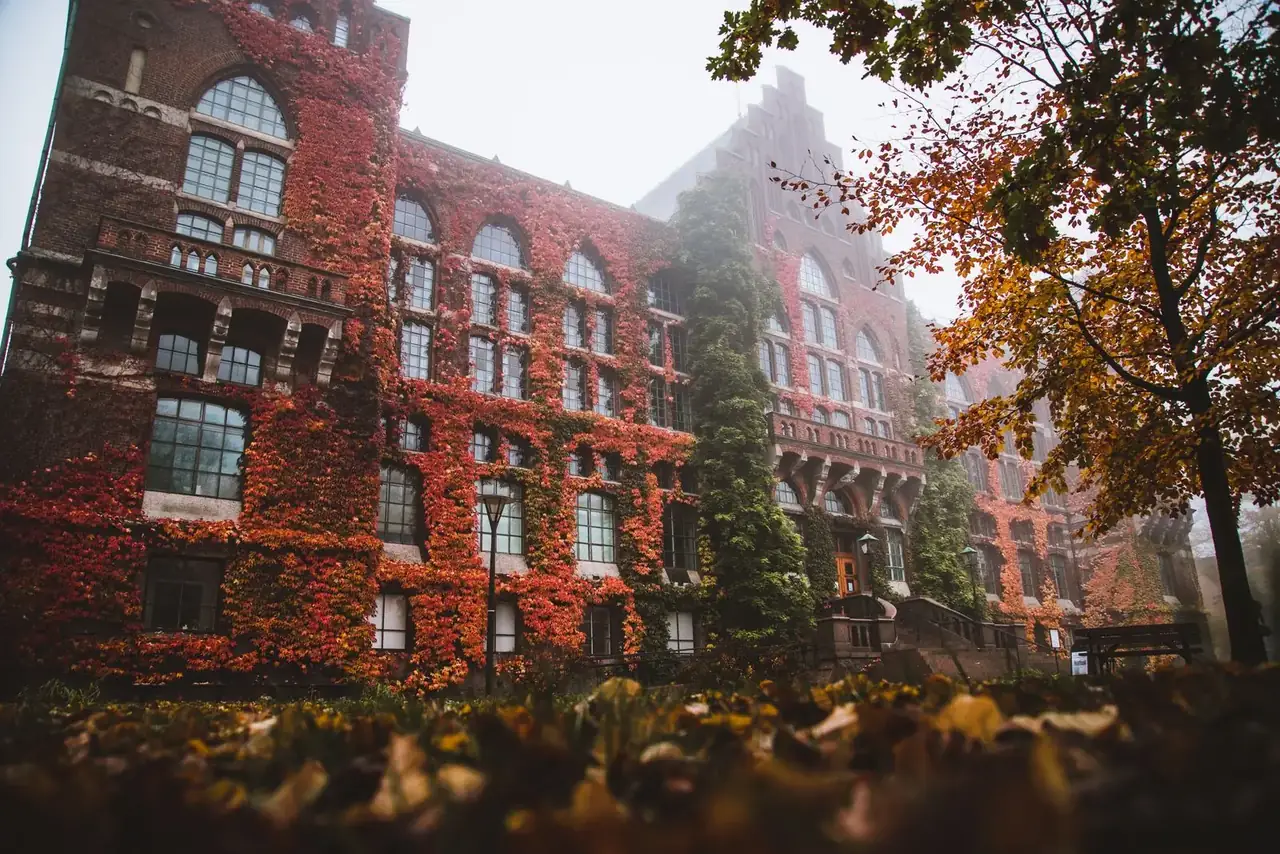
Lund’s university quarter: library views and art in the making
Explore Lund’s university streets with the Library façade and Skissernas Museum as anchors. This is an art-and-campus outing rather than a promise of access to every university room, with the botanical garden kept as an optional extension.
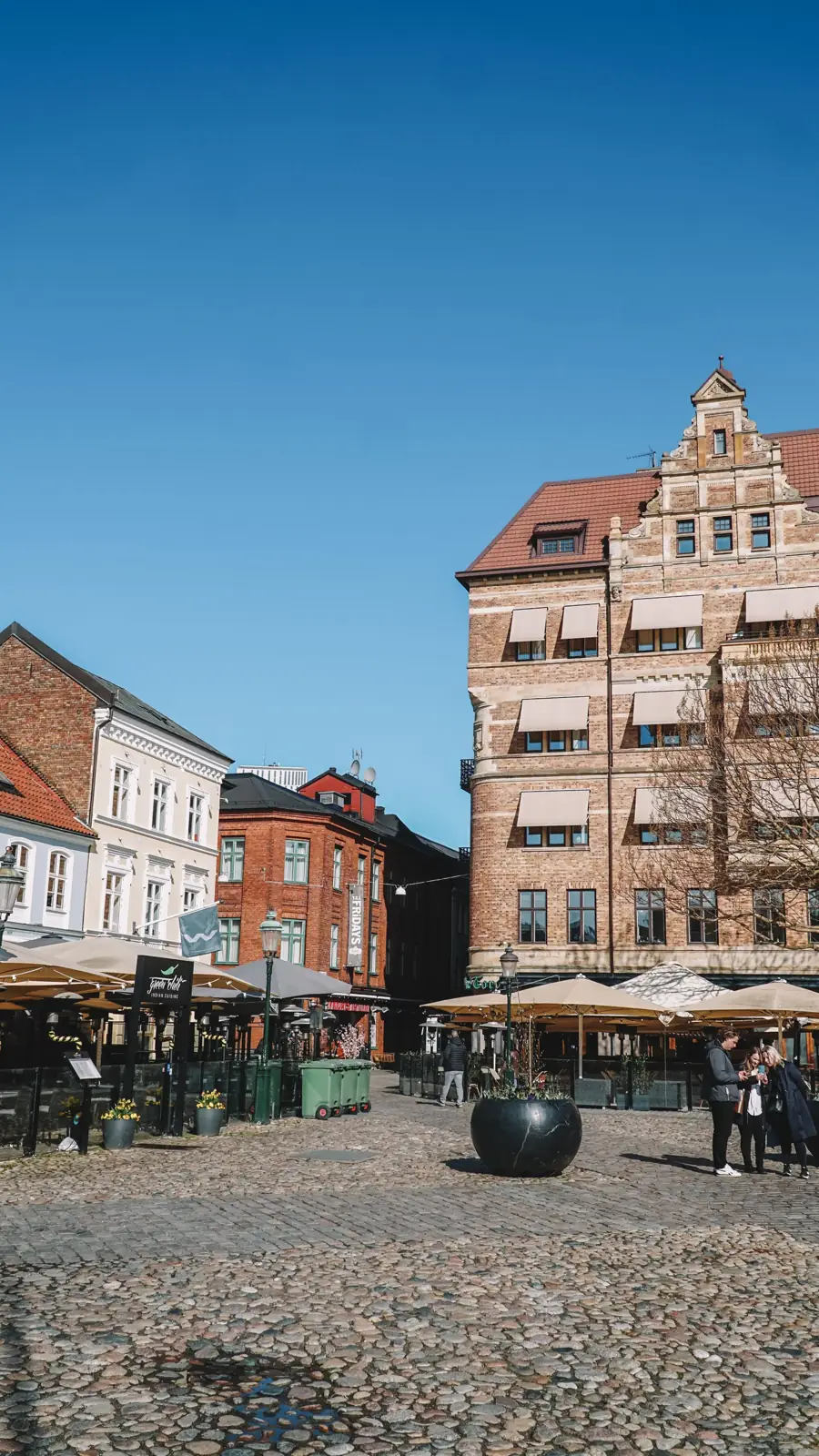
A first weekend in Malmö: old squares, museums and a coastal Sunday
Start Saturday with Malmö’s old squares and a focused museum visit, then use Sunday for Västra Hamnen and the coast. There is time for fish-and-chips at Saluhall and a slower look at the city’s contrasting neighbourhoods.
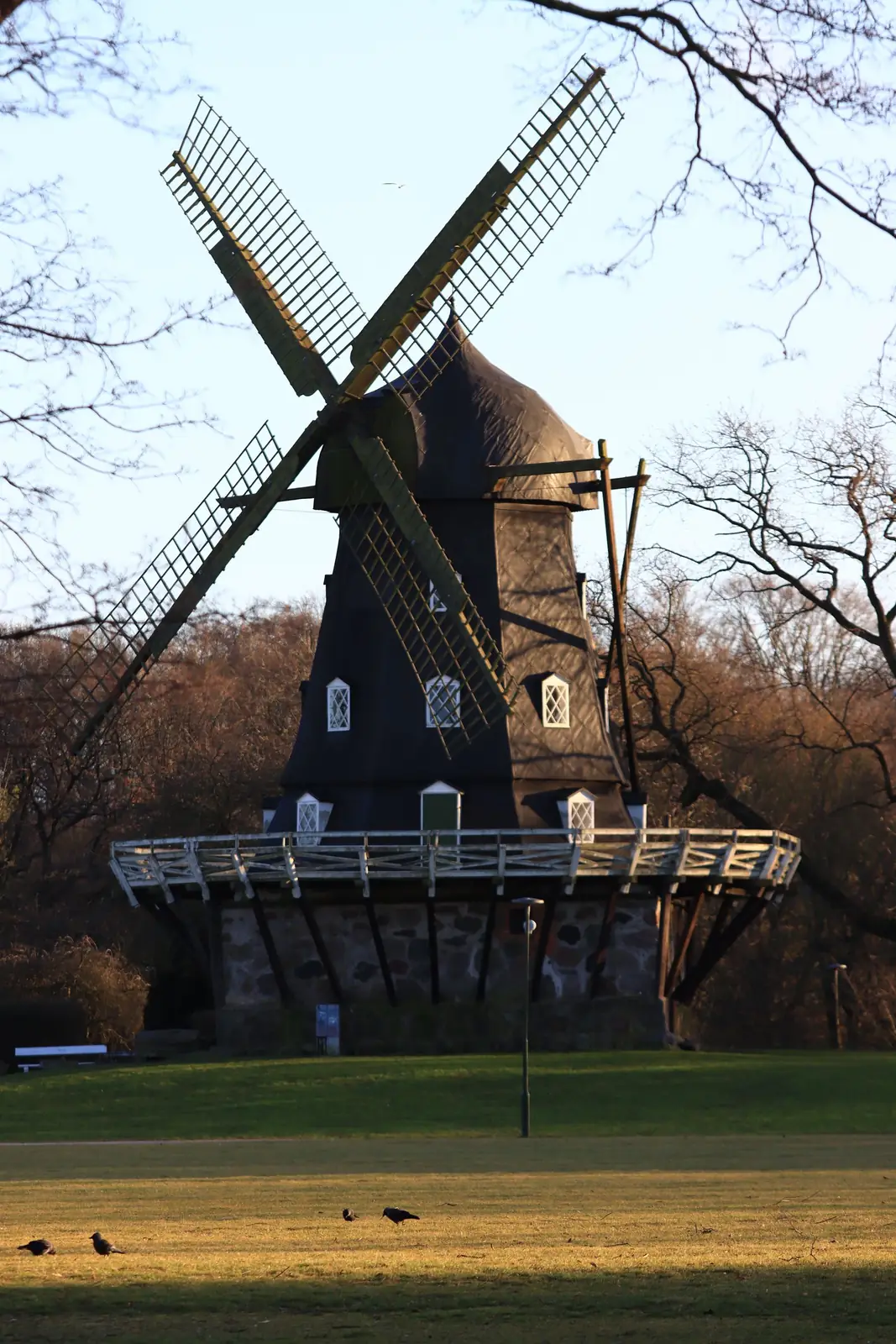
Malmöhus and the parks: choose the museum, then take the mill walk
Pair Malmö’s museum area with a short park walk around Slottsmöllan. Choose the building and exhibitions you want before buying admission, and check which art galleries remain affected by works.
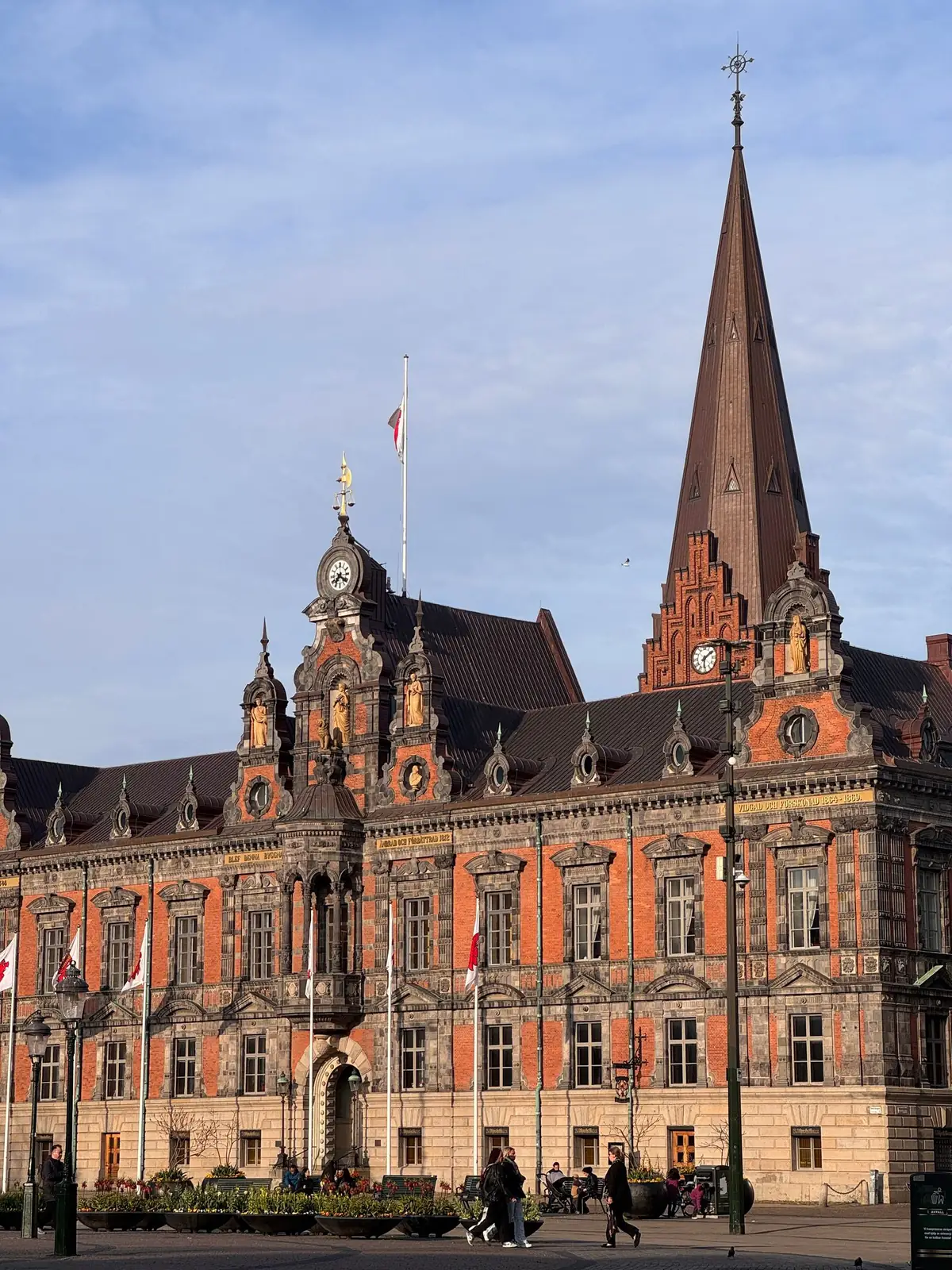
Malmö’s old centre and Saluhall: squares first, lunch second
Pair Malmö’s historic squares with a lunch at Saluhall rather than trying to fit the whole city into one morning. This route works well around a train arrival and leaves the exposed coast for another outing.
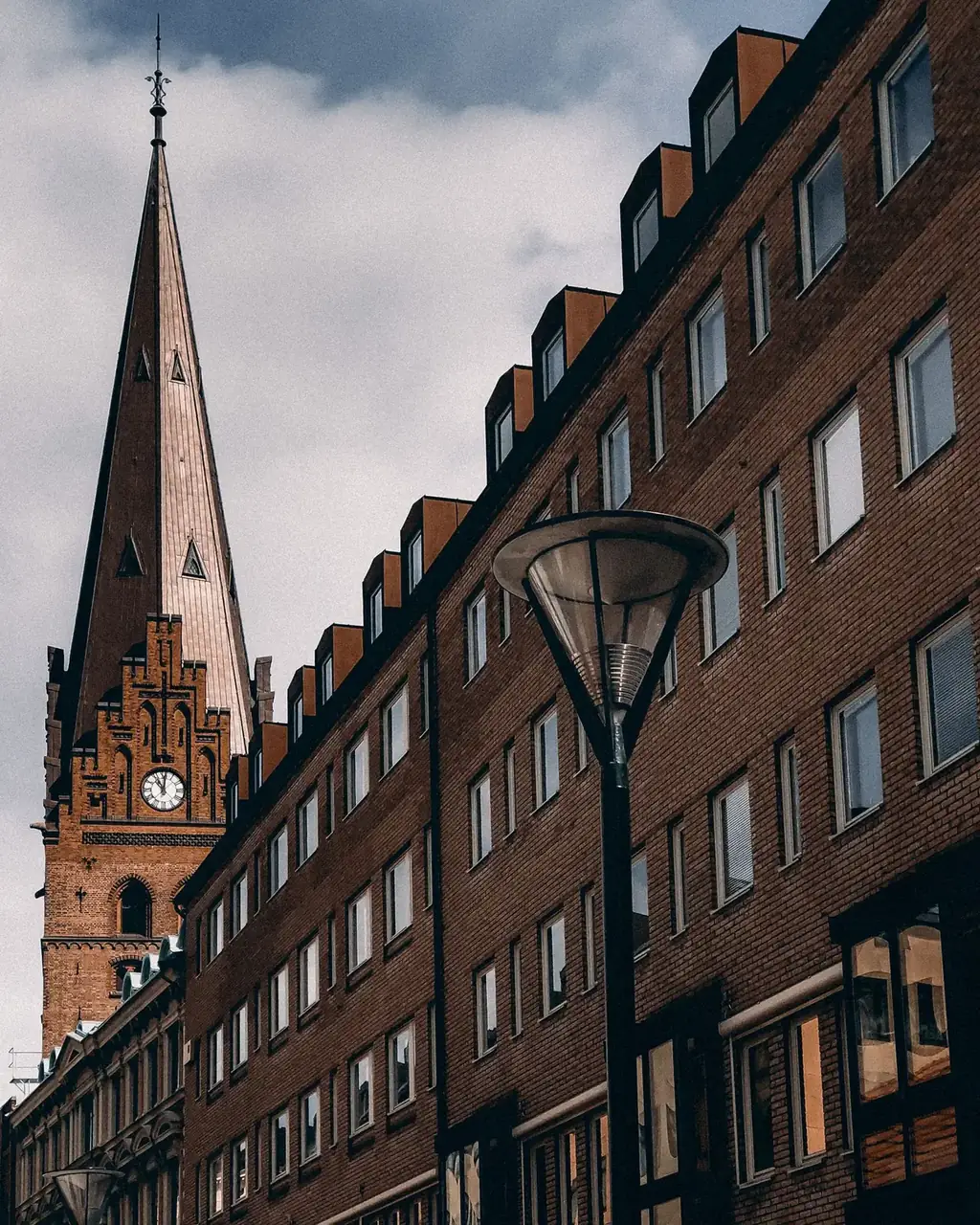
Malmö’s S:t Petri: medieval paintings worth slowing down for
Step inside S:t Petri for a focused art and architecture visit. The painted Krämarkapellet and the church’s own audio trail make this more than a quick look at the tower.
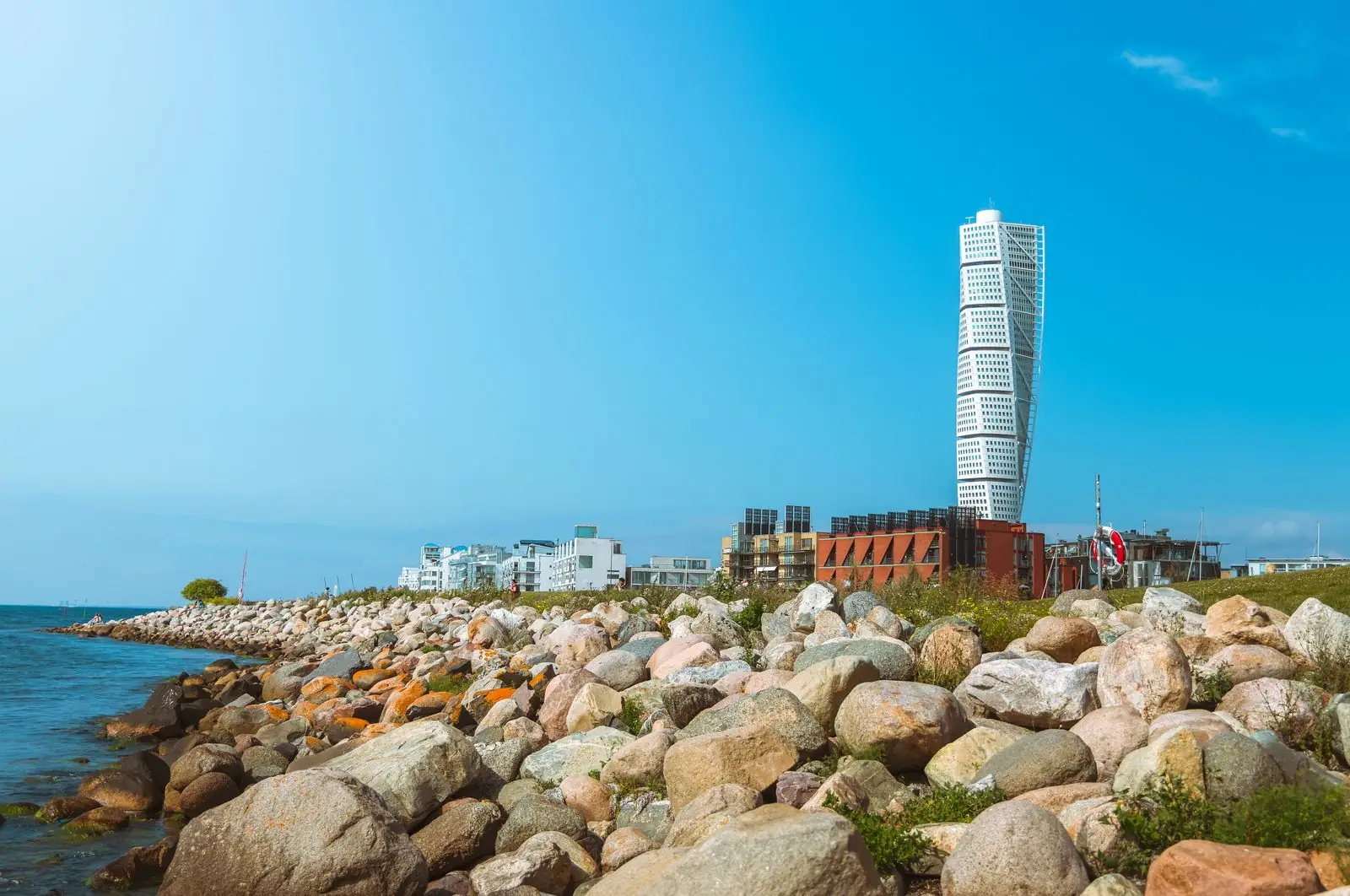
Västra Hamnen and Ribersborg: Malmö’s coast at walking pace
Choose Malmö’s coast for open views and a slower outdoor outing. Turning Torso is the landmark to navigate by, while the shoreline paths and Ribersborg give you places to stop without requiring a tower visit.
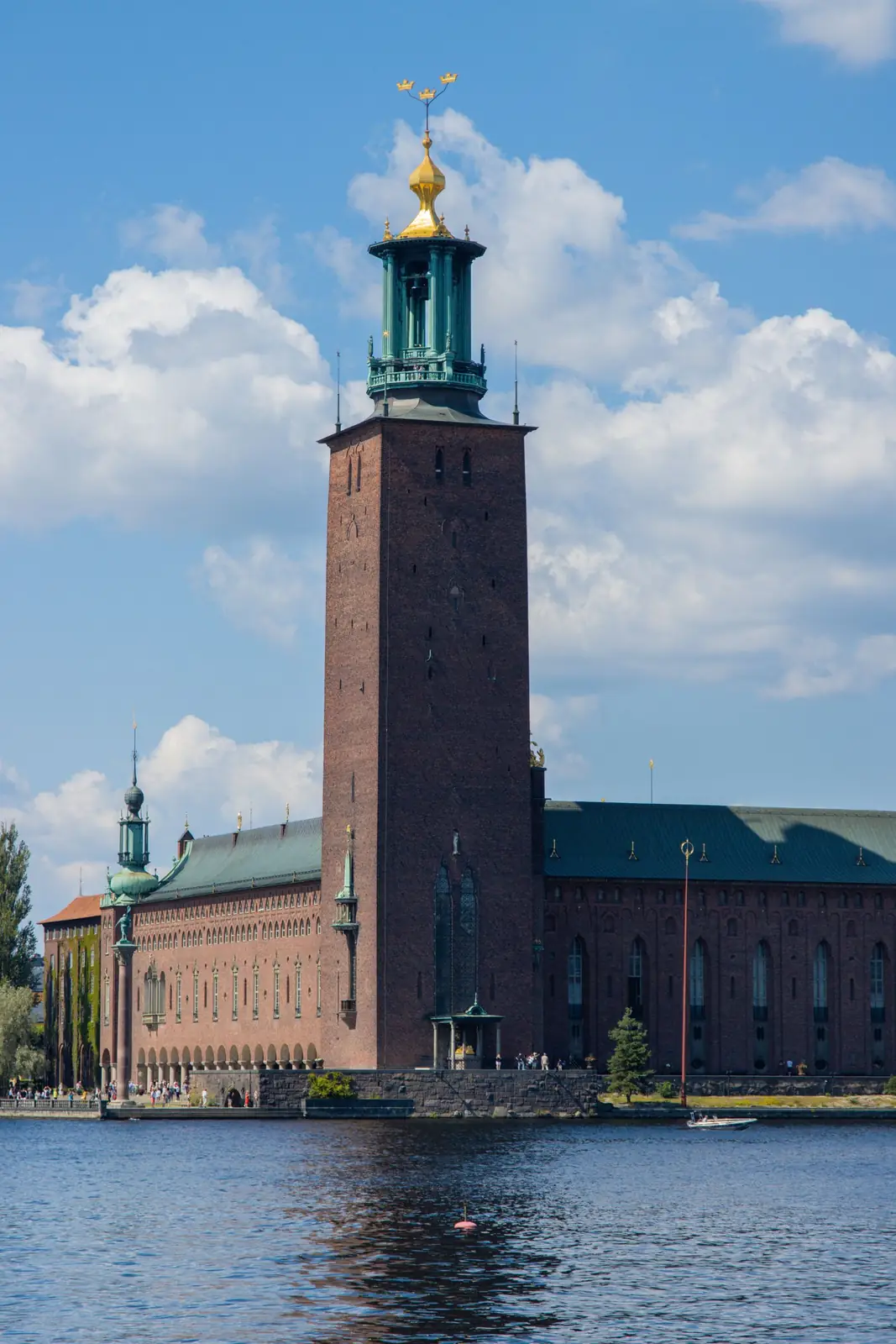
Stockholm City Hall: book the halls, then walk by the water
Visit Stockholm City Hall for its guided interiors, then leave time for the waterfront. The tower is a worthwhile attraction too, but it was closed when this guide was reviewed and cannot be part of the current plan.
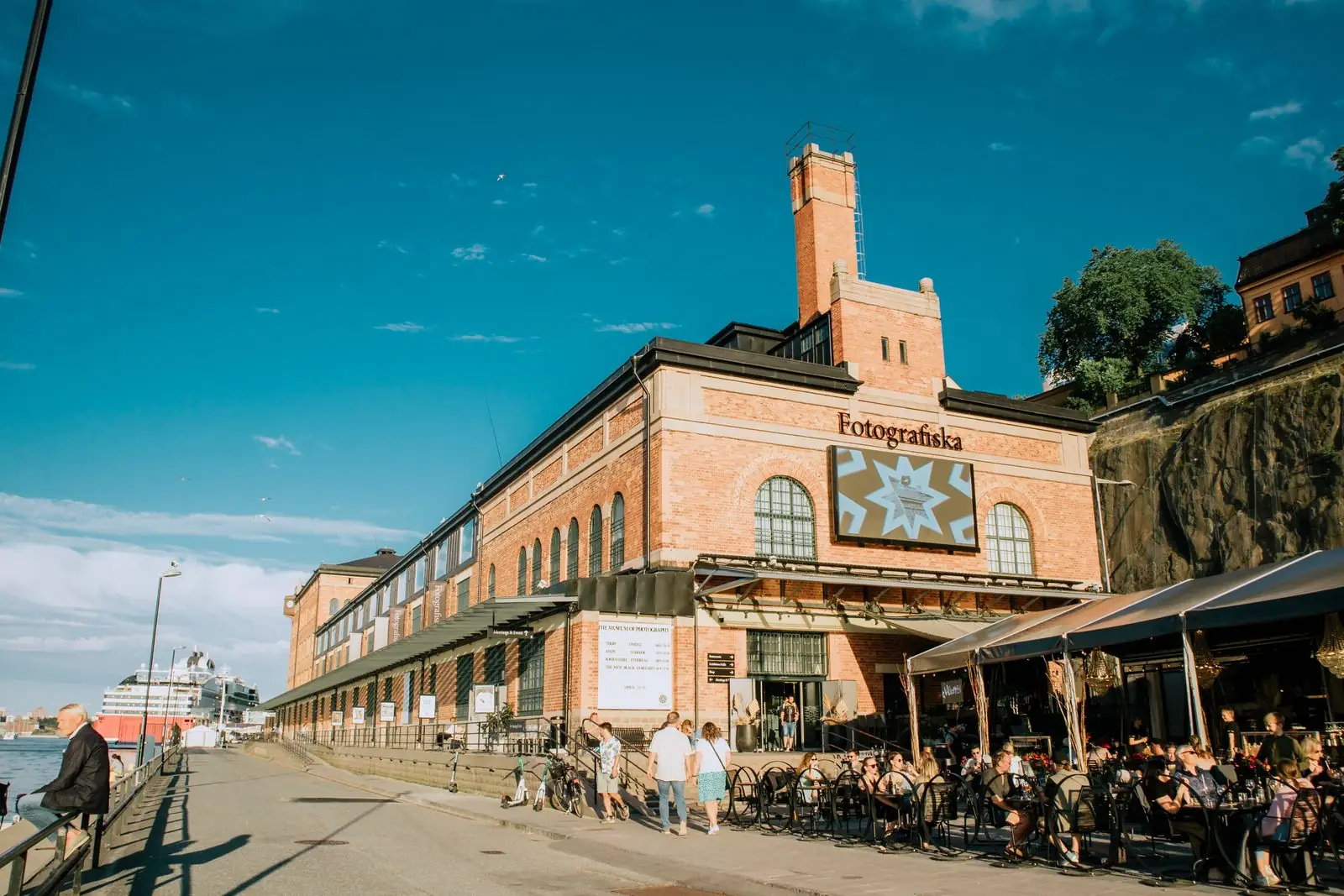
Fotografiska: photography, waterfront views and lunch choices
Use Fotografiska for a photography visit with a waterfront finish. Check the current exhibitions first, then decide whether lunch or an evening drink fits your museum time.
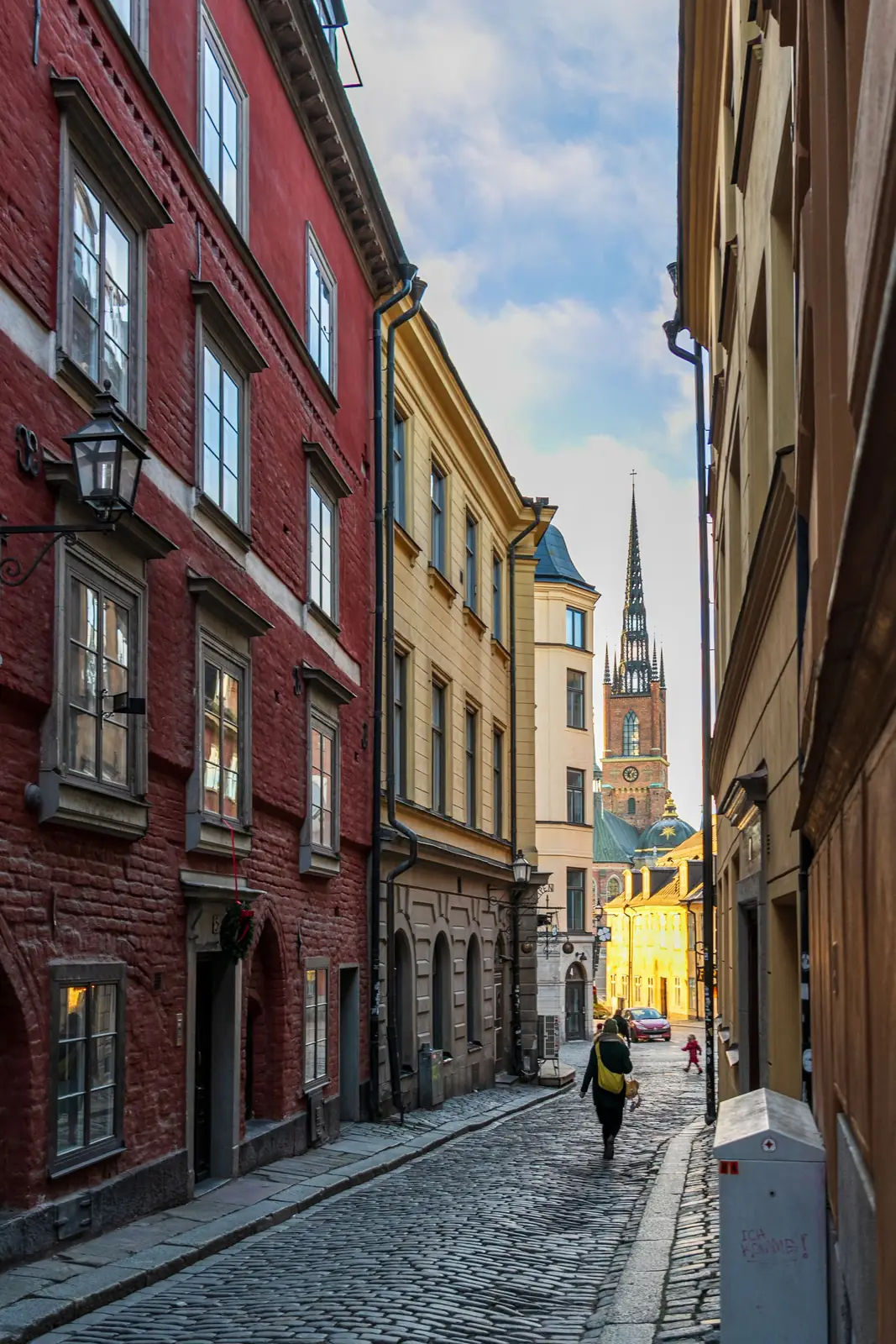
Gamla Stan on foot: Stortorget, quiet lanes and Riddarholmen
Use Gamla Stan’s squares as anchors instead of wandering without a plan. This walk pairs Stortorget and a proper fika stop with quieter lanes and the waterfront around Riddarholmen, leaving paid museum visits optional.
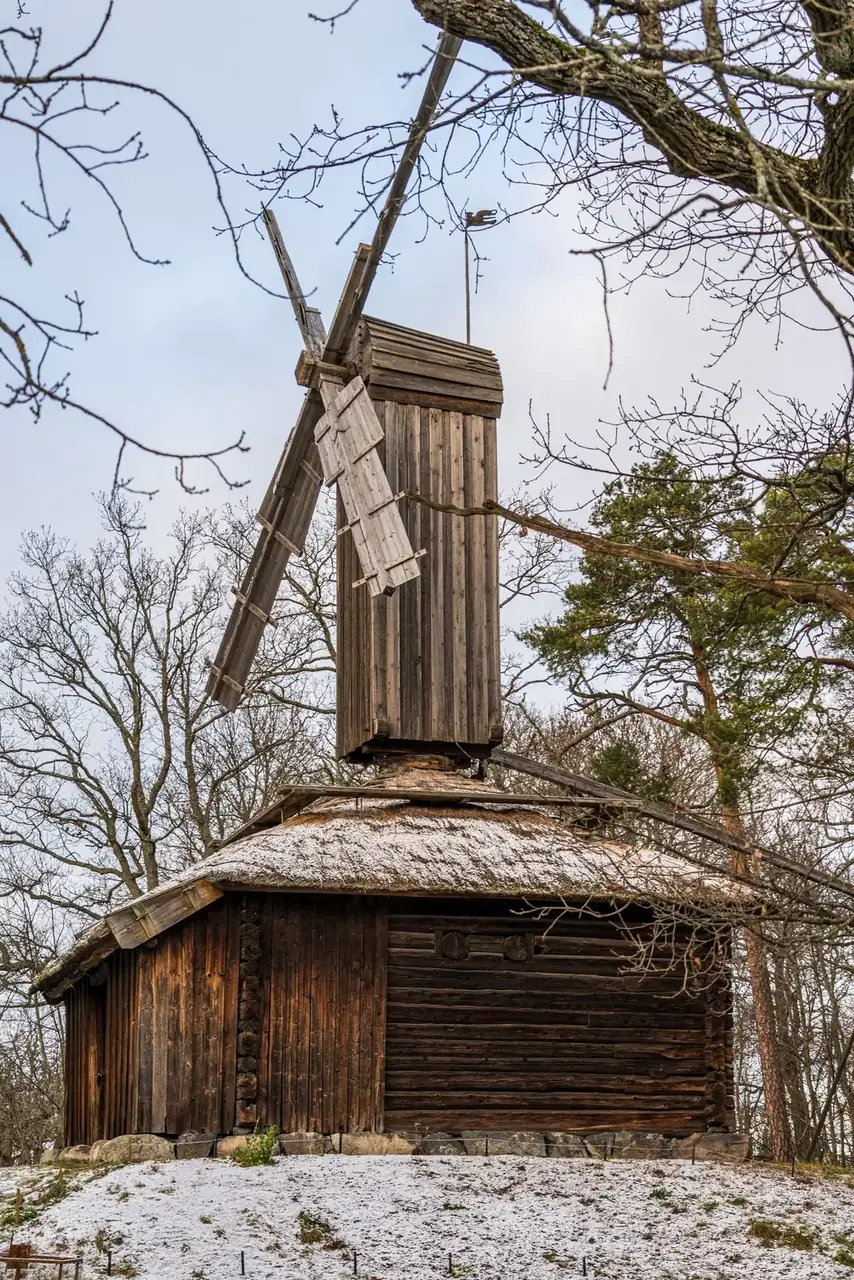
Skansen without rushing: houses, crafts and a proper fika
Visit Skansen for historic houses and the people who bring their stories to life. Choose a few open buildings, leave time for food, and make the animal areas an optional extension.
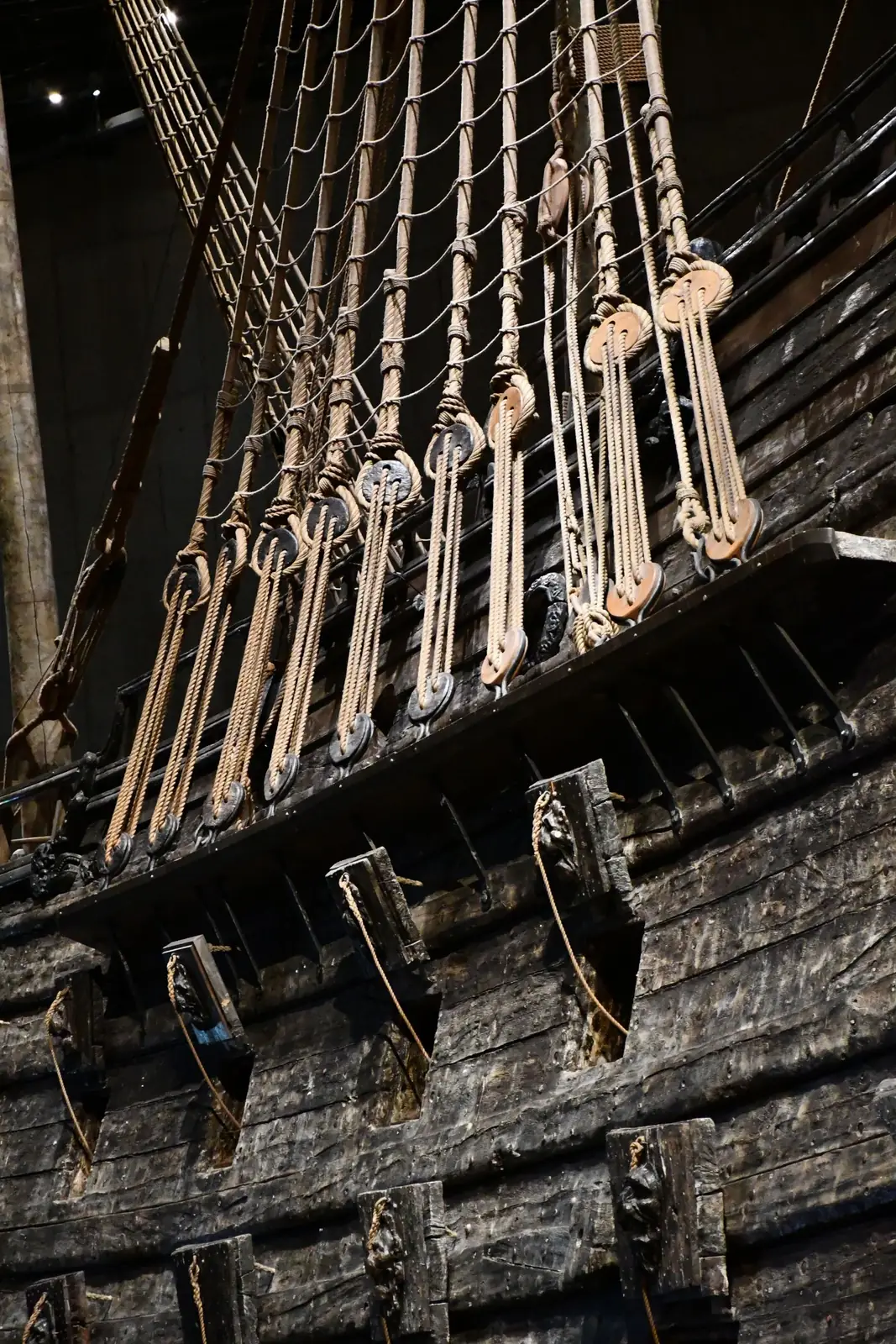
The Vasa Museum: the ship, the stories and the right ticket
Give Stockholm’s Vasa Museum time for both the ship and its human stories. A focused collection route and an on-site lunch work better than racing through several Djurgården museums.
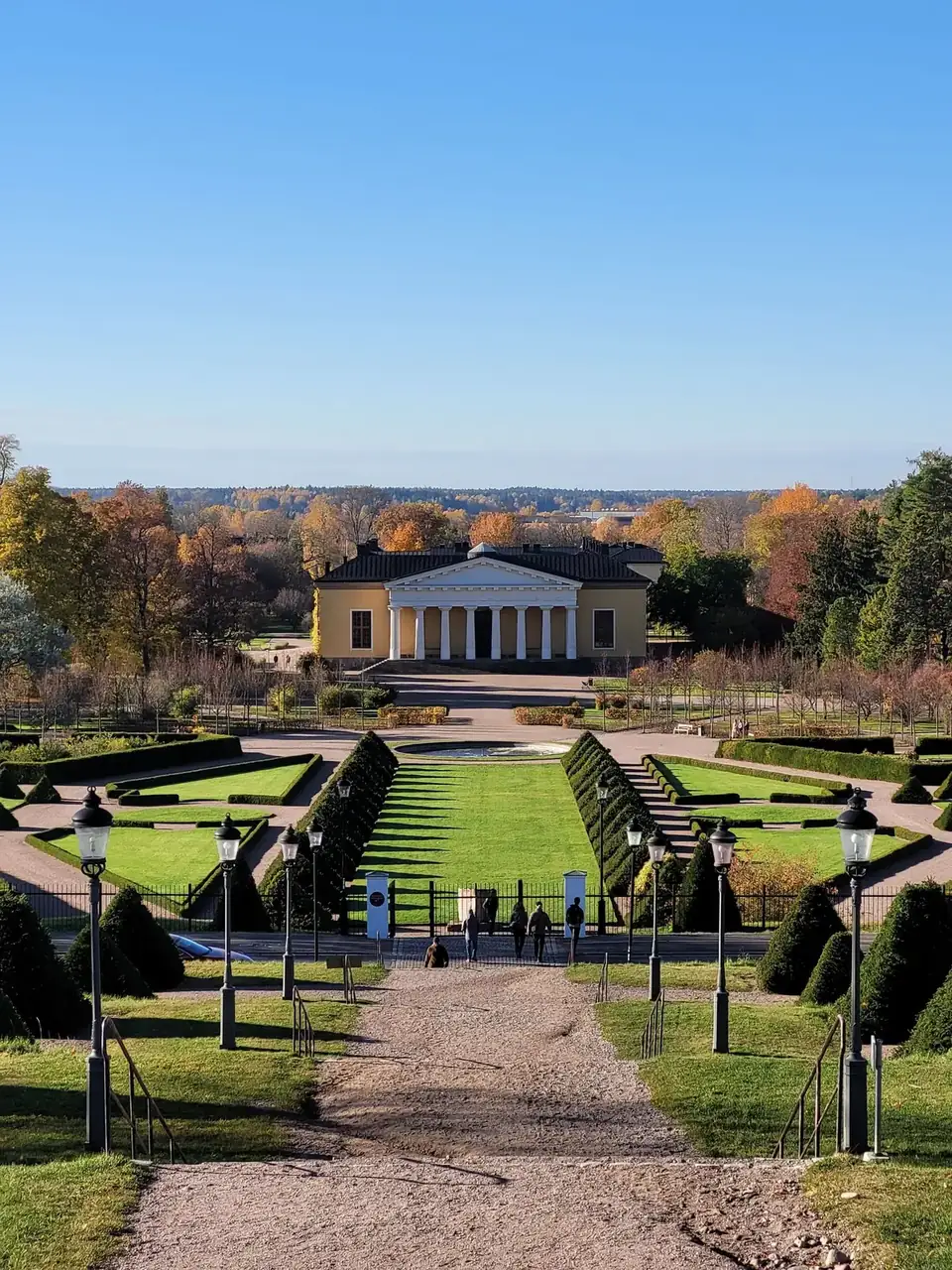
Uppsala’s Botanical Garden: baroque paths and a tropical escape
Give Uppsala’s Botanical Garden its own outing, from the formal beds to tropical plants indoors. The garden below the castle and the separate Linnaeus Garden have different access rules.
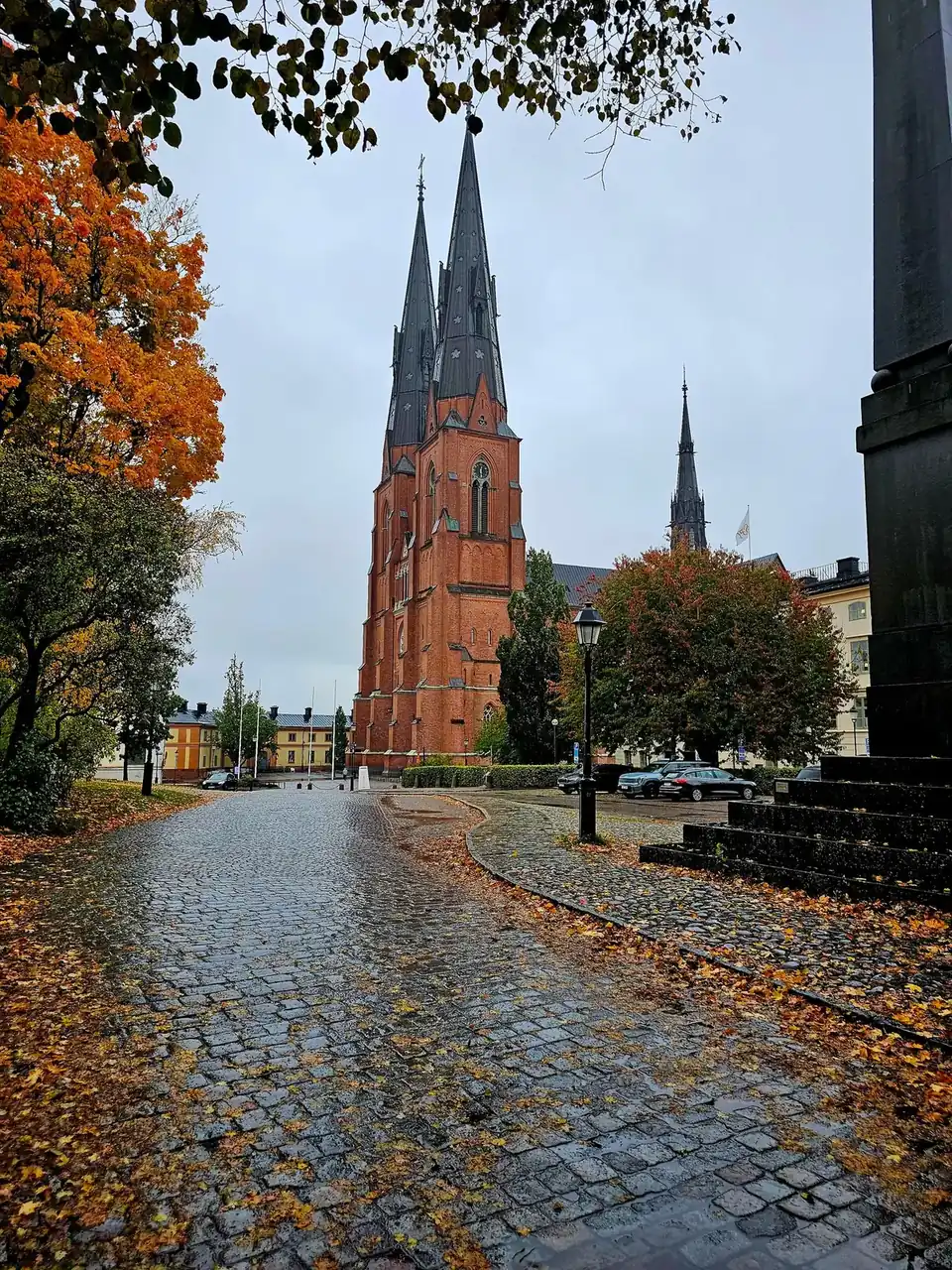
Uppsala Cathedral: tombs, treasury choices and a café pause
Use Uppsala Cathedral as the centre of a focused historic outing. Its royal and scholarly memorials reward a slower visit, while the separate treasury and nearby café let you decide how much of the morning to spend indoors.
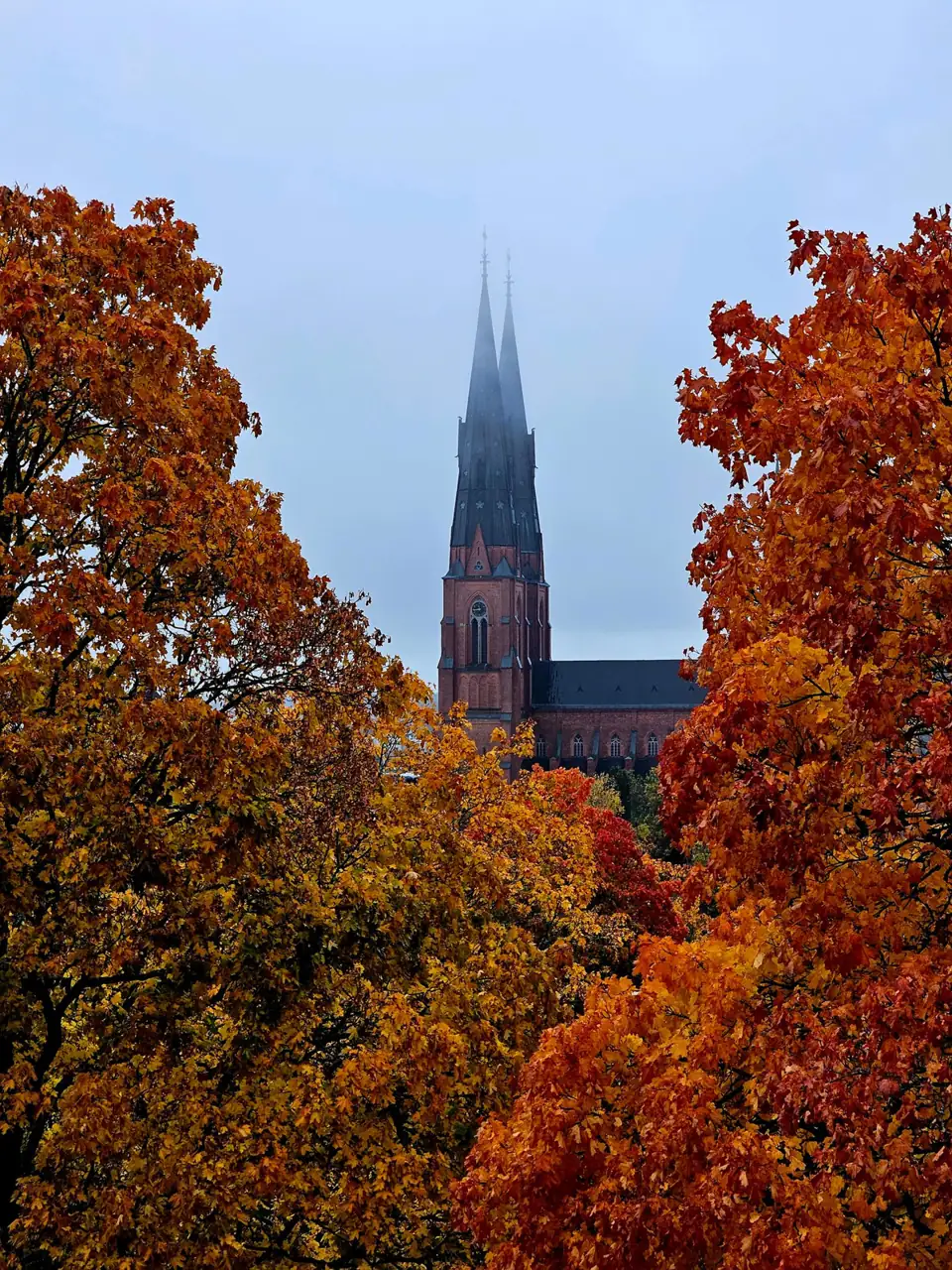
A first weekend in Uppsala: cathedral stories, castle views and ancient mounds
Keep Saturday in Uppsala’s historic centre, with the cathedral and castle hill as anchors. Give Sunday to Gamla Uppsala’s archaeology rather than treating the royal mounds as a rushed extra after a full museum day.
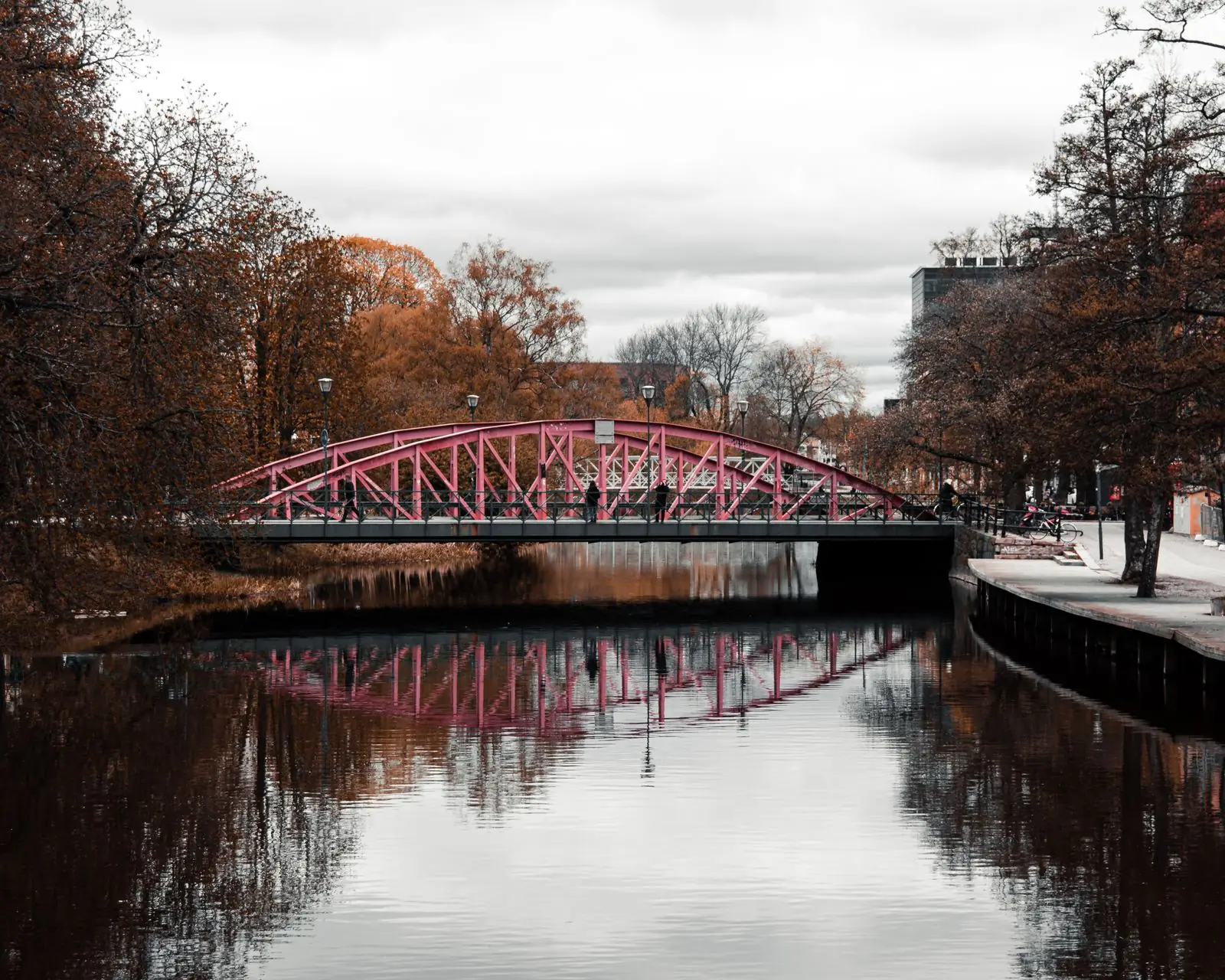
Uppsala’s Fyris River and castle hill: one walk, one museum choice
Pair the Fyris River with Uppsala’s castle hill for a walk that changes level and view. Choose one castle museum, then leave space for lunch rather than assuming all the collections can be seen on a single ticket.
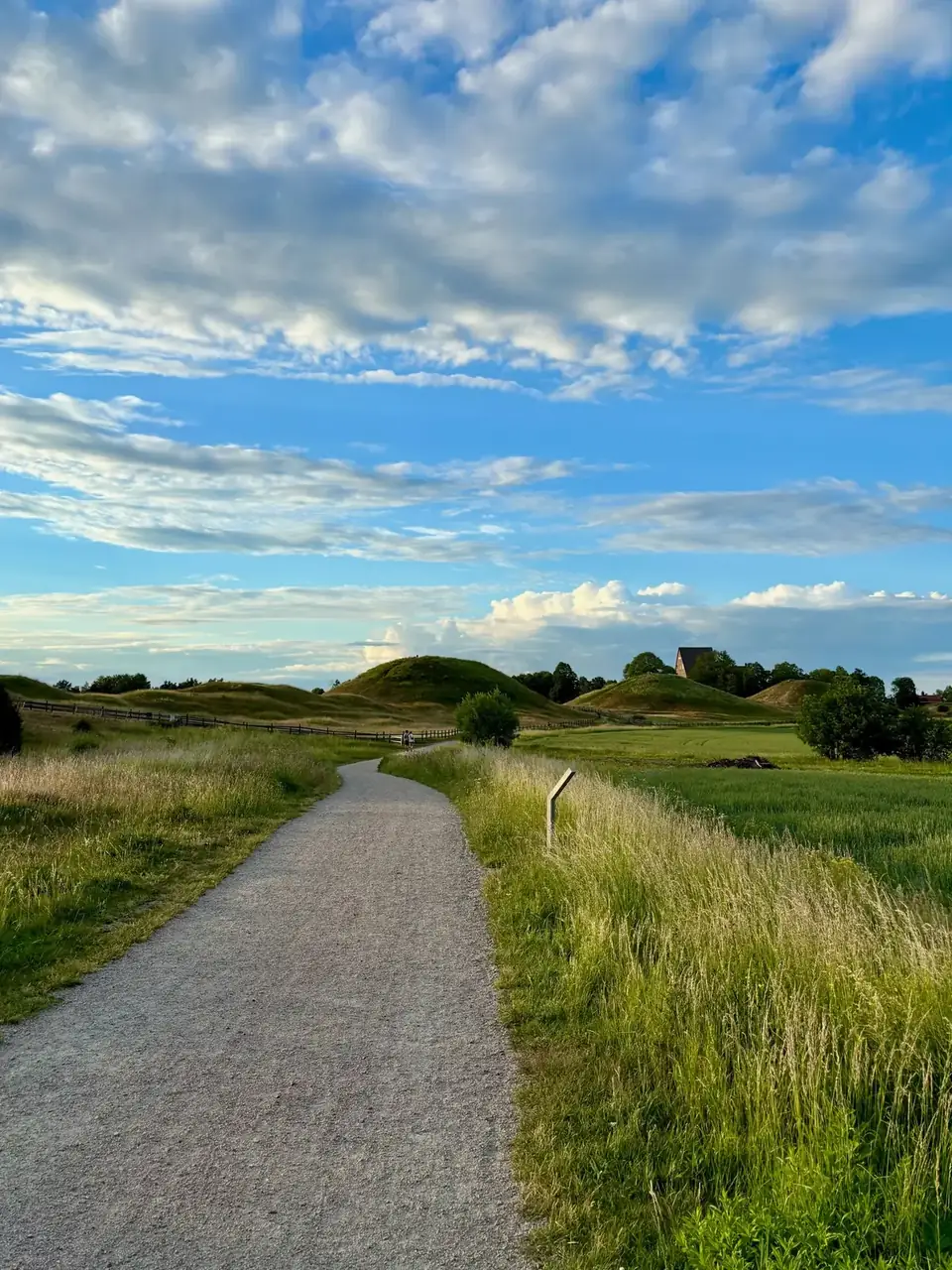
Gamla Uppsala: royal mounds, archaeology and an Odinsborg lunch
Give Gamla Uppsala a separate outing from the city-centre cathedral. The royal mounds, nearby museum and a Swedish lunch fit together without racing between distant sights.