Find the pair beside the trading streets
Use Ulugbek Madrasah as your first anchor, near Toqi Zargaron, then turn to the facing Abdulaziz Khan Madrasah. This is Bukhara’s Ulugbek building, not the madrasah of the same name on Samarkand’s Registan. Check the city when saving map pins.
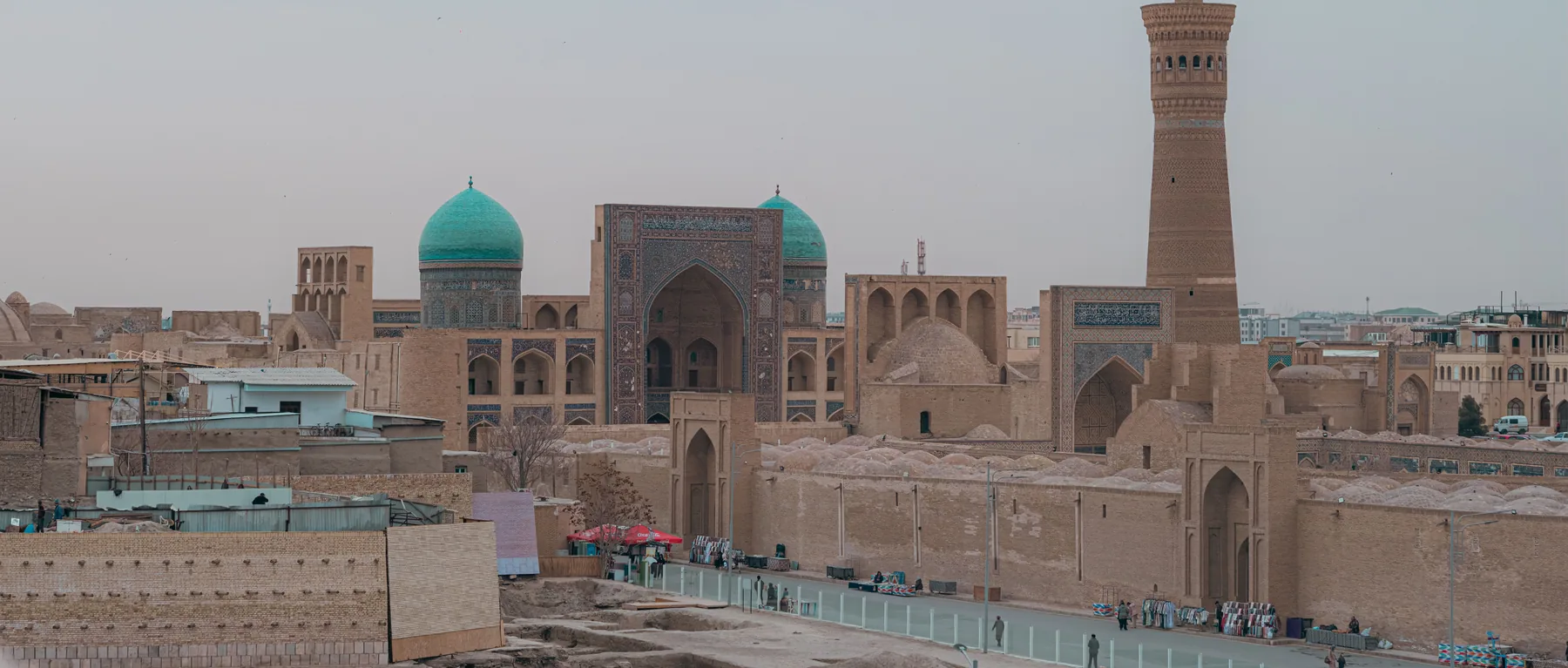
Begin from a safe public place between the facades. Look at the overall arrangement before approaching the portals: the opposing entrances make it easy to compare scale and decoration without a long transfer. Keep passageways clear for residents, shopkeepers and other visitors.
Mobile data for your trip. Check what your current plan includes for roaming. If you need another option for maps, messages and booking details, compare NXTL eSIM coverage and rates. Check that your phone supports eSIM and is unlocked, and check coverage for every stop. Download important maps and confirmations for offline use too.
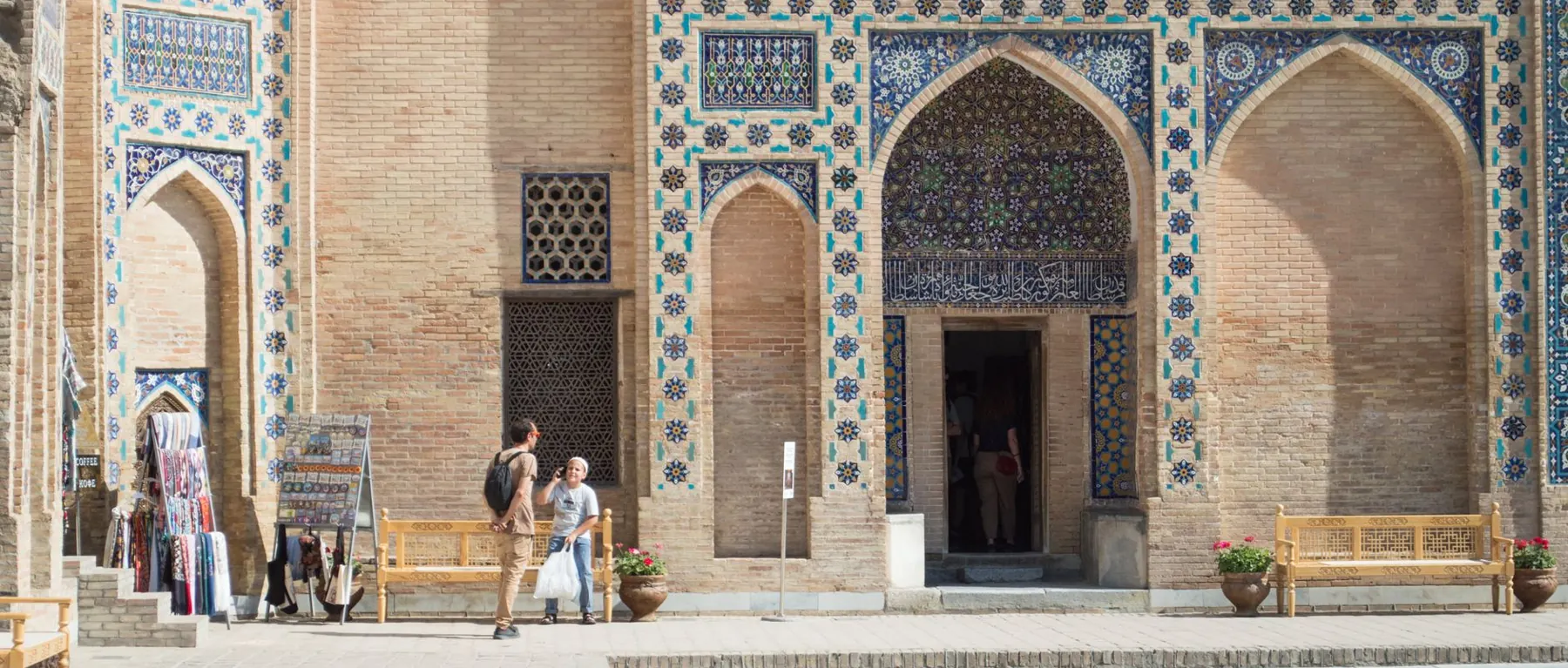
Look closely at Ulugbek’s portal
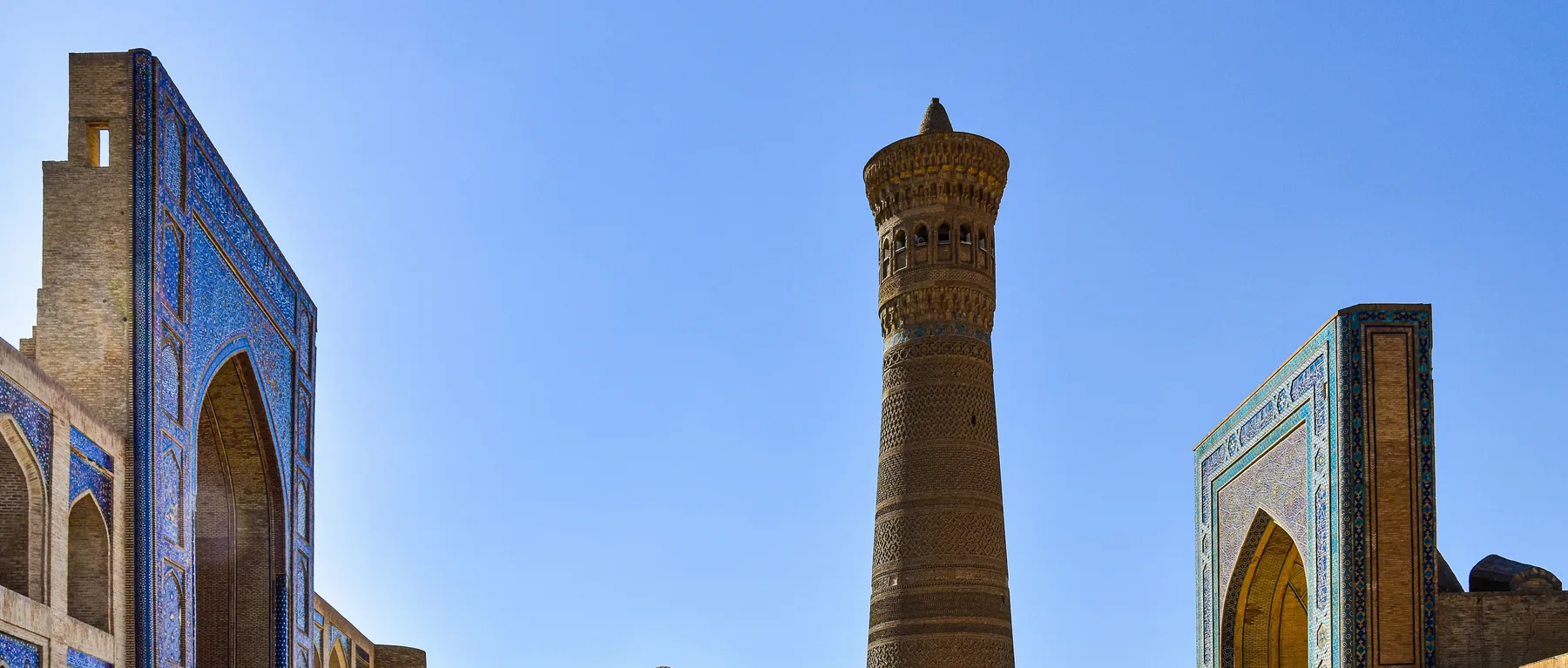
The Bukhara madrasah dates to 1417 and is associated with Ulugbek’s educational patronage. Look for the balance of the entrance arch, flanking towers and repeated geometric tile patterns. Take a second look from farther back after examining the details close up.
The museum reserve lists a calligraphy exhibition within the building. If that interests you, ask whether it is open and which rooms the admission covers. Do not assume every former student cell is accessible, or that the interior is included with a ticket bought elsewhere.
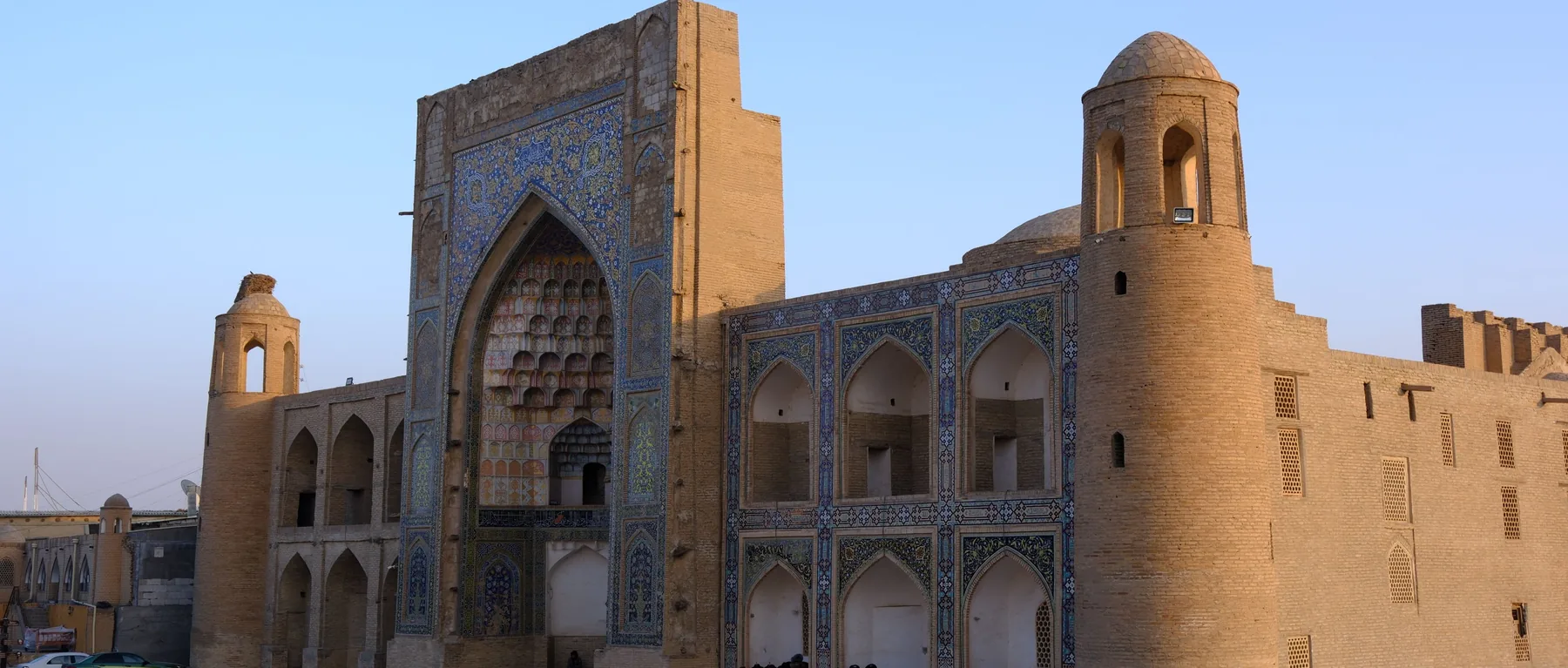
Cross to Abdulaziz Khan’s decoration
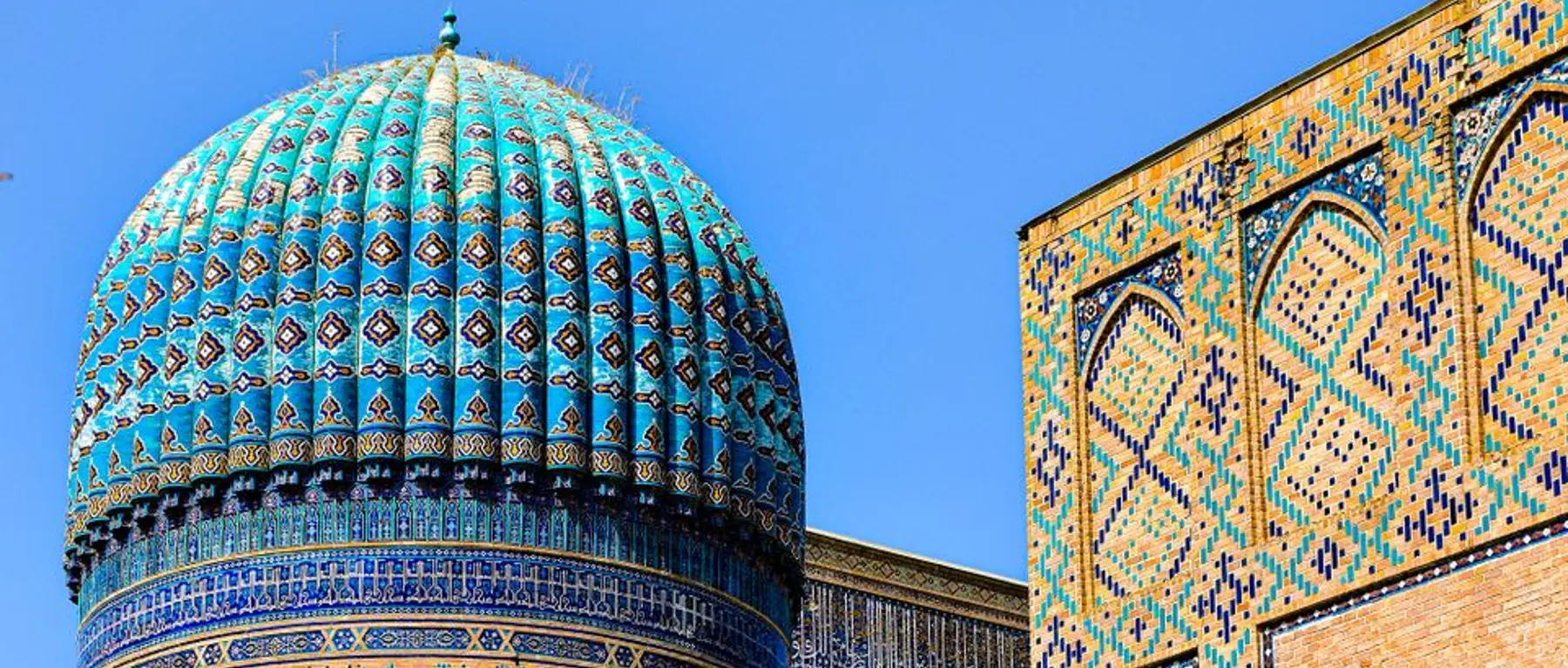
The facing Abdulaziz Khan Madrasah dates to 1652. Its richer decoration makes it useful to compare with Ulugbek’s earlier facade: study the entrance recess, colours and ornamental surfaces rather than trying to absorb every detail in one glance.
National tourism information recounts legends about the decoration; treat those as stories rather than a guaranteed checklist of features you will find open inside. Ask which decorated rooms and displays are accessible that day, and buy separate admission if you decide to enter. An exterior comparison is worthwhile on its own.
Add Toqi Zargaron, then choose your direction
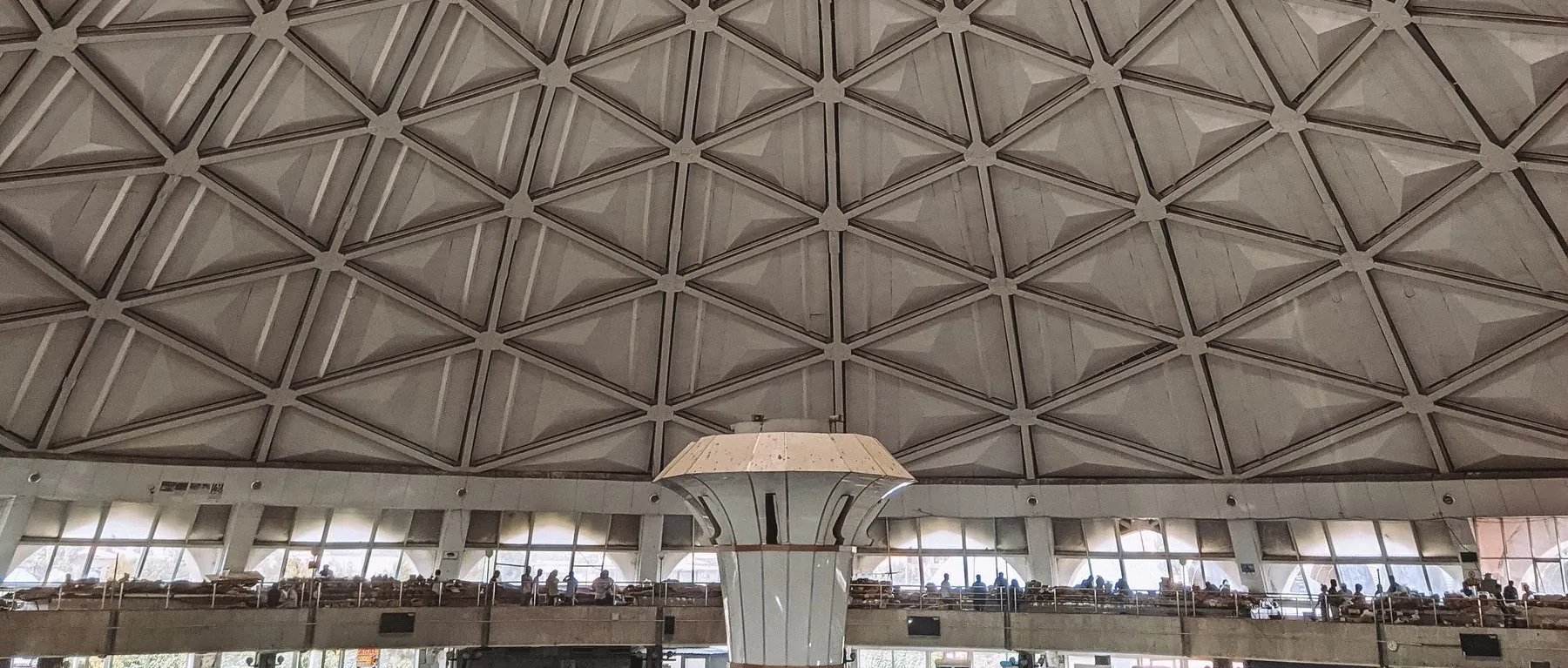
Continue to Toqi Zargaron to see how the trading dome gathers the adjoining lanes. The covered junction changes the feel of the outing after the two grand portals. Browse at your own pace, asking about materials and origin rather than assuming every textile or piece of jewellery was made locally.
From here, Poi Kalyan is a useful extension if you want another major architectural group. For a gentler finish, return along the trading streets towards Lyabi-Hauz and Ayvan. The merchant-house restaurant makes a pleasant change of setting; reserve ahead if the meal is central to your plan and ask about current lunch options.
Keep admission and weather flexible
The museum reserve’s published schedule showed overlapping seasonal and weekday hours when checked on 23 October 2026. Confirm the relevant rooms and admissions directly before setting out. If an interior is unavailable, keep the facade comparison and covered-street walk rather than waiting at a closed door.
Wear comfortable shoes, carry a small bag and dress respectfully for historic religious buildings. A light layer suits cool spring or autumn mornings; a warm coat matters in winter, while summer calls for water, sun protection and a break from exposed squares. This compact outing works well when a full city walk would be too much.
Check before you go
Opening arrangements and visitor rules can change. Check the official information before your trip.