Approach from Registan, or start at the mosque
From Registan Square, follow the pedestrian route towards Bibi-Khanym Mosque, using your map to stay on the intended approach. You can also start directly at the mosque if Registan already has its own day. Leave room for a rest rather than treating the link as a race between ticket offices.
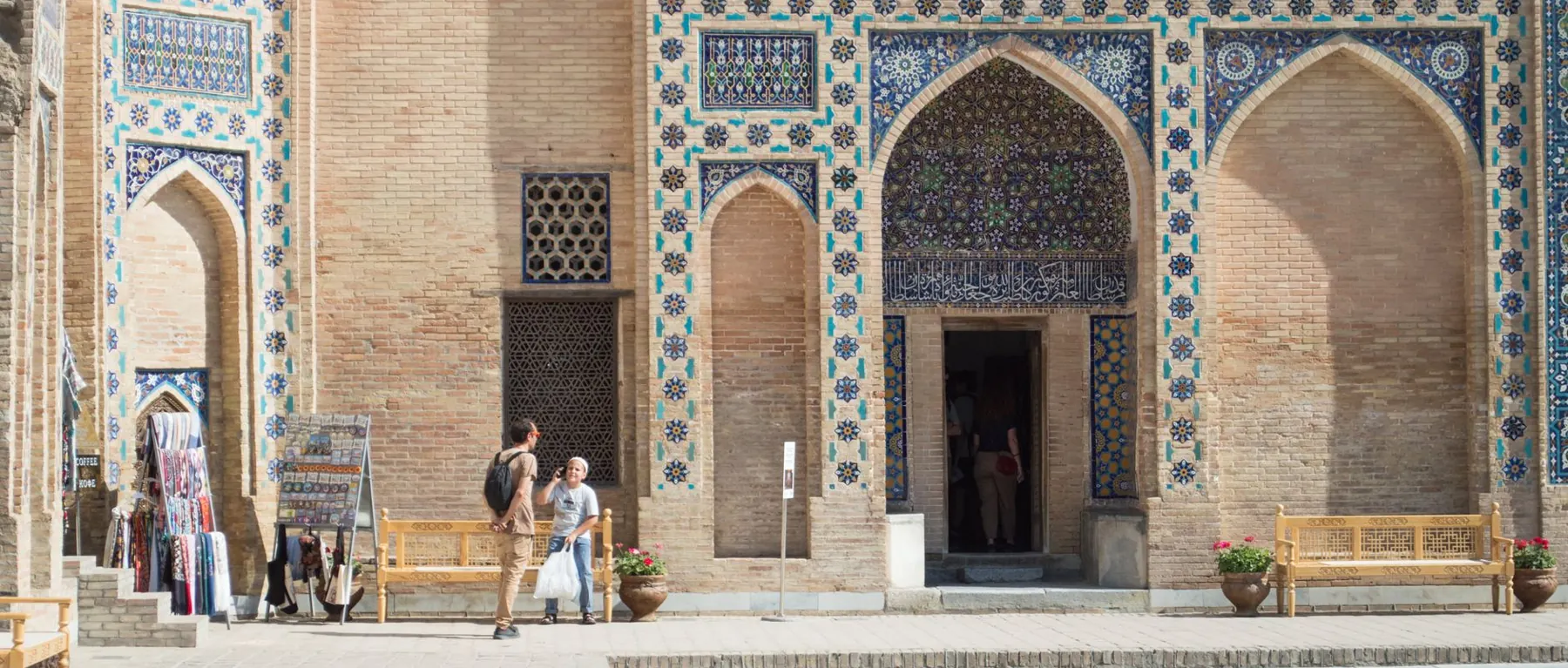
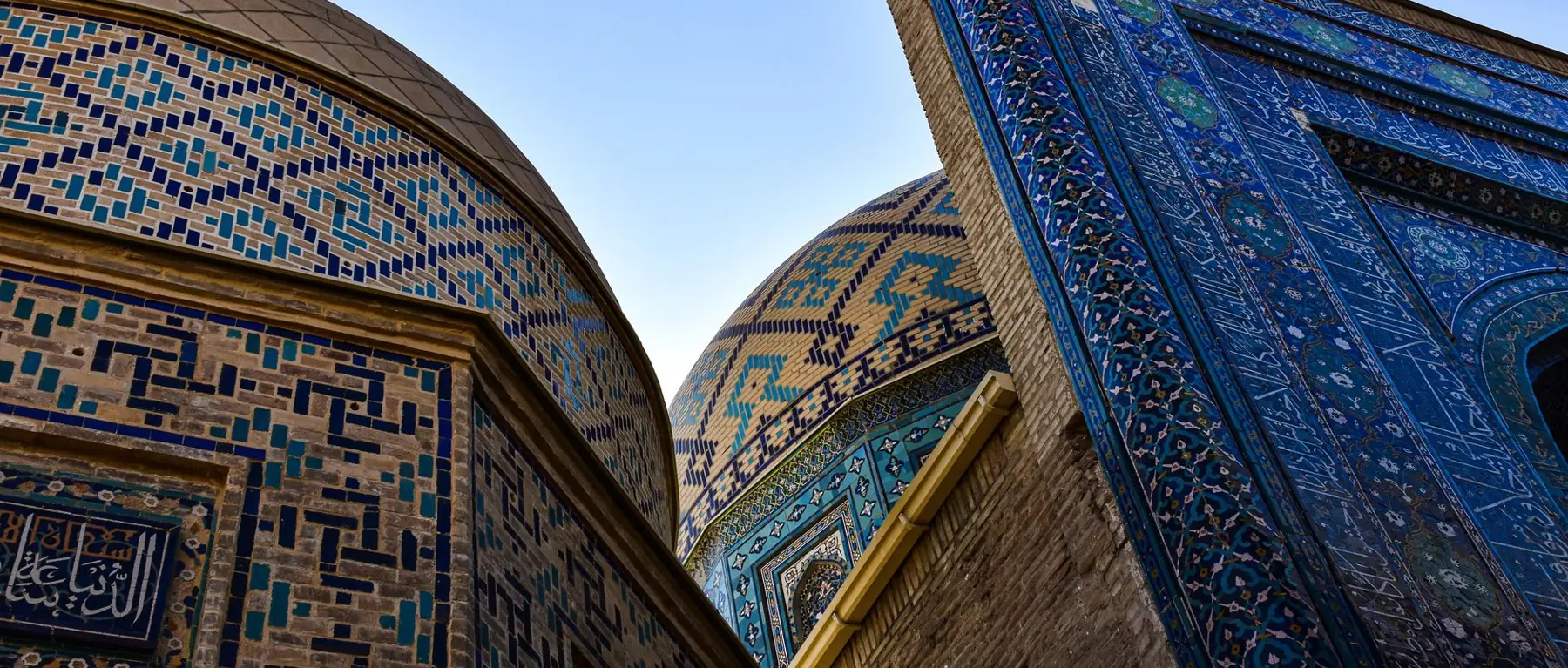
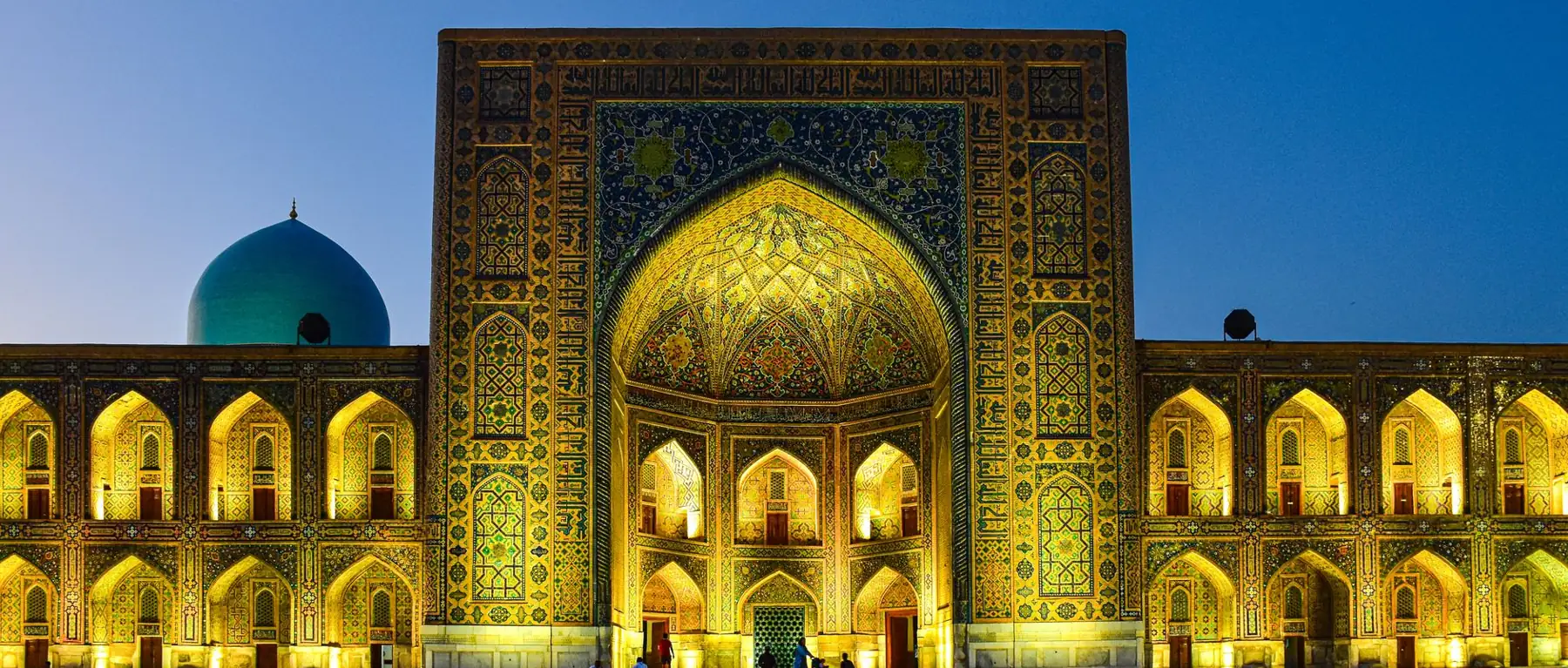
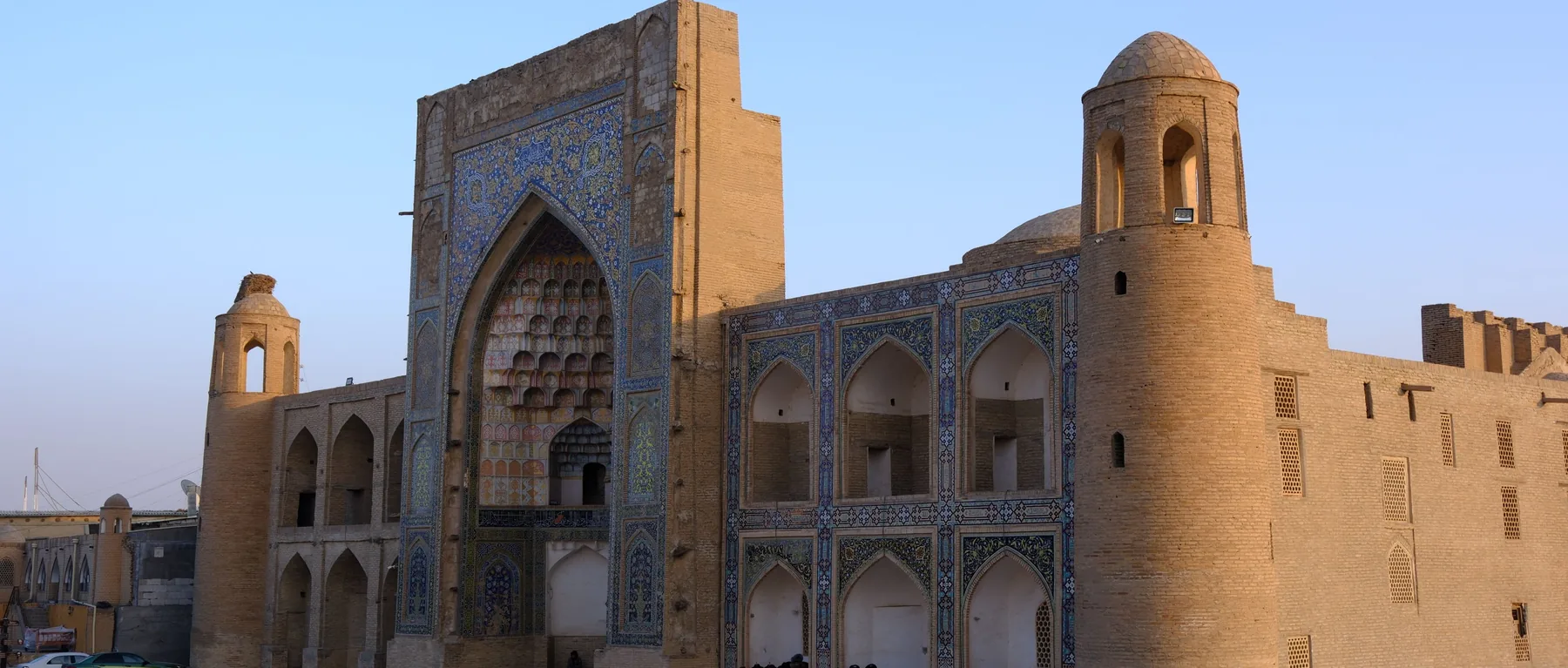
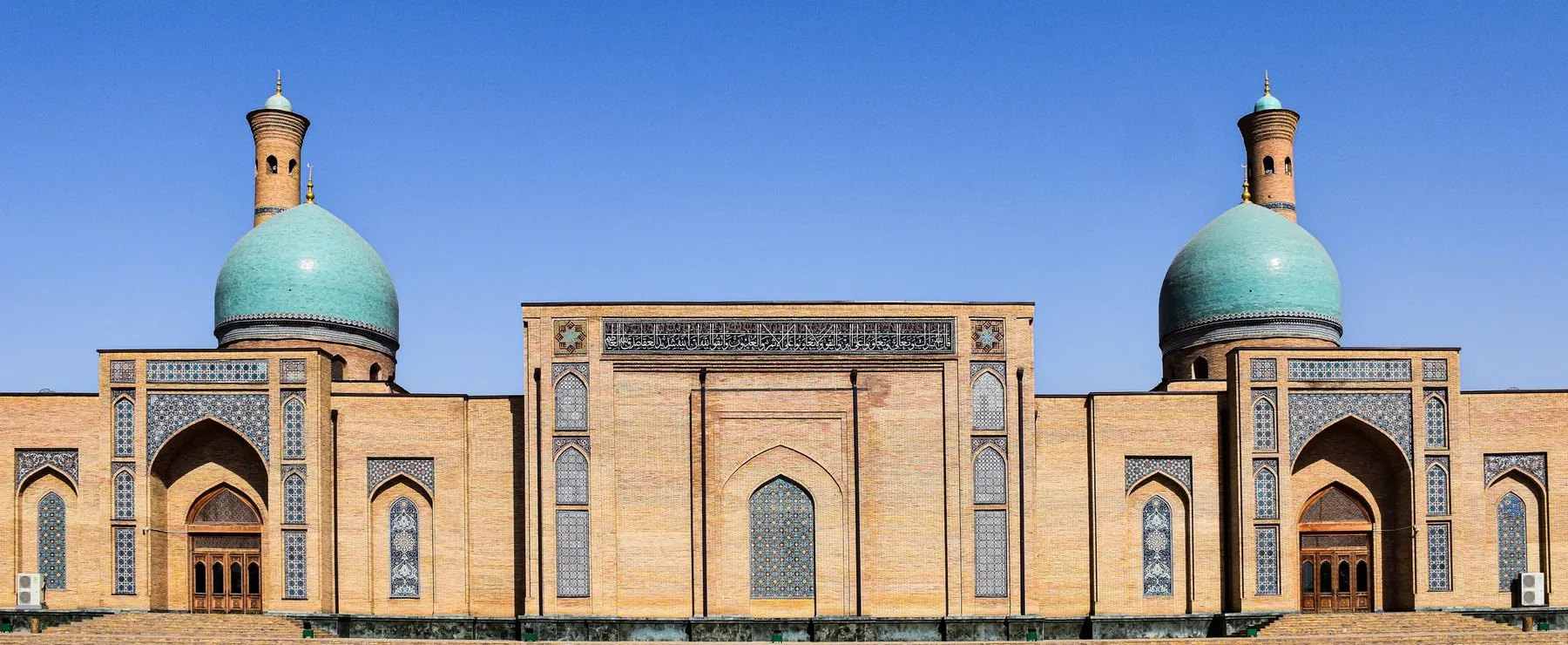
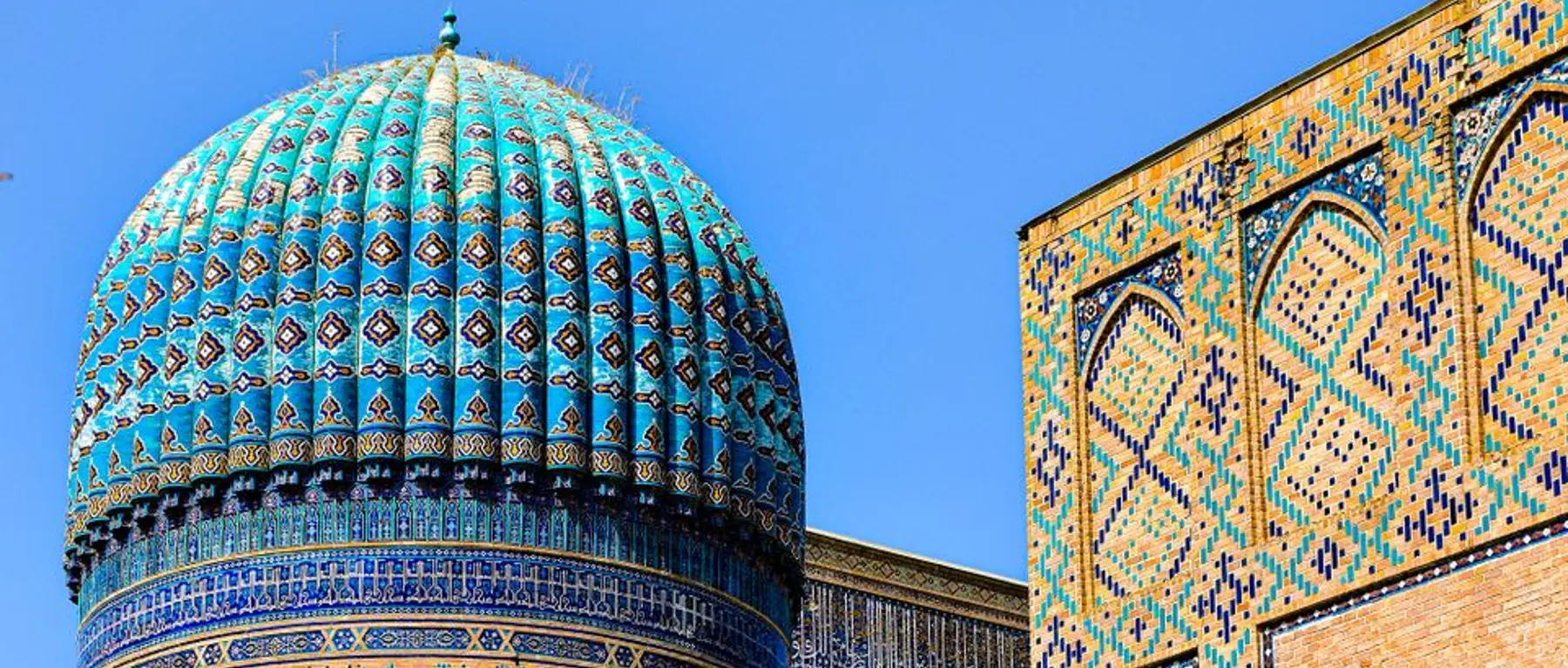
The mosque’s scale is the point: look at the entrance portal, the main domed structure and the relationship between them. Follow the areas opened to visitors and respect any barriers; restored architecture and restricted sections can sit side by side.
Mobile data for your trip. Check what your current plan includes for roaming. If you need another option for maps, messages and booking details, compare NXTL eSIM coverage and rates. Check that your phone supports eSIM and is unlocked, and check coverage for every stop. Download important maps and confirmations for offline use too.
Keep history and legend separate
Bibi-Khanym was commissioned in the era of Amir Timur. Its name is associated with Saray Mulk Khanym, and stories about the queen and architect are part of the monument’s visitor lore. Enjoy a guide’s storytelling while distinguishing a legend from documented construction history.
The [official tourism description](https://uzbekistan.travel/en/o/bibi-khanym/) explains the portal, main mosque and smaller structures. Check admission locally and do not assume a mosque visit includes the separate mausoleum or any other monument with a similar name.
Make Siyob your food stop
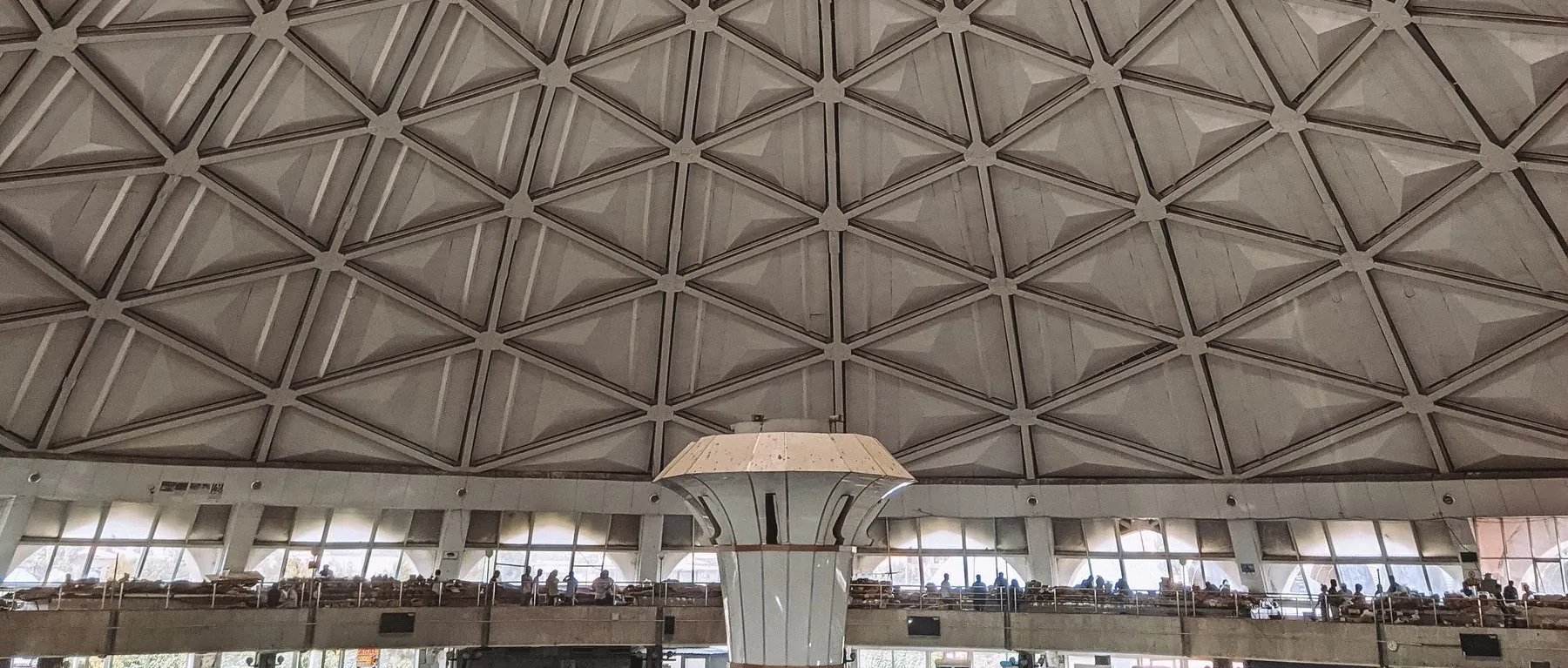
Walk to neighbouring Siyob Bazaar. We recommend looking for Samarkand non, halva and dried fruit because these are specific products documented in the city’s tourism guidance and local guide routes. Bread makes a simple snack; sweets and dried fruit are useful to compare in small purchases.
Ask the seller to explain the ingredients, agree the quantity and price before buying, and ask before tasting or photographing a stall. A market is a working shopping place, so keep the main passages clear and your bag close. Choose food that suits your dietary needs and avoid treating every offered sample as a meal.
A guided version, with clear limits
If you want help interpreting the buildings and choosing market products, a broader city walk can replace this independent outing. It also visits Gur-e-Amir, Registan and Shah-i-Zinda, so it needs more energy and time than this two-stop plan.
Keep a proper meal or rest afterwards. Tea and tastings are not a promise of a full lunch, and neither a guide booking nor market shopping automatically includes the monument tickets.
Choose what comes next
For a longer day, continue by a mapped walk or separate transfer to Shah-i-Zinda, allowing for its steps and another admission. For a shorter day, finish at the bazaar and return to your accommodation. Avoid starting the climb simply because it is the next sight on a list.
Pack supportive shoes, a small secure bag and drinking water. Add sun coverage in summer, a rain shell in spring or autumn, and a warm outer layer in winter. Clothing covering shoulders and knees works across the religious stops.
Check before you go
Opening arrangements and visitor rules can change. Check the official information before your trip.
- Uzbekistan Tourism — Samarkand sights, food and visitor guidance
- Registan Directorate — visitor information and official tickets
- Uzbekistan Tourism — Shakhi-Zinda memorial ensemble
- Uzbekistan Tourism — Bibi-Khanym Mosque
- Visit Samarkand — Silk Road Travel Academy local guide routes
- Samarkand Museum Reserve — Ulugbek Observatory