Arrive ready for the steps
Navigate to Shah-i-Zinda and check the open visitor entrance before starting. The route includes steps and confined passages, which may be tiring or slippery in bad weather. Ask about access before buying admission if stairs or standing for long periods are difficult.
Bring grippy shoes and a small bag. In summer arrive prepared for the exposed approach with water and sun protection; in winter keep gloves and a warm outer layer ready for slow stops outdoors.
Mobile data for your trip. Check what your current plan includes for roaming. If you need another option for maps, messages and booking details, compare NXTL eSIM coverage and rates. Check that your phone supports eSIM and is unlocked, and check coverage for every stop. Download important maps and confirmations for offline use too.
Look closely instead of collecting doorways
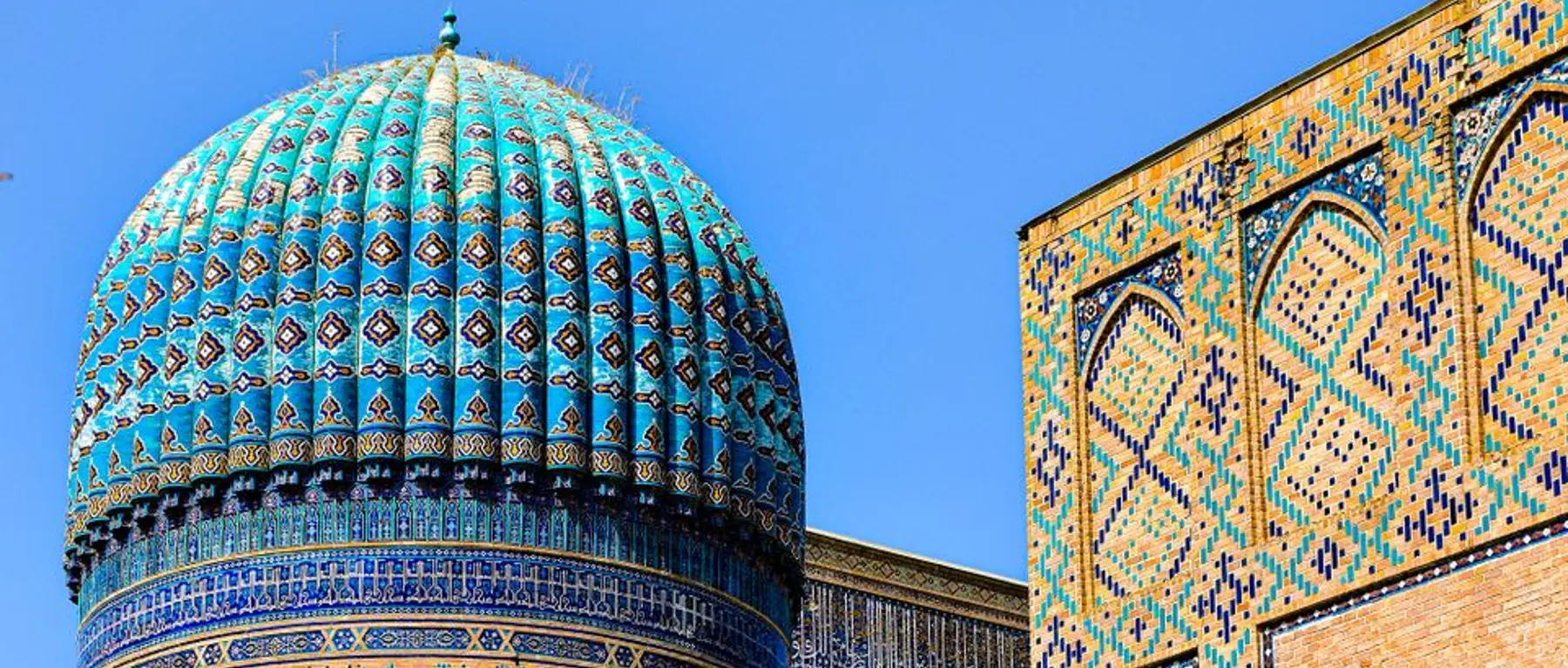
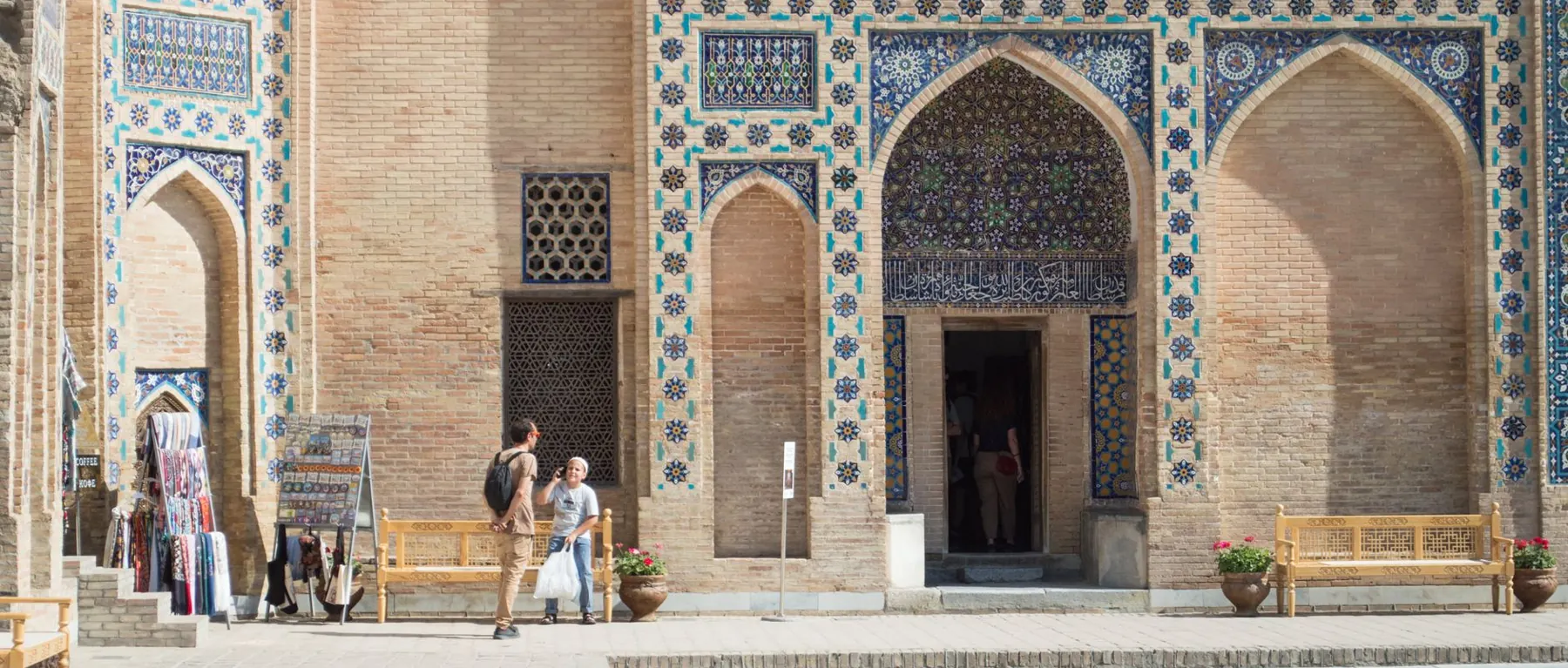
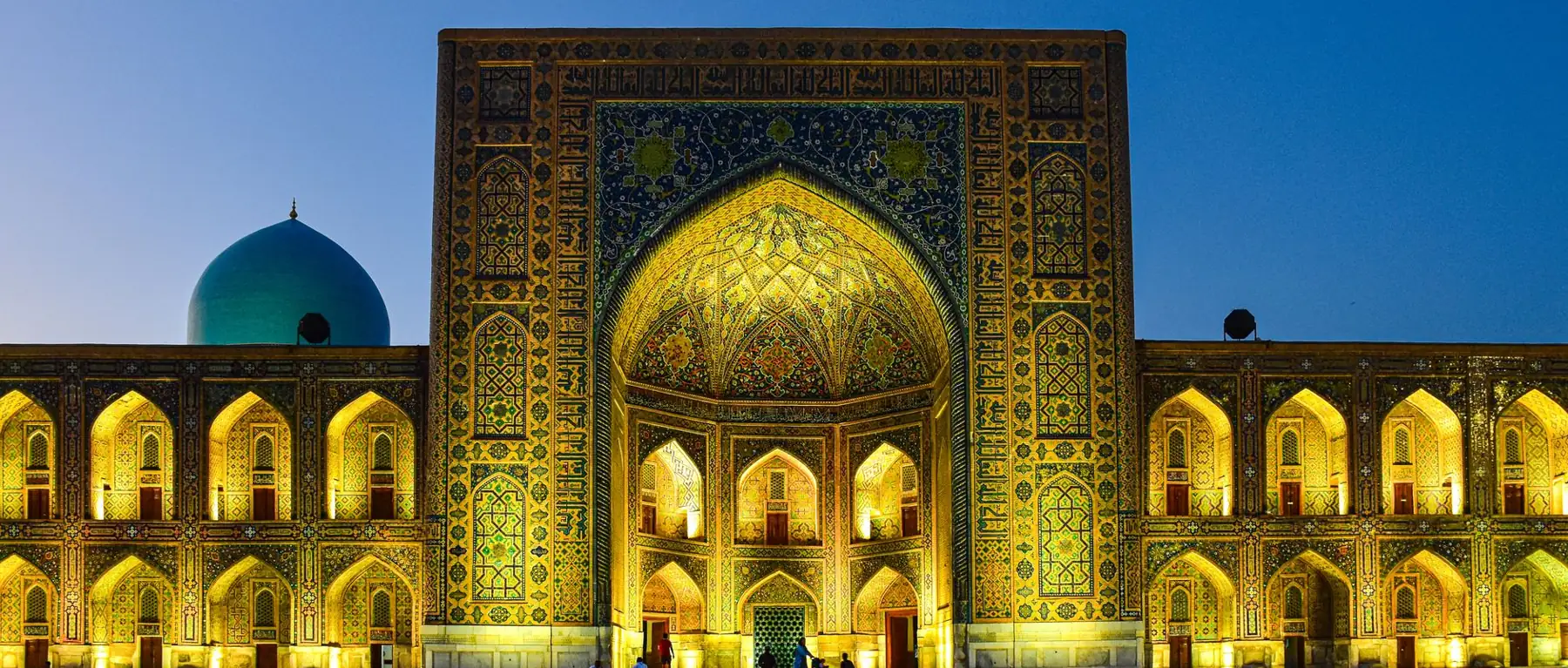
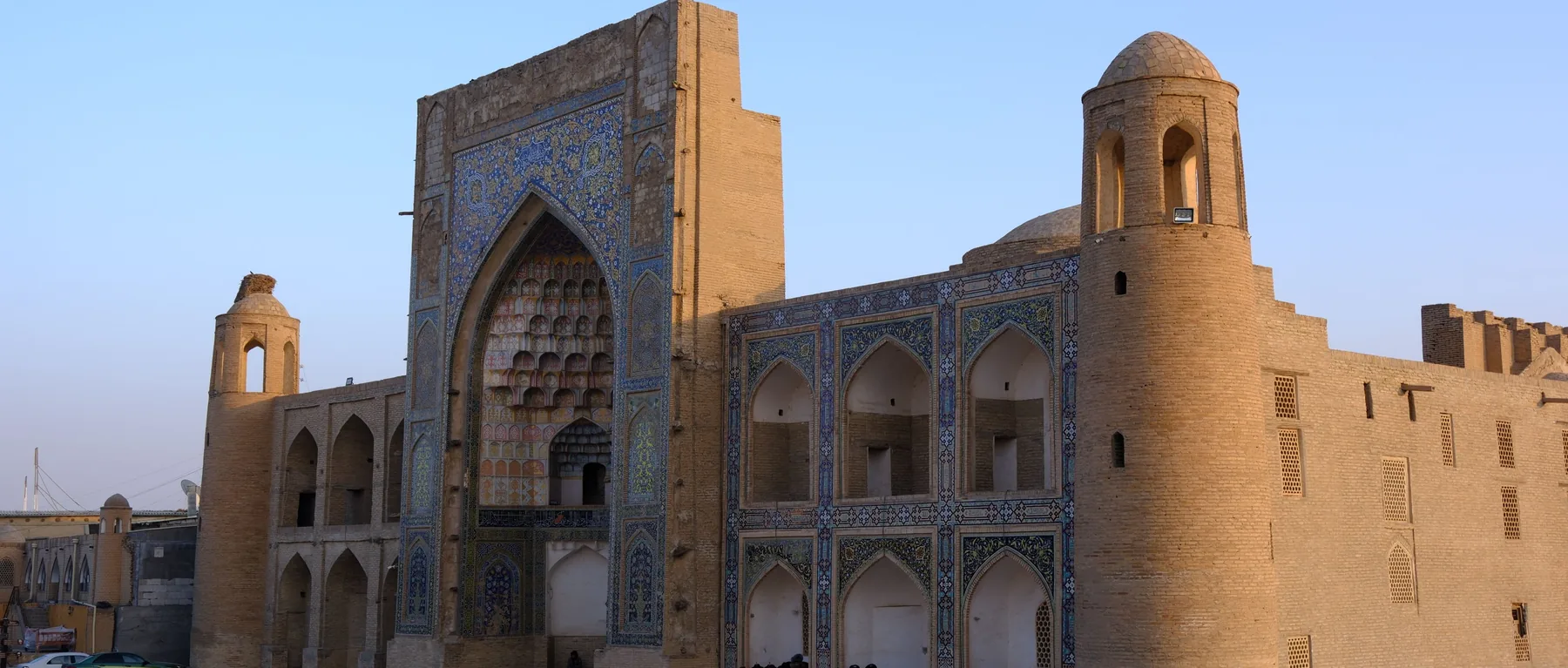
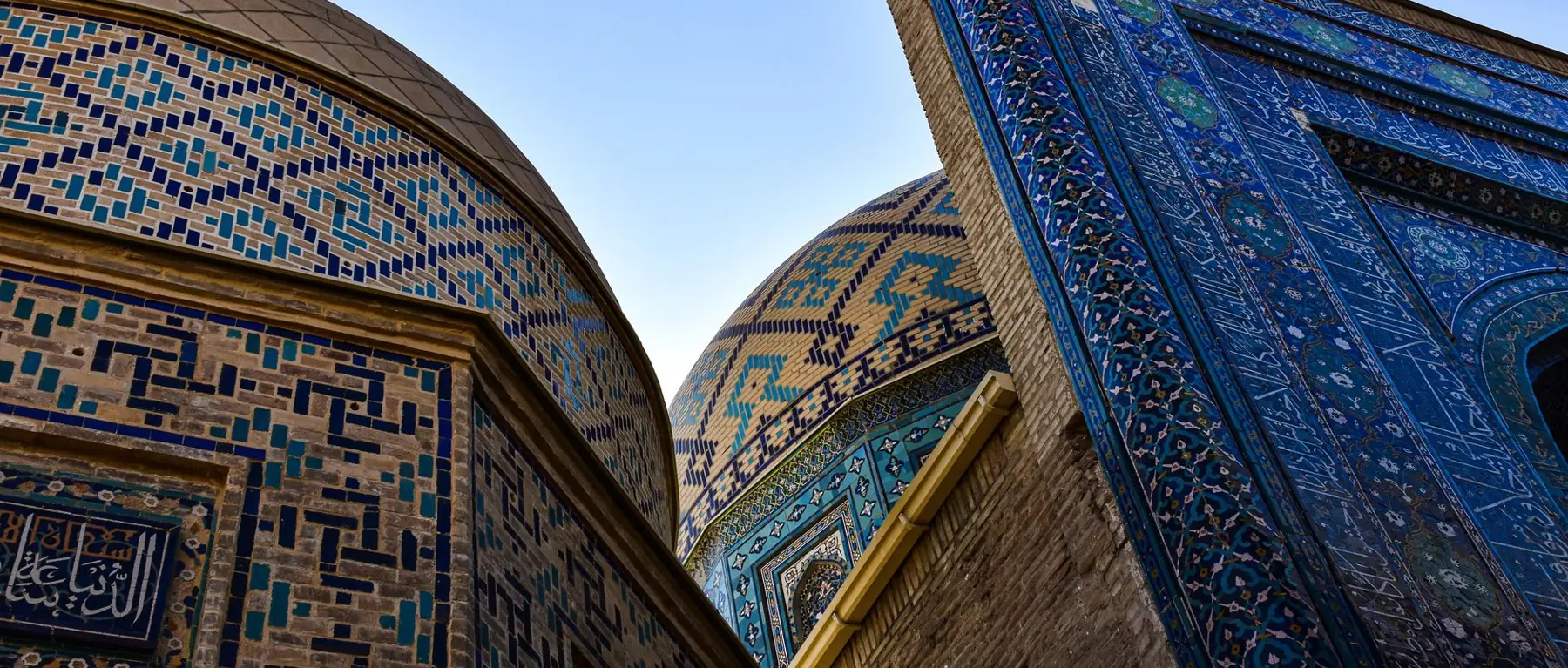
Follow the open visitor route up into the lane of mausoleums. Compare raised ornament, geometric mosaics and bands of calligraphy around successive portals. The pleasure is in seeing how neighbouring surfaces differ, not in getting the same photograph at every doorway.
Pause only where other visitors can pass. Look at the join between a tiled wall, a drum and a dome, then step back to see how the buildings crowd around the lane. Avoid touching fragile decoration or entering a roped-off doorway for a better angle.
Make room for the sacred site
The ensemble is associated with Qusam ibn Abbas and remains important to pilgrims. Cover shoulders and knees, follow current guidance about head coverings and footwear, and keep voices low around prayer and tomb visits. Ask before photographing people.
Architectural interest does not make every room a public gallery. Let staff and worshippers guide your behaviour, and wait if a narrow section is in use. A quieter visit matters more than an uninterrupted photo session.
Pair it with one nearby area
After descending, choose a mapped walk or transfer towards Bibi-Khanym and Siyob Bazaar. We recommend the bazaar for non, dried fruit or halva and a break from looking at monuments. Check ingredients and prices rather than treating tasting as an obligation.
For a shorter outing, finish after Shah-i-Zinda and return to your accommodation. The observatory is a separate journey, and adding it on foot is unnecessary if heat or stairs have already taken their toll.
Check access before setting out
Use [Uzbekistan Tourism’s ensemble information](https://uzbekistan.travel/en/o/the-memorial-ensemble-shahi-zinda/) to understand the site and confirm current visitor arrangements locally. No fixed ticket price or opening-hour promise is needed to enjoy the route.
If weather makes the steps unsafe, choose an indoor museum visit instead and return when conditions improve. Do not make a difficult ascent a required part of your Samarkand day.
Check before you go
Opening arrangements and visitor rules can change. Check the official information before your trip.
- Uzbekistan Tourism — Samarkand sights, food and visitor guidance
- Registan Directorate — visitor information and official tickets
- Uzbekistan Tourism — Shakhi-Zinda memorial ensemble
- Uzbekistan Tourism — Bibi-Khanym Mosque
- Visit Samarkand — Silk Road Travel Academy local guide routes
- Samarkand Museum Reserve — Ulugbek Observatory