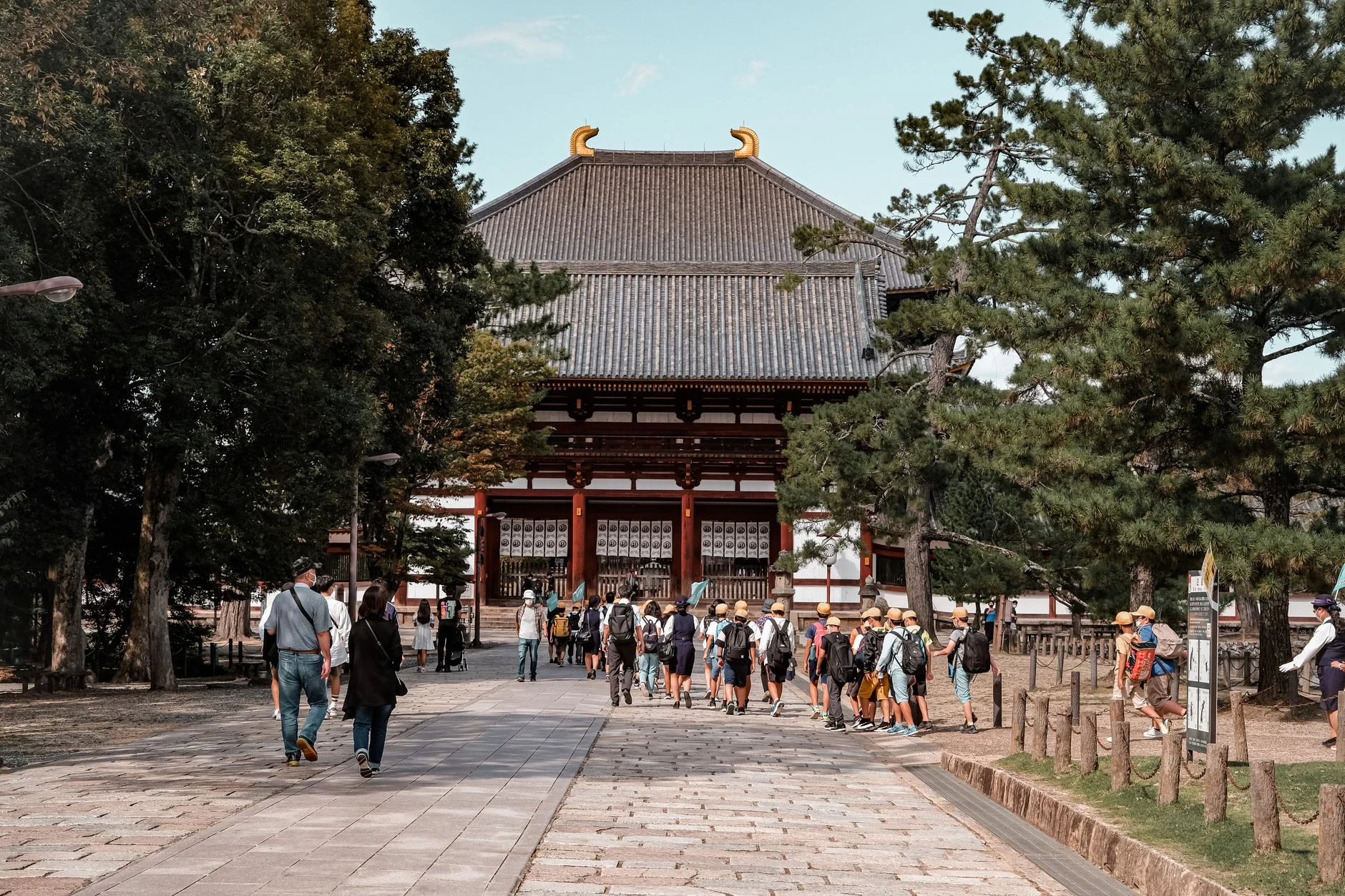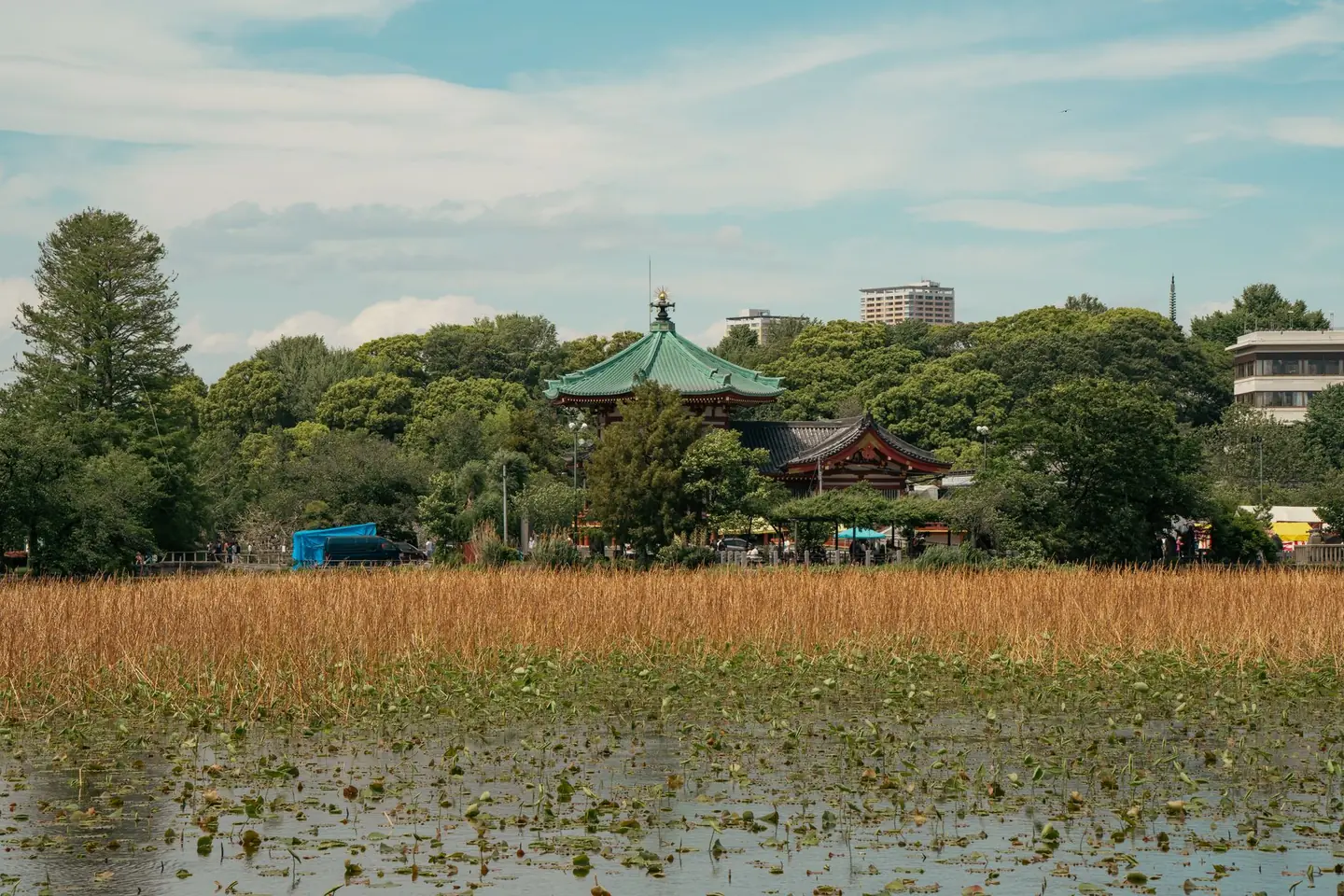
Pick up the garden map first
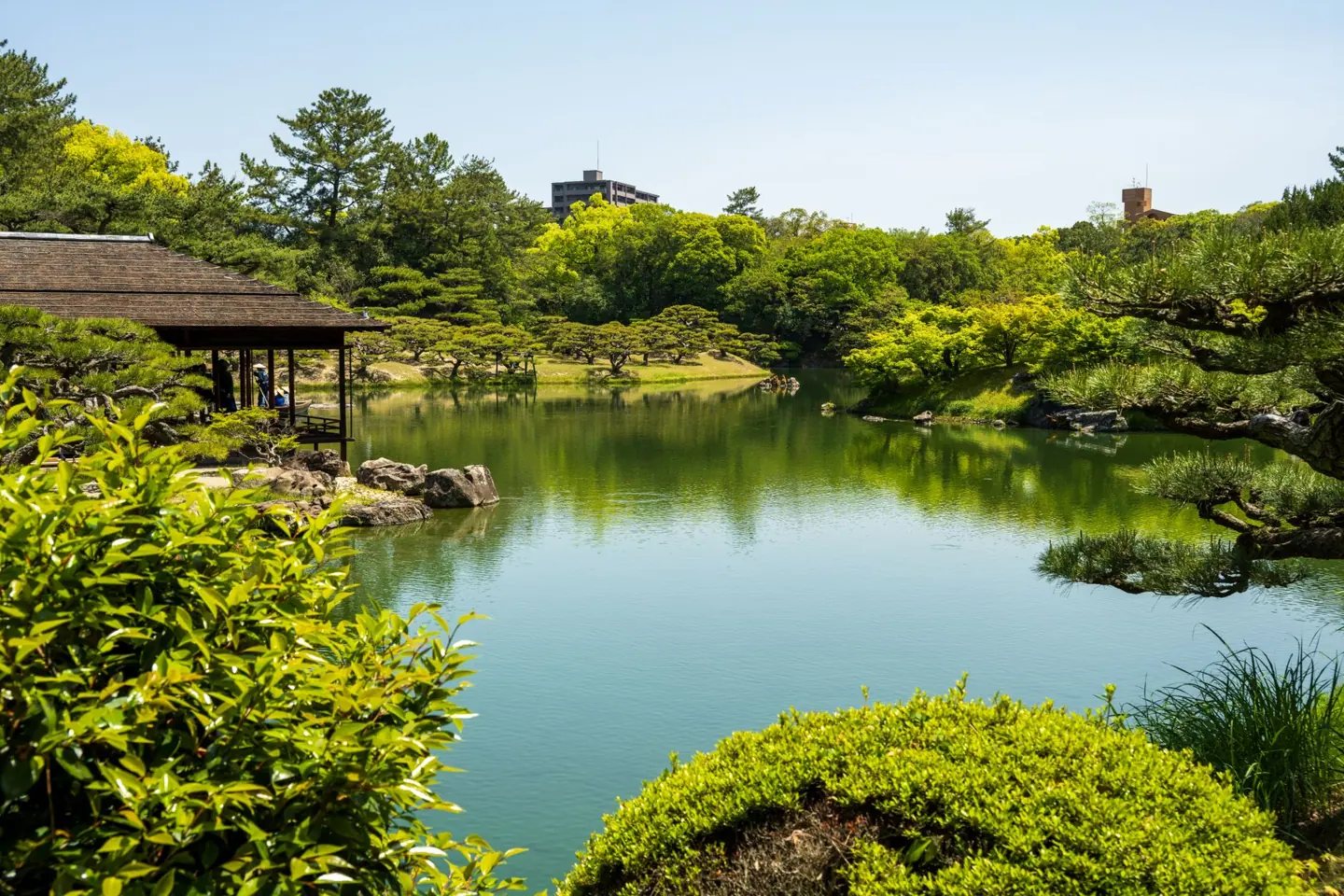
Enter Shukkeien Garden and use the garden’s map to choose a loop around the central pond. The design compresses larger landscapes into a small space: islands, slopes, bridges and waterside buildings change the view as you move. Walk slowly enough to notice how one section hides the next.
Begin with the paths that suit your footing and energy. A complete circuit is optional, and a small bridge is not a challenge you have to complete. Ask staff which paths suit your mobility needs; the fact that the entrance is manageable does not establish that every stone step or narrow crossing will be.
Mobile data for your trip. Check what your current plan includes for roaming. If you need another option for maps, messages and booking details, compare NXTL eSIM coverage and rates. Check that your phone supports eSIM and is unlocked, and check coverage for every stop. Download important maps and confirmations for offline use too.
Look across the pond as well as along the path
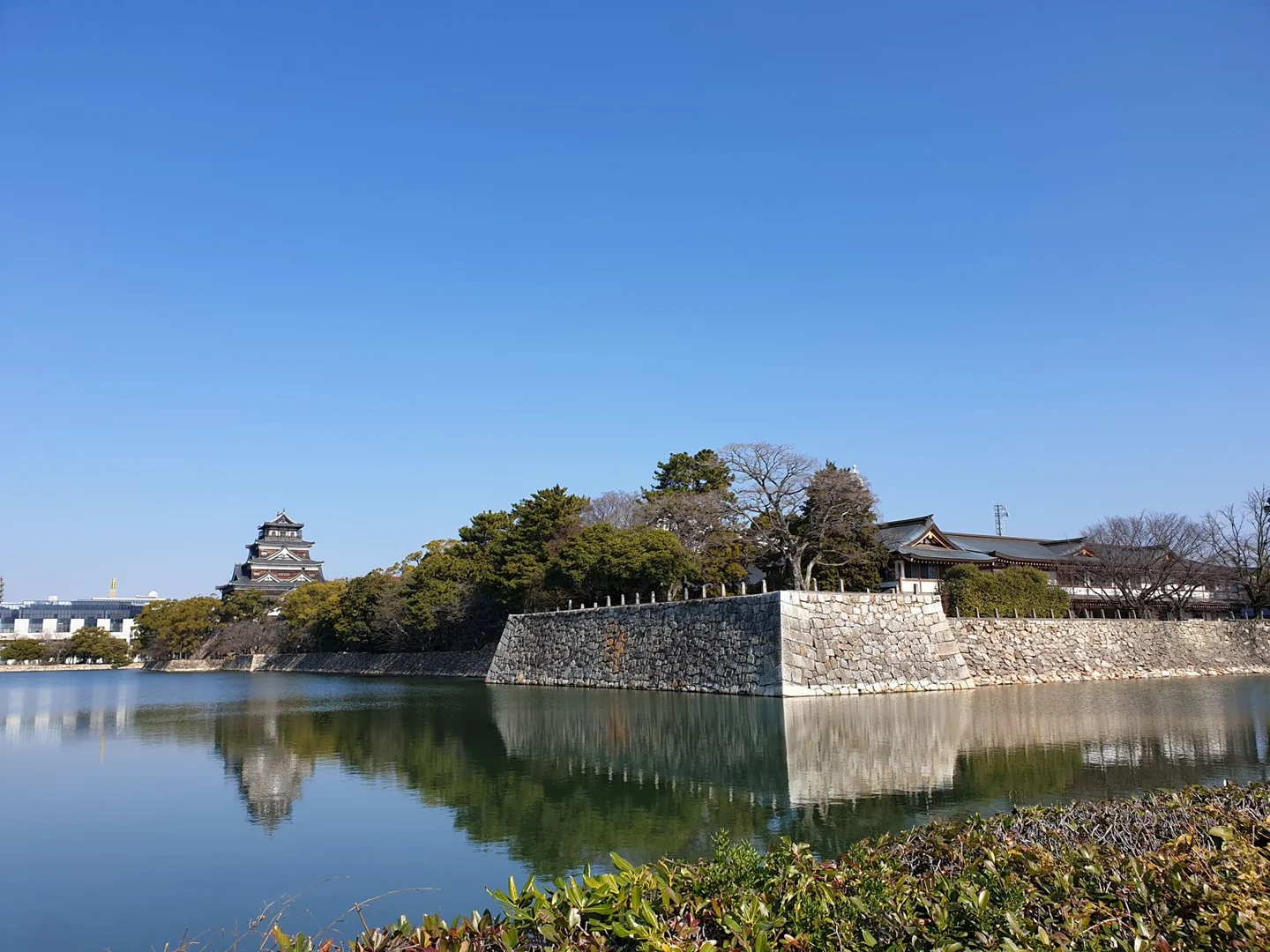
Pause where the pond opens towards its islands and pavilions. Compare the planted slopes and clipped trees with the modern buildings beyond the garden boundary. The contrast helps explain the garden’s setting within Hiroshima rather than requiring you to imagine it as isolated countryside.
Use the map to identify features instead of rushing between photo positions. Keep narrow paths clear and give other visitors room at bridges. Plants, flowers and leaf colour change through the year; plan for the garden’s structure and reflections, with seasonal displays as a possibility rather than a promise for a particular week.
Take a Sensuitei break
We recommend Sensuitei near the entrance for tea or light refreshments when serving. It makes a useful pause after the pond paths without sending you into another district. Check the available menu and service before relying on it as your only meal stop.
A casual refreshment order differs from joining a formal tea ceremony. The garden holds events with their own dates and participation arrangements; ordinary admission does not guarantee a place. If a ceremony matters to you, check that specific event rather than arriving with an expectation based only on the garden’s tea tradition.
Choose the art museum separately
The neighbouring Hiroshima Prefectural Art Museum is a sensible optional extension for visitors who want an indoor cultural stop. Check its current exhibition, closing day and ticket scope first. A garden ticket is not automatically admission to every museum exhibition, and a combination offer should be read for its actual inclusions.
For a shorter outing, finish after the garden and refreshments. If starting from the castle, check the garden’s last admission before setting off. Avoid squeezing a museum queue into the final part of the day simply because the buildings are neighbours; choose the visit that interests you most.
Use the current garden calendar
The operator’s guidance checked on 20 October 2026 lists shorter opening from 16 September to 15 March and closure on 29–31 December. Packtricia will recheck the calendar; always confirm the garden’s notice before travelling. When closed, choose a city-centre walk or another venue whose opening you have checked.
Carry a closable water bottle and follow the garden’s food and drink rules. Use shoes with grip in ordinary rain, keeping umbrellas clear of other visitors. During severe weather, follow official warnings and staff instructions rather than extending the pond circuit for a photograph. A shorter visit can still take in the main waterside views.
Check before you go
Opening arrangements and visitor rules can change. Check the official information before your trip.