Choose the museum calendar before choosing the day
Start by checking Tokyo National Museum’s official calendar. Regular Monday closures have holiday exceptions, and collection galleries differ from separately ticketed special exhibitions. Choose the exhibition you want before fitting a park route around it.
The museum’s visitor FAQ checked on 20 October 2026 announces a closure on 15 December 2026 and limited opening from 22–25 December, when only the Horyuji Treasures Gallery and Kuroda Memorial Hall are scheduled to open. Packtricia will recheck these arrangements; readers should check the venue before travelling. Use the park and a meal as an alternative when the galleries you want are unavailable.
Begin at Shinobazu Pond
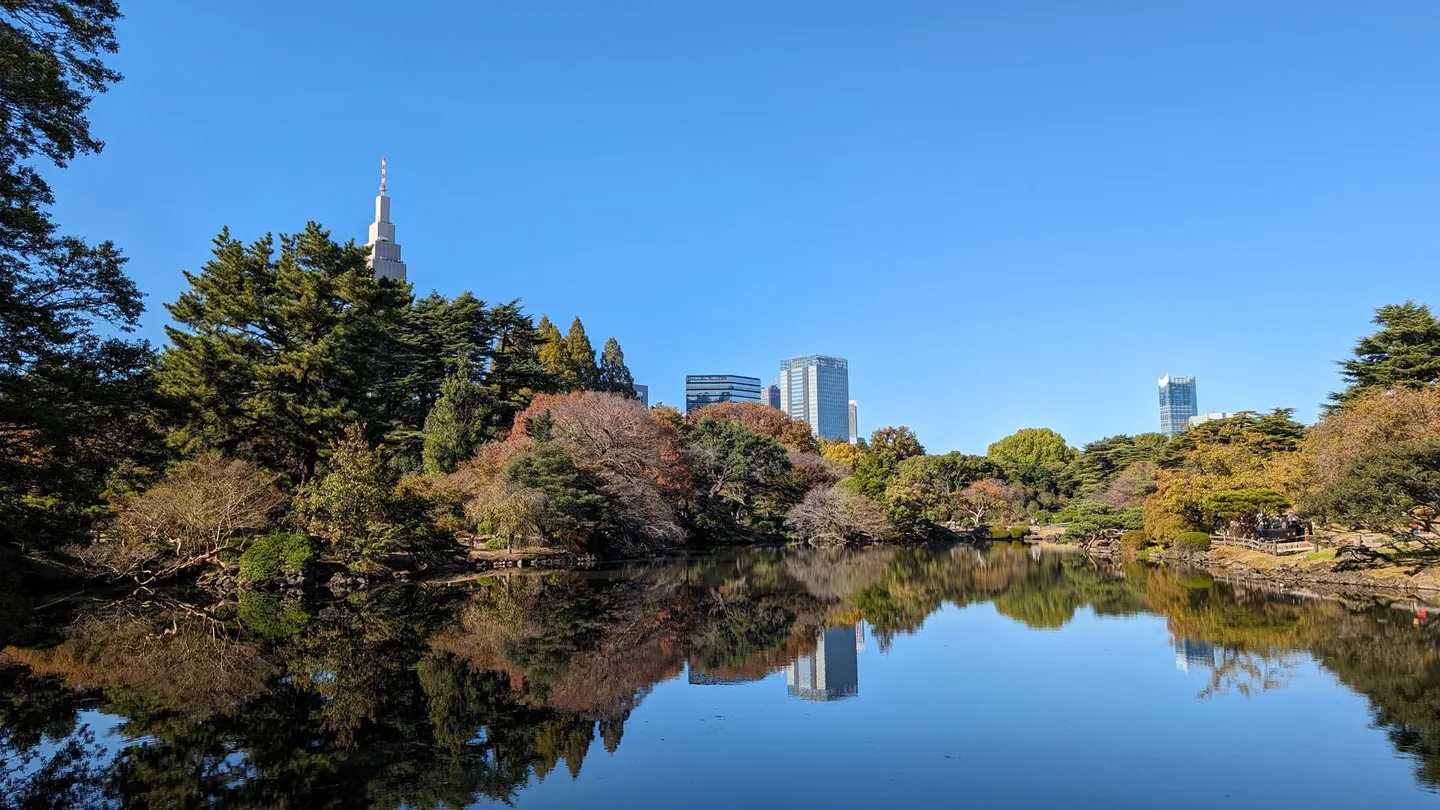
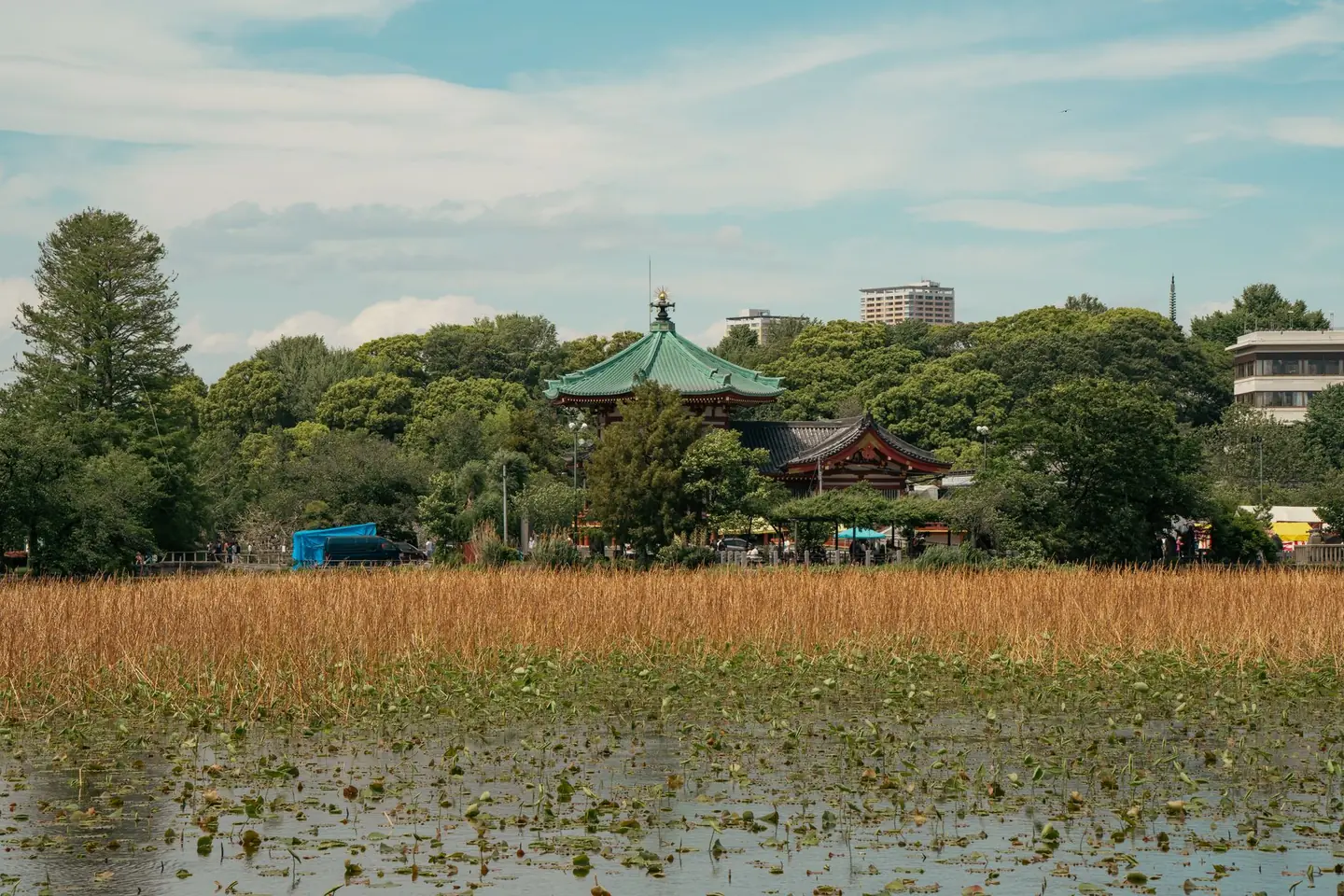
Use Shinobazu Pond as the outdoor anchor. Follow public paths towards Bentendo and look back across the water and lotus areas towards its green roof. Plant growth changes the view through the year; the photograph is not a promise of flowers or open water on your date.
Keep the loop short if the afternoon is for galleries. Boat hire is a separate decision, not part of the museum ticket or a requirement for enjoying the pond. Give religious visitors space near Bentendo and leave narrow paths clear when stopping for photographs.
Mobile data for your trip. Check what your current plan includes for roaming. If you need another option for maps, messages and booking details, compare NXTL eSIM coverage and rates. Check that your phone supports eSIM and is unlocked, and check coverage for every stop. Download important maps and confirmations for offline use too.
Walk through the park towards one museum entrance
Continue through Ueno Park towards the museum side, using its official access map for your final approach. The park contains several museums and religious sites; confirm the name on your ticket rather than joining the first queue you see.
Allow time to orient yourself inside. Choose the Honkan if Japanese art is your main interest, or organise the day around a specific special exhibition. A focused visit leaves more attention for individual works than a rushed attempt to enter every gallery building.
Make lunch a real pause
We recommend Inshotei for a planned sit-down meal within the park. Consider a lunch course featuring seasonal vegetables and soybean preparations, checking the menu and reservation conditions directly. Its park location keeps this outing together without another rail trip.
The restaurant explicitly says its menu has no vegetarian courses; ask about alternatives and ingredients rather than treating a vegetable-focused description as a dietary guarantee. Reserve the course you want and read cancellation terms. If the meal would take too much of your gallery time, eat more simply and retain the museum as the main event.
Keep an independent shopping extension optional
If you still have energy, head towards Ameyoko after the park. Browse a short section of the market streets and stop when the crowds or weather make it tiring. There is no need to add another museum or a cross-city evening plan.
For ordinary rain, put the confirmed gallery visit first and reduce the pond stage. On a museum closure day, the outdoor route is an alternative, not an equivalent replacement for a particular exhibition. Save the art visit for another date if that was your reason for coming.
Pack for paths and galleries
Use comfortable shoes, a small umbrella and a bag that is easy to manage indoors. Keep a removable layer for the change between walking and galleries. Follow exhibit-specific photography signs and staff guidance.
Save your admission confirmation, restaurant booking and the station you plan to use. Tokyo Metro, JR and Keisei all serve the broader Ueno area with different entrances and ticket coverage; choose the route for your accommodation rather than following the nearest railway sign.
Check before you go
Opening arrangements and visitor rules can change. Check the official information before your trip.