Start with the canal at Ebisubashi
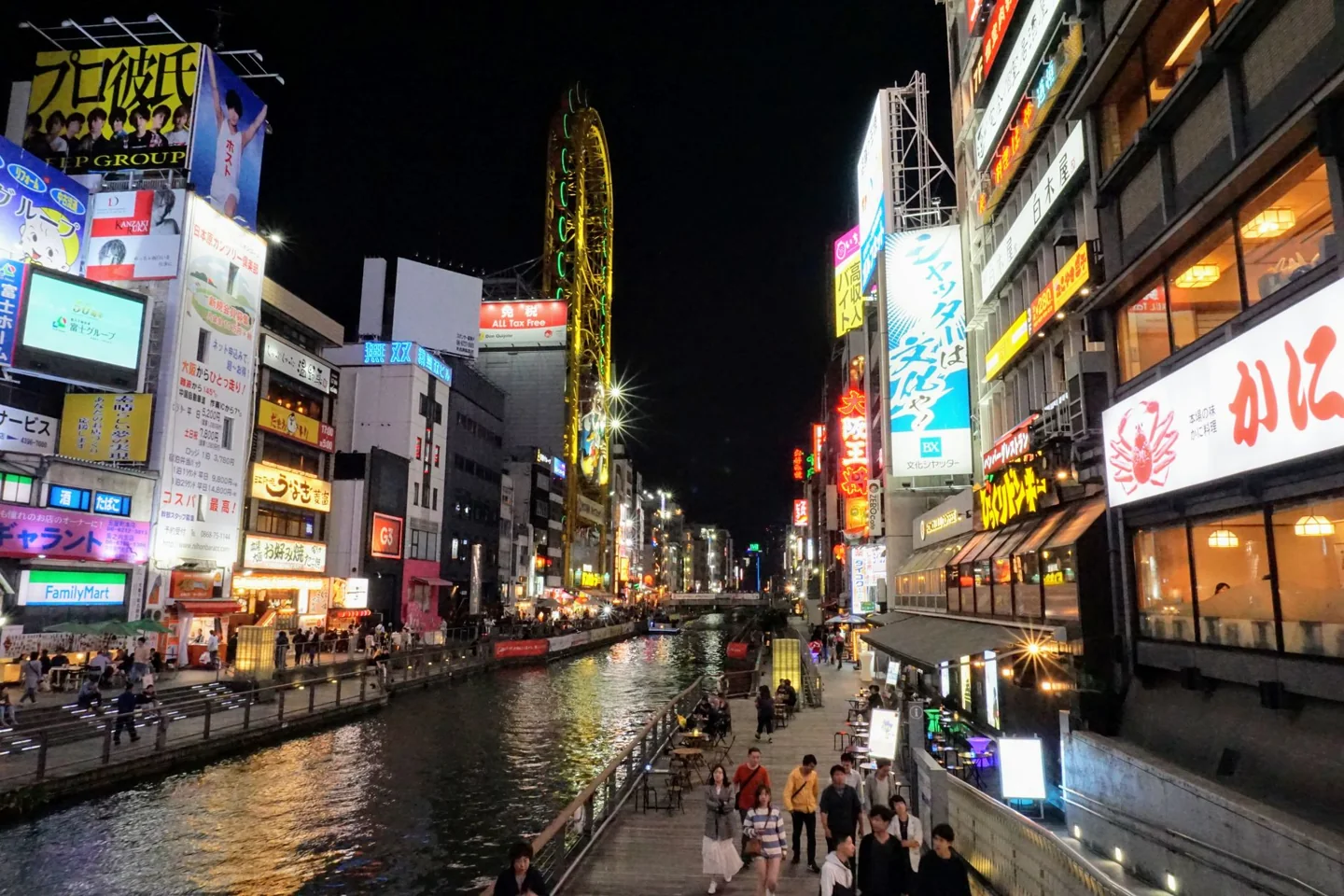
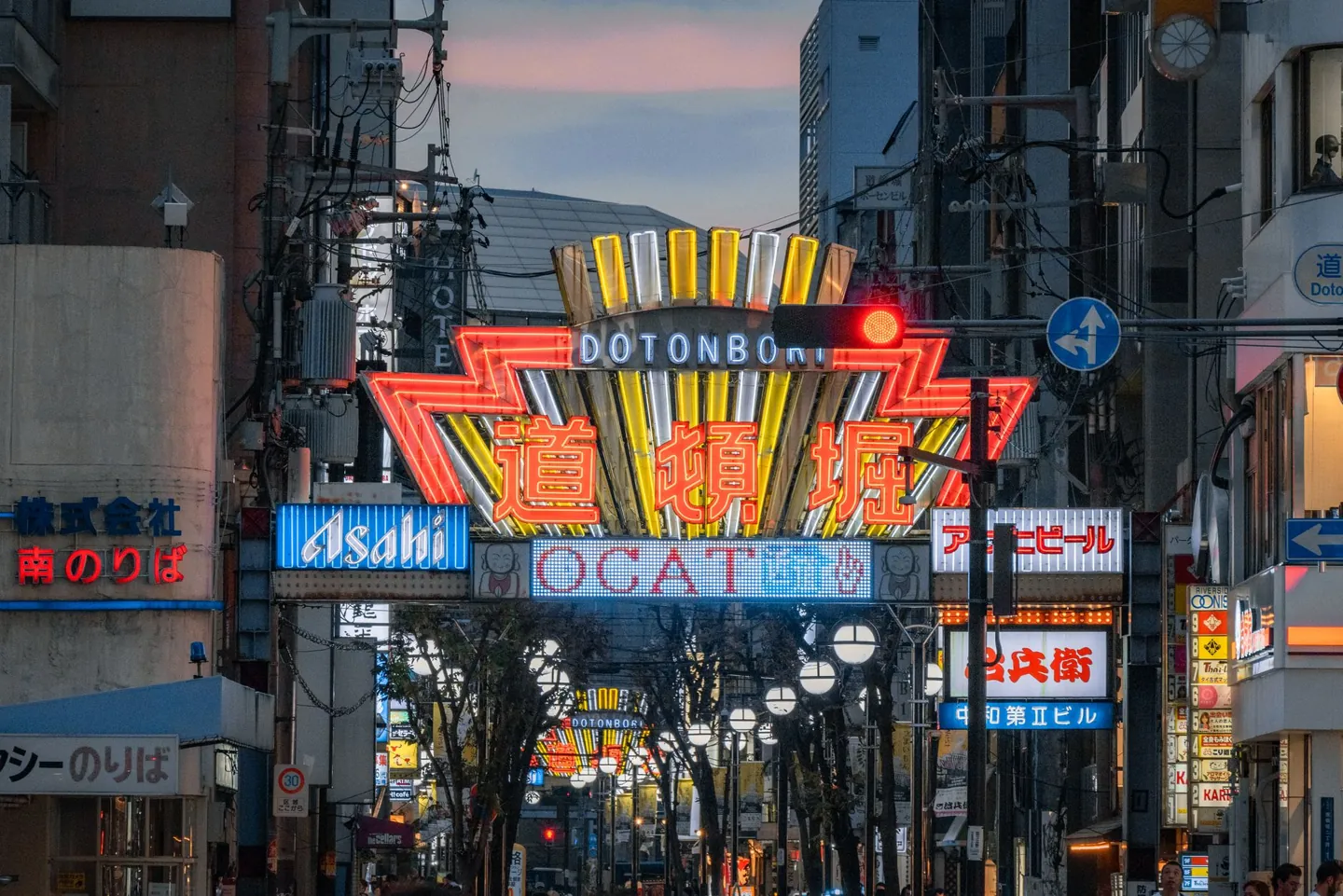
Begin at Ebisubashi Bridge for a first look along Dotonbori’s canal and at the large advertising signs. Let people cross before pausing for photographs and step away from the bridge’s busiest flow to check the next stage. This is a working shopping and entertainment district, so keep entrances and crossings open.
Use an available section of Tombori Riverwalk for a different view from below street level. You can enjoy the canal on foot without buying a cruise. If a boat is important to you, check its separate boarding location, sailing arrangements and cancellation rules rather than assuming a ticket covers any departure you see.
Mobile data for your trip. Check what your current plan includes for roaming. If you need another option for maps, messages and booking details, compare NXTL eSIM coverage and rates. Check that your phone supports eSIM and is unlocked, and check coverage for every stop. Download important maps and confirmations for offline use too.
Look at the signs, then turn towards Hozenji
Return to the street to notice Dotonbori’s giant crab, food signs and theatre frontage. Choose a few anchors rather than trying to photograph every storefront. Restaurants and entertainment venues run their own schedules; a lively street does not mean every kitchen is serving or a performance has seats available.
Continue towards Hozenji Yokocho and the small temple precinct. The stone-paved alleys offer a different scale from the canal frontage. Look for the lanterns and moss-covered Fudo figure, give worshippers room and follow the temple’s own instructions. A short pause here should not block the approach to a shrine or restaurant.
Make Mizuno the meal stop
We recommend Mizuno for a proper seated okonomiyaki meal in the same district. Its menu includes yam-based yamaimoyaki as well as other styles. Check what is available that day and ask about the batter, toppings and sauces if you have dietary restrictions.
An apparently vegetable-focused order is not proof of a vegetarian or gluten-free preparation. Explain the requirement directly and choose another meal if the kitchen cannot confirm it. Leave room for a queue and avoid committing to a performance or last boat immediately after an uncertain restaurant wait.
Keep browsing optional
After eating, choose a short return to the canal or an extension into Shinsaibashi-suji’s shopping arcade. Treat the extra browsing as optional, especially after a long arrival day. Shops, restaurants and the covered walkway are different things; shelter under an arcade does not promise late opening or a place to sit.
For a quieter pace, finish at Hozenji and head back to the station instead. Save the exact Namba entrance and railway operator you need. Osaka Metro, Nankai and Kintetsu services do not share one interchangeable ticket, and a sign for the nearest platform may lead away from your intended train.
Adapt the walk to rain and evening temperatures
Wet stone can be slippery around the alleys. Wear comfortable shoes with grip and carry an umbrella small enough to manage around other people. Keep a layer for the canal after dark in cooler months; summer nights can remain warm enough to need water and regular indoor breaks.
In steady rain, shorten the canal section and prioritise a meal whose service you have checked. During severe-weather warnings, follow official advice and transport notices. Do not continue towards the water simply to complete the route. Keep your phone charged so a changed plan does not leave you without the return journey.
Check before you go
Opening arrangements and visitor rules can change. Check the official information before your trip.