Day one morning: Asakusa without a cross-city rush
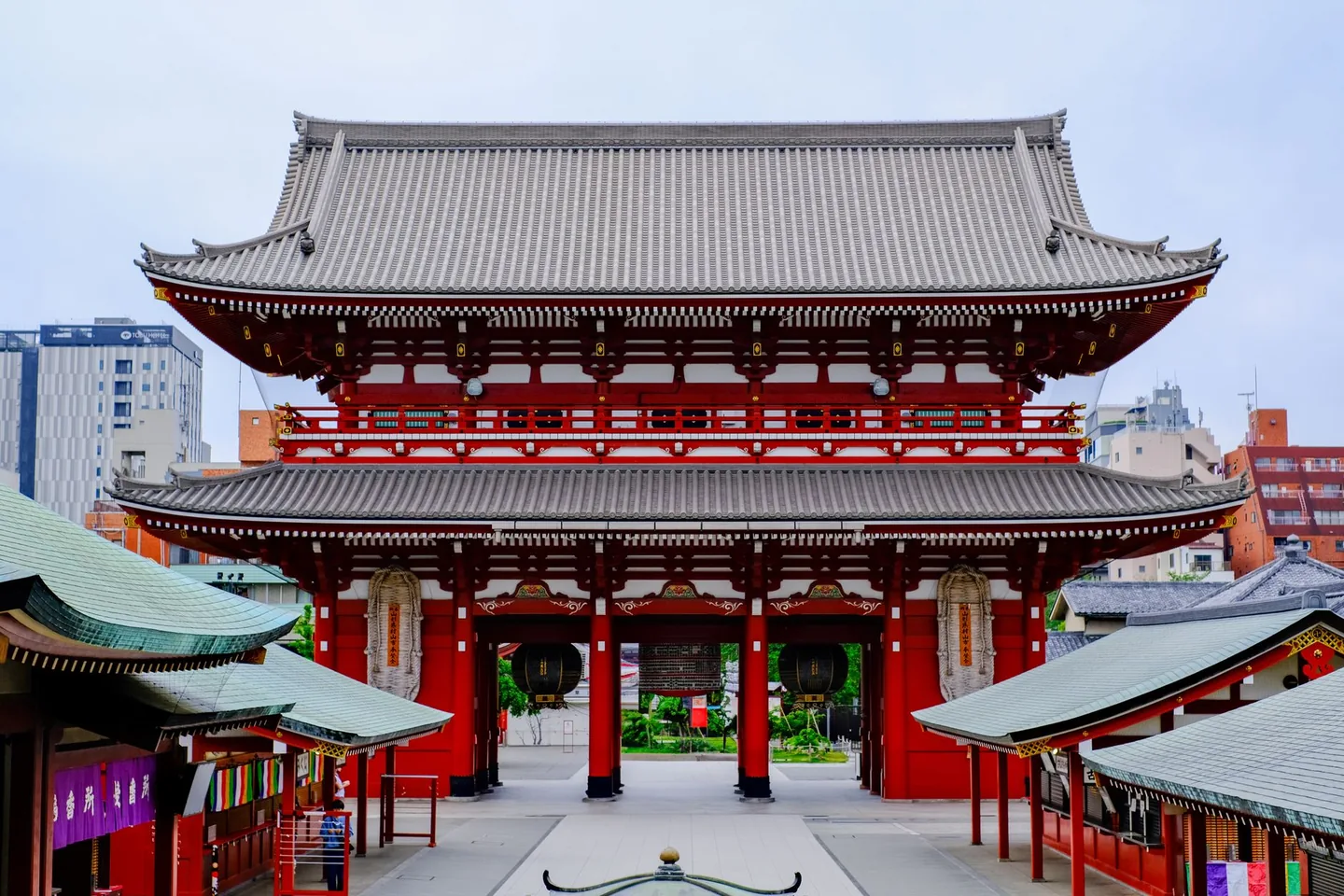
Start at Kaminarimon and follow Nakamise towards Senso-ji. Look at the gate lantern, shopfronts and Hozomon before entering the main-hall area. Treat the precinct as a working temple: let worshippers pass and follow signs about photography.
Keep this first stage compact after arrival. Browsing every shop can consume the morning; choose a few souvenirs or snacks and leave time to sit down. A dawn visit and a shopping visit are different experiences because individual businesses keep their own hours.
Mobile data for your trip. Check what your current plan includes for roaming. If you need another option for maps, messages and booking details, compare NXTL eSIM coverage and rates. Check that your phone supports eSIM and is unlocked, and check coverage for every stop. Download important maps and confirmations for offline use too.
Day one lunch: soba before Ueno
We recommend Namiki Yabu Soba for a buckwheat-noodle lunch south of Kaminarimon. It fits the Asakusa stage before your transfer, rather than adding a separate food district. Ask about the current menu, dipping sauce and allergens; soba and its accompaniments are not automatically gluten-free or vegetarian.
Allow for a queue and take a simpler meal nearby if waiting would leave too little museum time. Use the Ginza Line between Asakusa and Ueno, checking signs for your platform and the exit closest to your next stop.
Day one afternoon: choose a museum, then a short park walk
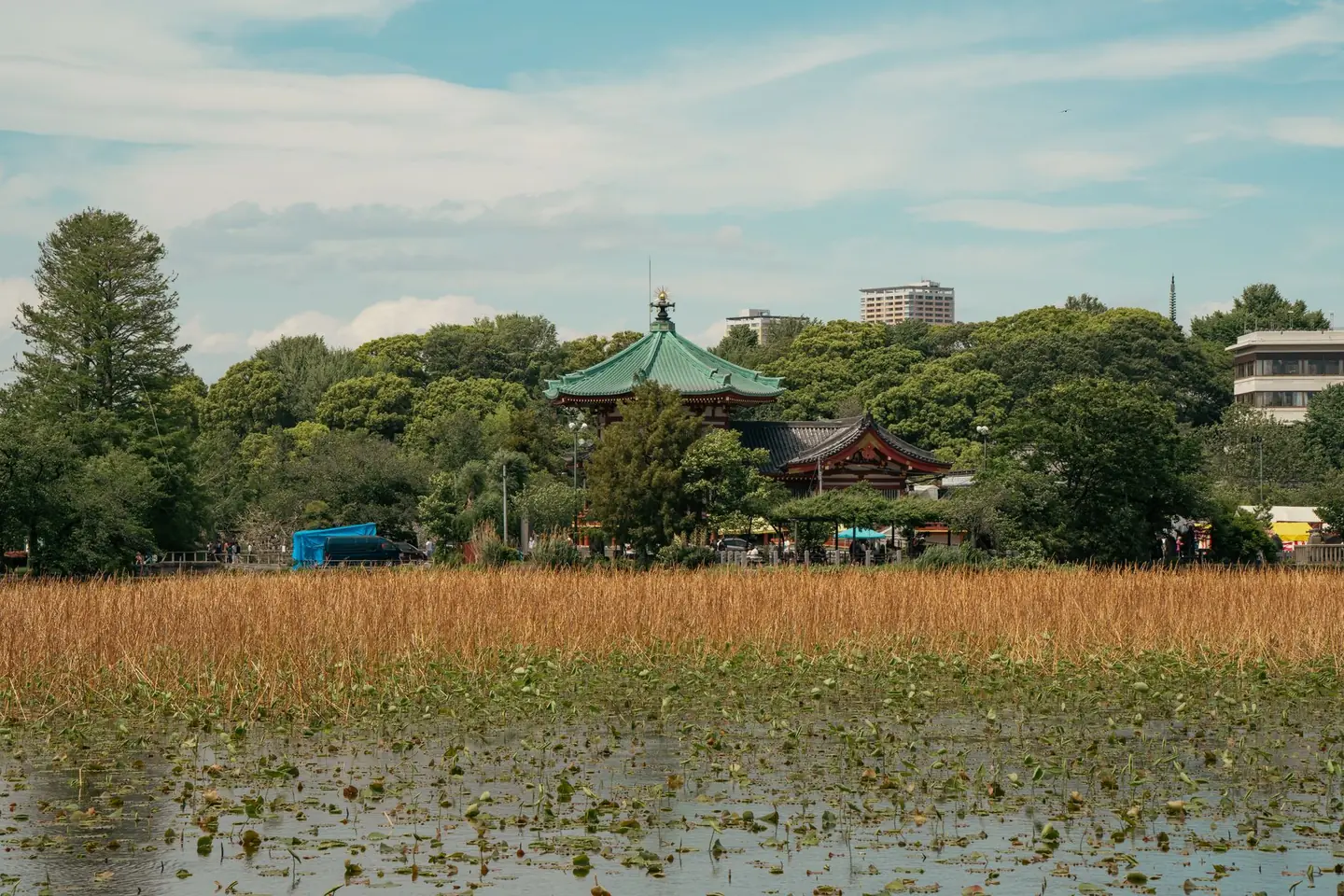
At Tokyo National Museum, choose Japanese art in the Honkan or a particular exhibition rather than attempting every building. Collection and special-exhibition tickets differ. If you prefer being outside, make Ueno Park and Shinobazu Pond the afternoon instead.
For a longer seated meal within the park, consider Inshotei and reserve the course that fits your budget. Its vegetable-and-soybean dishes do not establish a vegetarian menu: confirm ingredients and alternatives directly. Keep the evening free instead of squeezing in another district.
Day two morning: Meiji Jingu before the shopping streets
Approach Meiji Jingu from the Harajuku side using the shrine’s access map. Walk the wooded approach to the sanctuary and follow the shrine’s etiquette guidance. The grounds close around sunset, with month-specific gate times; this is a daytime outing.
The museum and inner garden are optional additions with their own admission arrangements. If your feet are tired, return towards Harajuku after the sanctuary instead of extending the walk into more parkland. Carry drinking water and take breaks before the next stage.
Day two afternoon: Shibuya at street level
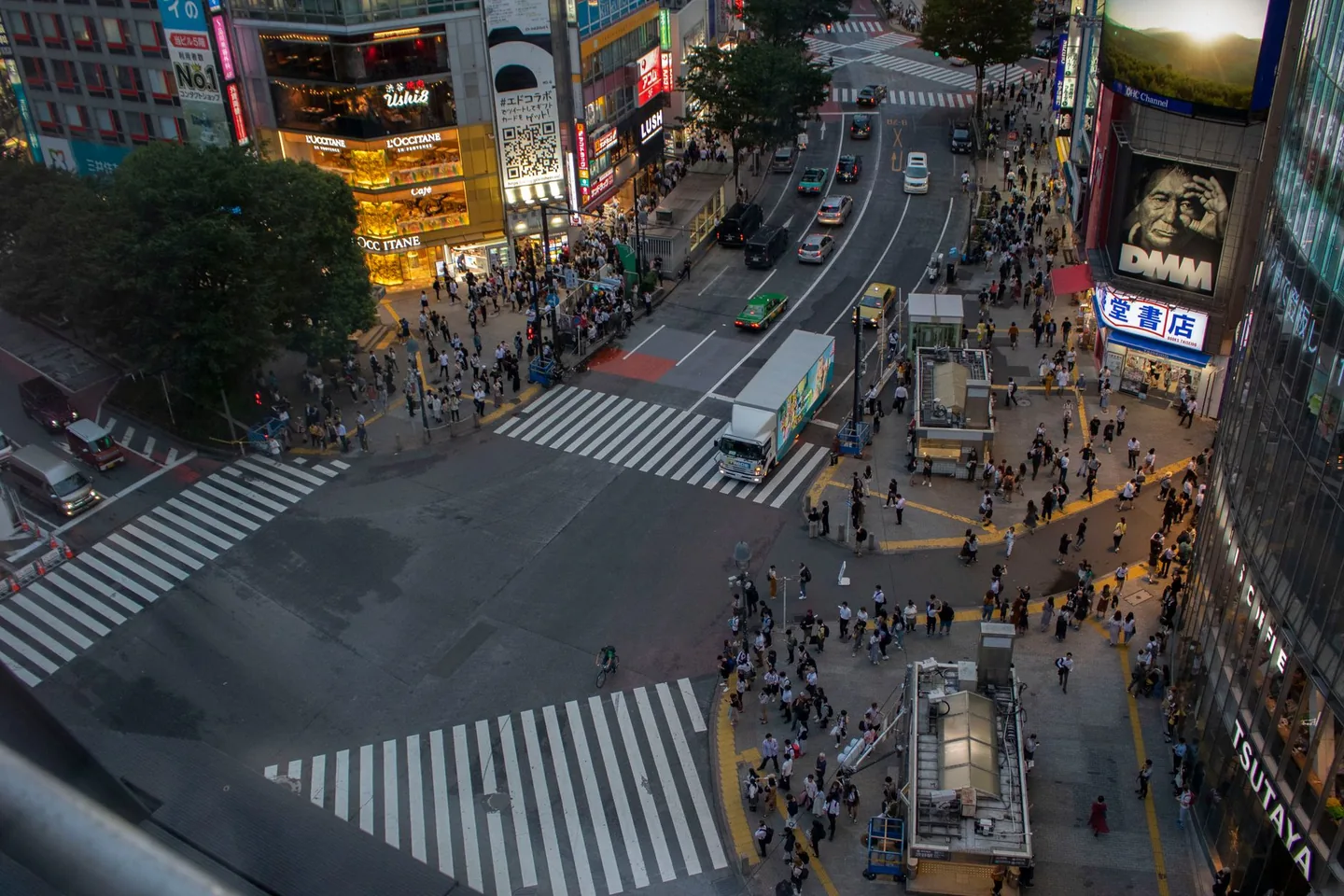
Transfer to Shibuya and find Hachiko before crossing the scramble with the pedestrian lights. Move clear of the crossing to watch the changing crowd patterns. Explore one nearby shopping street, then sit down rather than circling the intersection repeatedly.
A street-level visit needs no observation-deck reservation. If a skyline view matters, arrange that separately and leave a weather alternative; do not assume a shopping-building entrance includes rooftop access. End near your chosen return station so the evening journey stays straightforward.
Shorter days, rain and packing
Swap a long outdoor stage for the Tokyo National Museum only when its calendar supports your date. In ordinary rain, shorten Asakusa and spend more time in galleries; in severe weather follow local warnings and reconsider travel. Two well-chosen districts are enough for a tiring arrival day.
Wear tested walking shoes and carry an umbrella, a small bag and a power bank. Add a warm coat in winter, removable layers in spring and autumn, and breathable clothes with sun protection in summer. Keep your final departure details saved before leaving accommodation.
Check before you go
Opening arrangements and visitor rules can change. Check the official information before your trip.