Plan an exterior visit
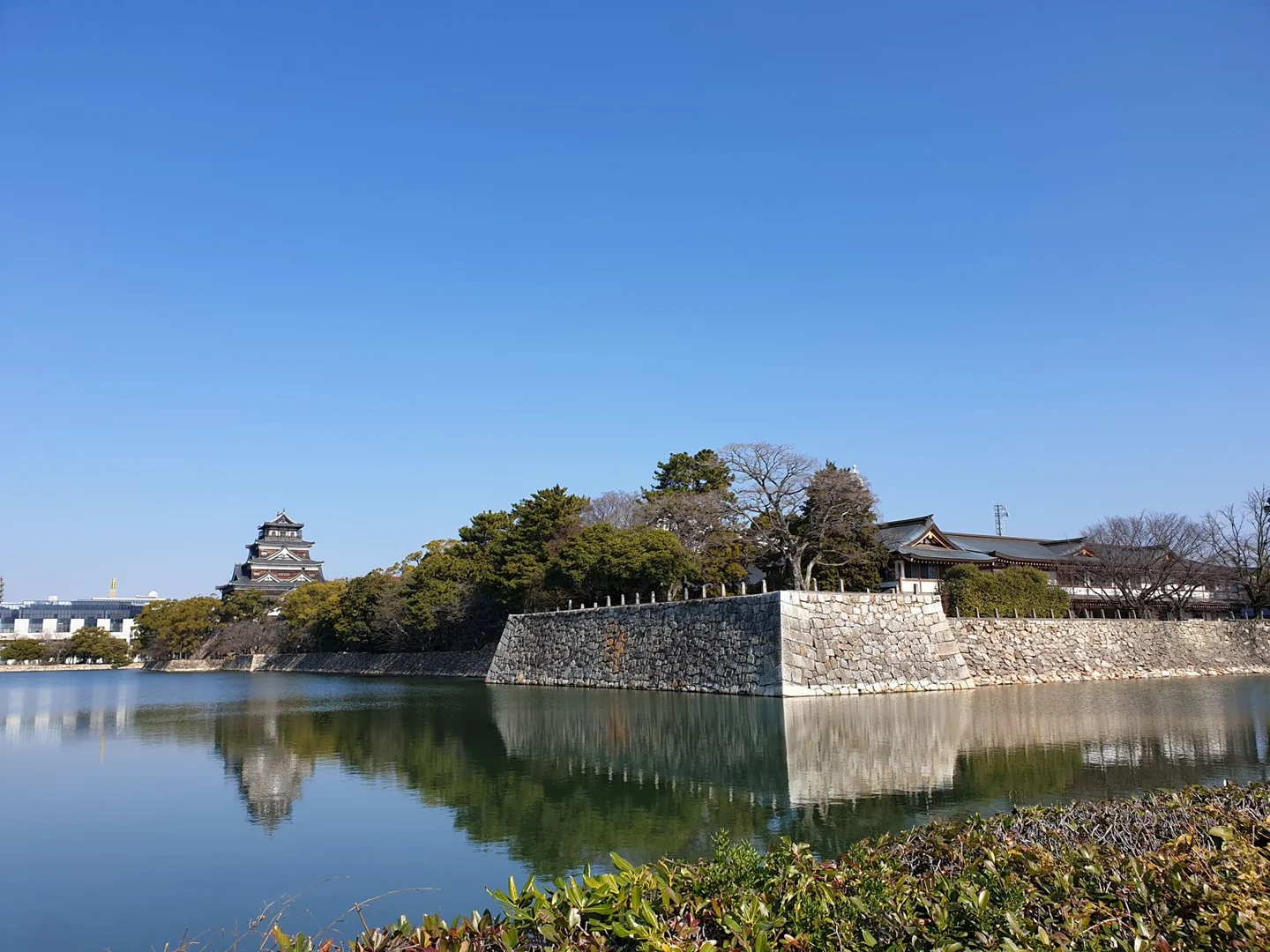
Use Hiroshima Castle as a grounds and architecture outing. Start with the moat and stone walls, then follow the signed public approach towards the keep. The water, ramparts and timber-clad tower give you several viewpoints before you reach the building itself. Leave time to look back across the moat rather than making only a direct approach.
The main keep closed on 22 March 2026. The operator confirmed on 20 October 2026 that exterior viewing remains possible, while the interior is unavailable because of deterioration and safety concerns. No keep reopening date was confirmed in the notice. Packtricia will check for changes; always confirm the castle’s own guidance before travelling.
Mobile data for your trip. Check what your current plan includes for roaming. If you need another option for maps, messages and booking details, compare NXTL eSIM coverage and rates. Check that your phone supports eSIM and is unlocked, and check coverage for every stop. Download important maps and confirmations for offline use too.
Make Ninomaru the building alternative
The reconstructed Hiroshima Castle Ninomaru buildings remain available under their own calendar. Look for the gateway and long defensive buildings around this lower enclosure, then compare their scale with the main keep across the grounds. Treat this as a distinct part of the castle rather than assuming every building shares the keep’s closure.
On 20 October 2026 the operator listed Ninomaru closures on 8 December and 29–31 December, with shorter autumn and winter opening. Check last entry before approaching. When the buildings are shut, retain the exterior circuit as weather and local access allow; do not cross barriers to complete a planned route.
Separate the future museum from today’s visit
The Sannomaru history museum is a future opening, not an available substitute interior. The operator’s announcement checked on 20 October 2026 schedules its first areas for 1 June 2027, with the main exhibition rooms planned for 1 October 2027. Those are announced plans and should be rechecked before a future trip.
Keep the already open Sannomaru area and the planned museum separate in your expectations. A shop, public square or view of construction does not mean the collection is on display. Packtricia will revisit the announcement; for the current outing, use Ninomaru and the exterior grounds as the practical alternatives.
Continue to a garden rather than another queue
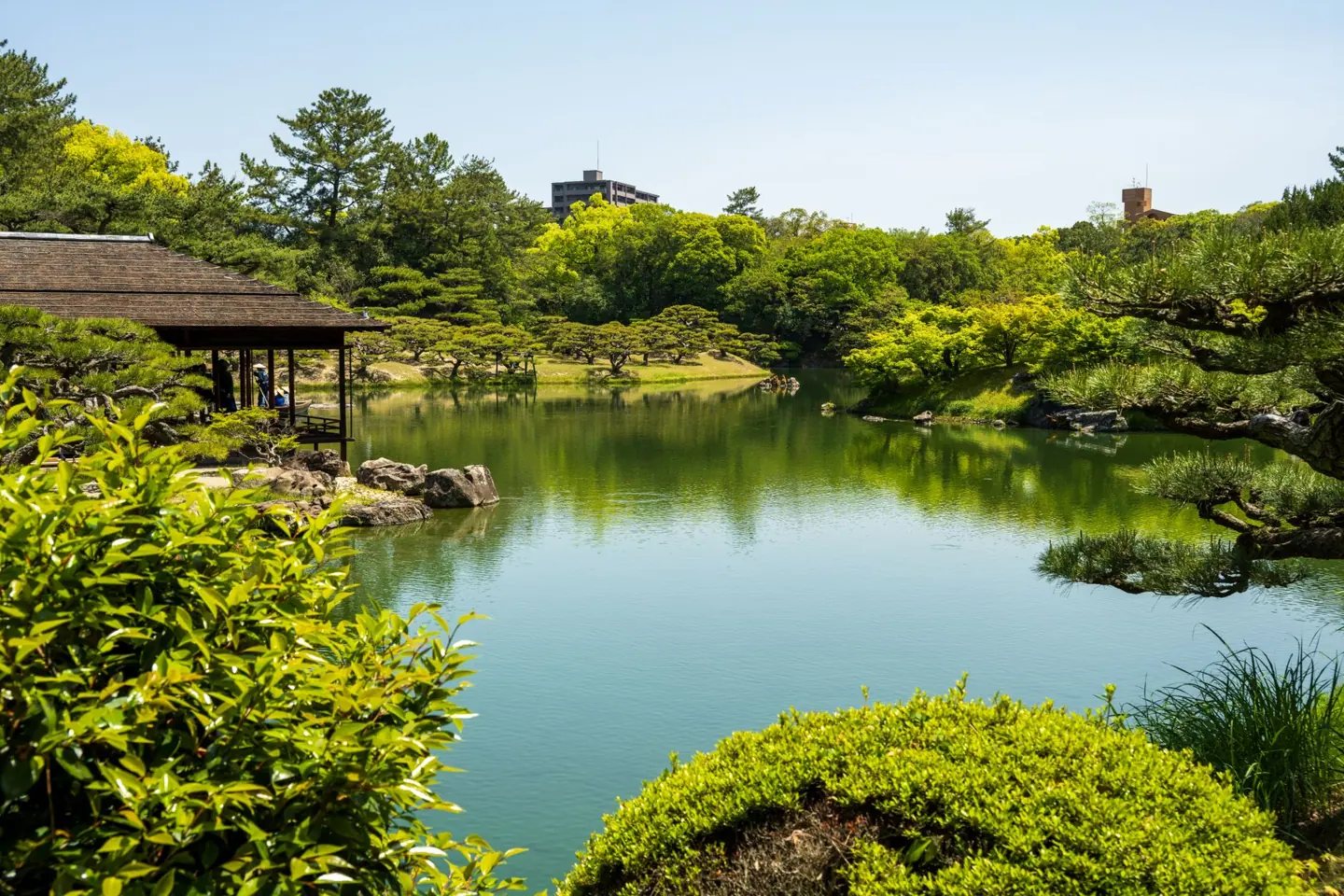
Pair the castle with Shukkeien Garden if you want another outdoor visit. Its pond, islands and small bridges offer a different scale from the castle walls. Check opening and last admission first, and take a break between the two sites rather than treating the garden as a compulsory final lap.
For refreshments, we recommend Sensuitei near Shukkeien’s entrance when it is serving. Keep this as a light stop, with garden admission and any tea event handled separately. If you want a full okonomiyaki meal, Nagata-ya is an onward option nearer Peace Memorial Park, requiring a separate walk or transport journey.
Keep the grounds manageable
Wear shoes with grip and take an umbrella for the exposed moat sections. Summer heat can make a long circuit tiring; choose a few views and leave room for water and cooling breaks. In winter, bring a coat for slower photography stops, even when an indoor journey felt warm.
Use the official site map and obey maintenance signs, which can change the available paths. Visitors needing step-free access should check the exact route and building arrangements rather than inferring them from a photograph of the grounds. Shortening the circuit still leaves a useful view of the castle and its setting.
Check before you go
Opening arrangements and visitor rules can change. Check the official information before your trip.