Give the museum its own part of the day
The Hiroshima Peace Memorial Museum tells the story of the atomic bombing through objects, photographs and the experiences of victims and survivors. Arrive with time to read and pause. The museum is close to several major monuments, but that does not make its exhibits a quick addition to a crowded sightseeing schedule.
Prepare for difficult material, including the effects of the bombing on people and families. Discuss the subject before bringing children and take breaks according to your needs. Avoid setting an immediate onward booking that forces you to hurry through the final rooms or leave before you feel ready.
Mobile data for your trip. Check what your current plan includes for roaming. If you need another option for maps, messages and booking details, compare NXTL eSIM coverage and rates. Check that your phone supports eSIM and is unlocked, and check coverage for every stop. Download important maps and confirmations for offline use too.
Book the actual museum admission
Open the museum’s official English website and follow its ticket links for your date. Early and late extended-entry periods require online reservations, while the museum can also restrict admission when crowded. Even a web ticket does not guarantee entry at the exact printed time, so leave some flexibility around your arrival.
Do not confuse a guided walk through Peace Memorial Park with museum entry. Some activities finish outside the museum without including admission or a guide inside. Read the selected option’s inclusions and arrange a separate museum ticket when needed. Keep the confirmation accessible and use the entrance instructions supplied with your actual booking.
Follow the exhibits at your own pace
Use the museum’s floor map to orient yourself, then concentrate on the exhibits rather than trying to photograph every panel. A guide leaflet can help you understand the layout without imposing a fixed pace. Follow the current staff instructions on bags, photography and visitor movement.
Look for the individual stories that connect everyday belongings with the people who used them. Leave room for silence and for other visitors reading nearby. You do not need to turn the visit into a checklist of famous objects; taking time with a smaller number of accounts can be more useful than rushing to see every label.
Step outside for a shorter park walk
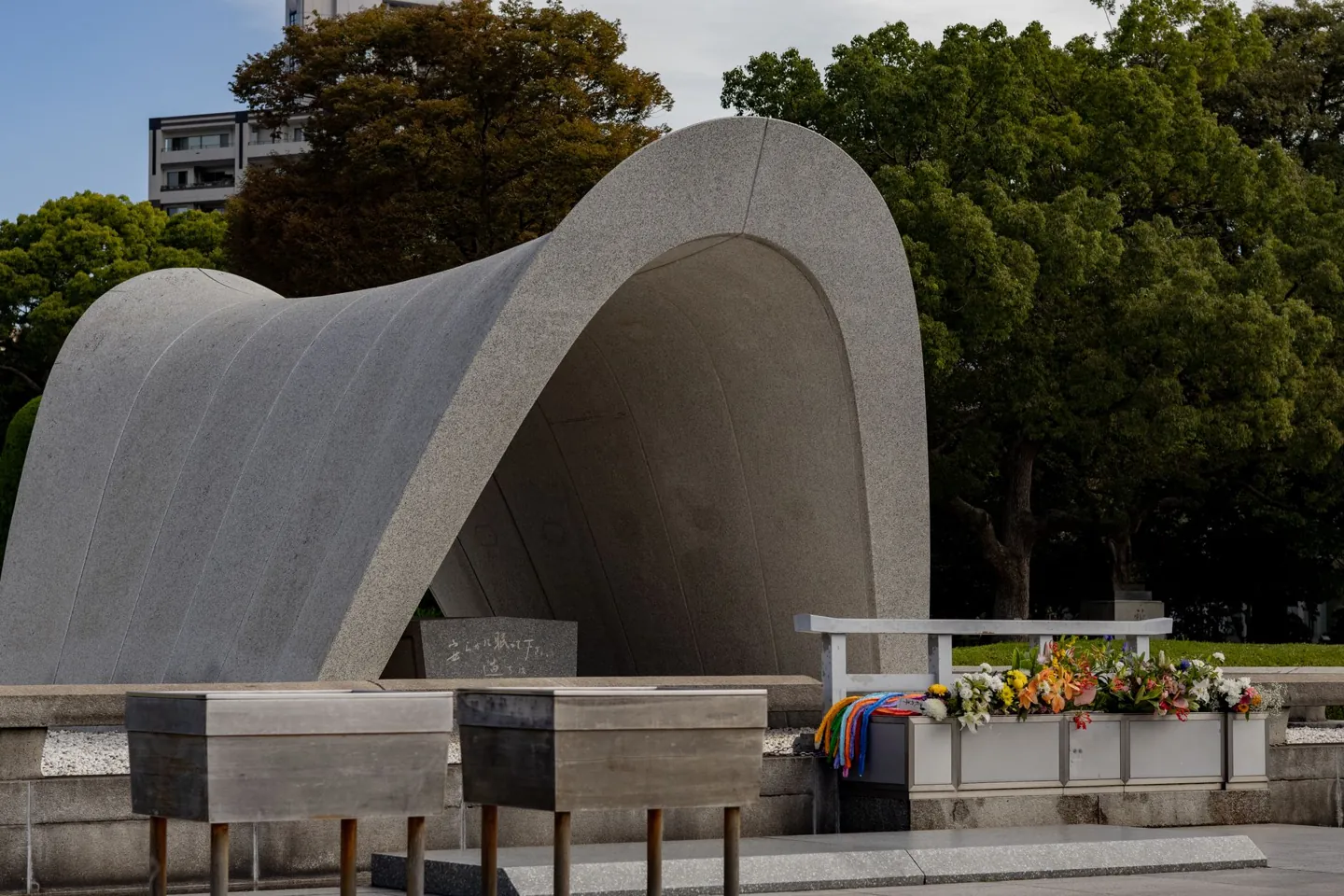
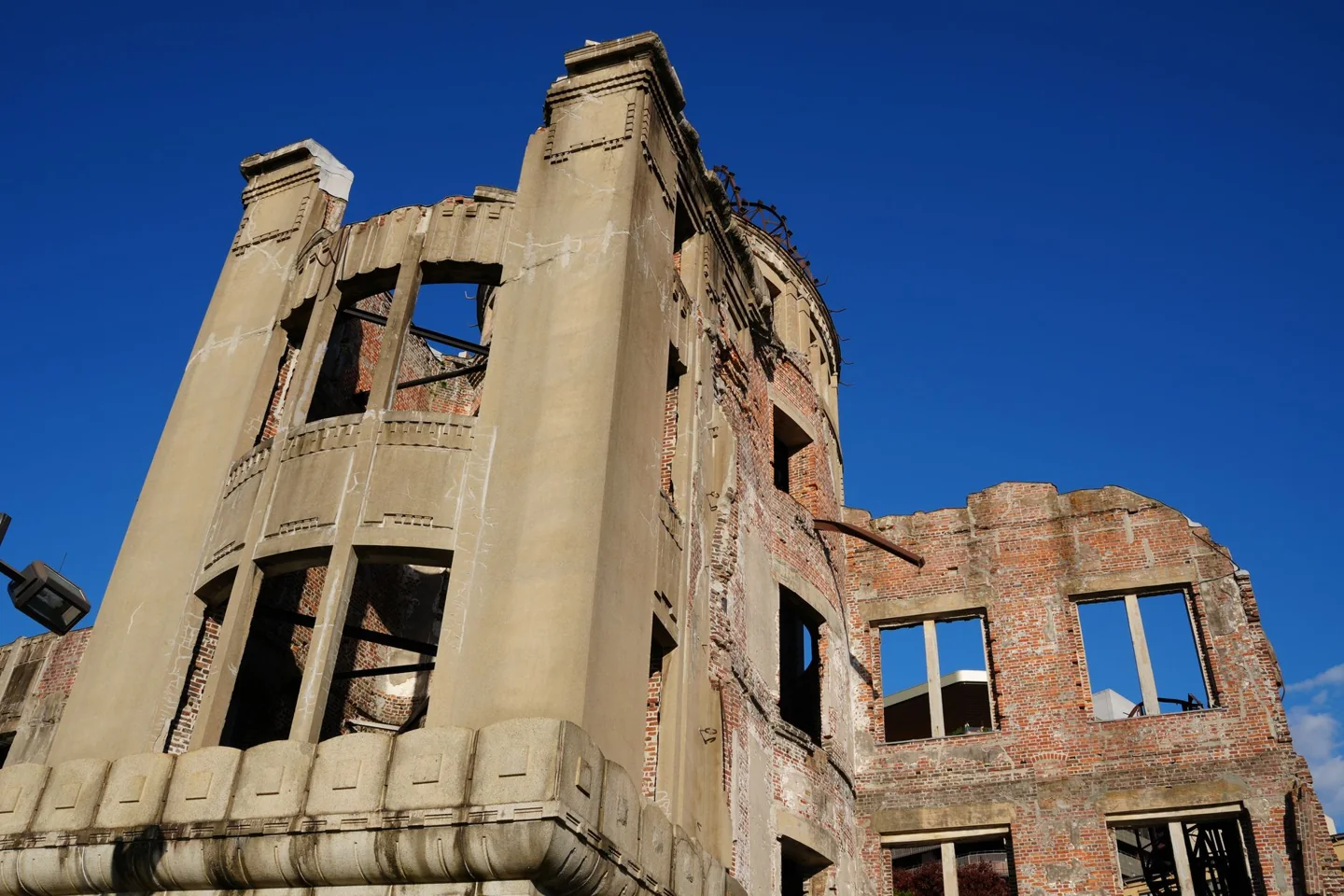
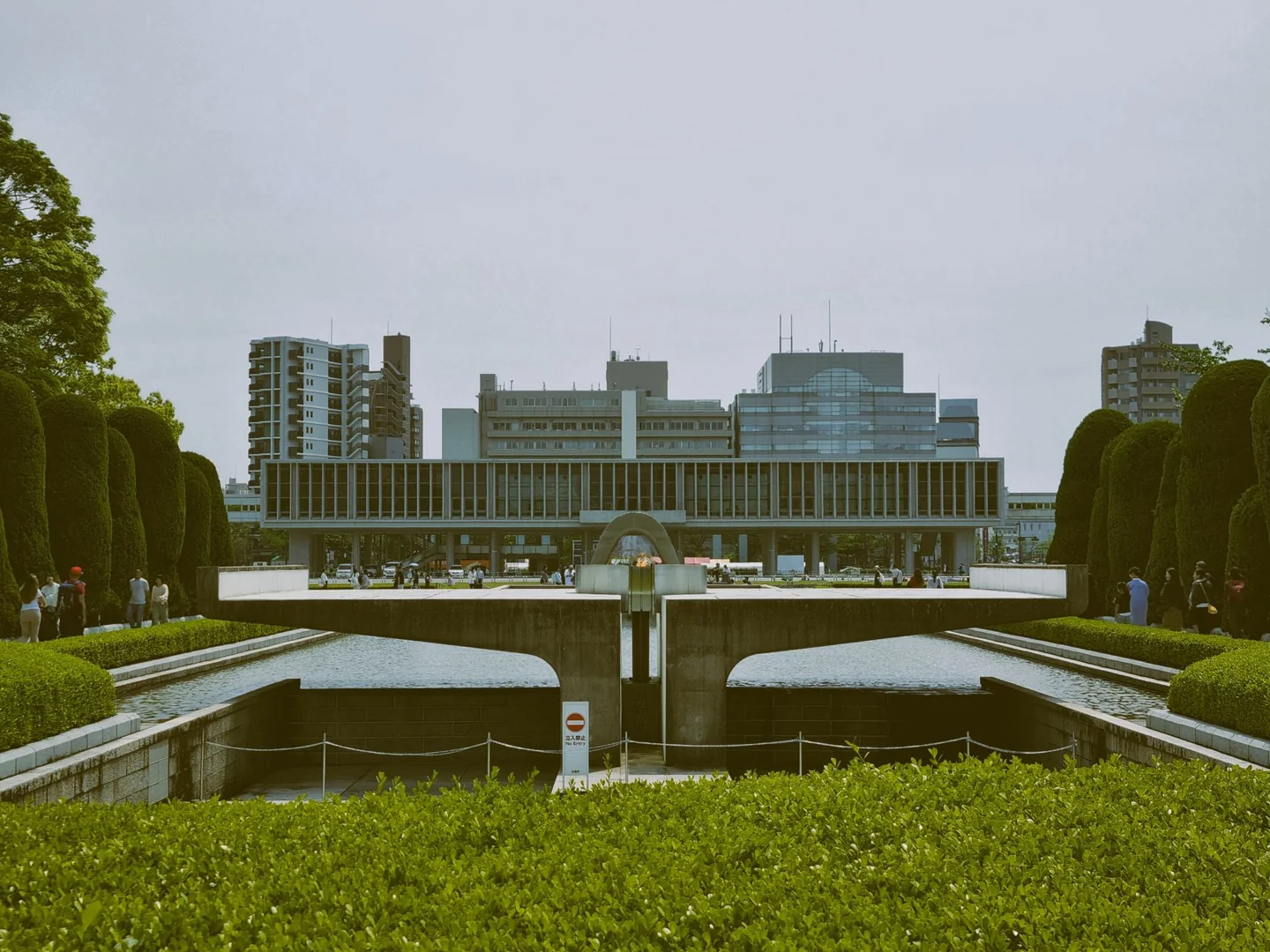
Afterwards, choose a short route to the Cenotaph for the Atomic Bomb Victims and Flame of Peace. Continue to the Children’s Peace Monument or the riverside only if you want more walking. Keep the Atomic Bomb Dome as an exterior view from public paths; there is no interior admission to add.
For a full meal, we recommend Nagata-ya for Hiroshima-style okonomiyaki across the park’s eastern side. Allow for a wait and check ingredients directly. If you prefer to rest first, finish the monument loop and return later for food rather than forcing the meal into a tight museum schedule.
Check the closure calendar before travelling
The museum website checked on 20 October 2026 lists its annual 30–31 December closure and a temporary exhibition-change closure on 15–20 February 2027. Packtricia will recheck these notices; always confirm the current calendar before travelling. Do not build a day around admission during an announced closure.
Use the outdoor memorial route as an available alternative when local access and weather permit, with a museum visit on another day if possible. Carry an umbrella and a seasonal layer for the park. In heavy rain or strong heat, keep the outside section shorter and follow official weather and transport advice.
Check before you go
Opening arrangements and visitor rules can change. Check the official information before your trip.