Day one morning: Bab Boujloud and Bou Inania
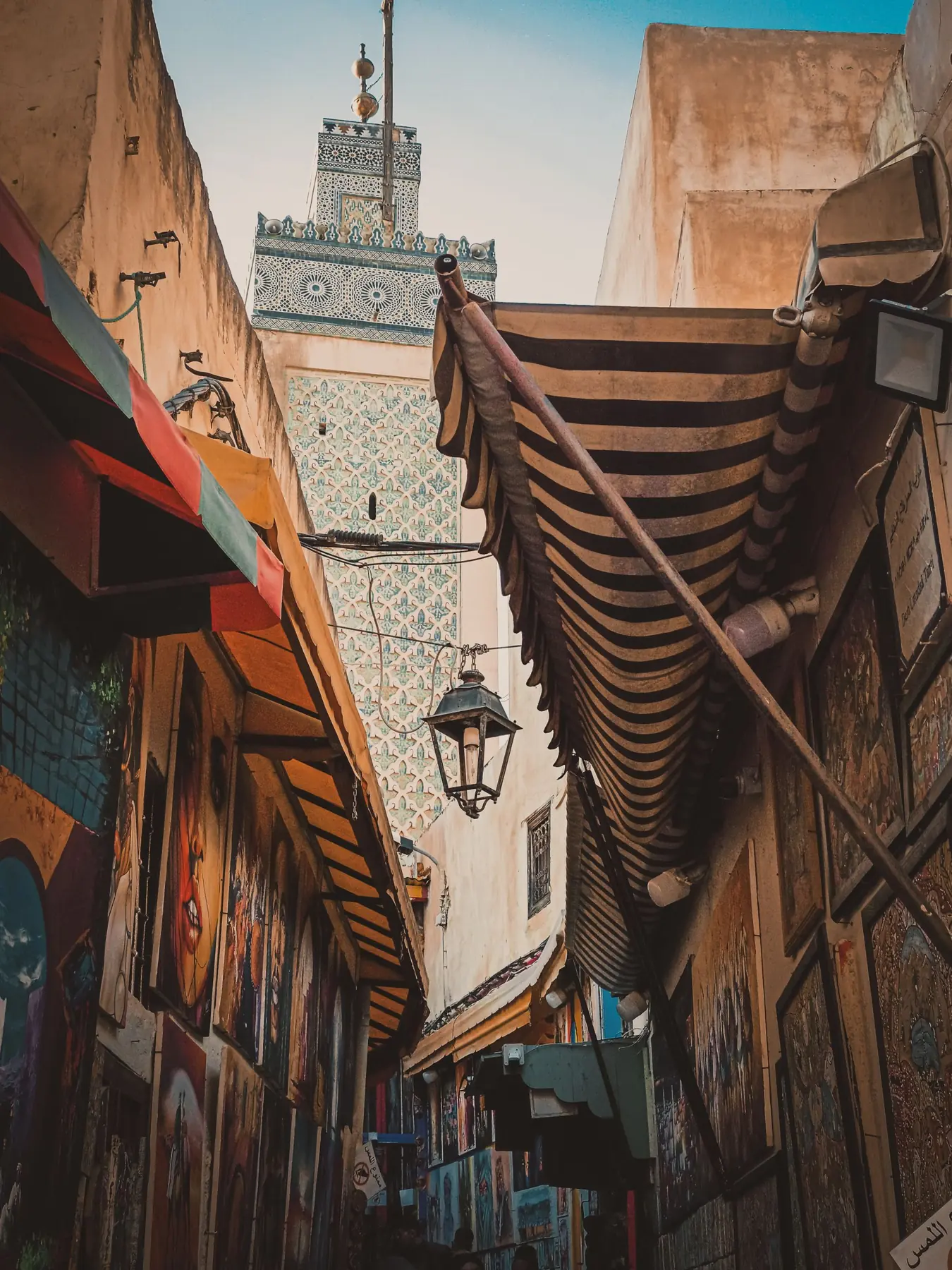
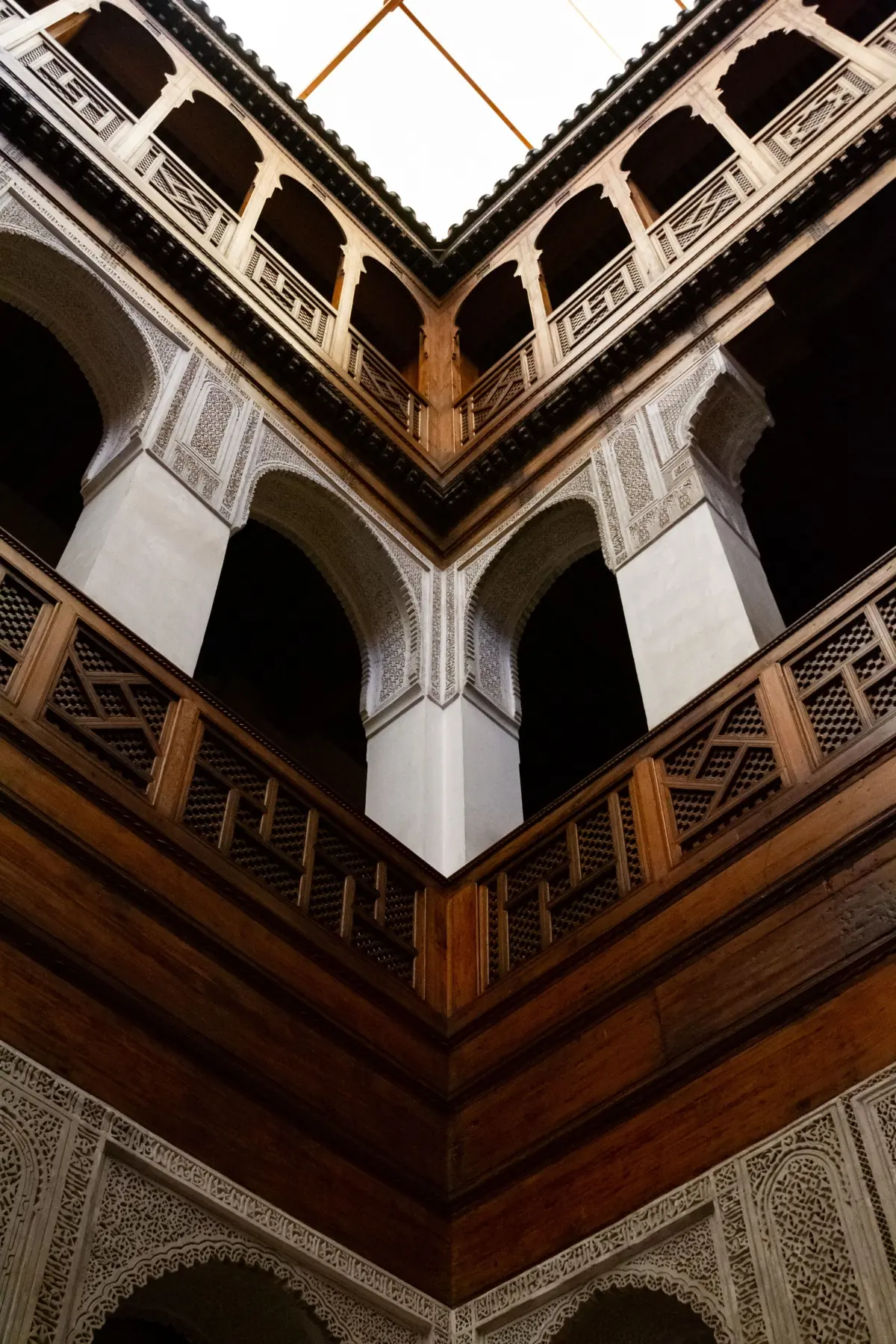
Start at Bab Boujloud, where the decorated gateway gives you an easy meeting point. Continue along Talaa Kebira to Bou Inania Madrasa. Make the madrasa your main visit: compare the courtyard tilework with the carved plaster and wood above. Check visitor access at the entrance and respect any prayer-related restrictions; visiting the madrasa is not permission to enter every religious space.
Keep this first walk short enough to retrace comfortably. Save your riad’s directions and ask it to mark the correct lane: a map pin may take you near the building without identifying its entrance. Wear shoes with grip for uneven paving and steps.
Mobile data for your trip. Check what your current plan includes for roaming. If you need another option for maps, messages and booking details, compare NXTL eSIM coverage and rates. Check that your phone supports eSIM and is unlocked, and check coverage for every stop. Download important maps and confirmations for offline use too.
For help navigating the medina, Compare the guided Fès medina walk. This guided walk includes artisan-workshop stops and is an alternative to navigating the medina independently. Confirm the monuments entered, separate admission charges, meals and meeting point before booking. Leave extra time: a recent guest reported the walk running longer than advertised. Check your selected language and mobility requirements.
Day one lunch and afternoon: Clock, then a choice
We recommend Café Clock for a seated break near Bou Inania. Its menu includes Moroccan dishes and the camel burger; choose something that suits your appetite rather than treating a particular dish as compulsory. Check the current programme separately if you want storytelling or music: a meal does not guarantee an event.
After lunch, choose Al Batha Museum for Islamic art or a gentle walk towards Jnan Sbil for open space and garden paths. Al Batha reopened in February 2025 after restoration; use the museum foundation’s current visitor information when arranging the day. These are alternatives, so there is no need to fit both into a tired afternoon.
Day two morning: Nejjarine and Seffarine
Use Nejjarine Museum and its fountain square as the first anchors, then continue towards Place Seffarine. The former merchants’ fondouk and its wooden galleries offer a useful contrast with the metalworking quarter. Watch from the edge of the square, leave room for people working and carrying goods, and ask before photographing someone.
The surrounding Al Quaraouiyine area is part of the walk, but do not assume the mosque or university interiors are open to non-Muslim visitors. A licensed local guide can help explain the quarter and navigate the lanes; agree the route, pace, shopping stops and separate admissions beforehand.
Day two afternoon: optional Chouara or a slower finish
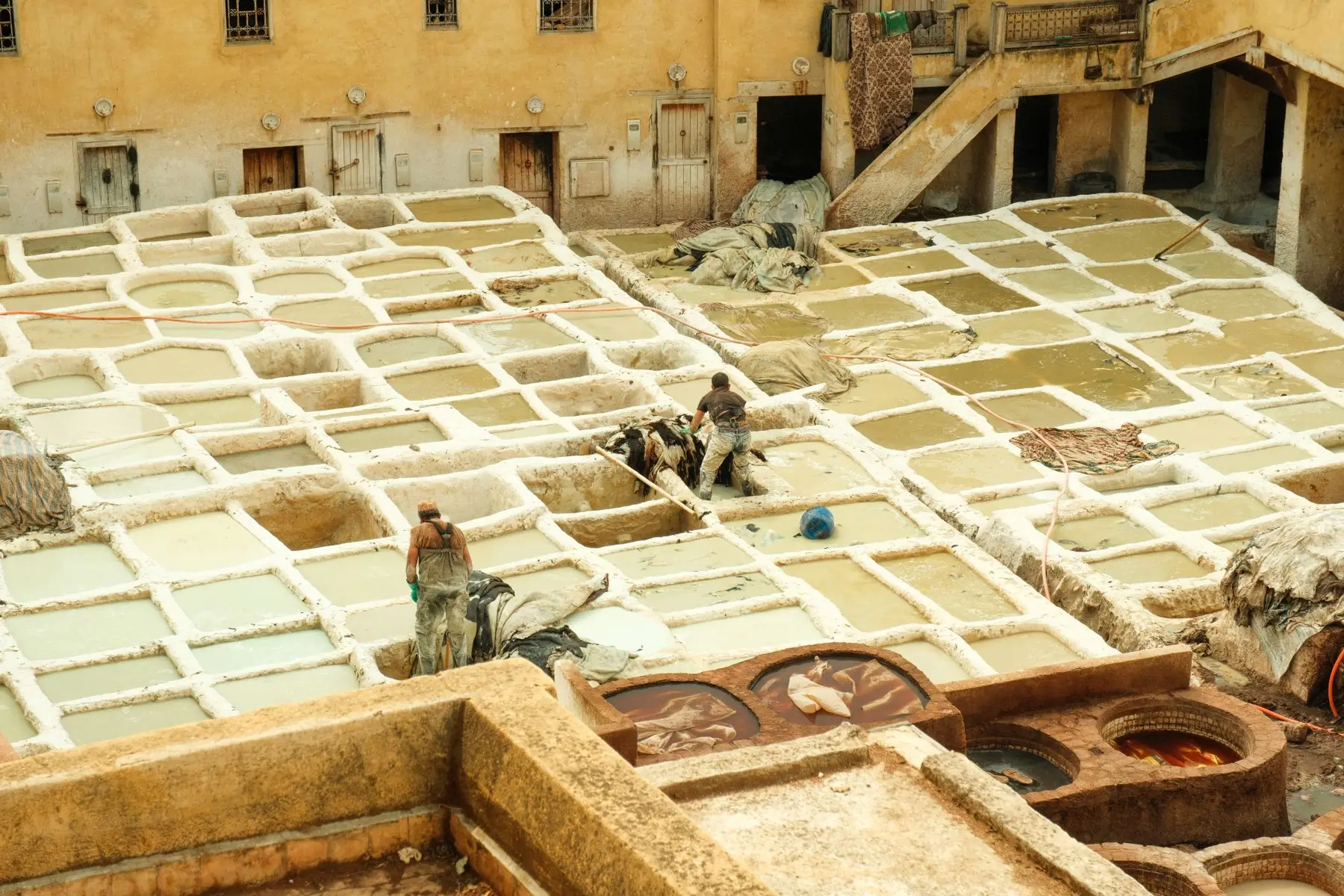
Add Chouara Tannery only if you still want another outing. Views are generally from surrounding leather-shop terraces, with stairs and strong smells; clarify any charge or shopping expectation before going up. It is a working site, not a public walk among the vats. Skip it if heat, smells or steps make the visit uncomfortable.
For a slower finish, book a terrace meal at Bistro Laaroussa, whose menu combines Moroccan and Mediterranean dishes. This suits a deliberate seated end to the day rather than another attraction; arrange the reservation and directions with the venue, and allow time to return through the medina.
Adapt the weekend to weather and arrival times
In July and August, shorten exposed walks and leave the hottest part of the day for a seated or indoor break. In winter, carry a jacket and rain protection, and finish unfamiliar lanes before dusk. If you arrive late, keep day one to the gate, a meal and your accommodation rather than compressing both days into one.
Check before you go
Opening arrangements and visitor rules can change. Check the official information before your trip.