Begin with the guardians at Nandaimon
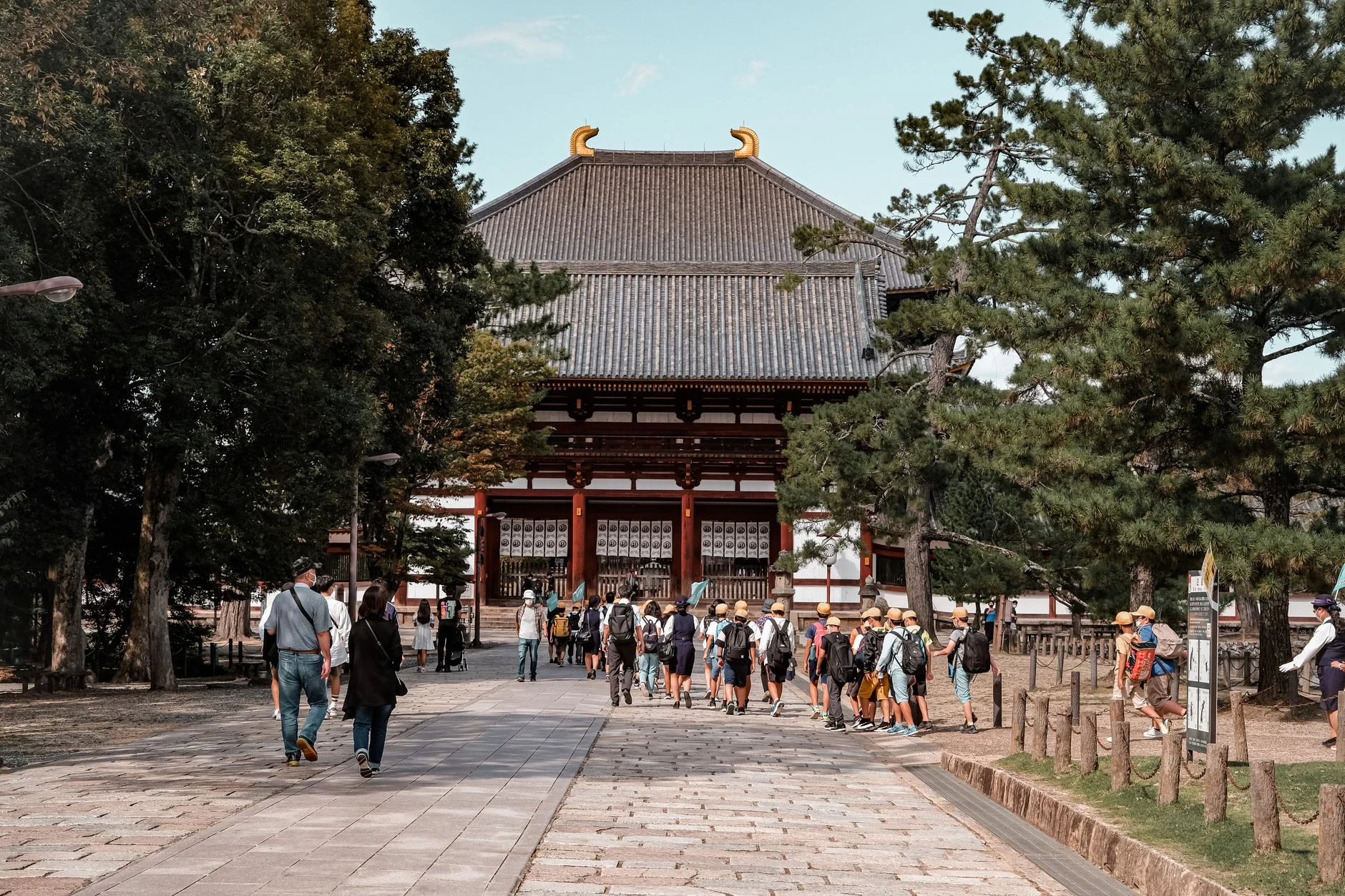
Approach Todaiji Nandaimon Gate on foot and pause to examine the two muscular guardian figures on either side. They make a useful first focus before the larger hall draws your attention ahead. Stand clear of the main passage and give worshippers and other visitors room to pass.
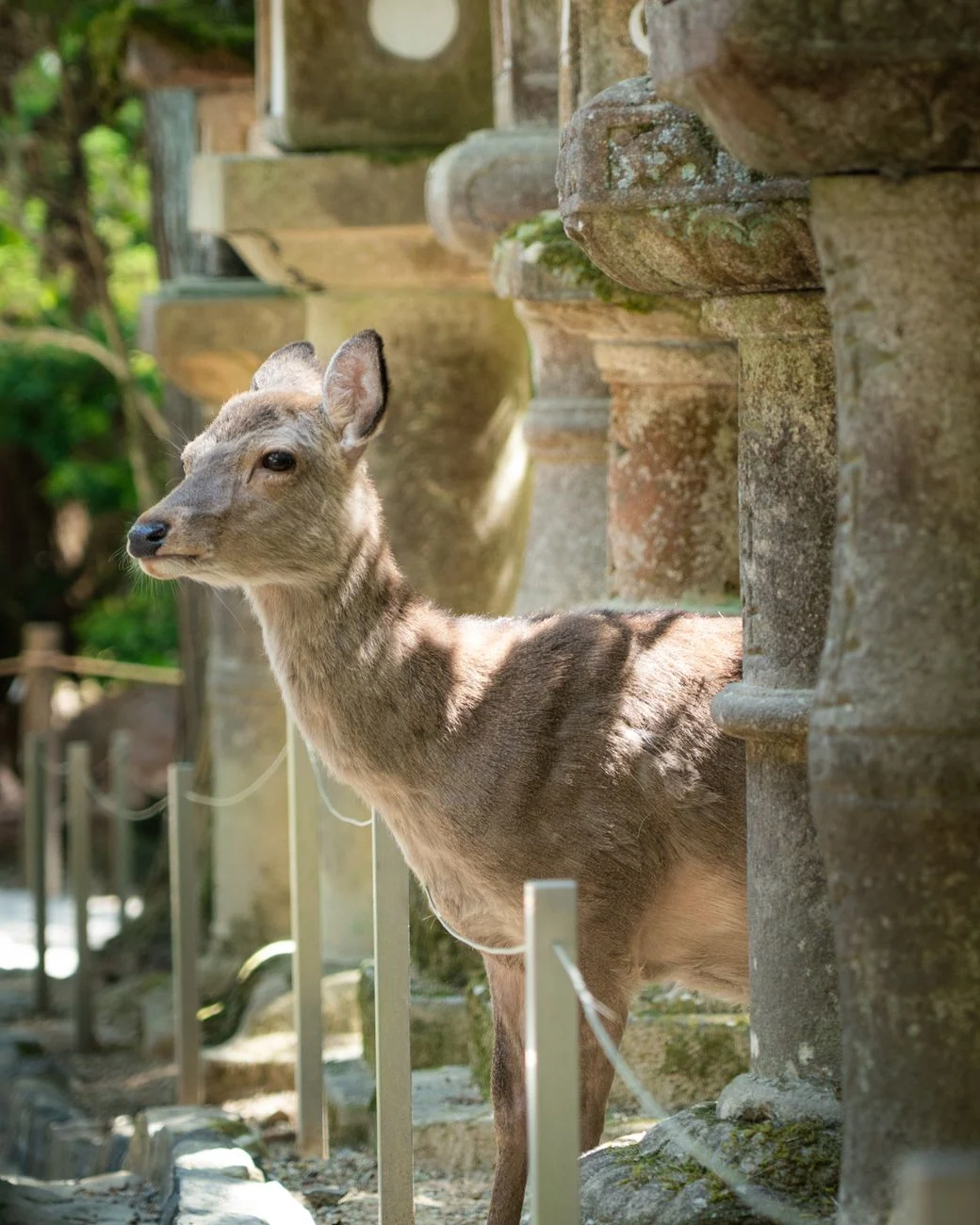
Keep snacks, paper maps and loose belongings inside a closable bag. Deer share parts of the approach; watching them from a little distance is enough. Do not let a photograph pull you into the road or tempt you to offer ordinary food. The gate is a route anchor, not a promise that every building beyond it has free entry.
Mobile data for your trip. Check what your current plan includes for roaming. If you need another option for maps, messages and booking details, compare NXTL eSIM coverage and rates. Check that your phone supports eSIM and is unlocked, and check coverage for every stop. Download important maps and confirmations for offline use too.
Choose the Great Buddha Hall as your main interior
Continue to Todaiji Daibutsuden. The seated bronze Buddha and the scale of the surrounding timber hall make this the central paid visit for a first outing. Check the official admission page for your date and the actual ticket offered, including whether a museum combination is useful to you.
Do not assume admission to one hall covers Hokkedo, Kaidando and the museum. If time or energy is limited, give the Great Buddha Hall your attention and leave the additional collections for another visit. Follow the rules displayed in each building; an activity allowed in one visitor area may be restricted in another.
Add Nigatsudo only if the steps suit you
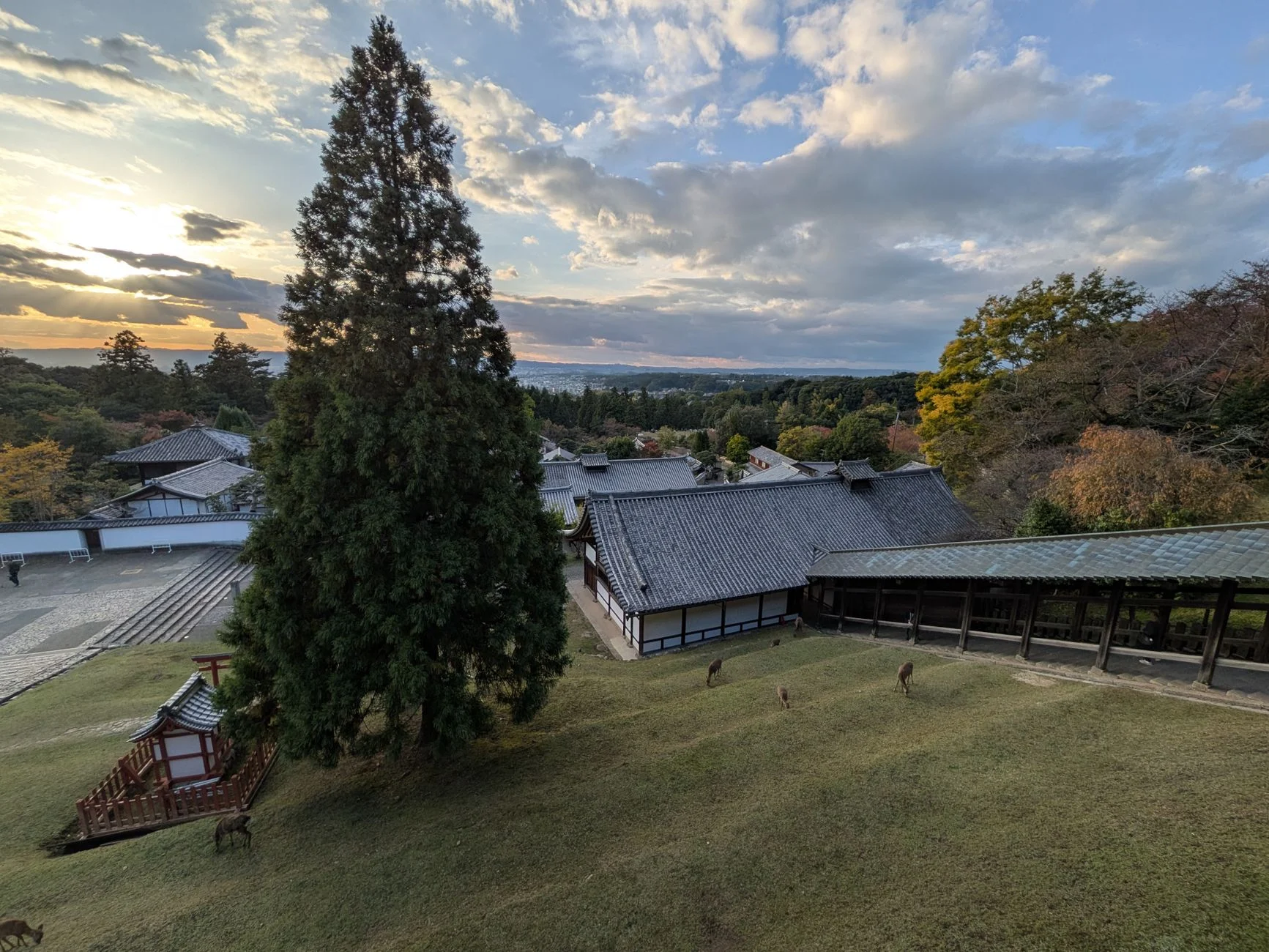
Use Todaiji’s precinct map to continue towards Todaiji Nigatsudo. The hillside paths and stair approaches make this an extension rather than a level continuation of the main gate route. At the terrace, look back across tiled roofs and the city towards the surrounding hills. The change in height reveals how the temple sits within Nara.
Nigatsudo is a place of worship. The temple prohibits photography, sketching and flashlights inside the hall; follow signs and staff directions. Take exterior views from permitted positions without blocking the passage. If you need a route with fewer steps, ask the temple about current access rather than treating the existence of a road on a map as proof of an accessible entrance.
Come down for a proper meal
After the temple, we recommend IZASA Todaiji at Yumekaze Hiroba for Nara-style sushi specialities. Its position by the temple approach makes it a practical alternative to walking into another neighbourhood just for lunch. Check the available menu, ingredients and service before relying on it for dietary requirements.
For a slower rice-pot meal, Shizuka’s Nara Park branch is another option, with rice cooked after ordering. Check its Tuesday and irregular closures. Neither restaurant is part of temple admission; plan a separate meal budget and leave space for a wait rather than filling every part of the afternoon with another paid stop.
Choose a shorter route or a different day
In rain, shorten the outing to Nandaimon and the Great Buddha Hall, using shoes with grip and keeping umbrellas clear of other people. During severe weather, follow official warnings and temple restrictions. In summer, carry water and take cooling breaks before deciding whether the hillside is sensible. Winter mornings need a warm outer layer, especially when stopping to look at buildings.
The March Shunie ceremonies bring special arrangements around Nigatsudo; check the temple’s current event guidance instead of assuming an ordinary terrace visit. Todaiji also prohibits smoking and drone photography in its precincts. Finish with the lower grounds when conditions make the climb unsuitable; the Great Buddha visit does not need an additional viewpoint to be complete.
Check before you go
Opening arrangements and visitor rules can change. Check the official information before your trip.
- Todaiji — Nandaimon guardians
- Todaiji — separate halls and admissions
- Todaiji — official visitor guidance
- Todaiji — Nigatsudo and worship rules
- Official Nara tourism — Nigatsudo paths
- Shizuka — current restaurant information
- Nara City tourism — Shizuka park branch
- Nara Kotsu — local buses
- Yumekaze Hiroba — current IZASA restaurant listing