
A little more prepared for Denmark.
Choose Copenhagen for palaces and canals, Aarhus for art and the waterfront, Odense for Andersen and river paths, Aalborg for architecture beside the Limfjord, or Helsingør for Kronborg and maritime history. Use the monthly pages for wind, rain and winter layers; museum and park calendars can change the order of an outing.
Explore DenmarkExplore Denmark by city
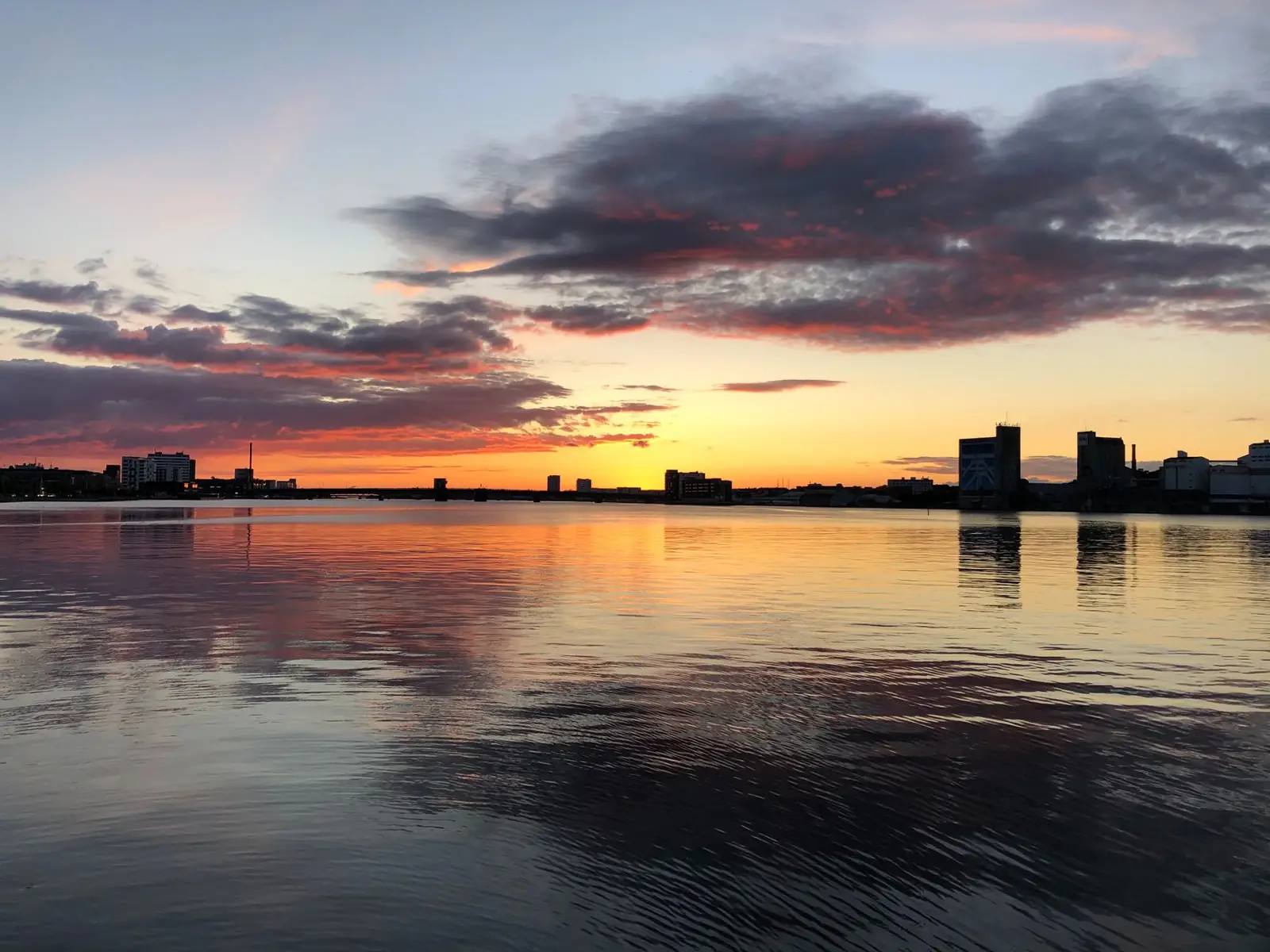
Aalborg
Cool winters and changeable, generally mild summers call for layers. Harbour wind can make a pause feel colder, and rain remains possible throughout the year. Monthly values are calculated from NASA POWER MERRA-2 gridded daily data for 1991–2020 at the city coordinates. They represent a regional model cell, not a city weather station. Street shade, coastal exposure, elevation and urban warmth can differ. Climate averages do not predict an individual trip.
Open city guide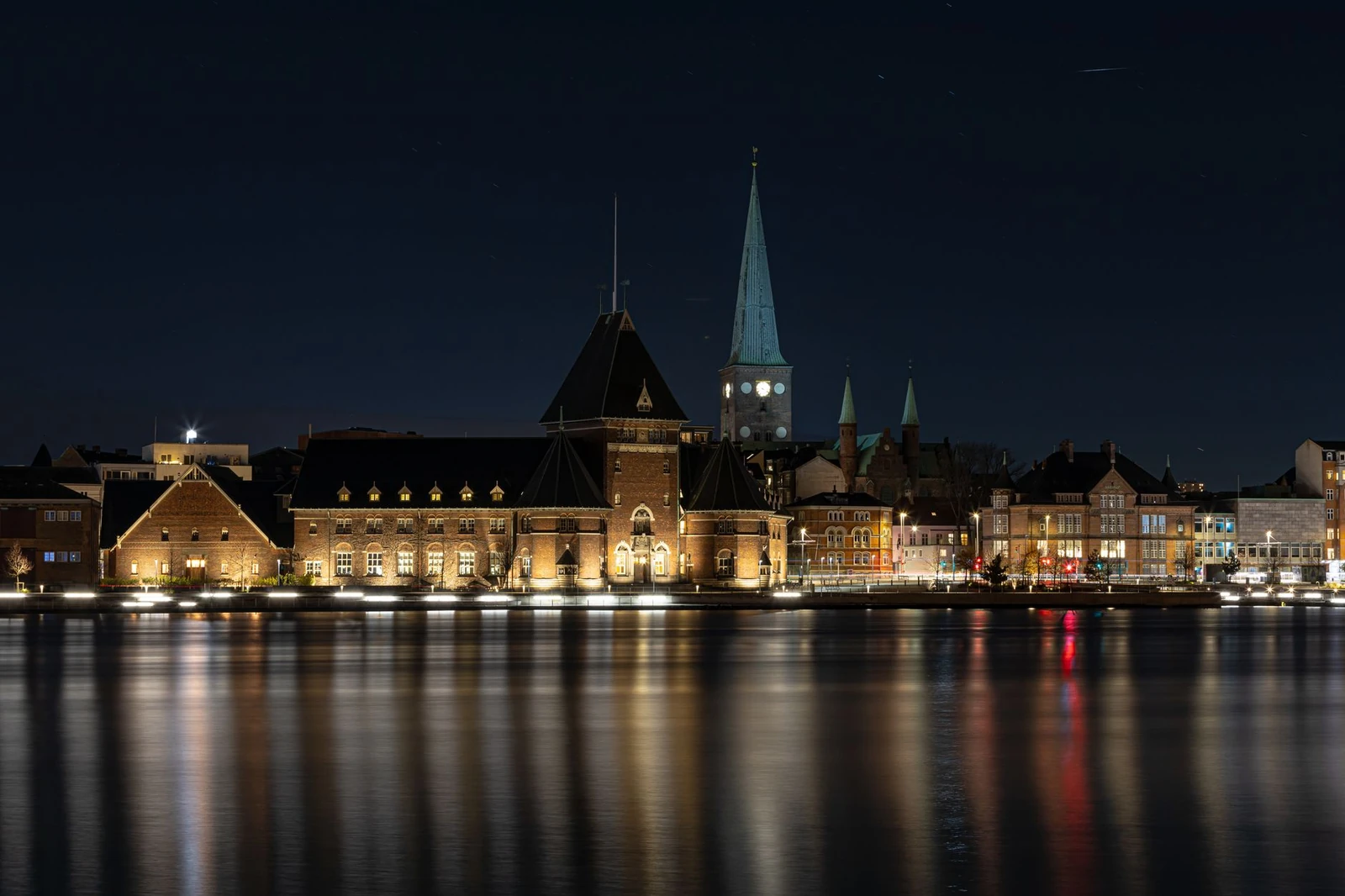
Aarhus
Cool winters and changeable, generally mild summers call for layers. Harbour wind can make a pause feel colder, and rain remains possible throughout the year. Monthly values are calculated from NASA POWER MERRA-2 gridded daily data for 1991–2020 at the city coordinates. They represent a regional model cell, not a city weather station. Street shade, coastal exposure, elevation and urban warmth can differ. Climate averages do not predict an individual trip.
Open city guide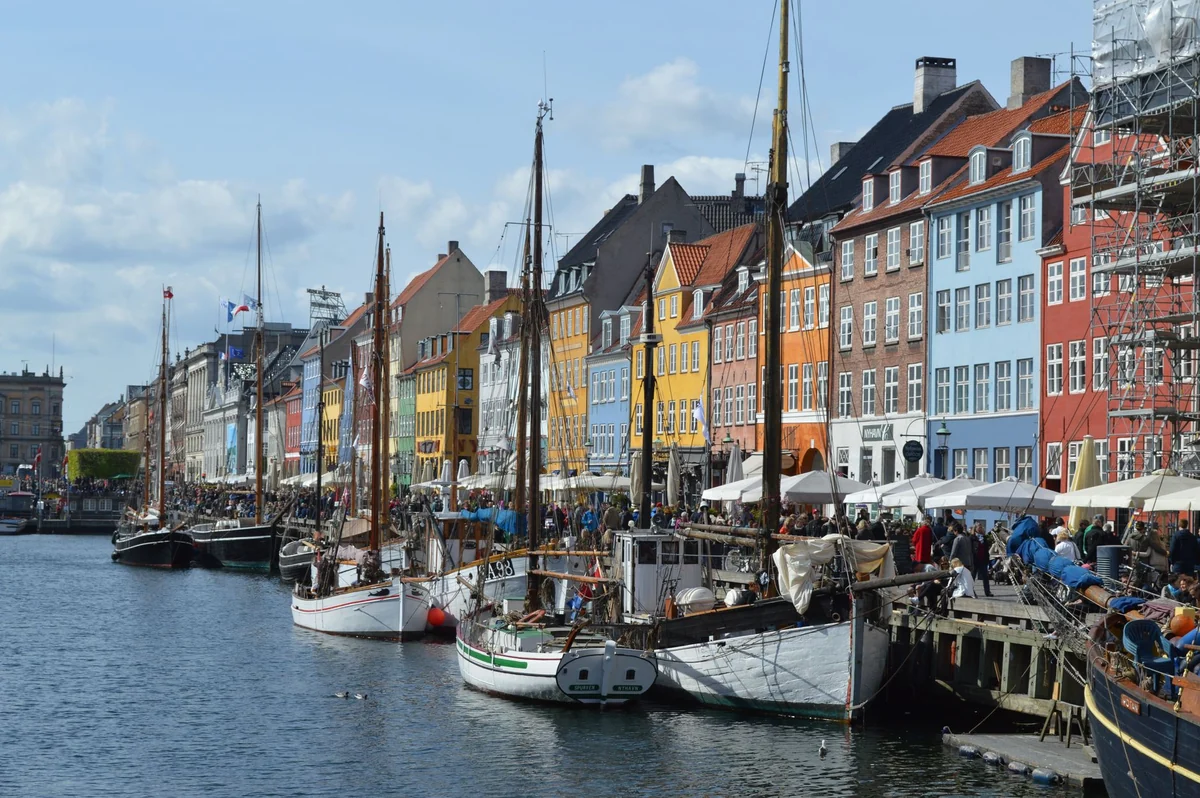
Copenhagen
Cool winters and changeable, generally mild summers call for layers. Harbour wind can make a pause feel colder, and rain remains possible throughout the year. Monthly values are calculated from NASA POWER MERRA-2 gridded daily data for 1991–2020 at the city coordinates. They represent a regional model cell, not a city weather station. Street shade, coastal exposure, elevation and urban warmth can differ. Climate averages do not predict an individual trip.
Open city guide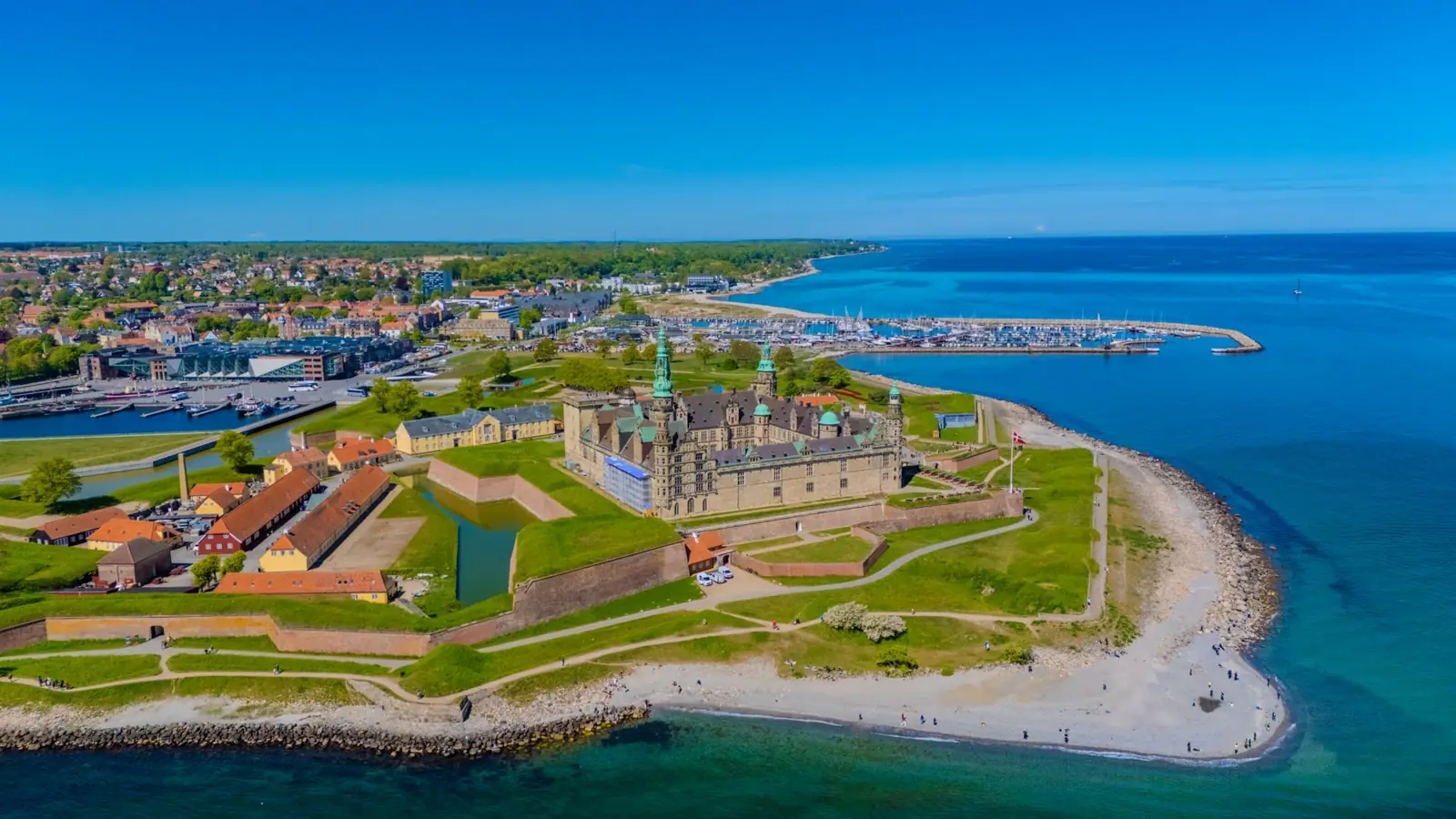
Helsingør
Cool winters and changeable, generally mild summers call for layers. Harbour wind can make a pause feel colder, and rain remains possible throughout the year. Monthly values are calculated from NASA POWER MERRA-2 gridded daily data for 1991–2020 at the city coordinates. They represent a regional model cell, not a city weather station. Street shade, coastal exposure, elevation and urban warmth can differ. Climate averages do not predict an individual trip.
Open city guide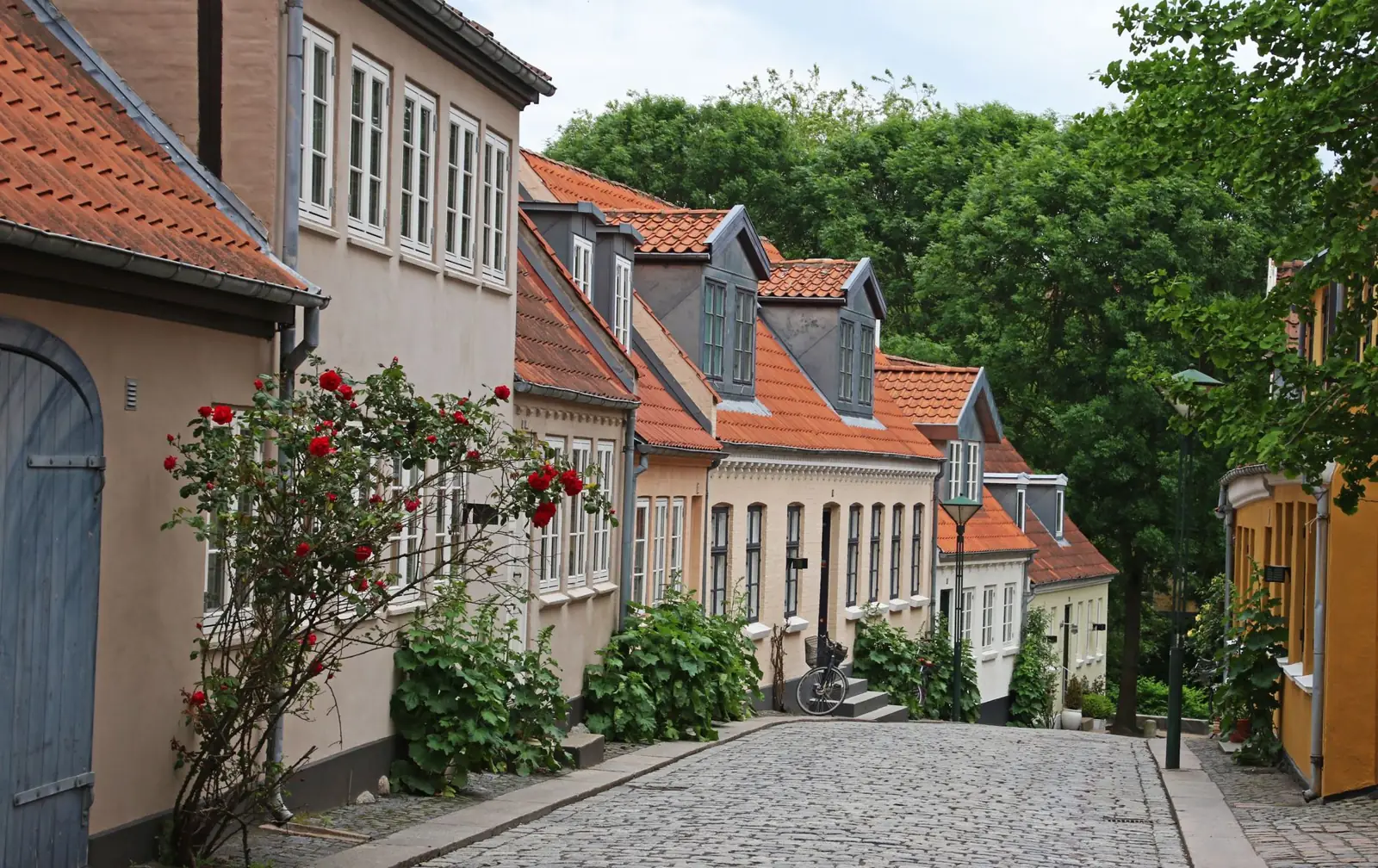
Odense
Cool winters and changeable, generally mild summers call for layers. Harbour wind can make a pause feel colder, and rain remains possible throughout the year. Monthly values are calculated from NASA POWER MERRA-2 gridded daily data for 1991–2020 at the city coordinates. They represent a regional model cell, not a city weather station. Street shade, coastal exposure, elevation and urban warmth can differ. Climate averages do not predict an individual trip.
Open city guideBefore you zip the bag
Dress for the time outdoors
- Keep a wind-resistant rain layer accessible beside the harbour.
- Use comfortable shoes with grip on cobbles, wet paths and winter surfaces.
Book one main visit at a time
- Save museum slots and current seasonal opening calendars.
- Check accommodation sockets before choosing an adapter, especially for an earthed appliance.
- Currency
- Danish krone (DKK)
- Plug types
- C / E / F / K · 230 VCheck your adapter →
- Emergency number
- 112
VisitDenmark: currency · Danish Environmental Protection Agency: practical electricity information
Stay connected
Mobile data for your trip. Check what your current plan includes for roaming. If you need another option for maps, messages and booking details, compare NXTL eSIM coverage and rates. Check that your phone supports eSIM and is unlocked, and check coverage for every stop. Download important maps and confirmations for offline use too.
Useful reads for Denmark
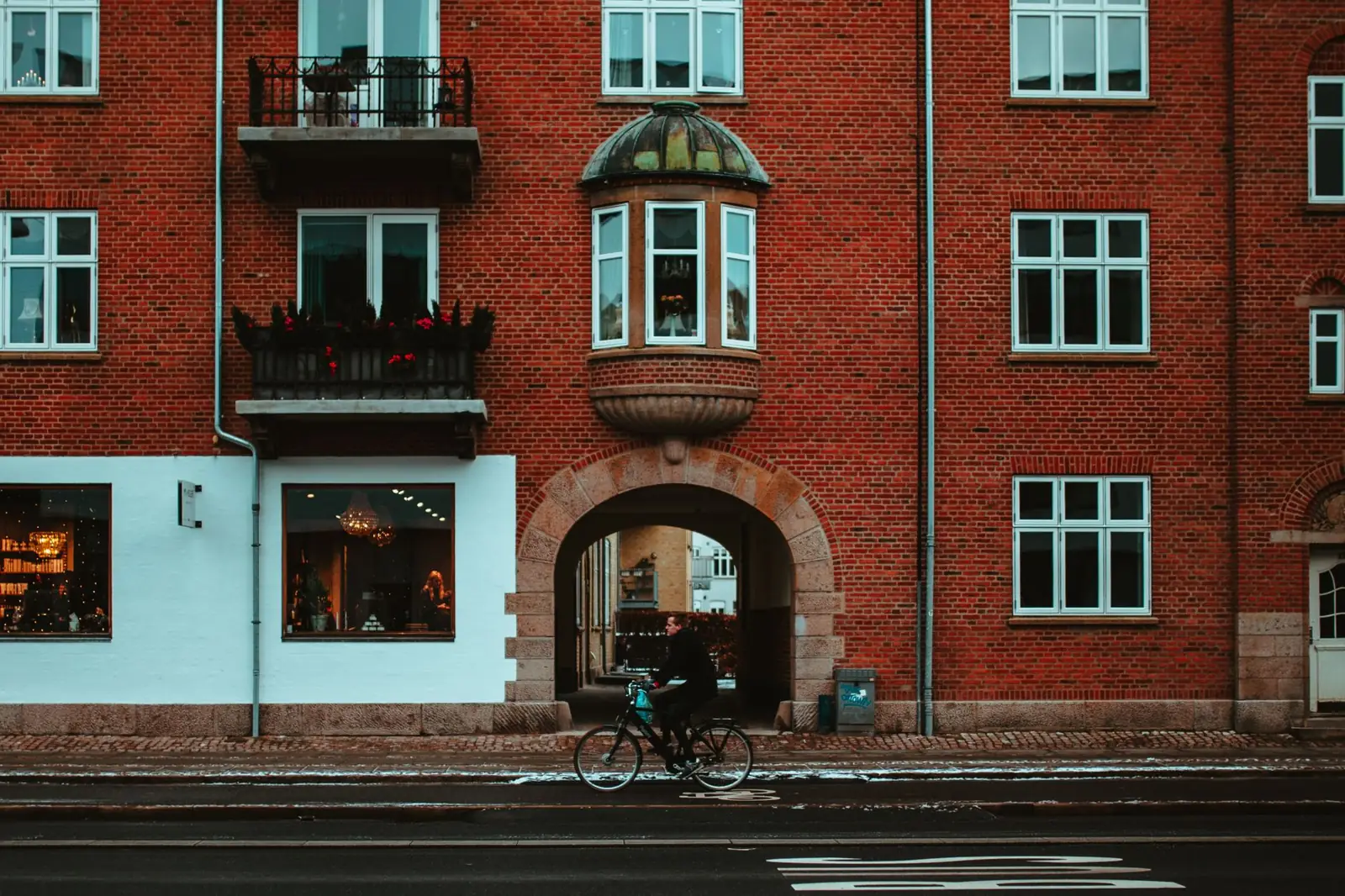
A first weekend in Aalborg
Give Aalborg one waterfront-and-city day, then choose art or archaeology for the second. That keeps the fjord crossing and museum openings from becoming last-minute surprises.
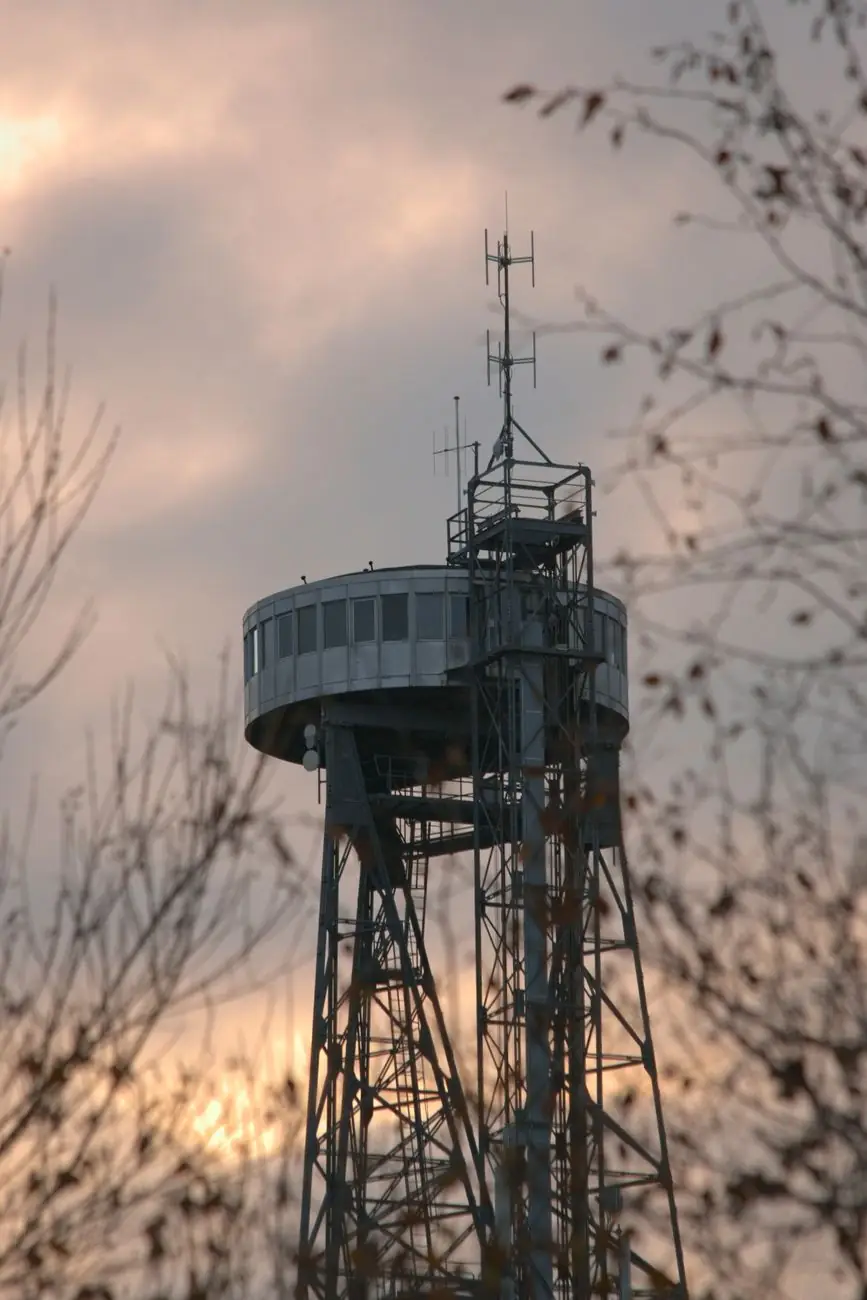
Aalborg: Kunsten, Kildeparken and a tower choice
Choose Kunsten for art and Alvar Aalto’s architecture, with a park pause on the approach. Aalborg Tower is a separate seasonal viewpoint, so check it before making the climb the purpose of your day.
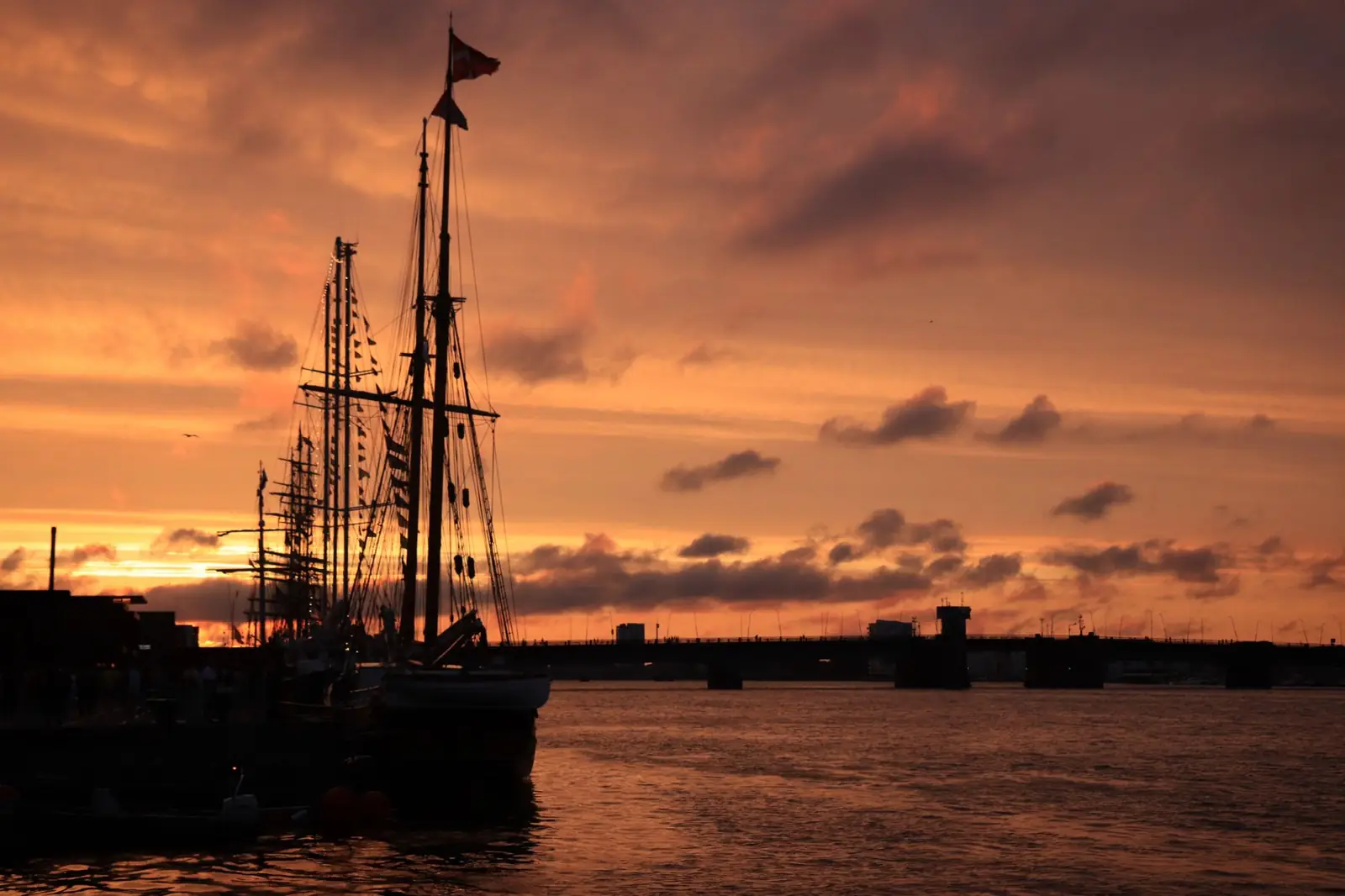
Aalborg: Lindholm Høje as a separate half-day
Lindholm Høje lies across the fjord from central Aalborg. Give its stone settings and museum a separate half-day, with the indoor opening calendar checked before you travel.
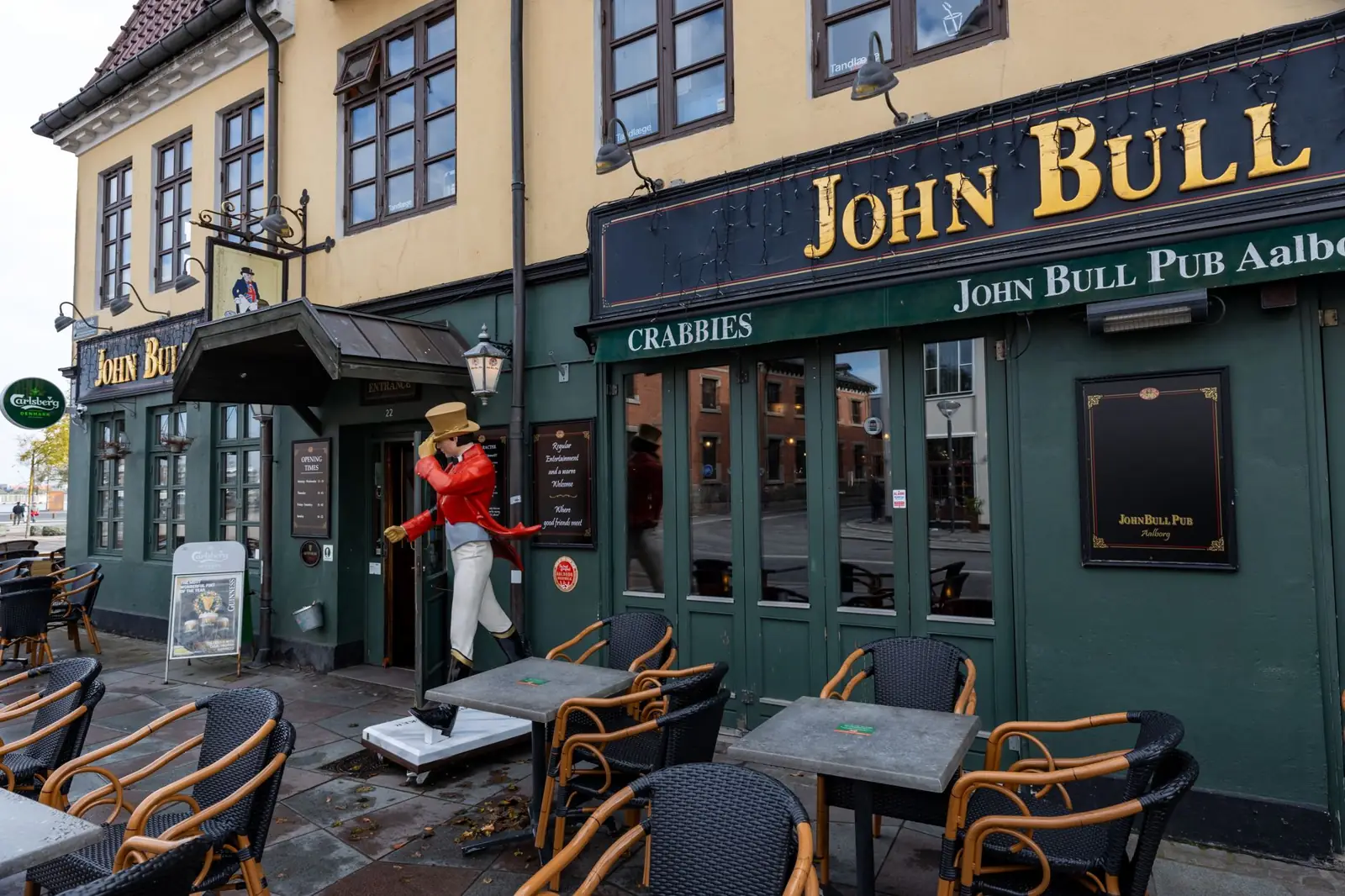
Aalborg: the older centre and a named pub stop
Use Aalborg’s old streets for a compact walk between the centre and fjord. A specific pub stop can make a useful finish, but the architecture and public streets remain the route’s main purpose.
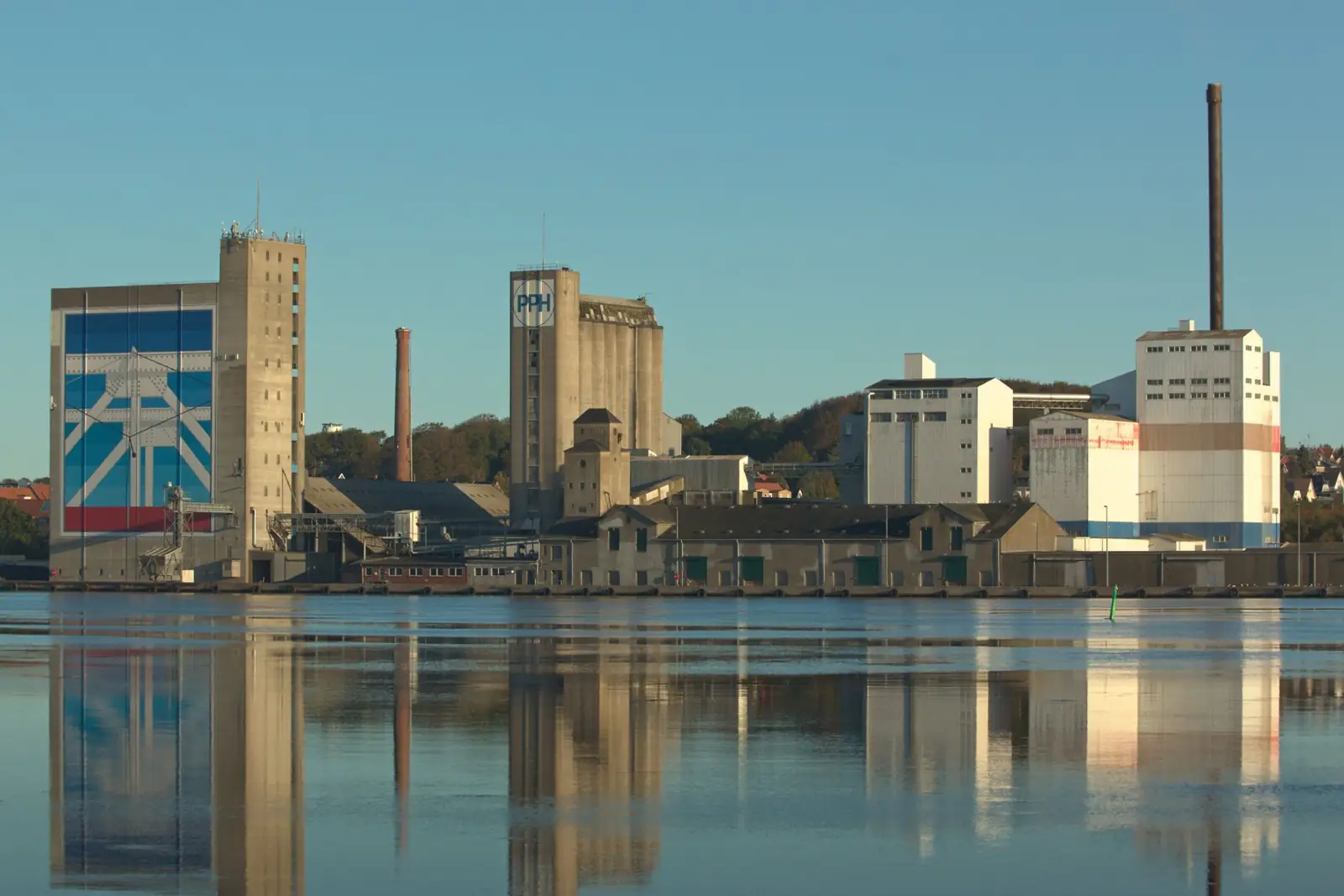
Aalborg: Utzon Center and the Limfjord waterfront
Aalborg’s waterfront lets you compare a working fjord city with newer cultural buildings. Use the Utzon Center as the main interior, then keep the outdoor route flexible in wind.
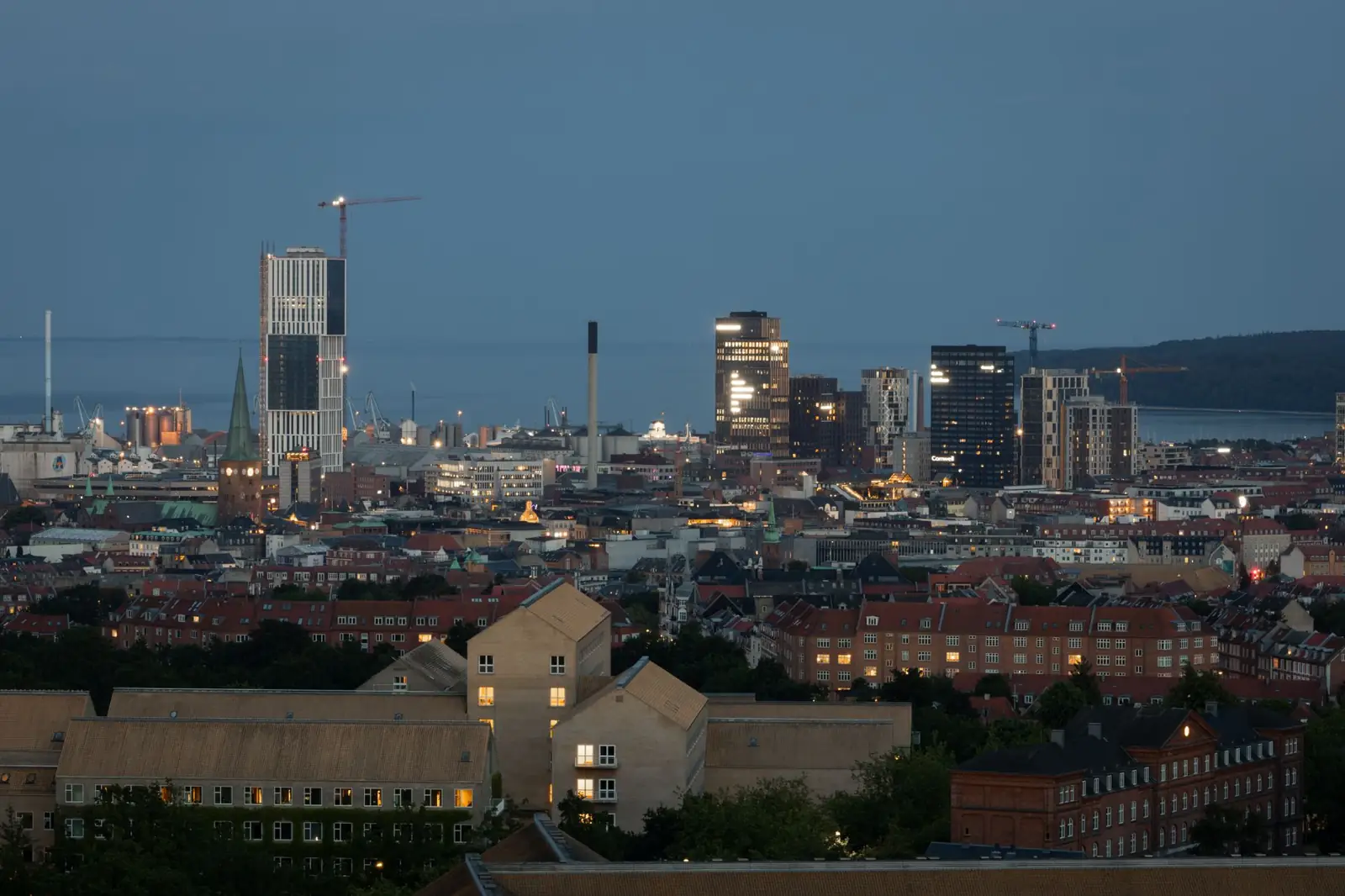
Aarhus: ARoS rainbow roof and Skyspace choices
ARoS now offers two very different ways to look at light. Leave space for galleries, the rainbow roof and a quiet Skyspace visit instead of treating the museum as one hurried rooftop photograph.
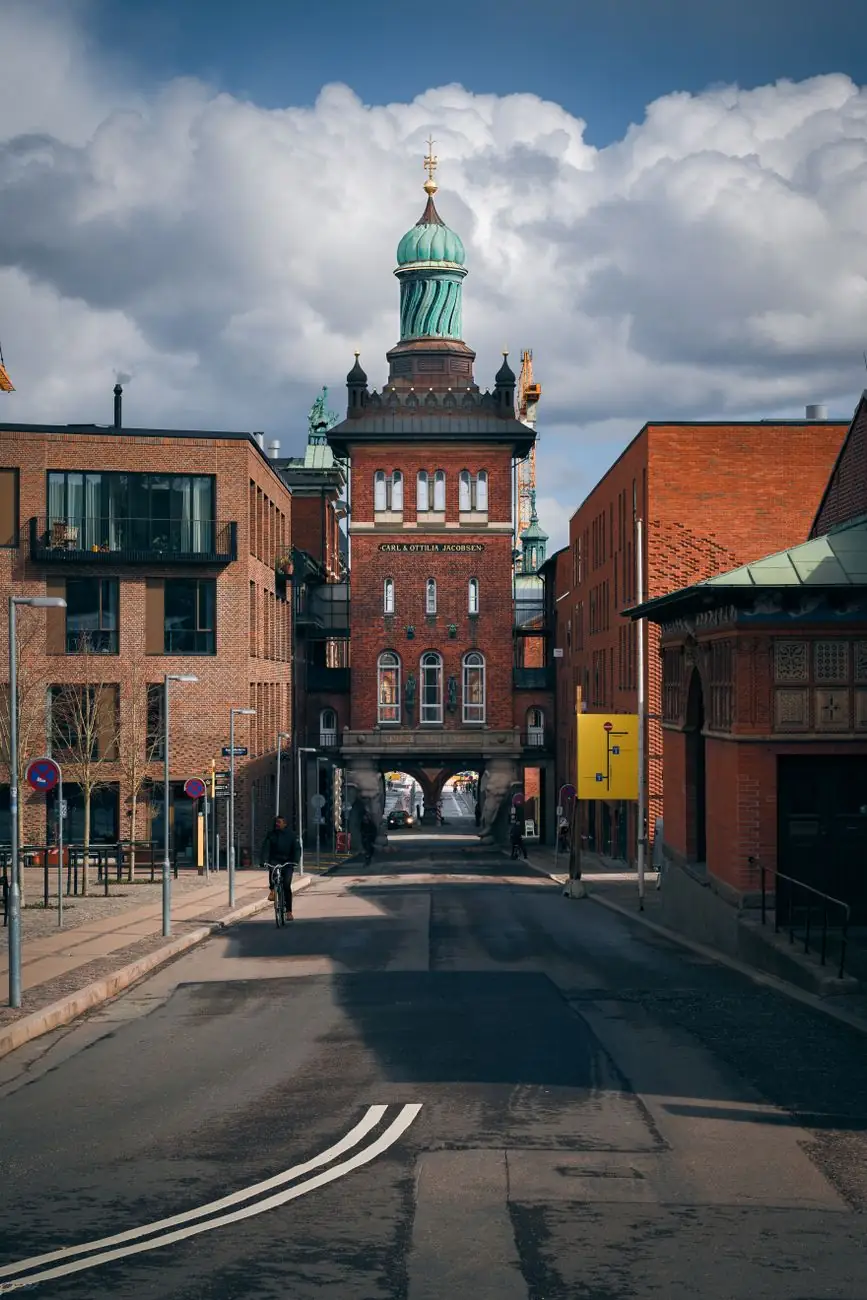
Aarhus: Den Gamle By and the nearby greenhouses
Den Gamle By is a social-history visit with several eras, not simply a collection of old façades. Choose the neighbourhoods you most want to explore, then use the nearby botanical garden as a shorter second stop.
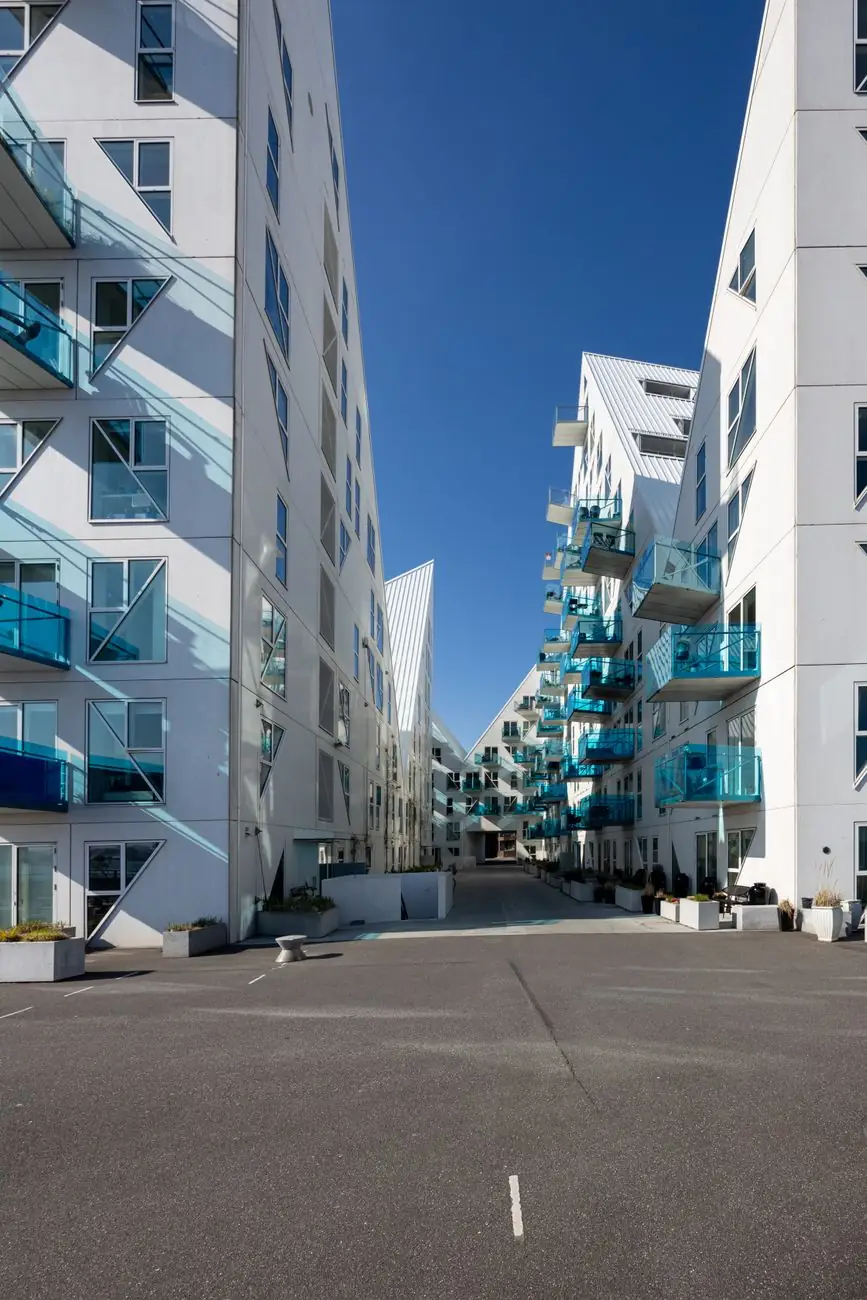
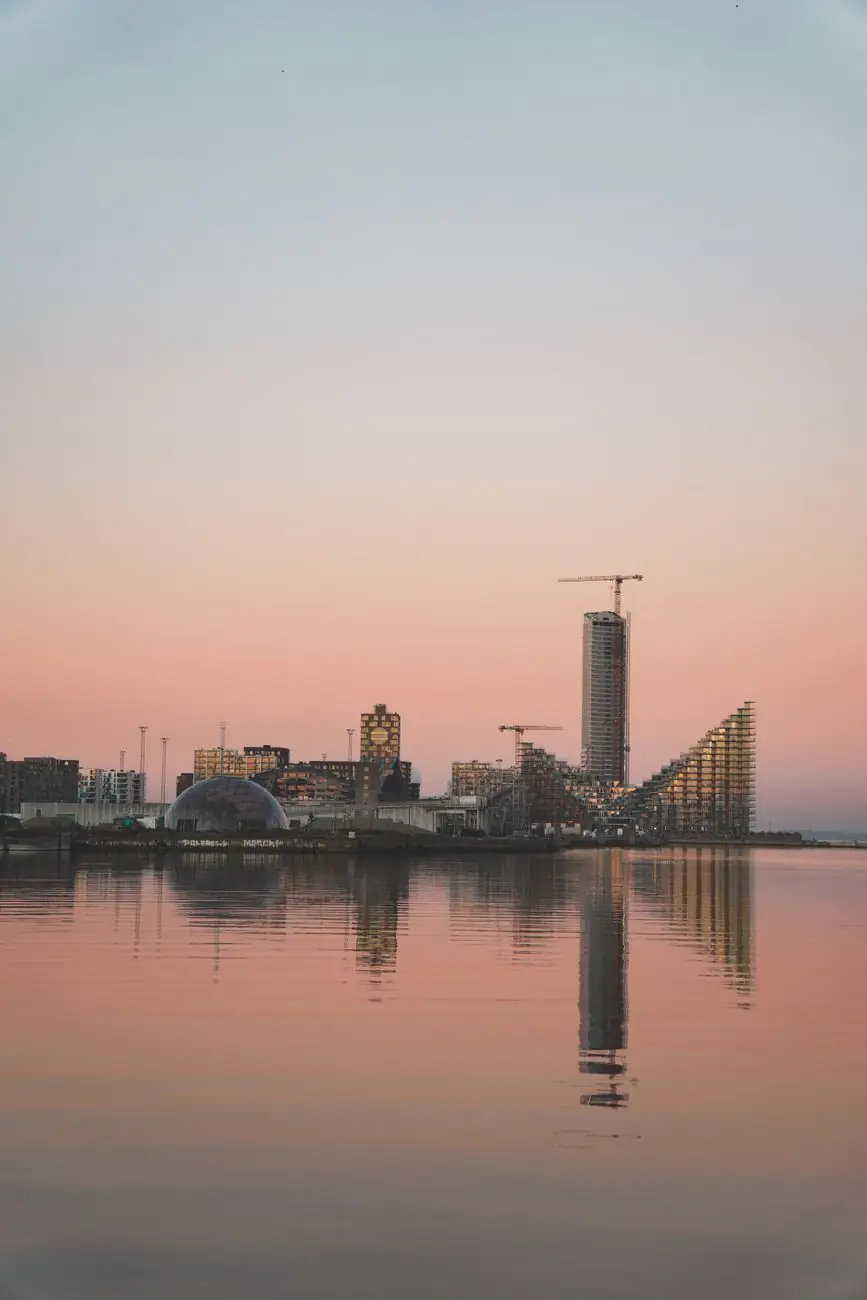
Aarhus: Dokk1 to Aarhus Ø on the waterfront
Use Dokk1 as the start of an architecture walk, then head towards Aarhus Ø for a very different skyline. Keep the return journey in mind: exposed harbour paths can feel longer in wind than they look on a map.
A first weekend in Aarhus
Spend one day on art and the older centre, then choose social history or the coast for the second. Aarhus rewards enough time inside a museum rather than a packed sequence of admissions.
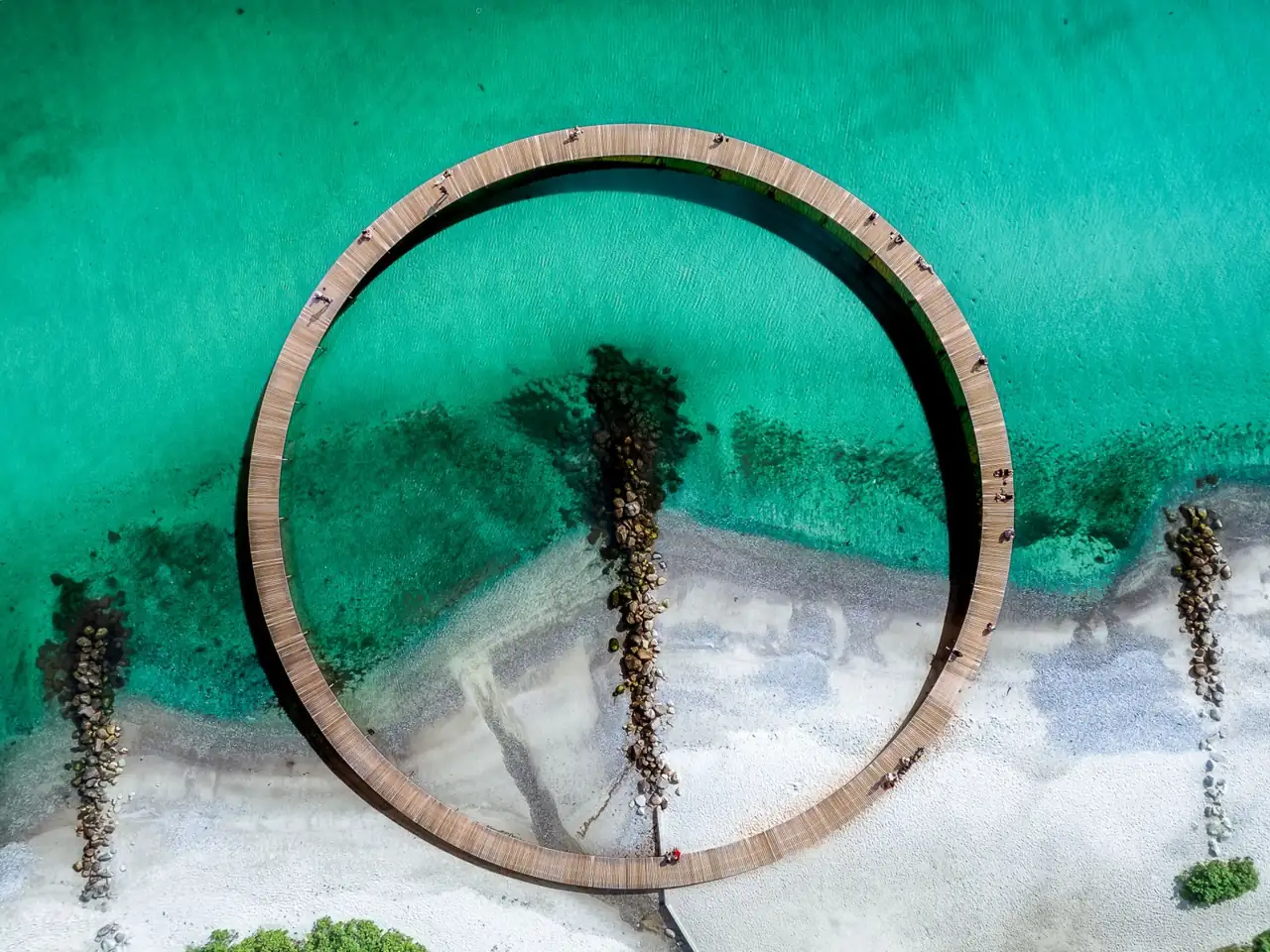
Aarhus: the Infinite Bridge and a coastal outing
The circular Infinite Bridge gives you a simple reason to leave the centre for the coast. Its seasonal installation is part of the decision: the beach setting remains worthwhile when the bridge itself is removed.
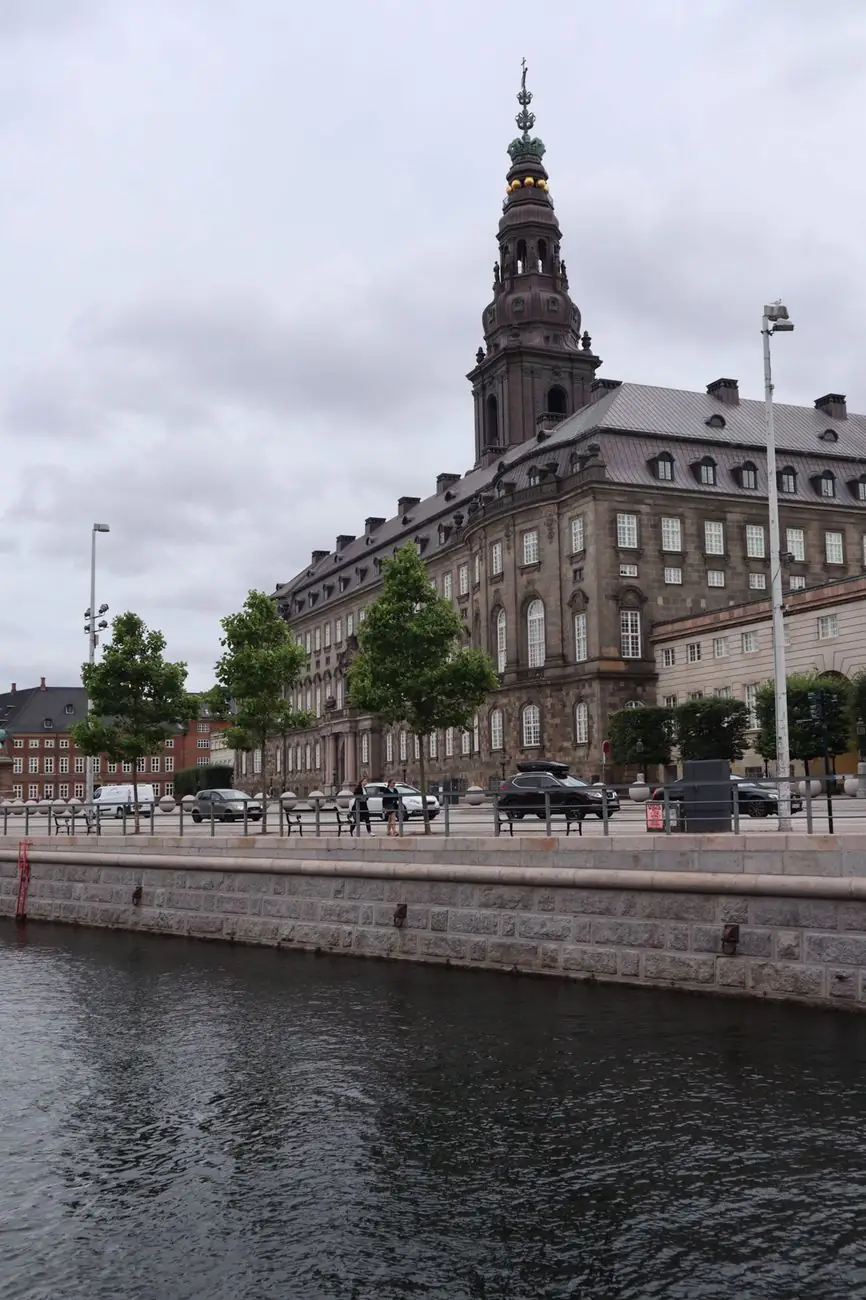
Copenhagen: Christiansborg sites and Børsen’s rebuilding
Christiansborg contains several visitor sites, not one undifferentiated palace tour. Choose the rooms, ruins or stables that interest you, then use Slotsholmen’s canal edges for context.
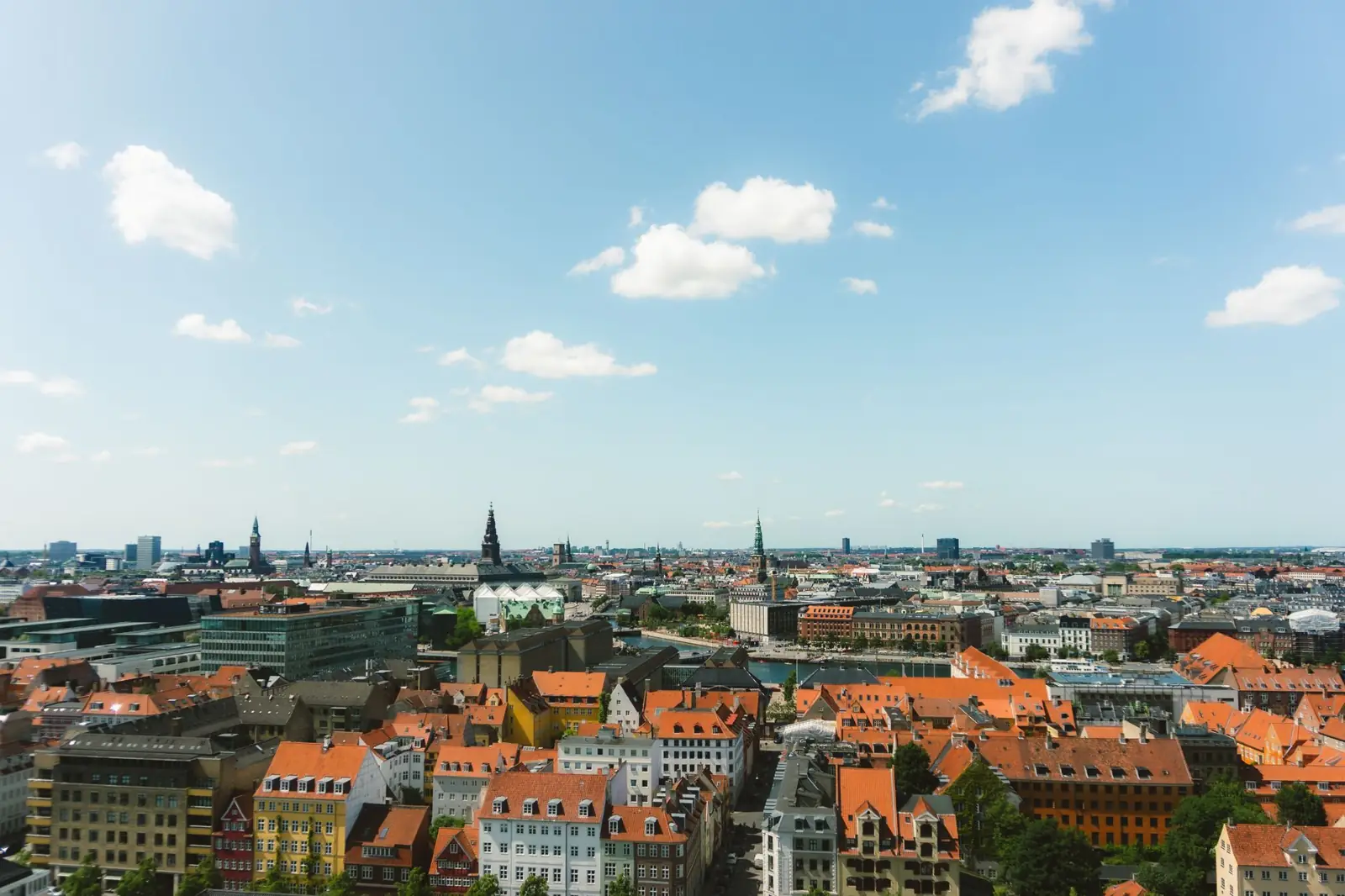
A first weekend in Copenhagen
Give Copenhagen two coherent days: an inland palace-and-market day, then the harbour and a separate evening choice. Keep one main reservation per half-day so there is time to eat and look around.
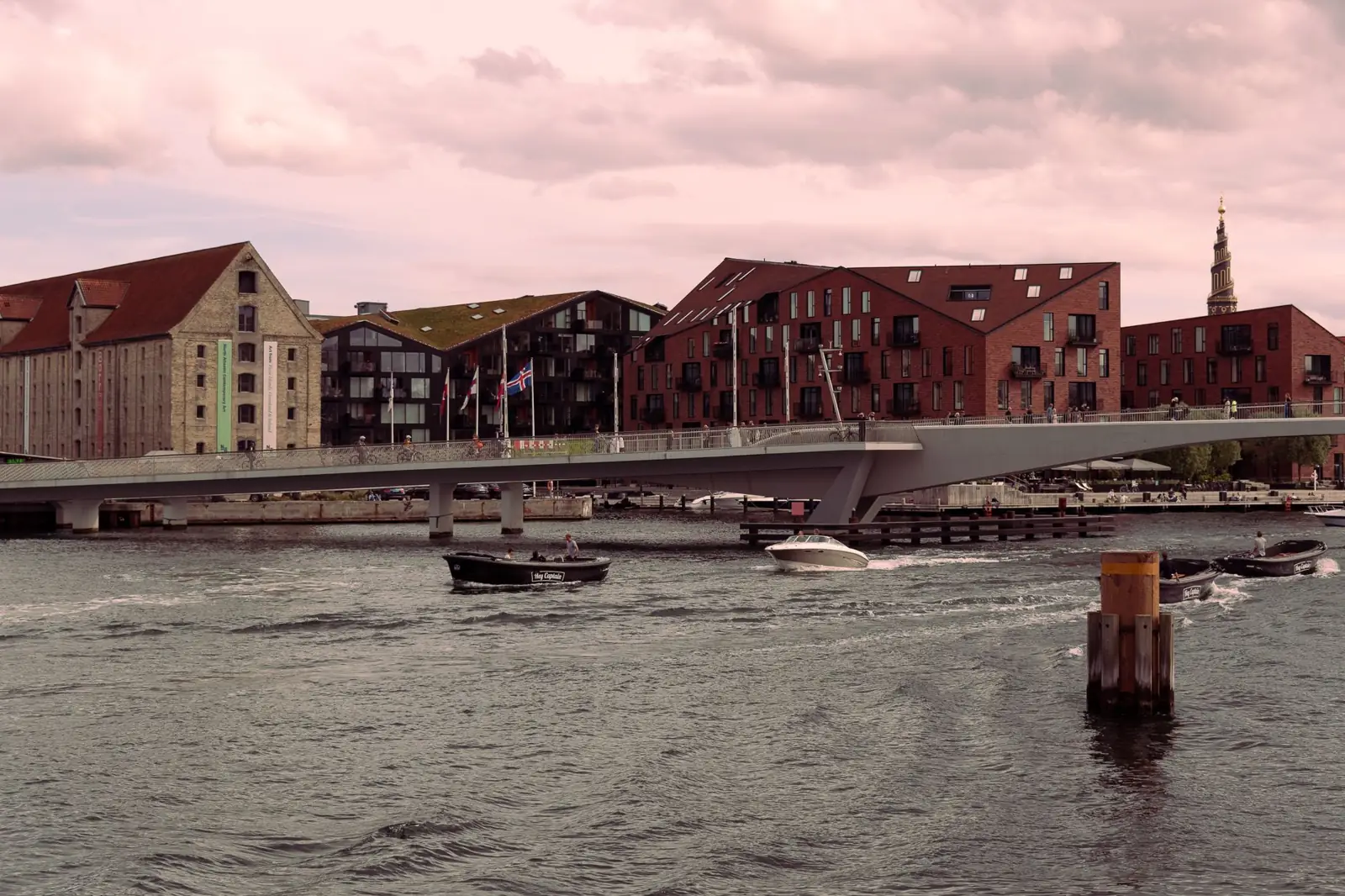
Copenhagen: Nyhavn, harbour bridges and a canal cruise
Walk Nyhavn for its harbour setting, then cross towards the wider waterfront. A canal cruise offers a different viewpoint, but its departure point and inclusions matter more than the word “Nyhavn” in a search result.
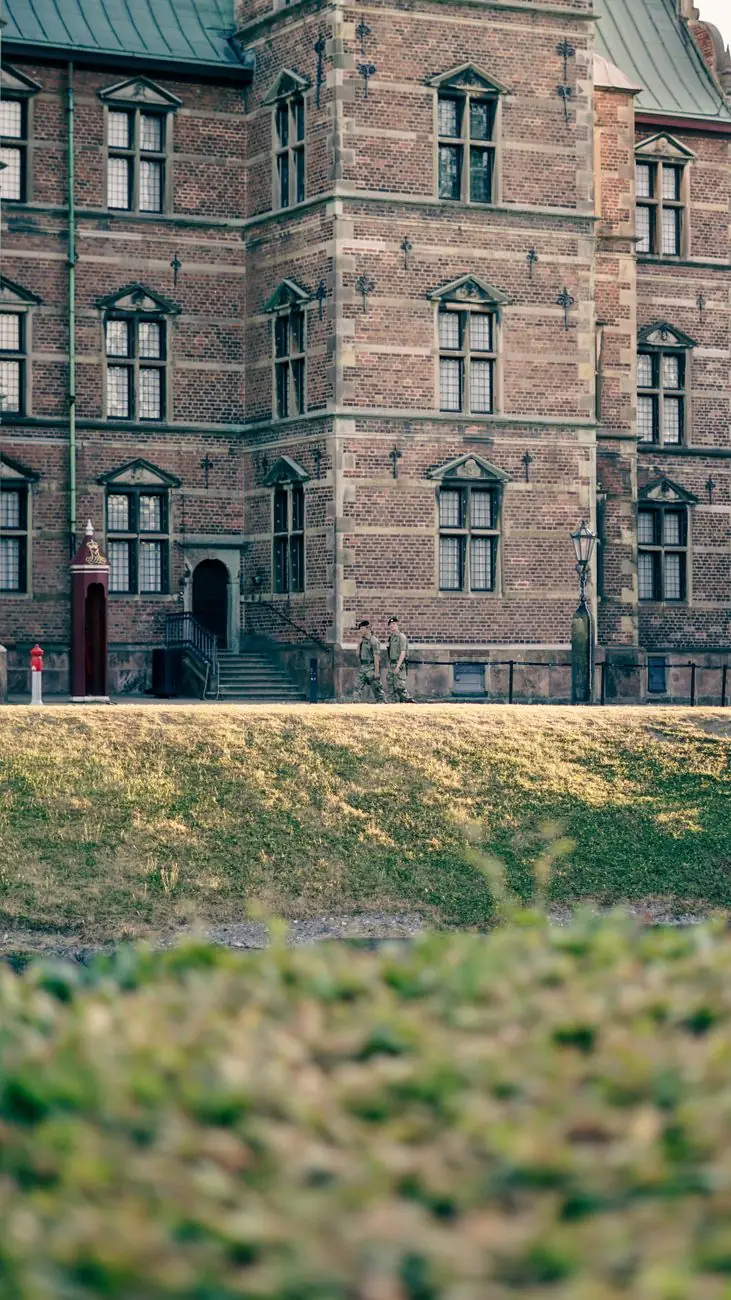
Copenhagen: Rosenborg, the gardens and Round Tower
Use a Rosenborg slot for the royal collection, then keep the rest of the outing flexible. The gardens and Round Tower are different experiences, so you can shorten the day without losing its shape.
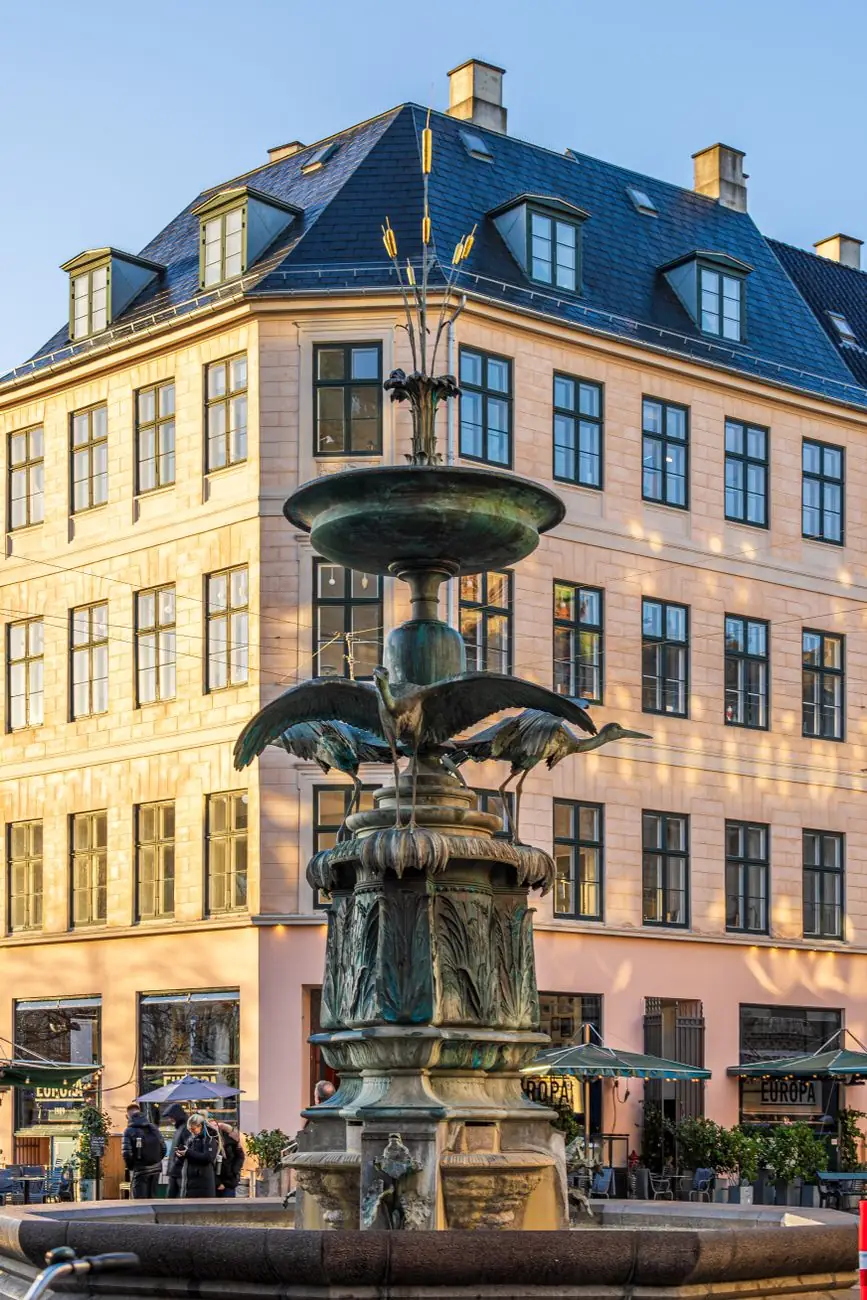
Copenhagen: Torvehallerne lunch and a city-centre loop
Make lunch part of the plan rather than an afterthought. Torvehallerne lets you try a specific Danish food idea, then continue through the centre without committing to a long restaurant sitting.
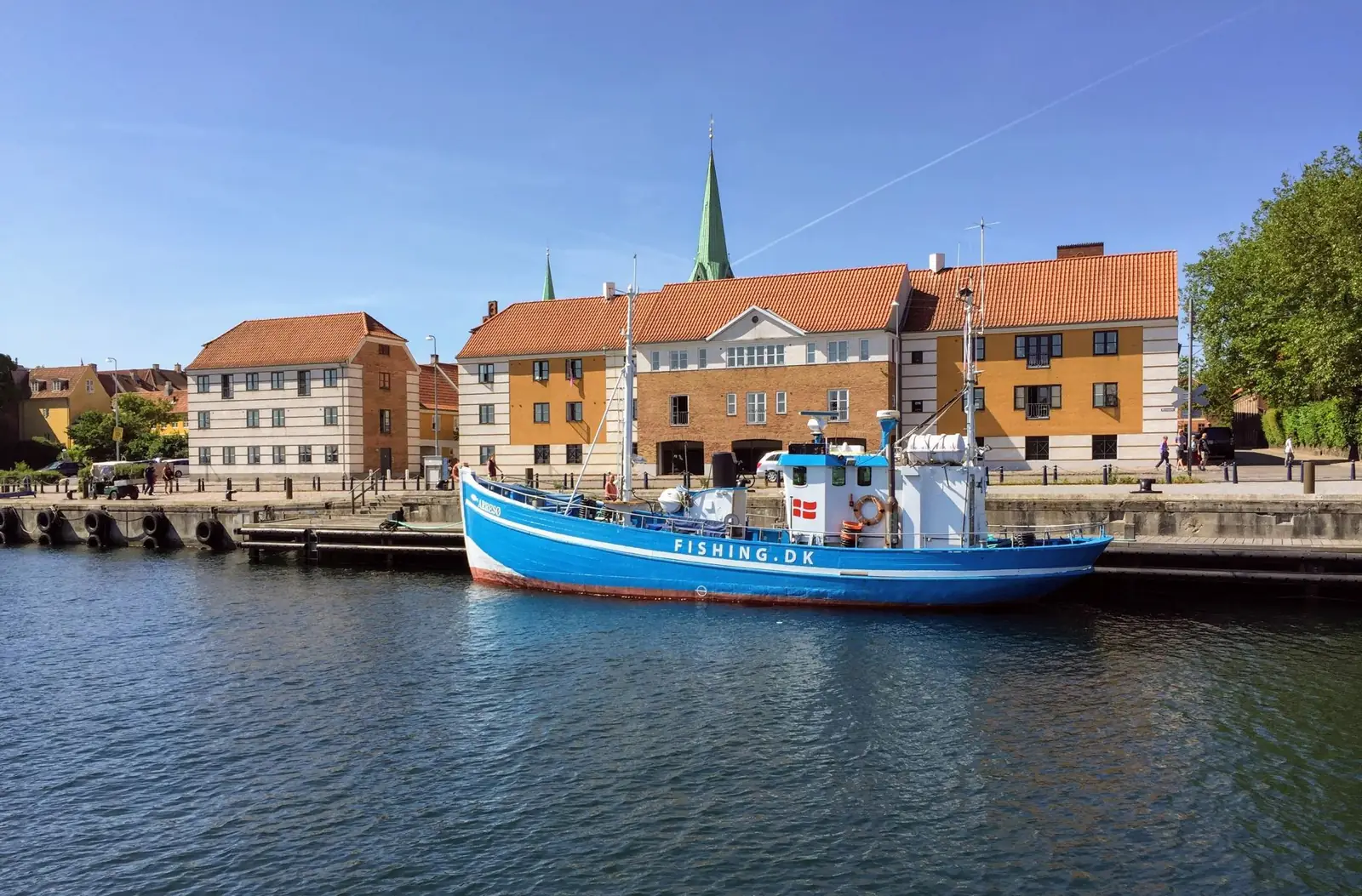
Helsingør: Culture Harbour and the Shipyard Food Market
Use the Culture Harbour for a lighter Helsingør outing between museums. A named food market makes a practical pause, while the working maritime setting gives the walk more purpose than a generic waterfront stroll.
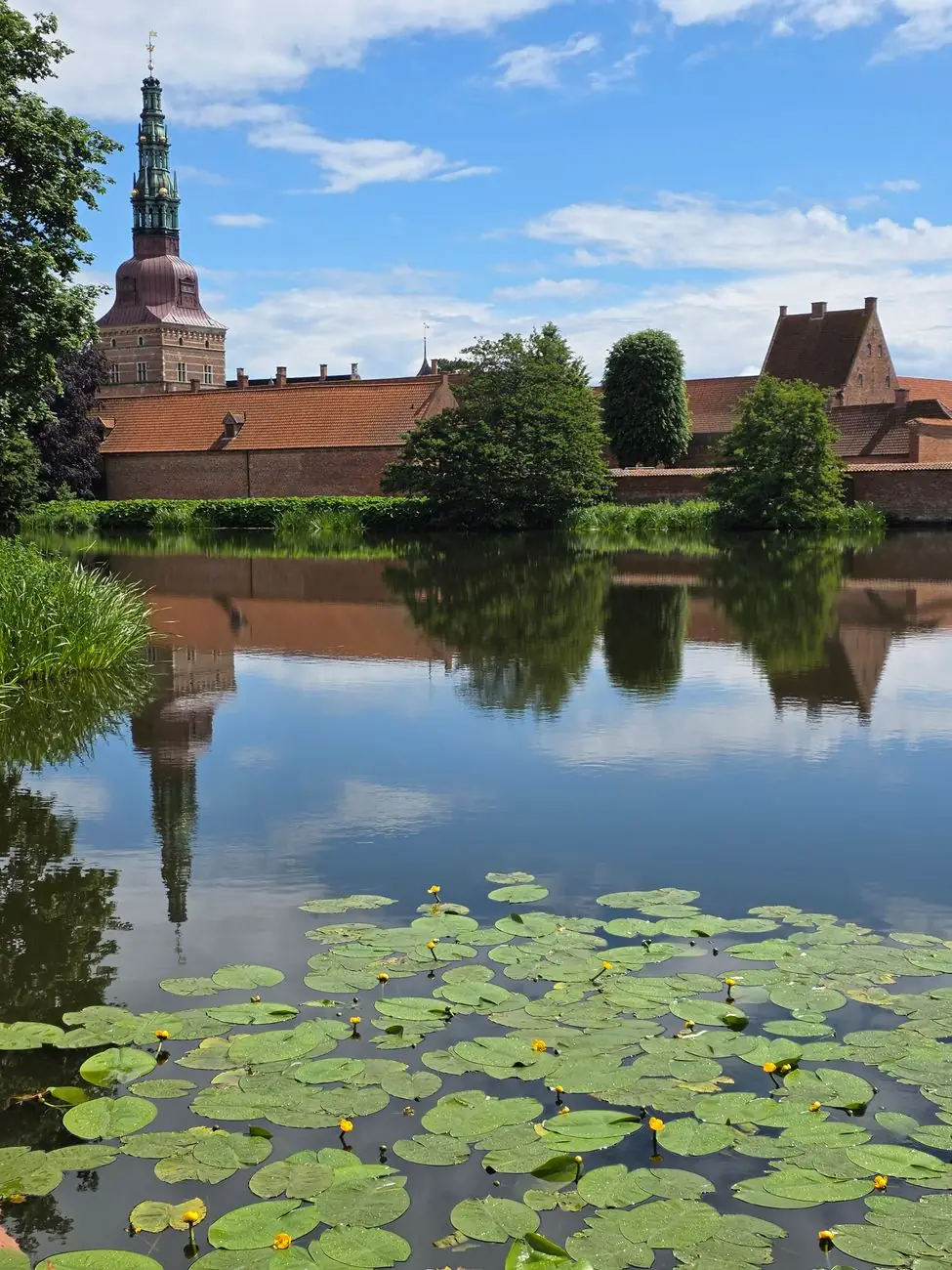
A first weekend in Helsingør
Give the castle and maritime collection separate half-days, with old-town streets and food in between. That makes Helsingør a stay rather than a hurried photograph between trains.
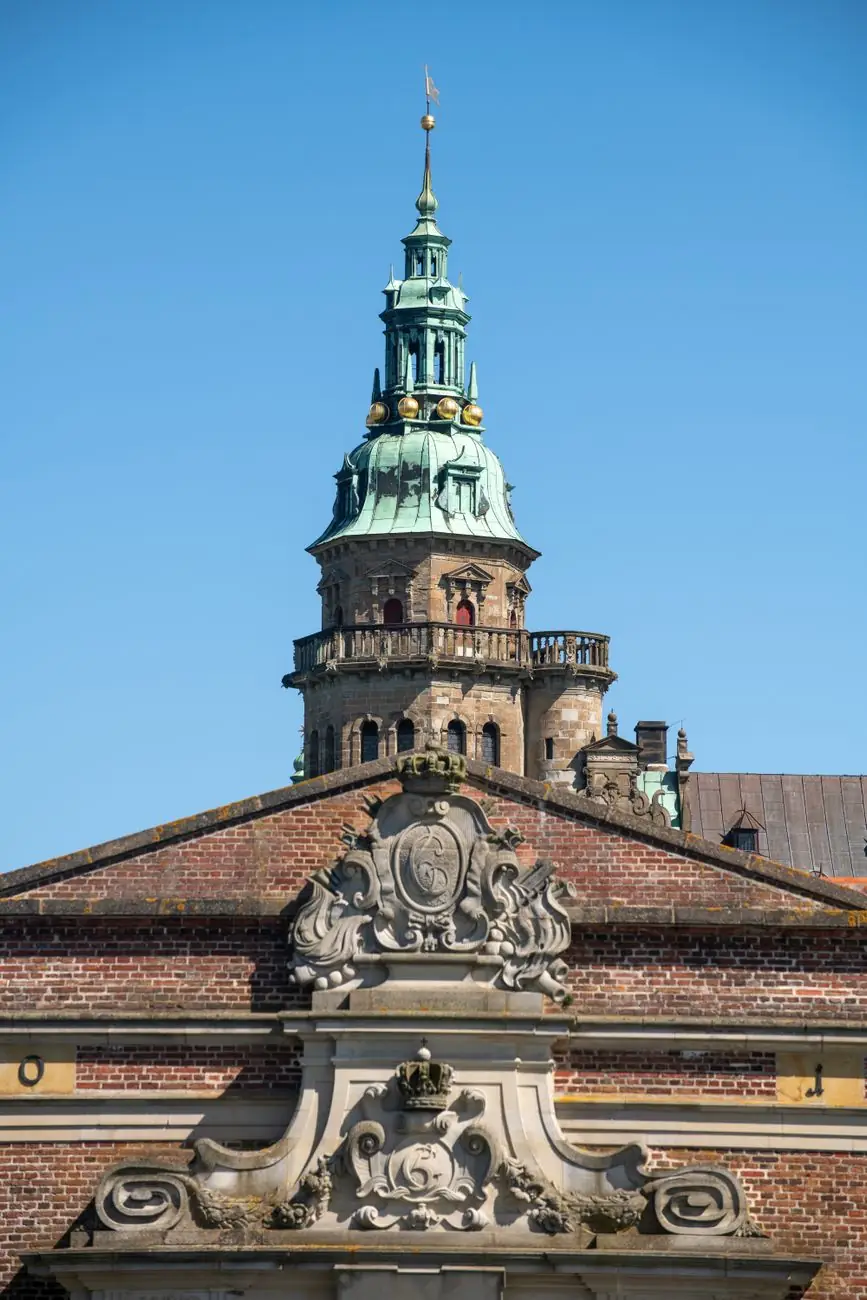
Helsingør: Kronborg halls, casemates and entry choices
Kronborg deserves an interior visit if its royal rooms, fortifications and Hamlet associations interest you. Check the seasonal calendar, then leave room for the casemates and harbour setting.
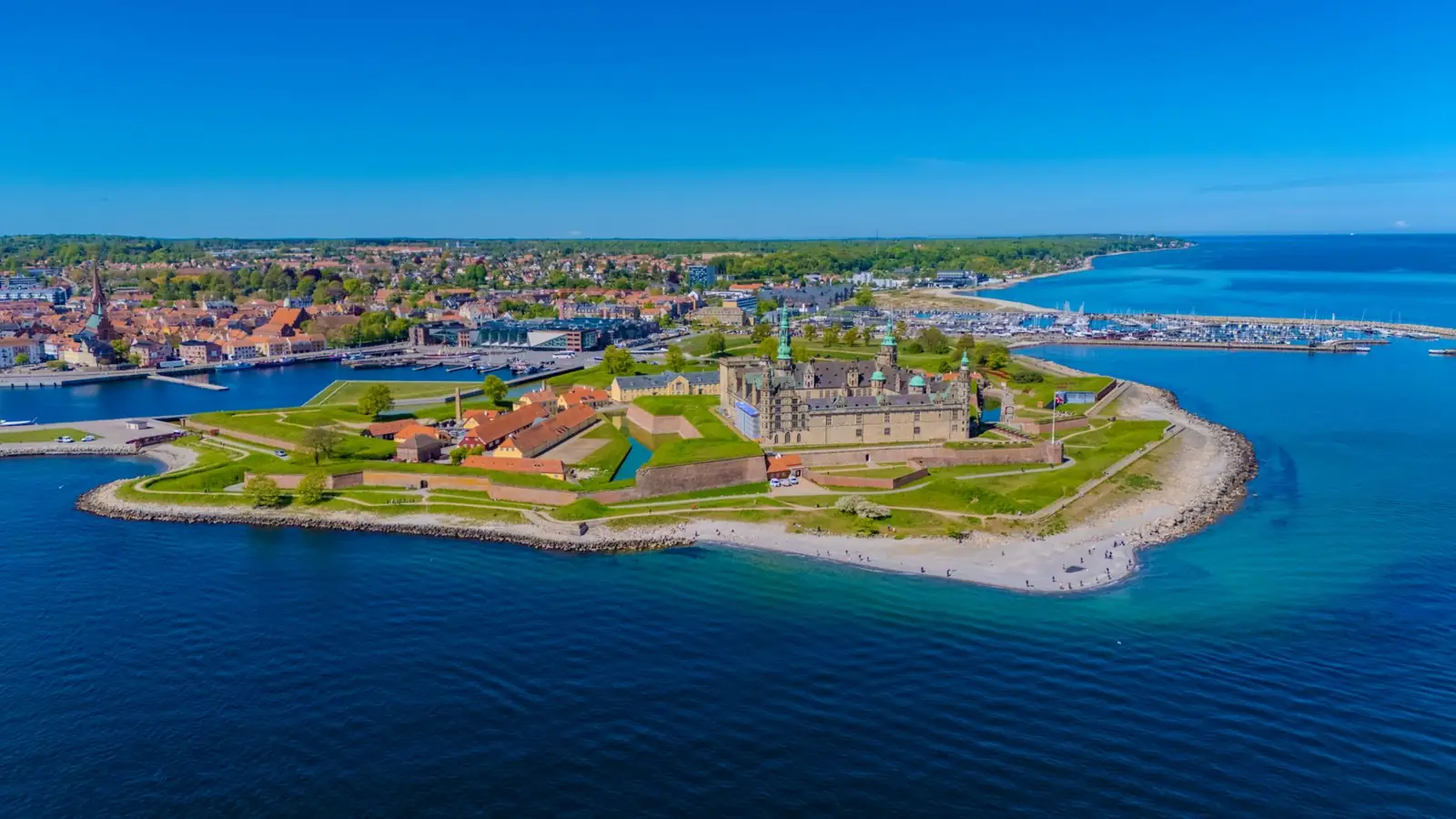
Helsingør: Maritime Museum and the former dry dock
The M/S Maritime Museum uses the old shipyard setting for a different story from Kronborg’s royal rooms. Choose it for maritime objects and the architecture around the dry dock, then decide whether the castle needs another half-day.
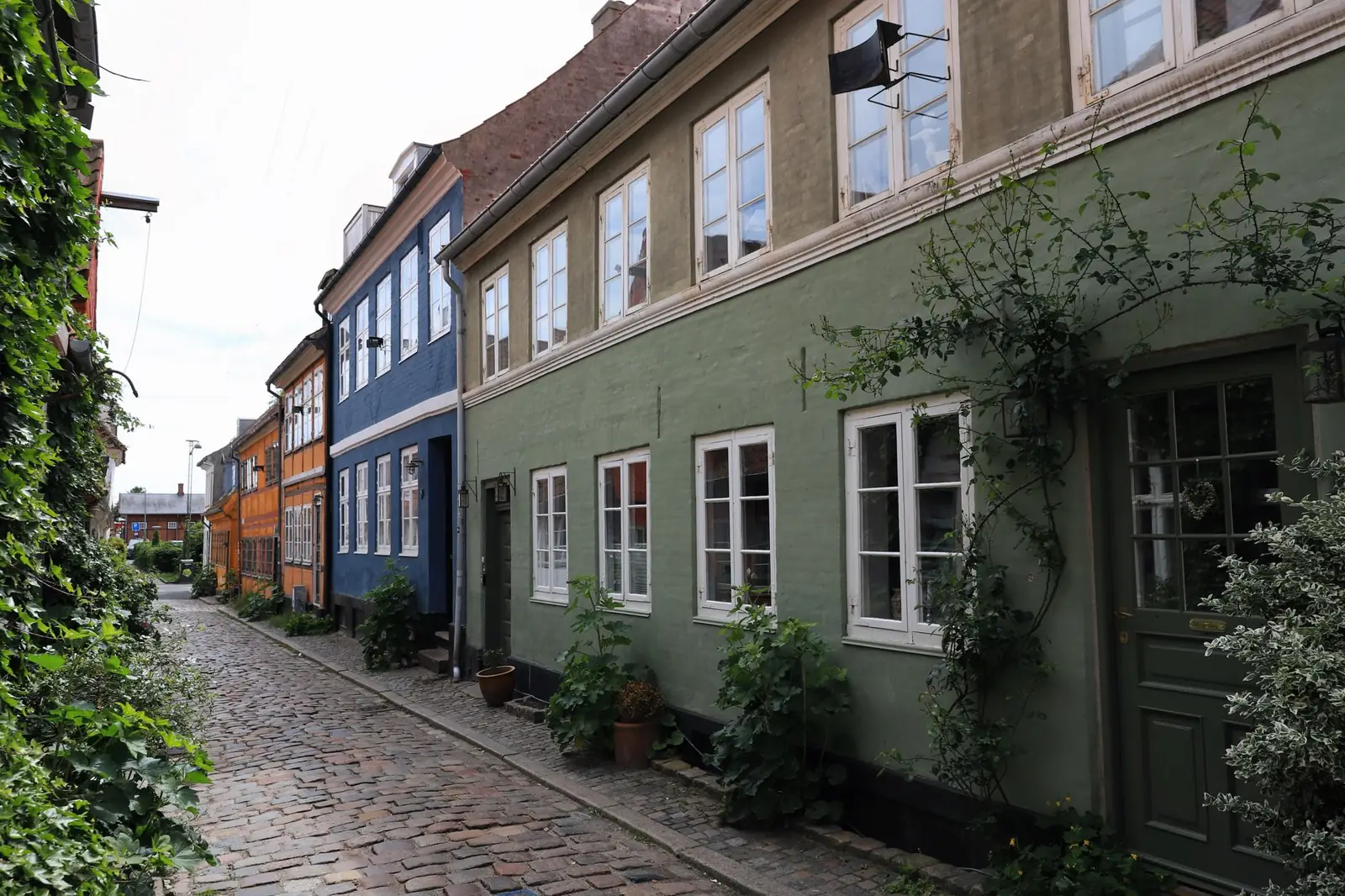
Helsingør: Strandgade and the old trading town
Walk the old town for its trading streets and surviving houses, using Strandgade as a clear anchor. Small museum openings matter here, so keep exterior stops useful even when an interior is unavailable.
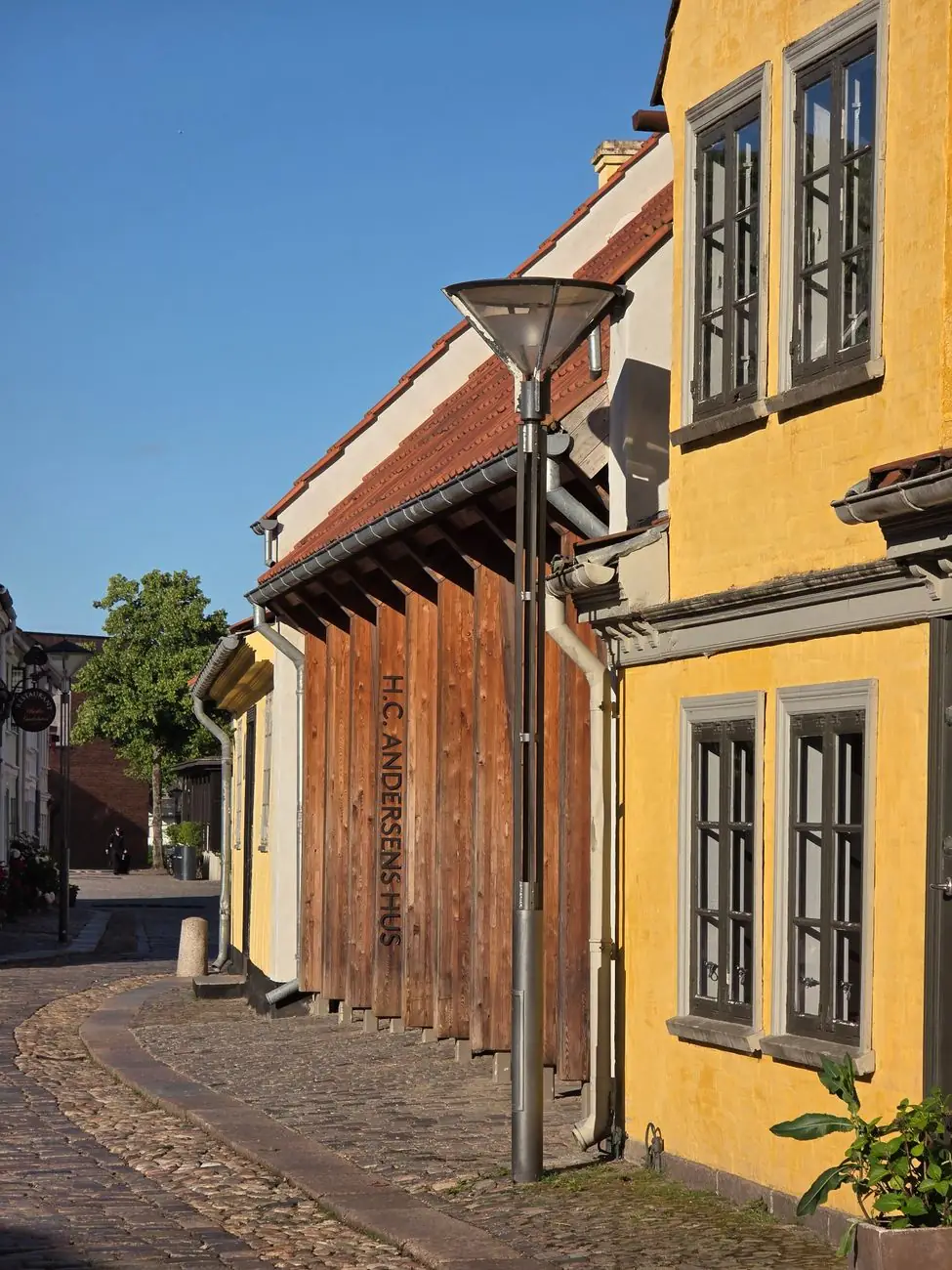
Odense: Andersen museum booking and the old quarter
Book the new Andersen museum as an immersive visit, then leave time for the streets around the birthplace. The childhood home is another building, so check what your ticket includes before setting off.
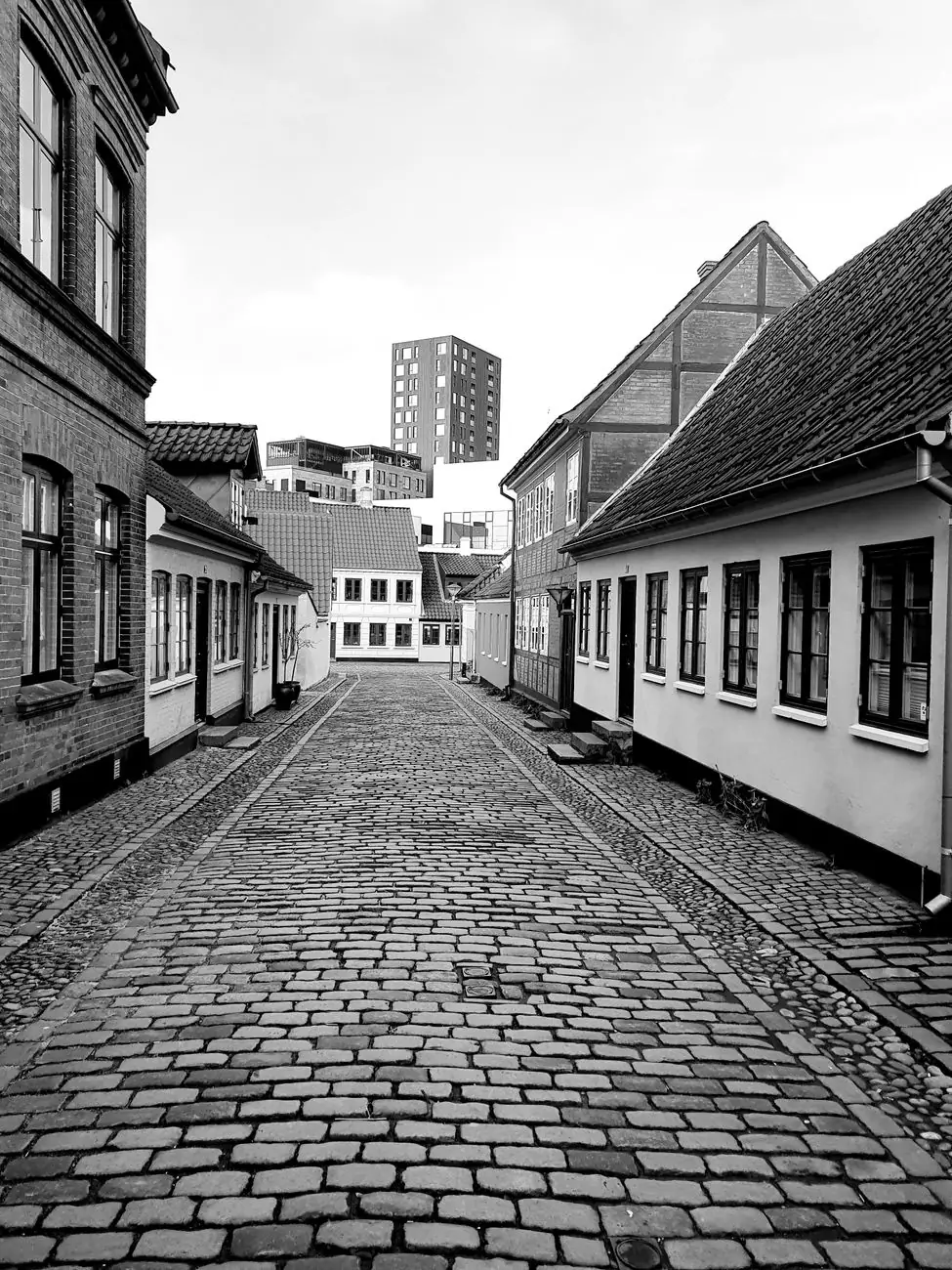
Odense: Brandts and a deliberate indoor choice
Choose Brandts for an art visit, then explore the surrounding quarter without adding another major museum automatically. Odense’s Railway Museum offers a genuinely different alternative if transport history interests you more.
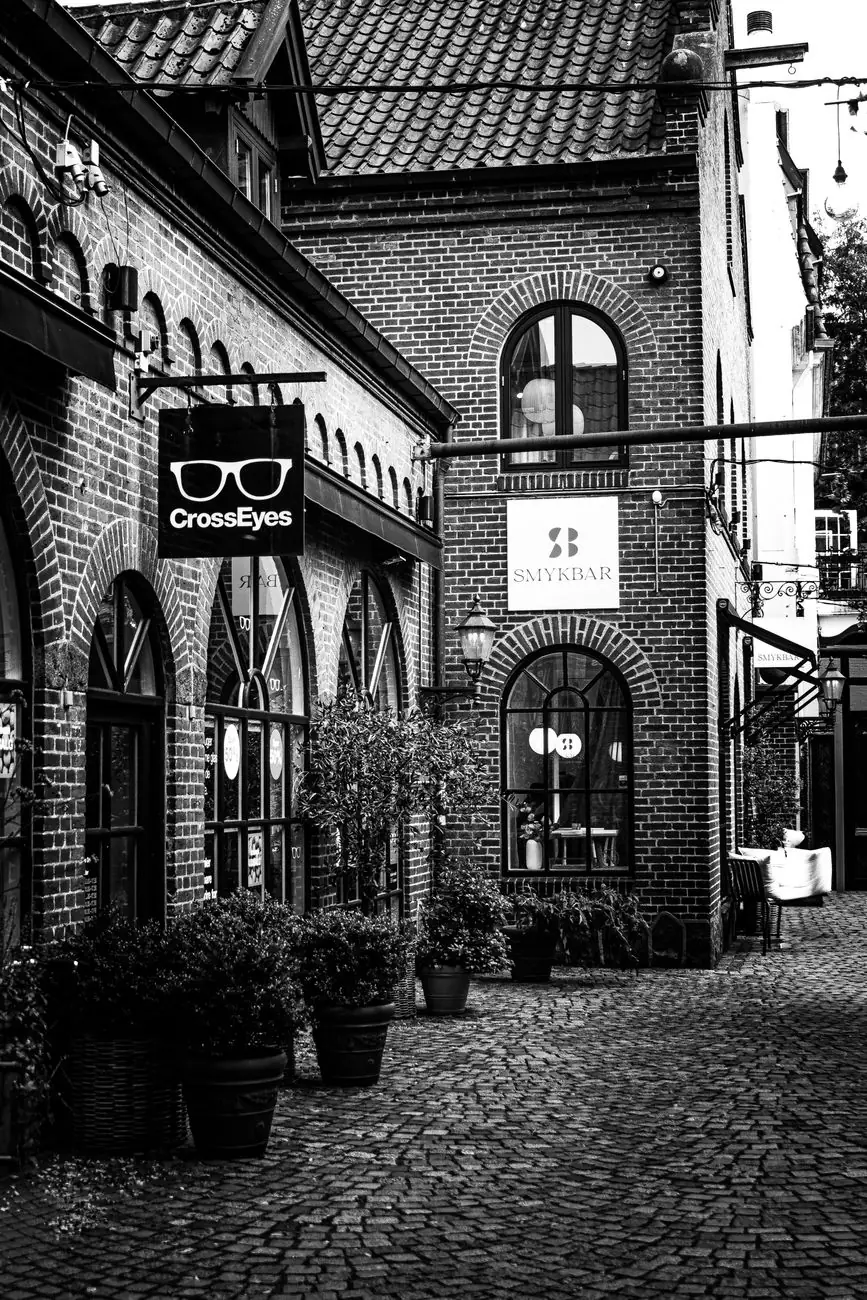
A first weekend in Odense
Use the Andersen museum for one main reservation, then give art or railway history its own second day. River paths and a named food stop provide useful pauses between interiors.
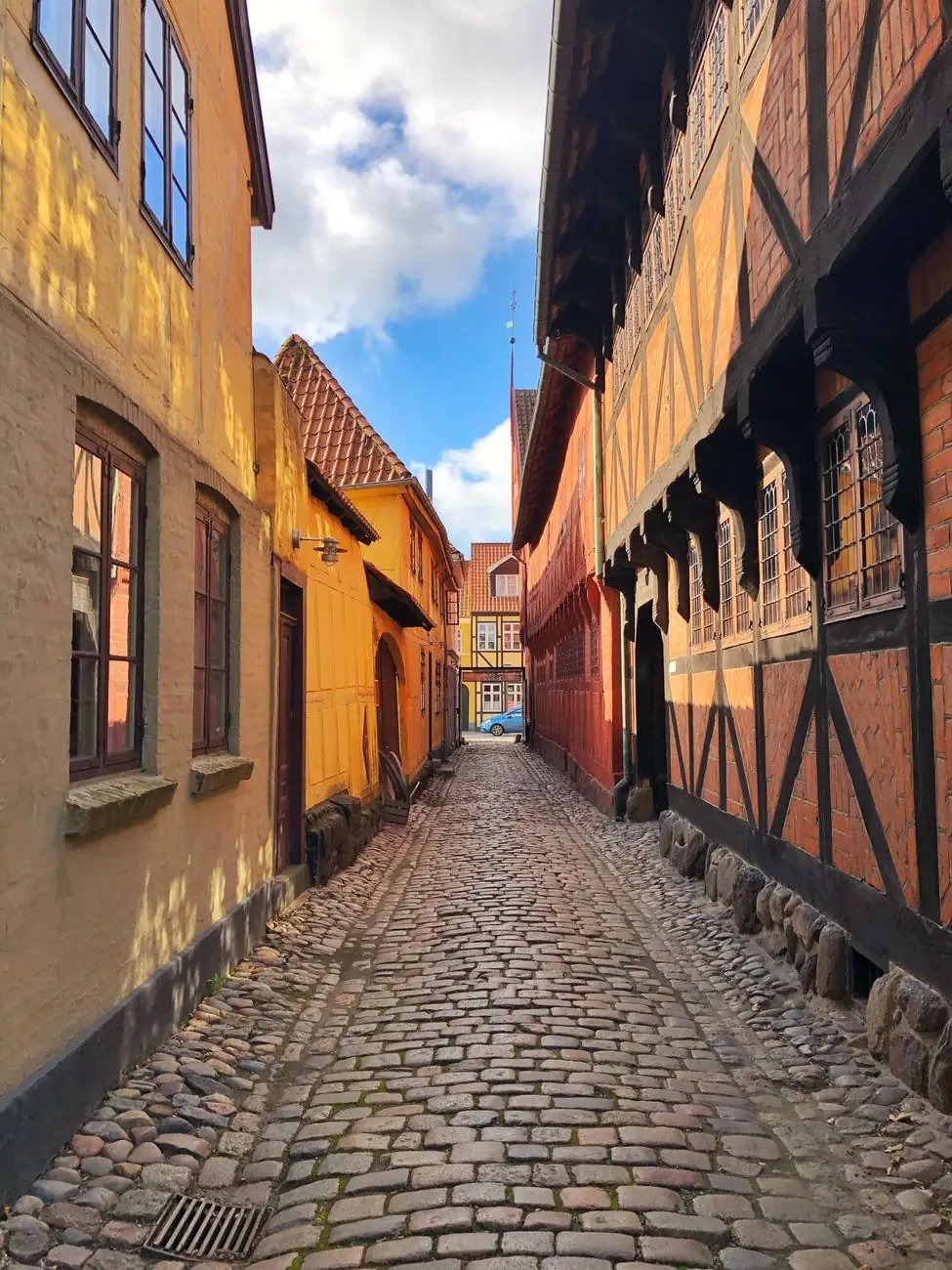
Odense: Munkemose river paths and a boat choice
Use the river for a slower Odense half-day, with a short walk that can expand if the weather holds. Aafart boats are a booked seasonal choice, not a permanent requirement for enjoying the park.
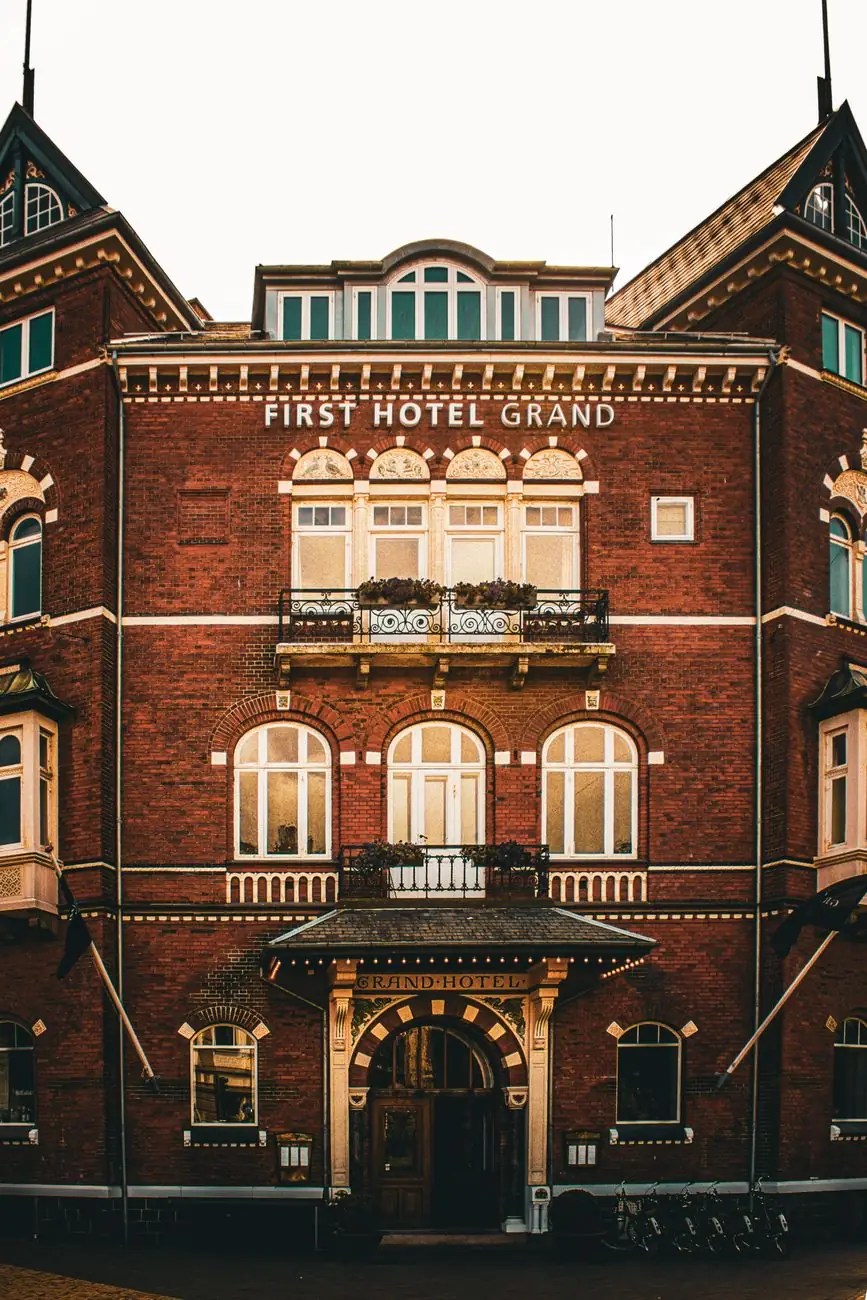
Odense: Railway Museum and Storms Pakhus
Keep this outing near the station: locomotives and carriages first, then a specific warehouse-food stop. It suits a different set of interests from an Andersen-focused day.