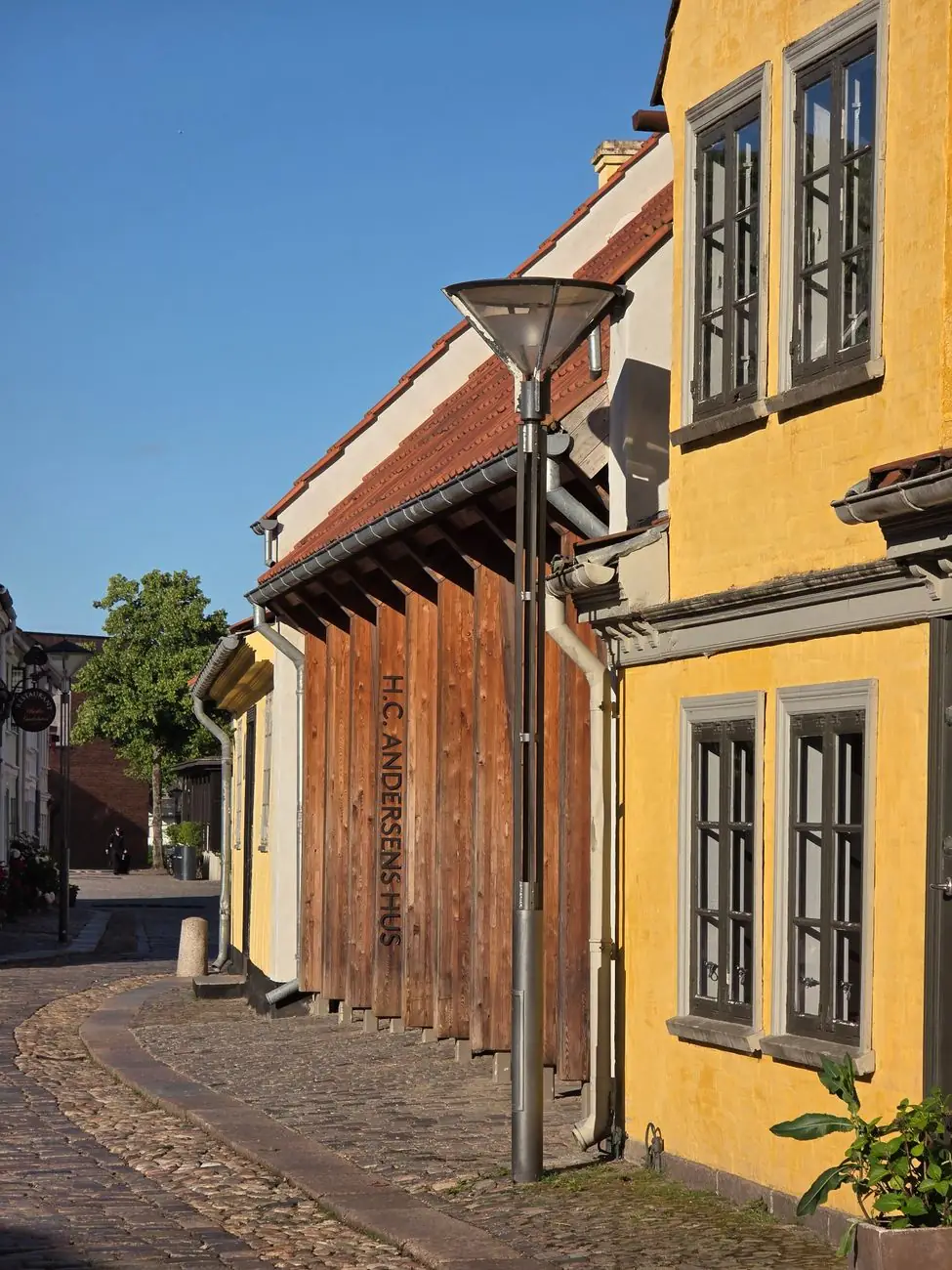
Hans Christian Andersen’s birthplace in Odense
Odense · Museum planning

Odense: Andersen museum booking and the old quarter

Book the new Andersen museum as an immersive visit, then leave time for the streets around the birthplace. The childhood home is another building, so check what your ticket includes before setting off.

01

Use the booked time as the anchor

At H.C. Andersens Hus, the museum combines stories, sound and scenography. The venue recommends allowing about 1½–2 hours and booking a timed entry in advance. An annual pass or complimentary admission still needs a reservation.

Mobile data for your trip. Check what your current plan includes for roaming. If you need another option for maps, messages and booking details, compare NXTL eSIM coverage and rates. Check that your phone supports eSIM and is unlocked, and check coverage for every stop. Download important maps and confirmations for offline use too.

02

Prepare for the interior

Large bags and backpacks are not allowed in exhibitions; use the lockers. The dramatized audio guide is part of the visit, while a live guided tour is a different arrangement. Families should check Ville Vau’s own opening and access conditions.

03

Understand the older buildings

The ticket includes the childhood home, but the historic birthplace has narrower doors and higher thresholds than the modern museum. Ask about the exact route if mobility affects your visit. Do not assume every old building has the same accessibility as the newer exhibition.

04

Finish with the quarter

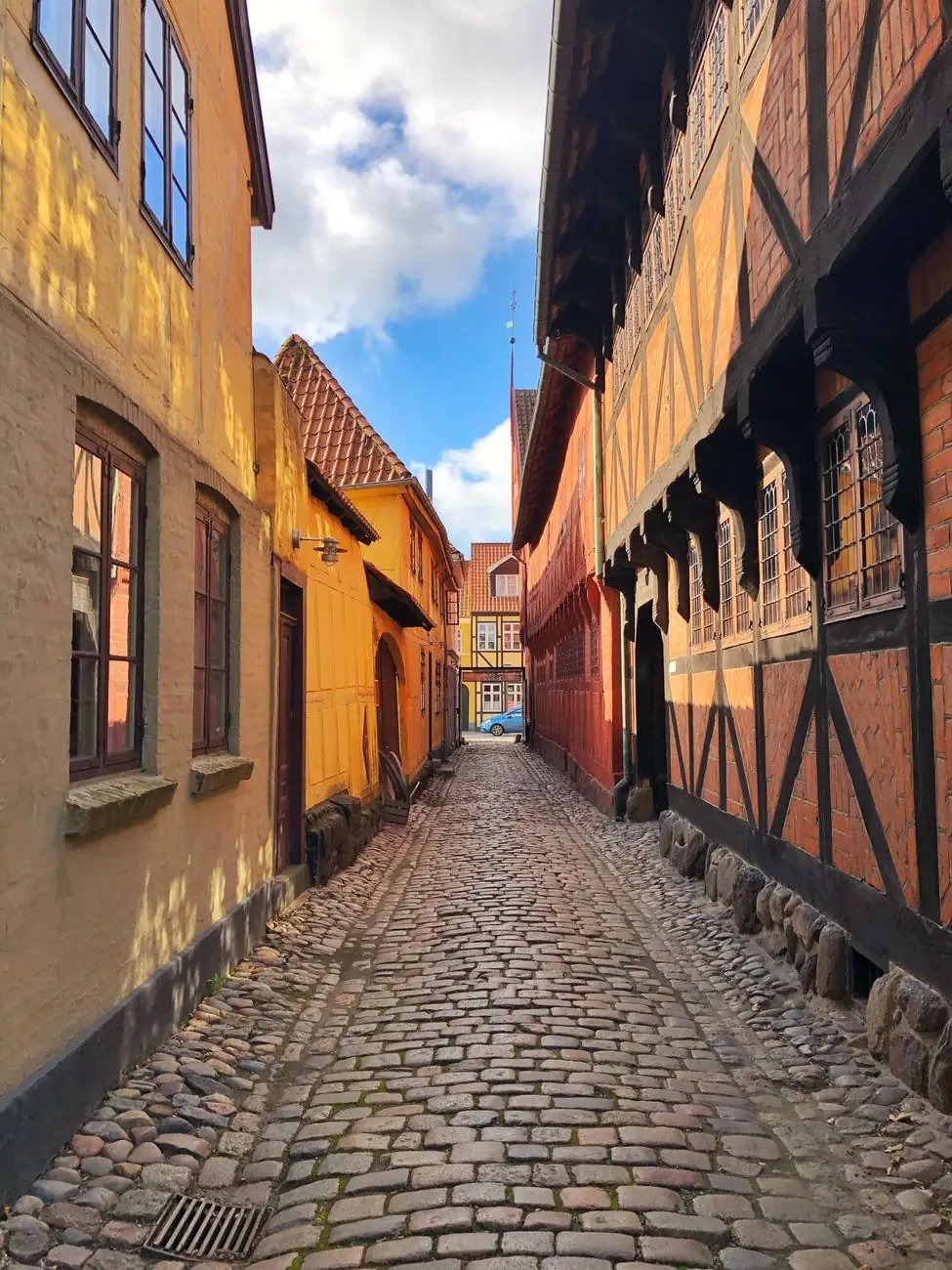
Walk Hans Jensens Stræde and Bangs Boder after the interior, noticing the small-scale houses beside the modern gardens. Café Deilig is the museum’s named garden-side food option; check its current menu and service.

05

Distinguish the modern museum from the birthplace

The modern H.C. Andersen museum and the small historic birthplace have different spaces and access constraints. Check the museum’s accessibility information if narrow doors or thresholds matter. A timed museum reservation should be the day’s anchor, with the old-quarter walk fitted around it.

Check before you go

Opening arrangements and visitor rules can change. Check the official information before your trip.

Put it into your travel plans

Open the Odense city guide →

Keep reading

CrossEyes and S’BAR signs in an Odense courtyard

A first weekend in Odense

Use the Andersen museum for one main reservation, then give art or railway history its own second day. River paths and a named food stop provide useful pauses between interiors.

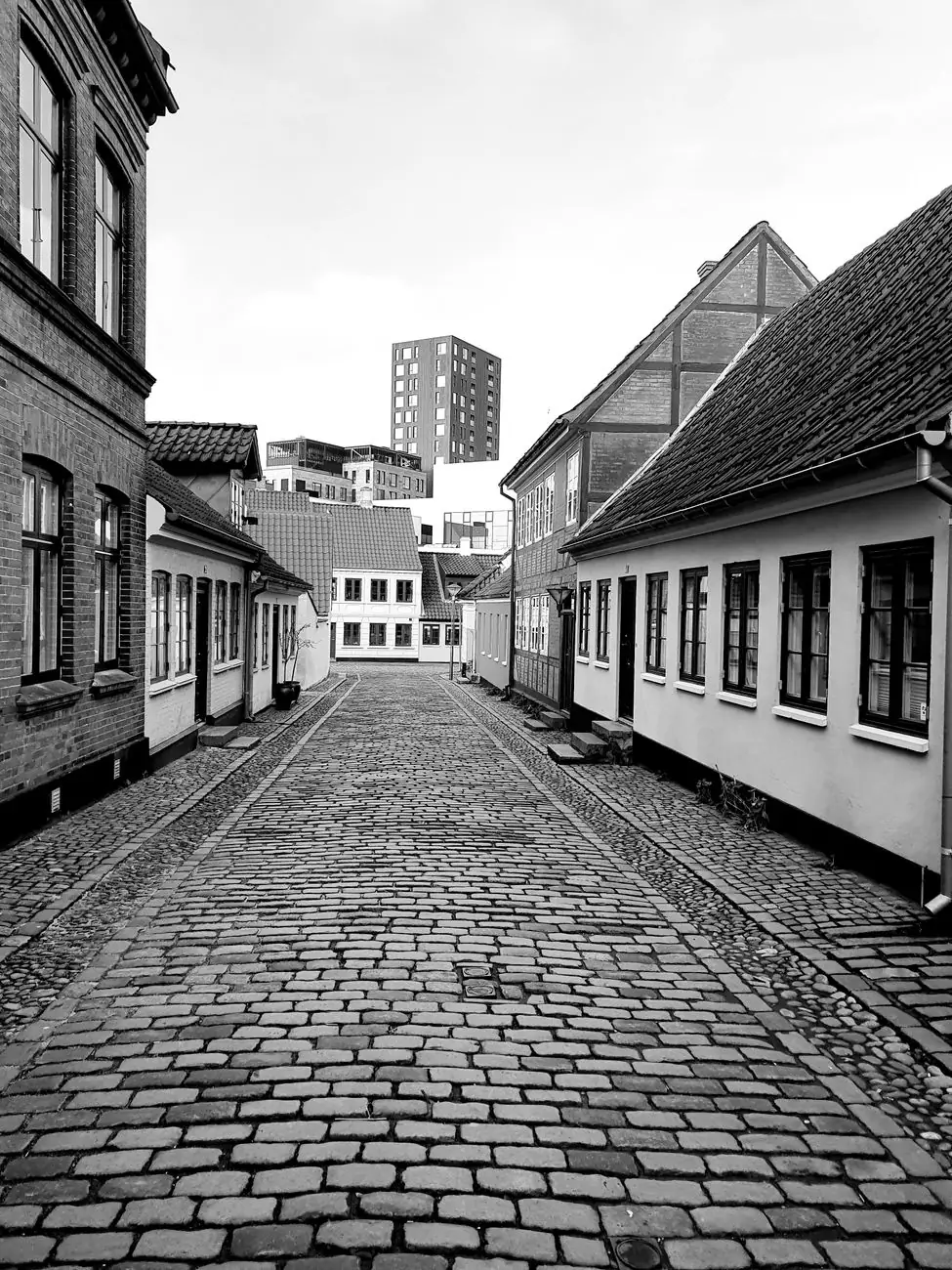
A cobbled Odense lane with the modern city beyond

Odense: Brandts and a deliberate indoor choice

Choose Brandts for an art visit, then explore the surrounding quarter without adding another major museum automatically. Odense’s Railway Museum offers a genuinely different alternative if transport history interests you more.

Half-timbered houses along an Odense lane

Odense: Munkemose river paths and a boat choice

Use the river for a slower Odense half-day, with a short walk that can expand if the weather holds. Aafart boats are a booked seasonal choice, not a permanent requirement for enjoying the park.

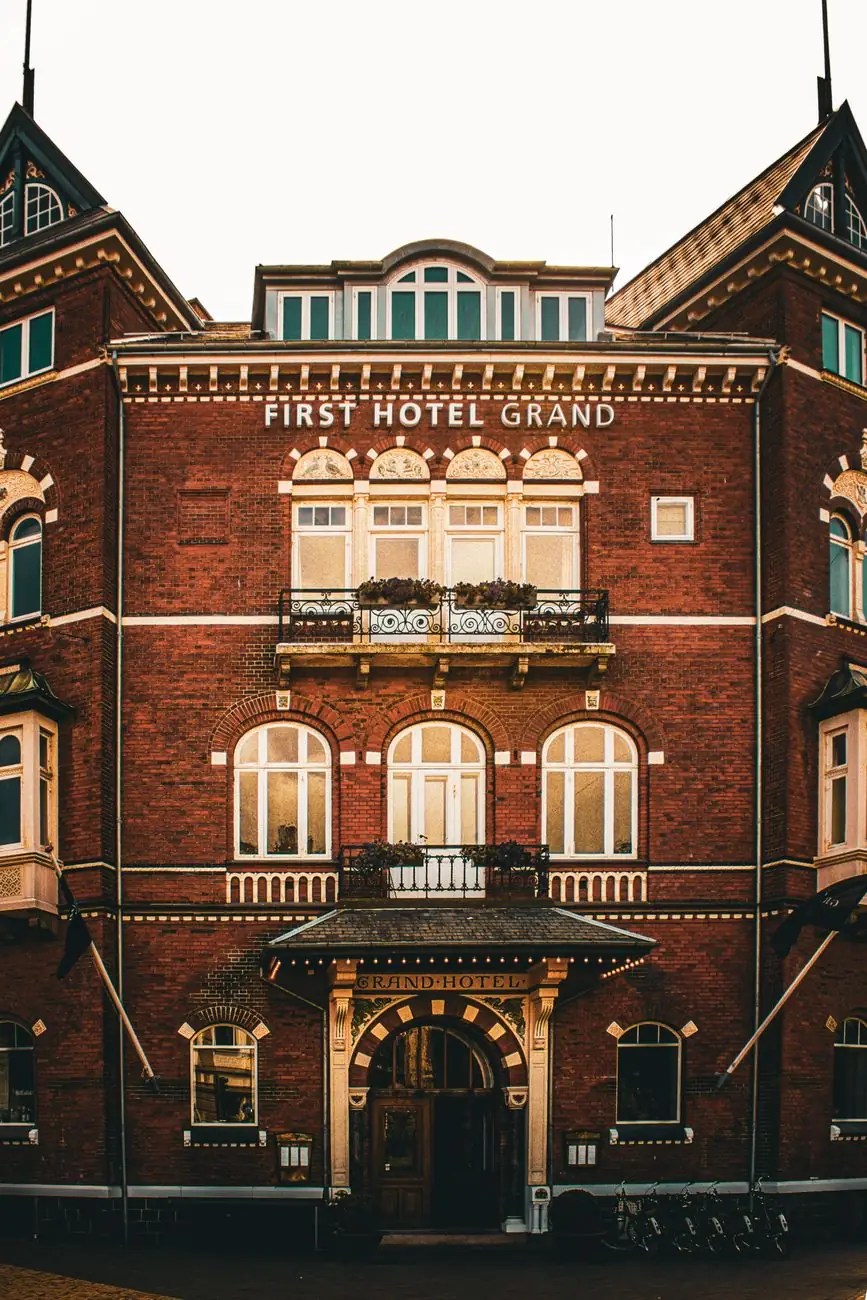
First Hotel Grand’s distinctive façade in central Odense

Odense: Railway Museum and Storms Pakhus

Keep this outing near the station: locomotives and carriages first, then a specific warehouse-food stop. It suits a different set of interests from an Andersen-focused day.

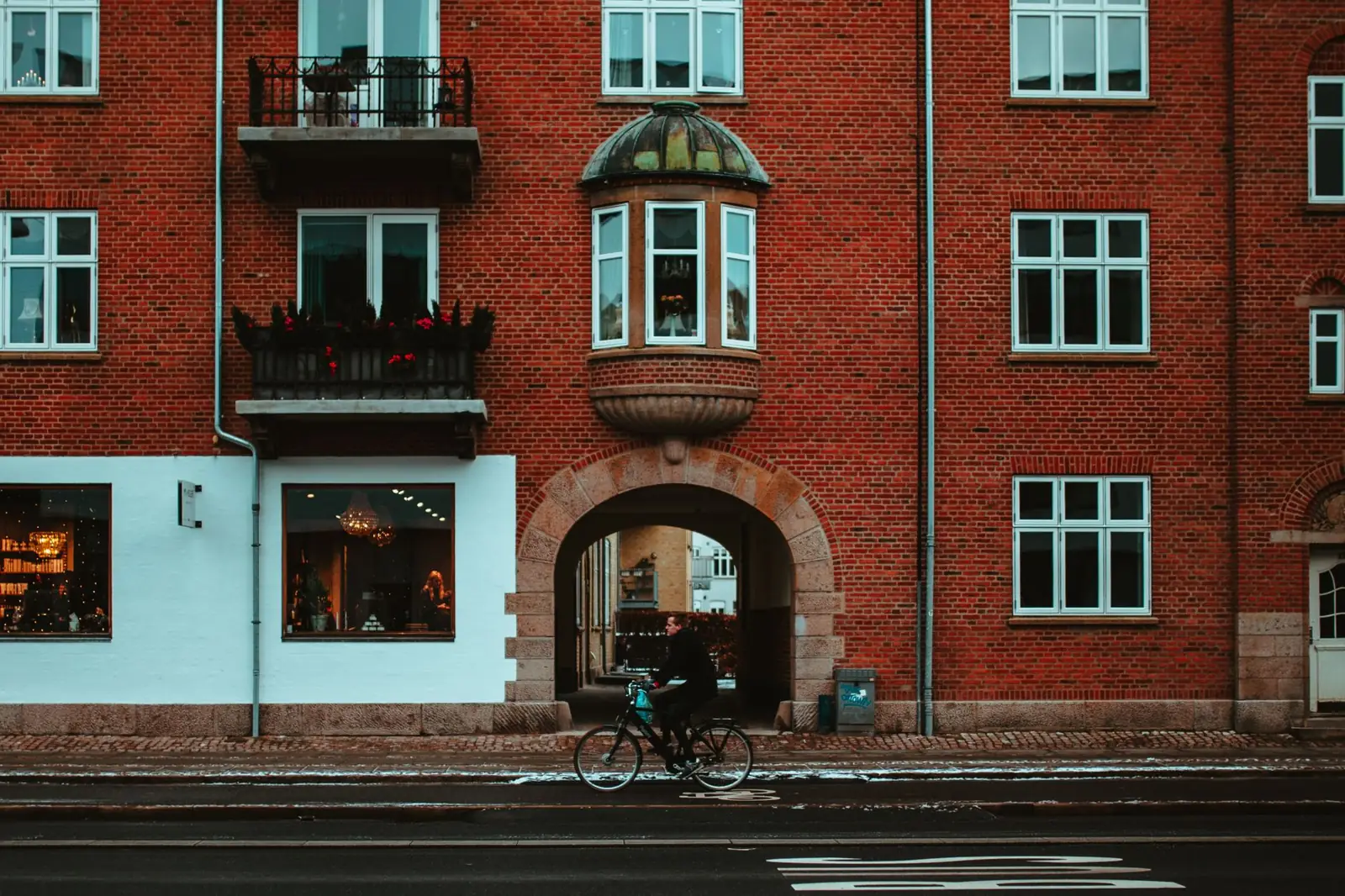
Historic brick façade along an Aalborg street

A first weekend in Aalborg

Give Aalborg one waterfront-and-city day, then choose art or archaeology for the second. That keeps the fjord crossing and museum openings from becoming last-minute surprises.

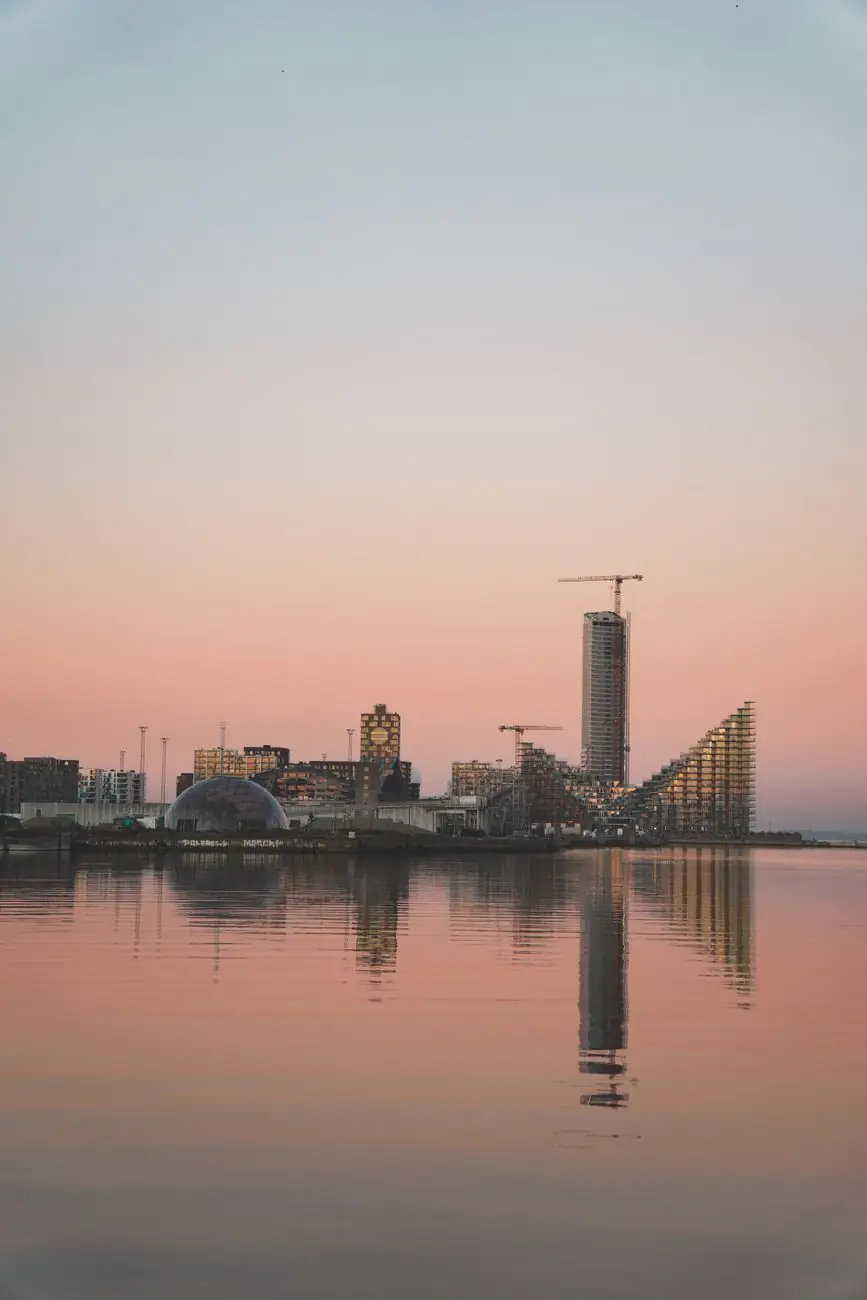
Aarhus Ø skyline reflected in the harbour

A first weekend in Aarhus

Spend one day on art and the older centre, then choose social history or the coast for the second. Aarhus rewards enough time inside a museum rather than a packed sequence of admissions.

Browse all travel guides →