Begin beside the pond
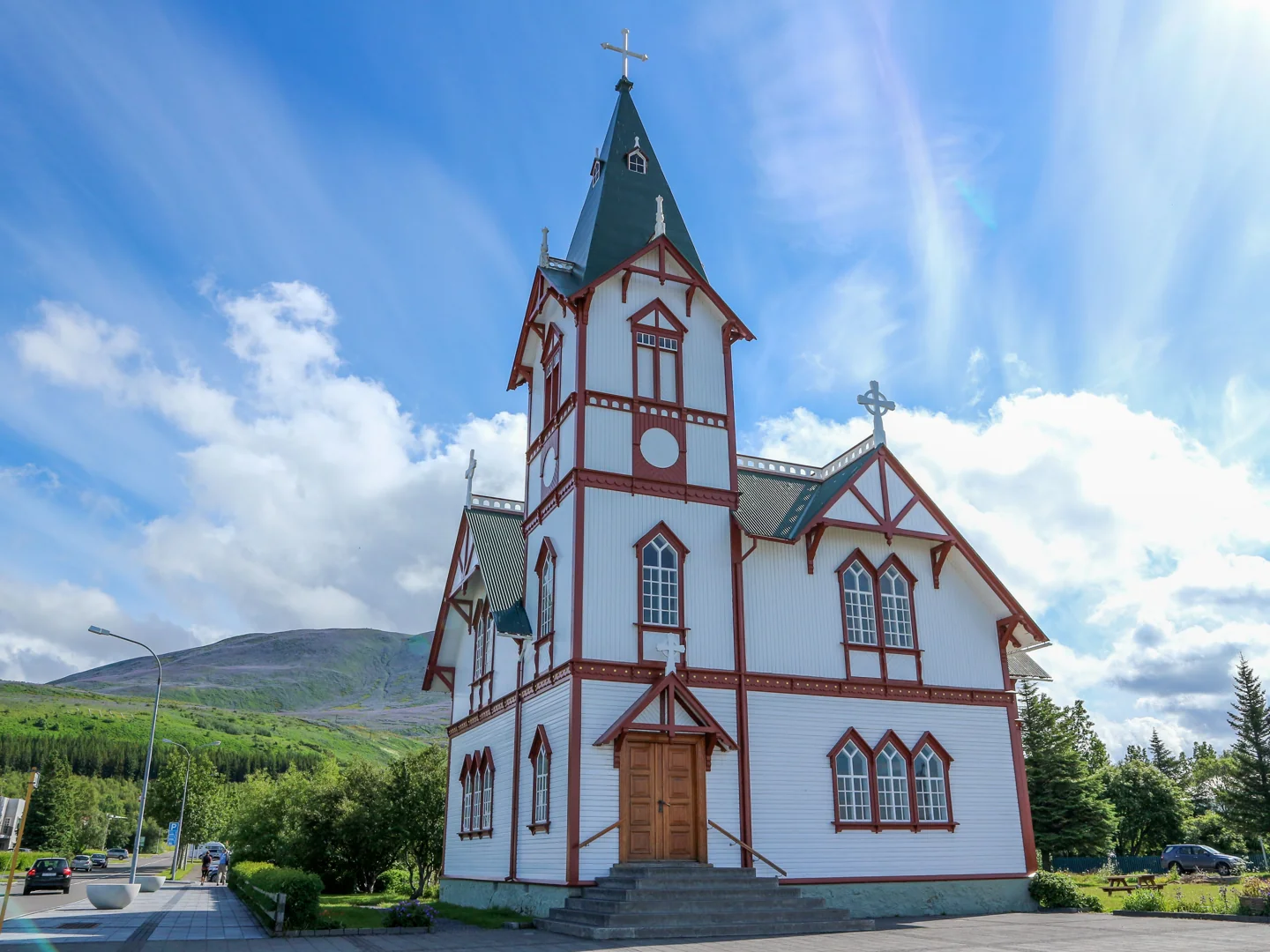
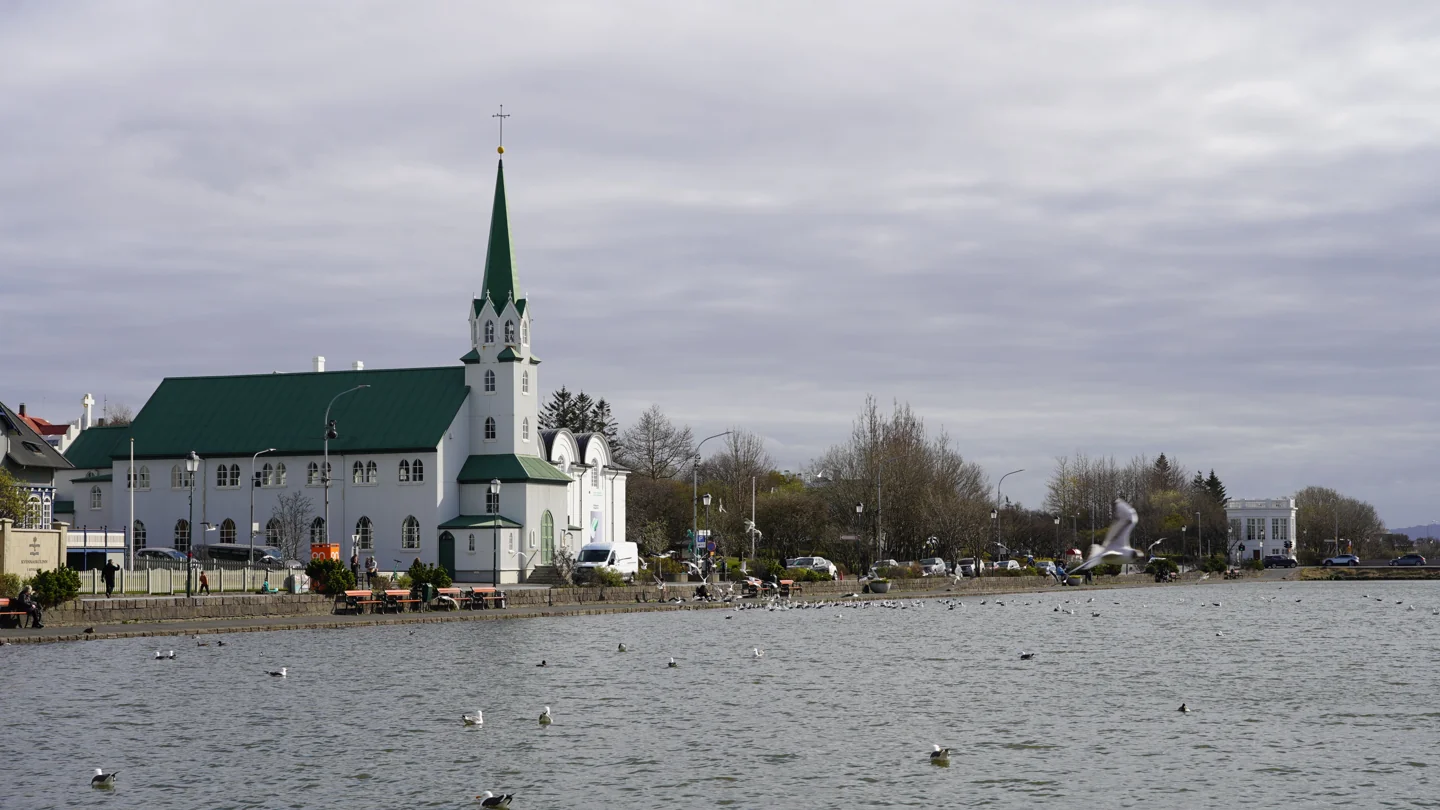
Start on the public paths around Tjörnin, choosing a short section rather than assuming that a full loop is necessary. The low houses, Fríkirkjan’s green spire and changing reflections give the water a distinct city setting. The church seen in the pond photograph is not Hallgrímskirkja.
Keep birds and other path users space as you stop. Visit Reykjavík asks visitors not to feed the ducks; follow the current local signs rather than bringing bread for a photograph. A frozen-looking surface is not an invitation to walk onto the pond, and this route stays on public paths.
Mobile data for your trip. Check what your current plan includes for roaming. If you need another option for maps, messages and booking details, compare NXTL eSIM coverage and rates. Check that your phone supports eSIM and is unlocked, and check coverage for every stop. Download important maps and confirmations for offline use too.
Make City Hall and Austurvöllur separate anchors
Continue towards Reykjavík City Hall and check whether its public areas are open if you want to see the large relief map of Iceland described in local visitor information. A map can help explain the country’s scale before you plan a separate rural excursion.
Move on towards Austurvöllur for the Parliament and cathedral setting. A public square visit does not establish entry to Alþingi or a guided parliamentary tour. Let the buildings provide context for the centre without treating every façade as a separately accessible attraction.
Choose the preserved settlement for an indoor focus
Aðalstræti 10 and 16 links the preserved longhouse excavation with later city history. The museum’s current description explains how the archaeological space and the older building connect. It is a place to look at evidence of settlement and later everyday life, rather than a themed reconstruction presented as an untouched Viking street.
Check the current opening and access information before going. The museum provides site-specific entry guidance, including different approaches to the connected buildings. Ask about any mobility needs directly instead of inferring the entire route from a general statement that the centre is walkable.
Compare a pass only against a realistic plan
The official City Card list includes the Settlement Exhibition and the Maritime Museum among its participating sites. It may be useful if several museums, city buses or pools fit your stay, but a single short visit does not automatically justify it. Check the physical-card collection process before the first journey.
Compare the Reykjavík City Card if its included museums, city buses and pools match your actual plans. Check the duration, current inclusions and voucher exchange; airport transfers, tower entry, concerts and separately operated vessel tours are not automatically covered.
An optional street detail with a real identity
If you want a little more of the older neighbourhood, Visit Reykjavík identifies Unuhús and Vaktarabærinn in Grjótaþorp. Their literary and watchman-house histories give the street a specific reason to explore. View them from permitted public space; a name in a city guide does not make a home a drop-in museum.
Keep this as a small extension after the pond and your chosen exhibition. It is not necessary to call a well-described central neighbourhood a hidden gem to make it worth seeing. The value is in the identifiable houses and the way they show a smaller scale of the city.
Finish with a food stop that fits the centre
Bæjarins Beztu Pylsur at Tryggvagata offers a specific quick hot-dog stop after the old town. Its operator confirms the branch and the local Reykjavík Grapevine selected it among its 2026 institutions. Ask about toppings and dietary needs, and choose a seated meal elsewhere if you want a longer rest.
If weather makes another outdoor section unappealing, finish after the museum and a confirmed café. Keep waterproof outerwear and footwear with grip available for wet or icy paths. This is a compact city outing whose interest comes from the pond, public spaces and historical evidence, not from covering a fixed distance.
Check before you go
Opening arrangements and visitor rules can change. Check the official information before your trip.
- Visit Reykjavík: pond, public spaces and bird-feeding advice
- Visit Reykjavík: locally described city walking route
- Visit Reykjavík: Kvosin and Grjótaþorp street identities
- Reykjavík City Museum: Aðalstræti 10 and 16
- Reykjavík City Museum: preserved longhouse interpretation
- Reykjavík City Museum: site-specific access
- Visit Reykjavík: City Card inclusions, collection and exclusions
- Bæjarins Beztu: current locations and menu identity
- The Reykjavík Grapevine: locally selected institutions, January 2026
- Icelandic Met Office: actual weather and warnings