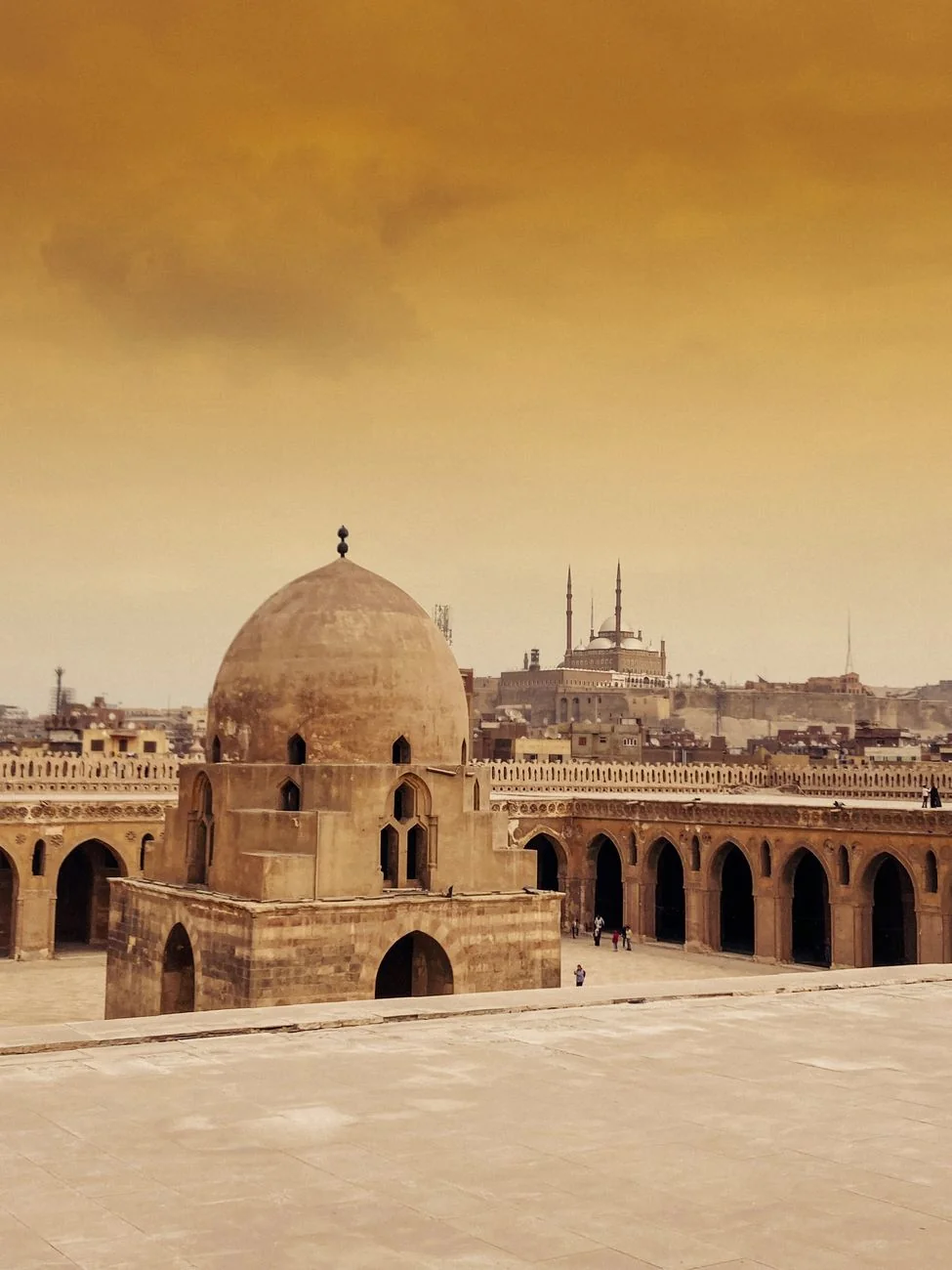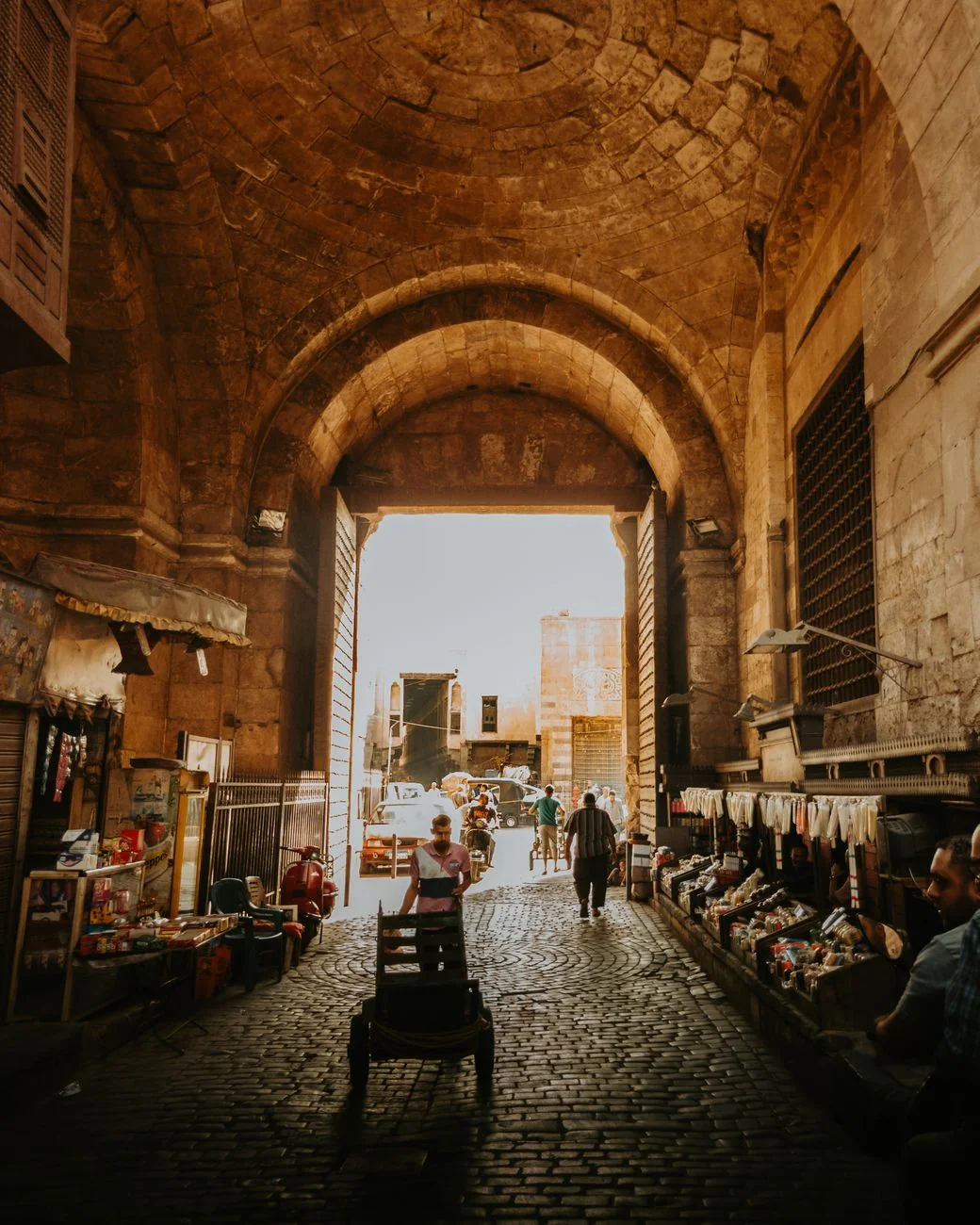
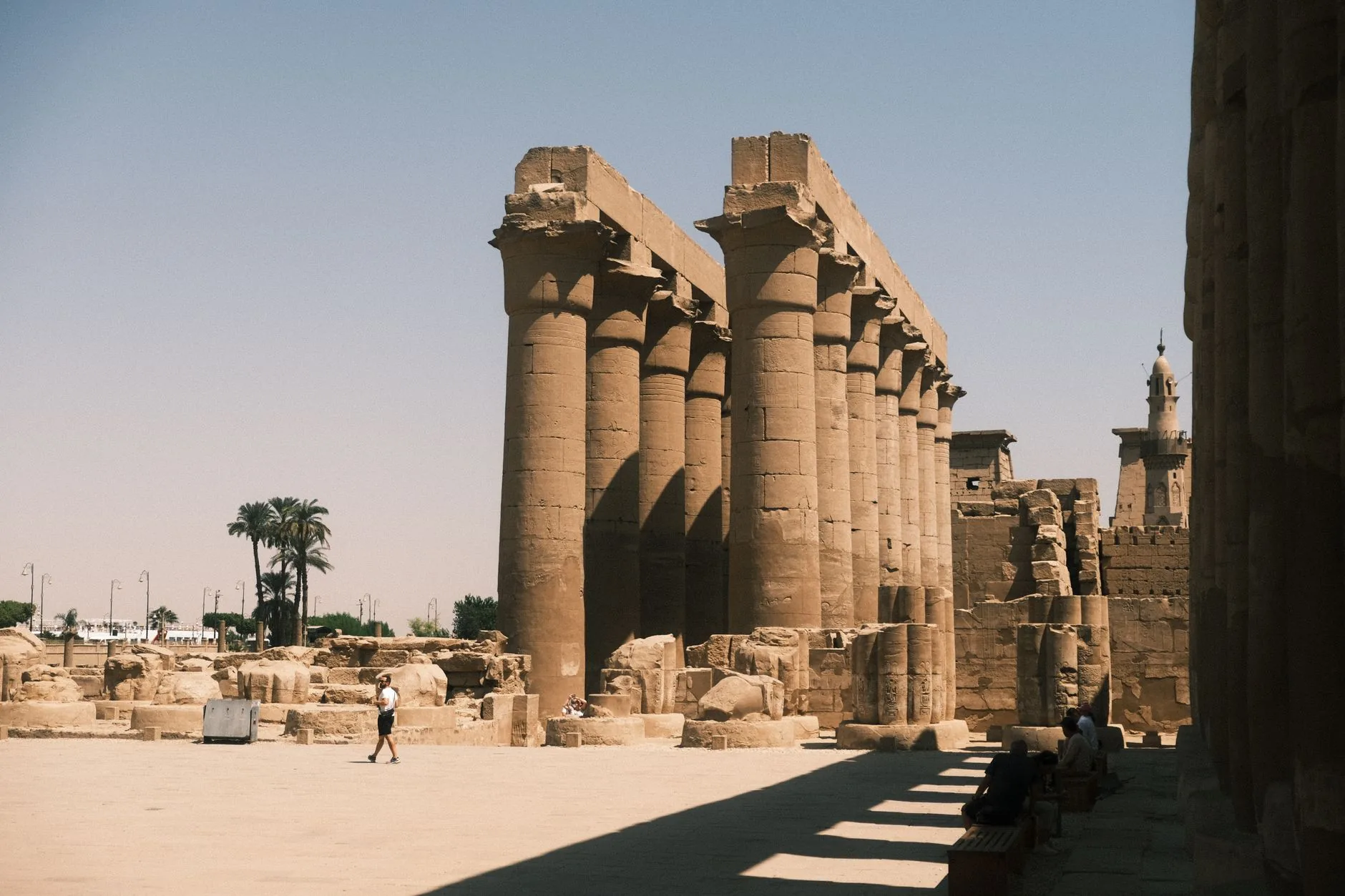
Begin at the entrance obelisk
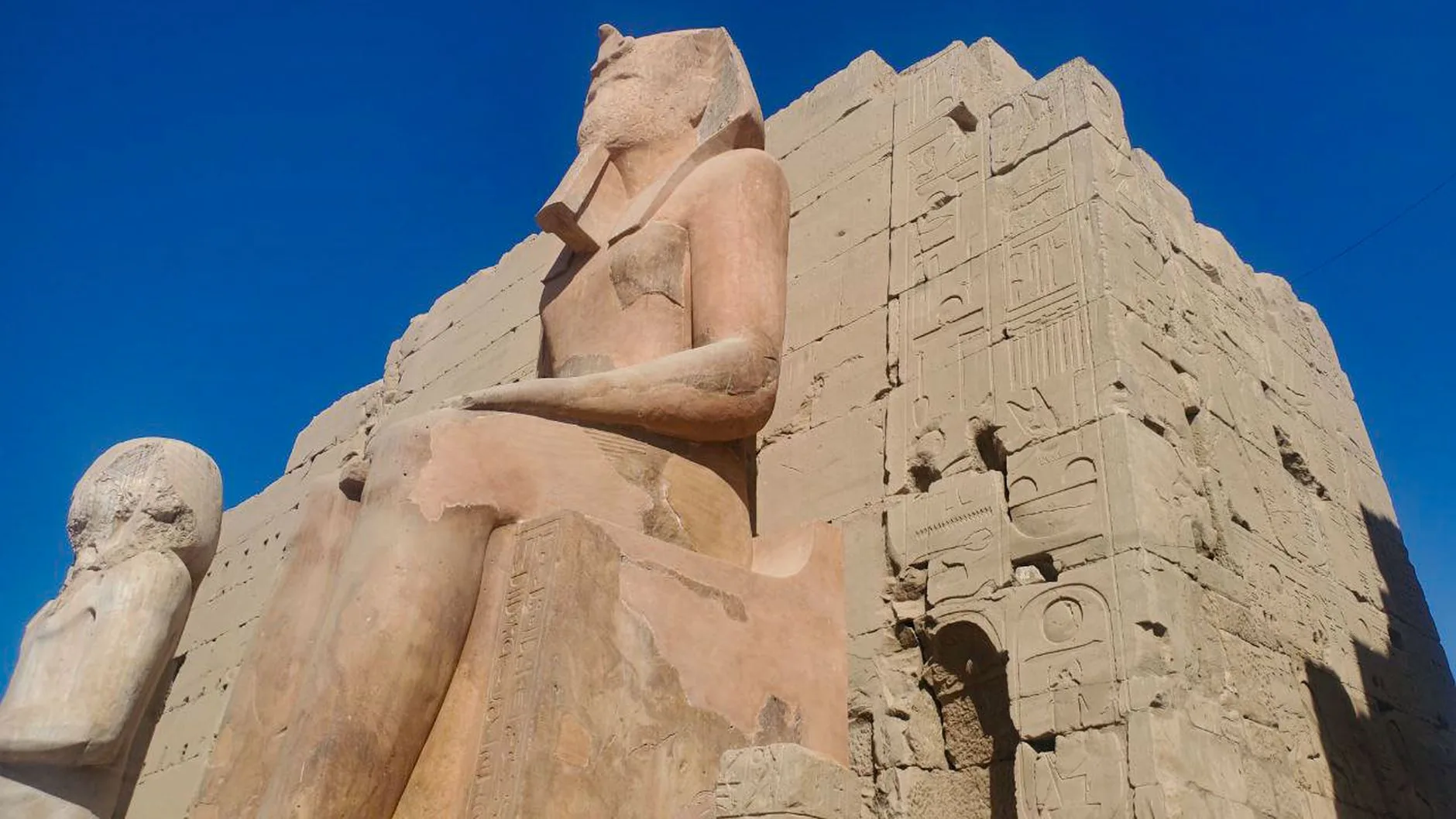
Start by noticing the single standing obelisk and the colossal figures beside the entrance. Its former partner is in Paris, which makes the remaining stone a useful detail to look for rather than expecting a matching pair.
Check the current public entrance before joining a queue. You are beside a working city street, so keep clear of traffic and use the designated pedestrian approach.
Move from courtyard to colonnade
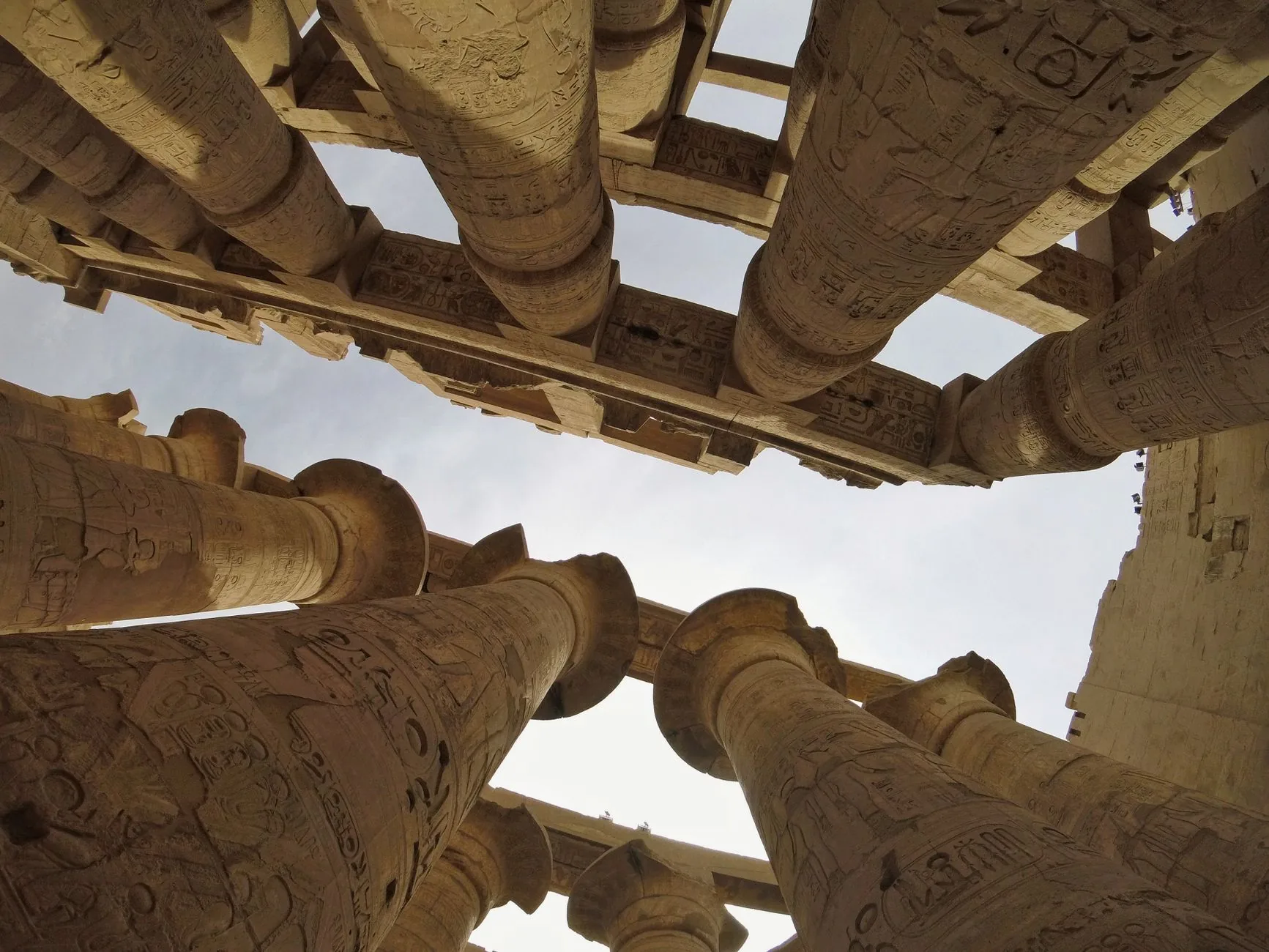
Inside, make your way through Ramesses II’s courtyard towards the Great Colonnade. The change from an open court to the long line of columns gives this visit a clear shape even if you do not follow every chamber.
The colonnade’s decoration relates to the Opet Festival. Look for what you can see from the visitor path, then continue at your own pace; a guided explanation is optional, and some details will be harder to read in changing light.
See the city around the monument
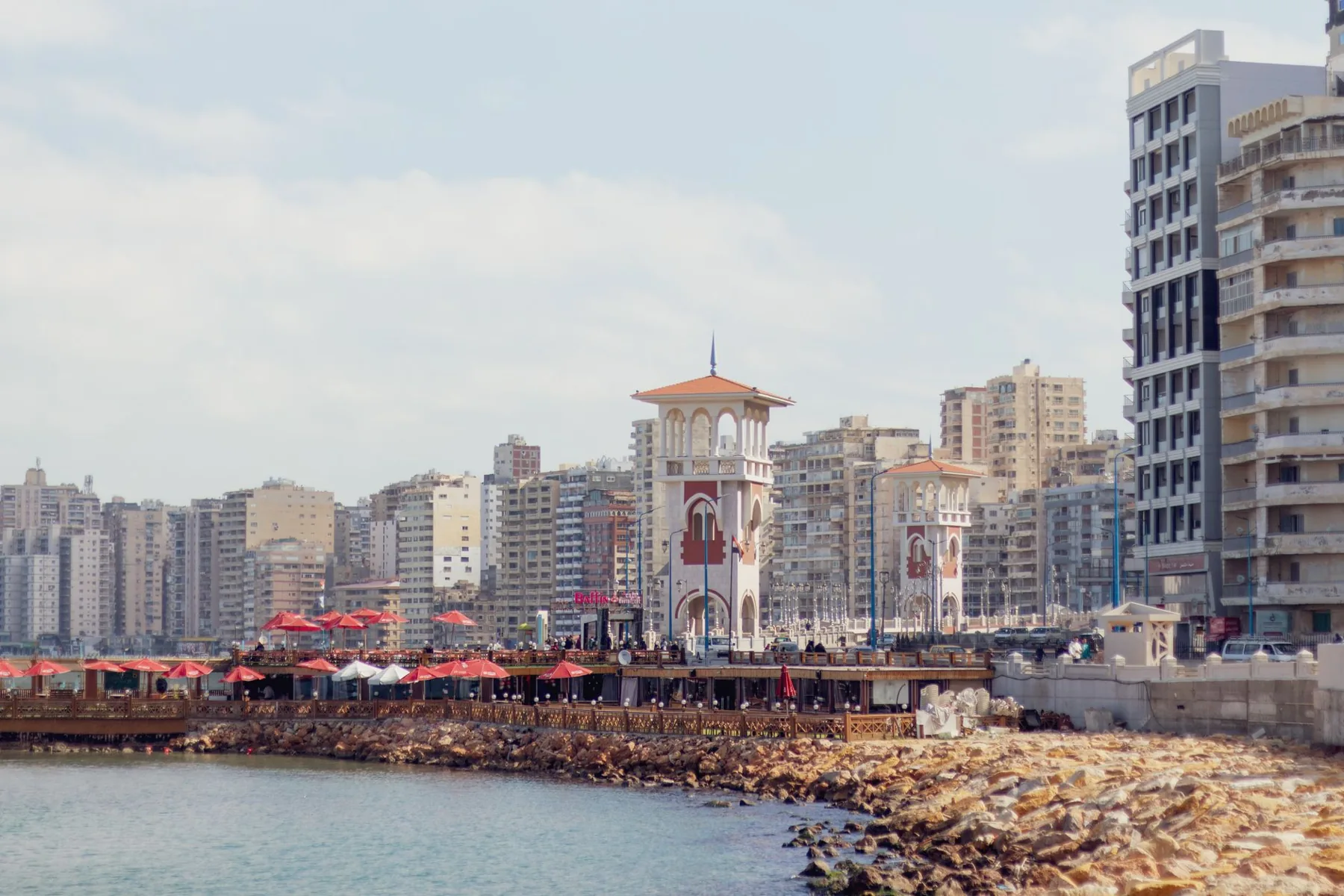
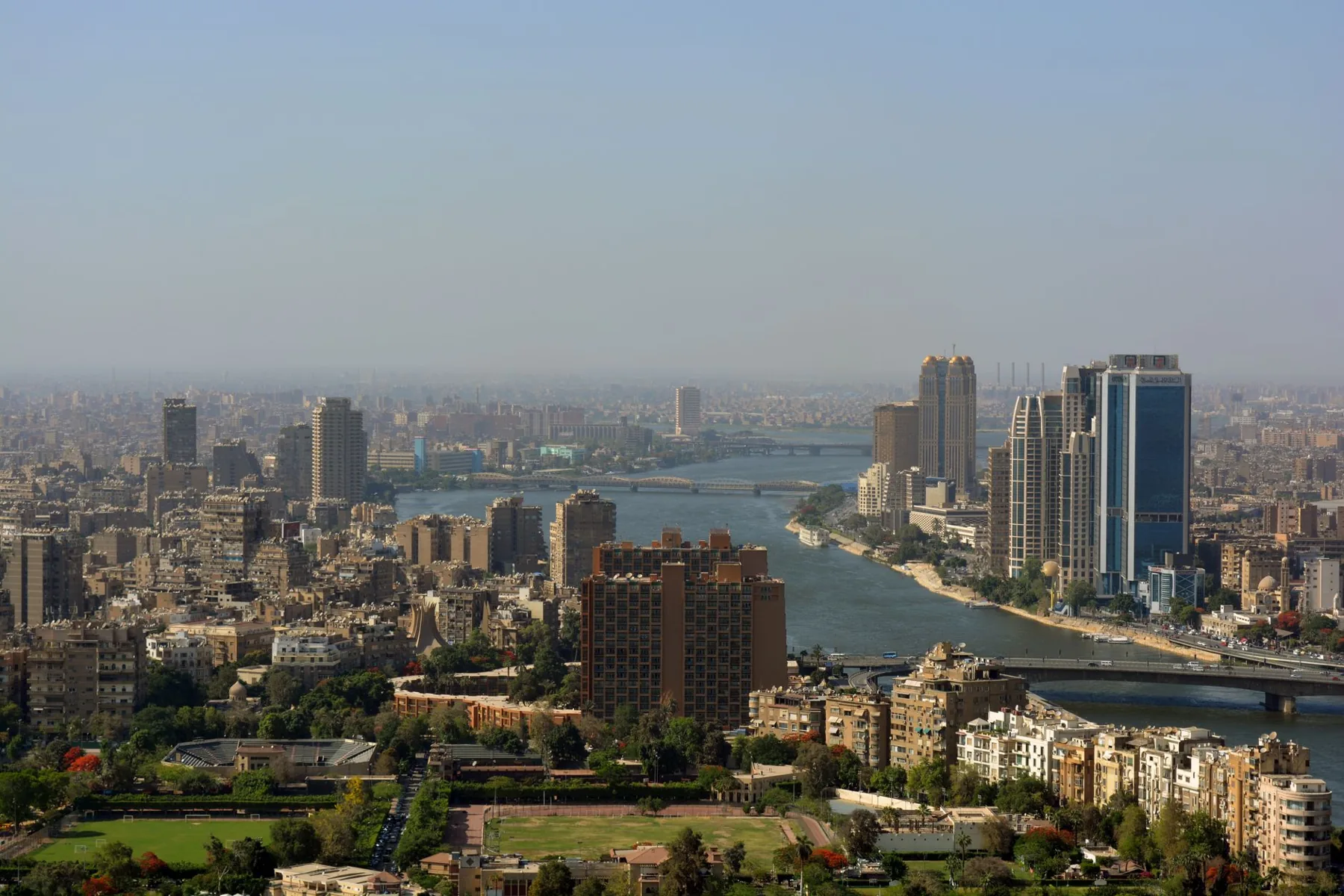
After leaving, take a short section of the Corniche for the contrast between the old sanctuary and the river traffic. This is an easy ending, not a reason to walk all the way to Karnak in the heat.
The Nile breeze does not remove the need for sun cover. If the afternoon remains hot, go directly to your meal or accommodation and save the riverside walk for another cooler spell.
Make dinner a useful nearby stop
We recommend Sofra Restaurant & Café for its Egyptian mezze and converted-house setting in the East Bank streets. It suits this route because dinner does not require a ferry or another distant attraction. Contact the restaurant ahead if an open-terrace table is important to you.
Keep your plan flexible around temple closing and restaurant availability. A relaxed dinner is a better end to this outing than trying to add a second major archaeological site.
Mobile data for your trip. Check what your current plan includes for roaming. If you need another option for maps, messages and booking details, compare NXTL eSIM coverage and rates. Check that your phone supports eSIM and is unlocked, and check coverage for every stop. Download important maps and confirmations for offline use too.
Entrance works and what to carry
Checked on 21 October 2026: official 2026 plans described expansion of Luxor Temple’s entrance and temporary use of its exit during the work. Completion was not established by the checked sources, so use current signs rather than an old entrance pin. No whole-site closure was confirmed. Packtricia will recheck access changes; always check the venue before travelling.
Carry your ticket, water and a small bag, with comfortable shoes for the temple paving. In winter, add a layer for the return after sunset; in summer, keep the outing shorter and avoid lingering on unshaded streets.
Check before you go
Opening arrangements and visitor rules can change. Check the official information before your trip.