
A little more prepared for Croatia.
Explore Zagreb’s hill streets and parks, Split’s palace and markets, and Dubrovnik’s walls and harbour. Inland winter walks and exposed coastal outings need different layers; use each city’s monthly suggestions and check seasonal boats and viewpoints. Zadar adds the Forum, Sea Organ and ancient glass, while Pula connects the Arena with Roman streets, tunnels and Istrian olive oil.
Explore CroatiaExplore Croatia by city
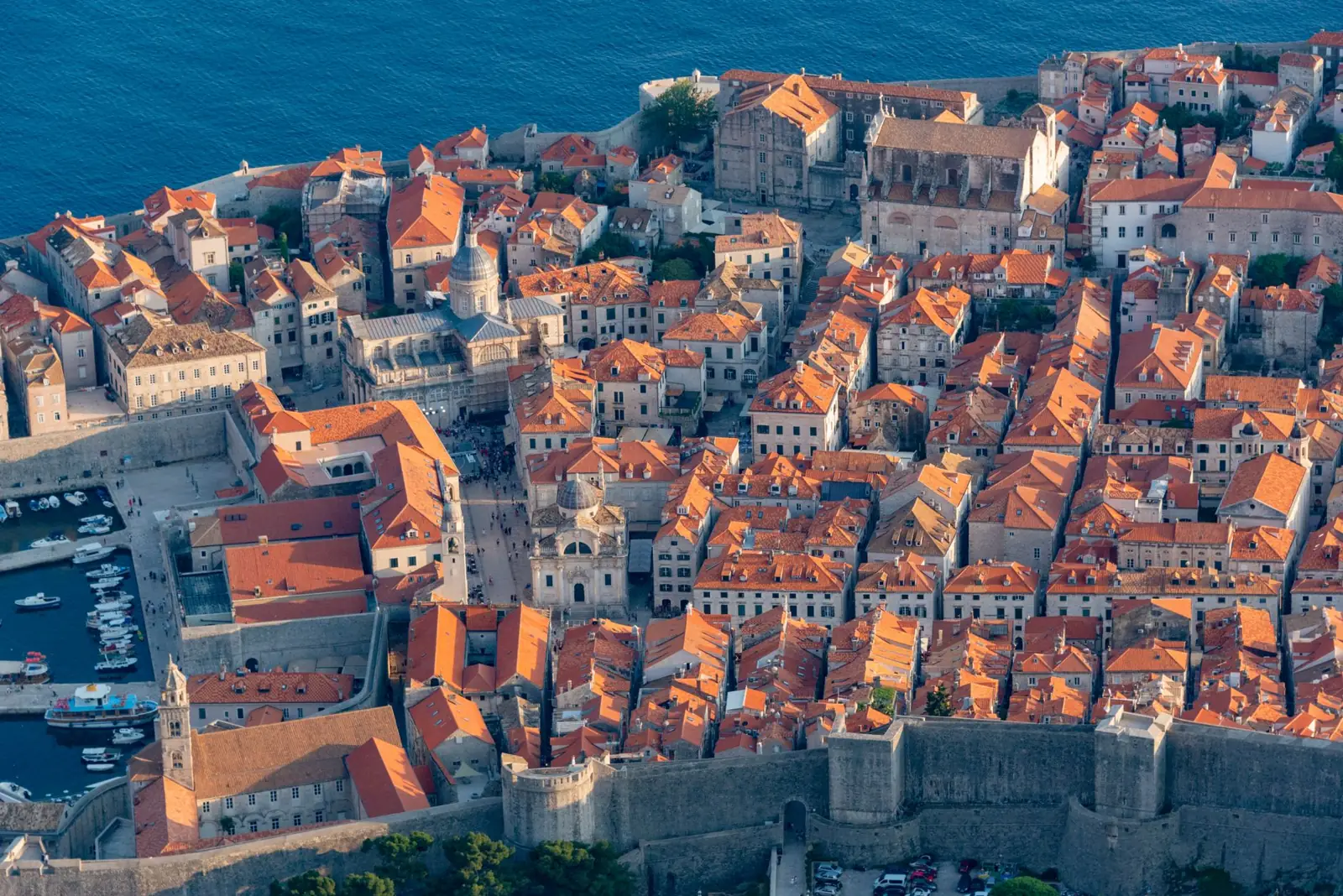
Dubrovnik
Hot, usually drier summers and mild to cool, wetter winters call for sun protection and a coastal rain layer. Monthly values are calculated from NASA POWER MERRA-2 gridded daily data for 1991–2020 at the city coordinates. They represent a regional model cell, not a city weather station. Street shade, coastal exposure, elevation and urban warmth can differ. Climate averages do not predict an individual trip.
Open city guide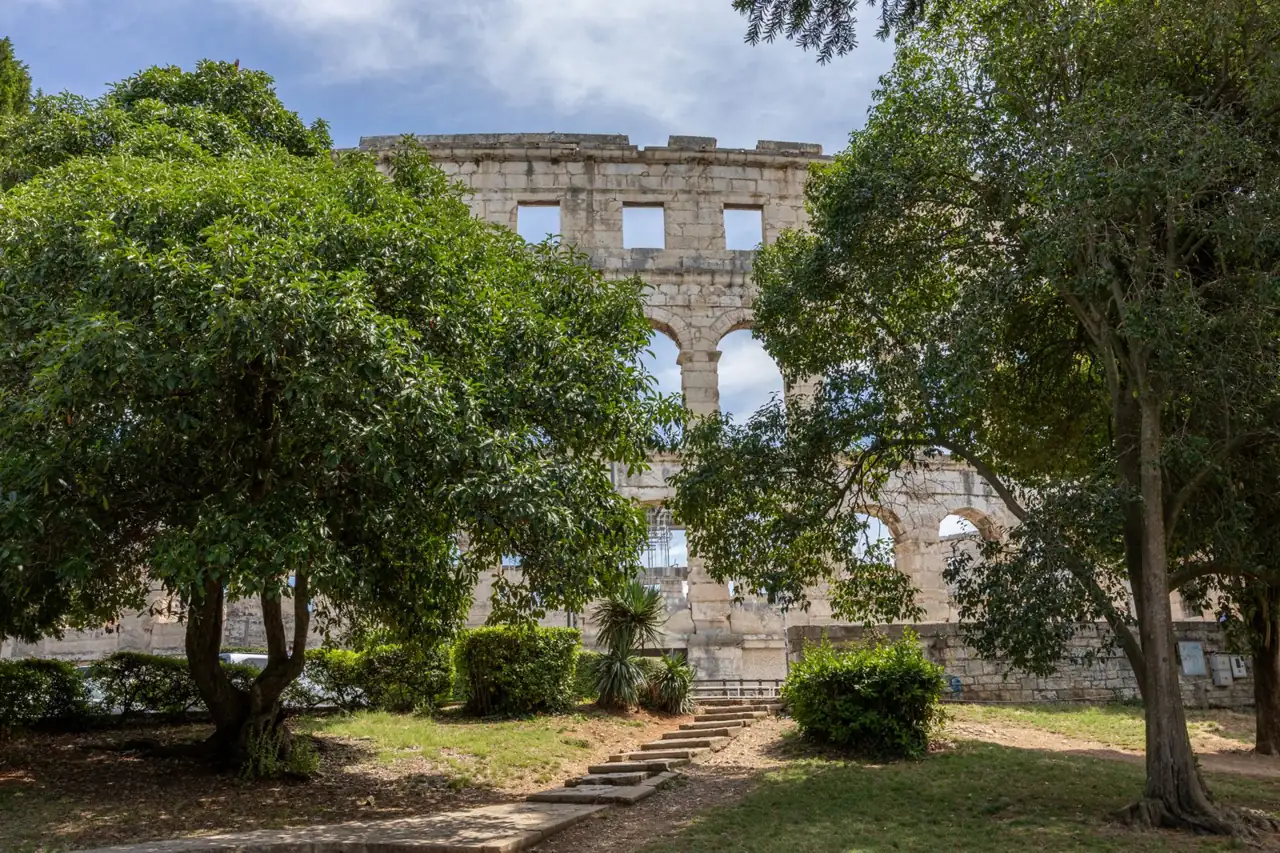
Pula
Hot coastal summers and milder, wetter winters call for sun protection, removable layers and a hooded rain shell. Monthly values are calculated from NASA POWER MERRA-2 gridded daily data for 1991–2020 at the city coordinates. They represent a regional model cell, not a city weather station. Street shade, coastal exposure, elevation and urban warmth can differ. Climate averages do not predict an individual trip.
Open city guide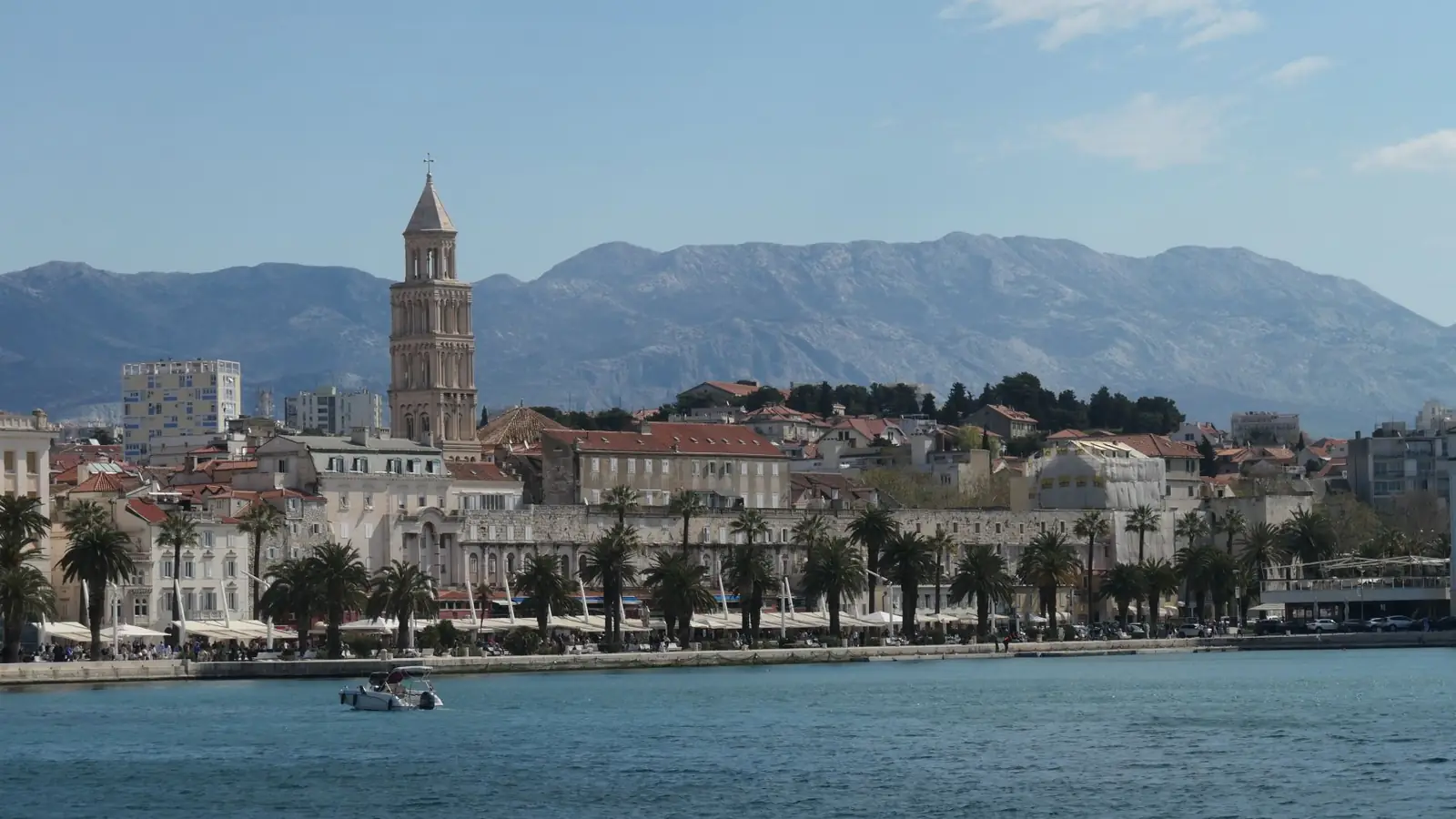
Split
Mild to cool winters, changeable shoulder seasons and hot summer afternoons call for seasonal layers. Exposed waterfront and fortress routes need wind protection and summer shade. Monthly values are calculated from NASA POWER MERRA-2 gridded daily data for 1991–2020 at the city coordinates. They represent a regional model cell, not a city weather station. Street shade, coastal exposure, elevation and urban warmth can differ. Climate averages do not predict an individual trip.
Open city guide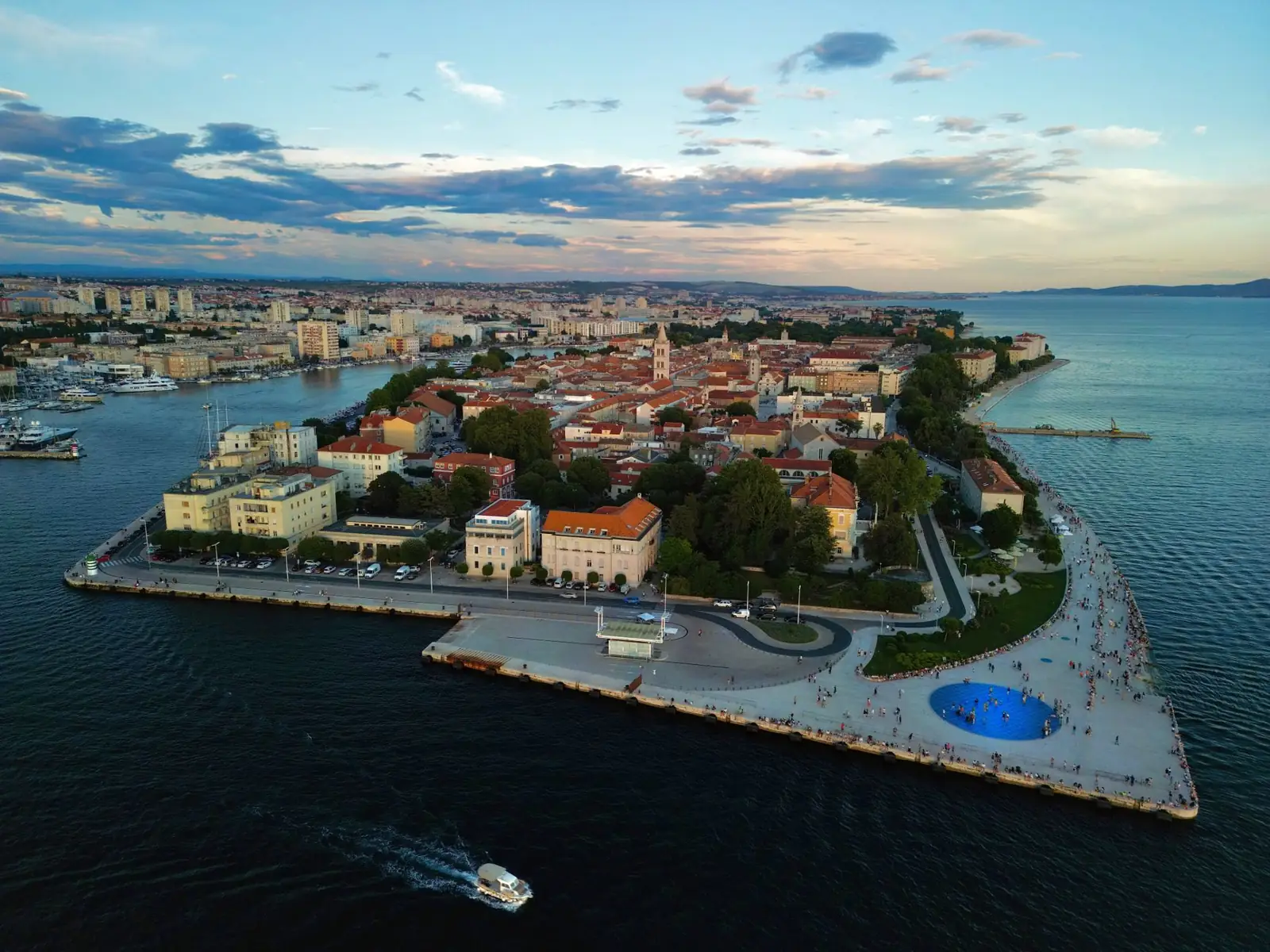
Zadar
Hot coastal summers and milder, wetter winters call for sun protection, removable layers and a hooded rain shell. Monthly values are calculated from NASA POWER MERRA-2 gridded daily data for 1991–2020 at the city coordinates. They represent a regional model cell, not a city weather station. Street shade, coastal exposure, elevation and urban warmth can differ. Climate averages do not predict an individual trip.
Open city guide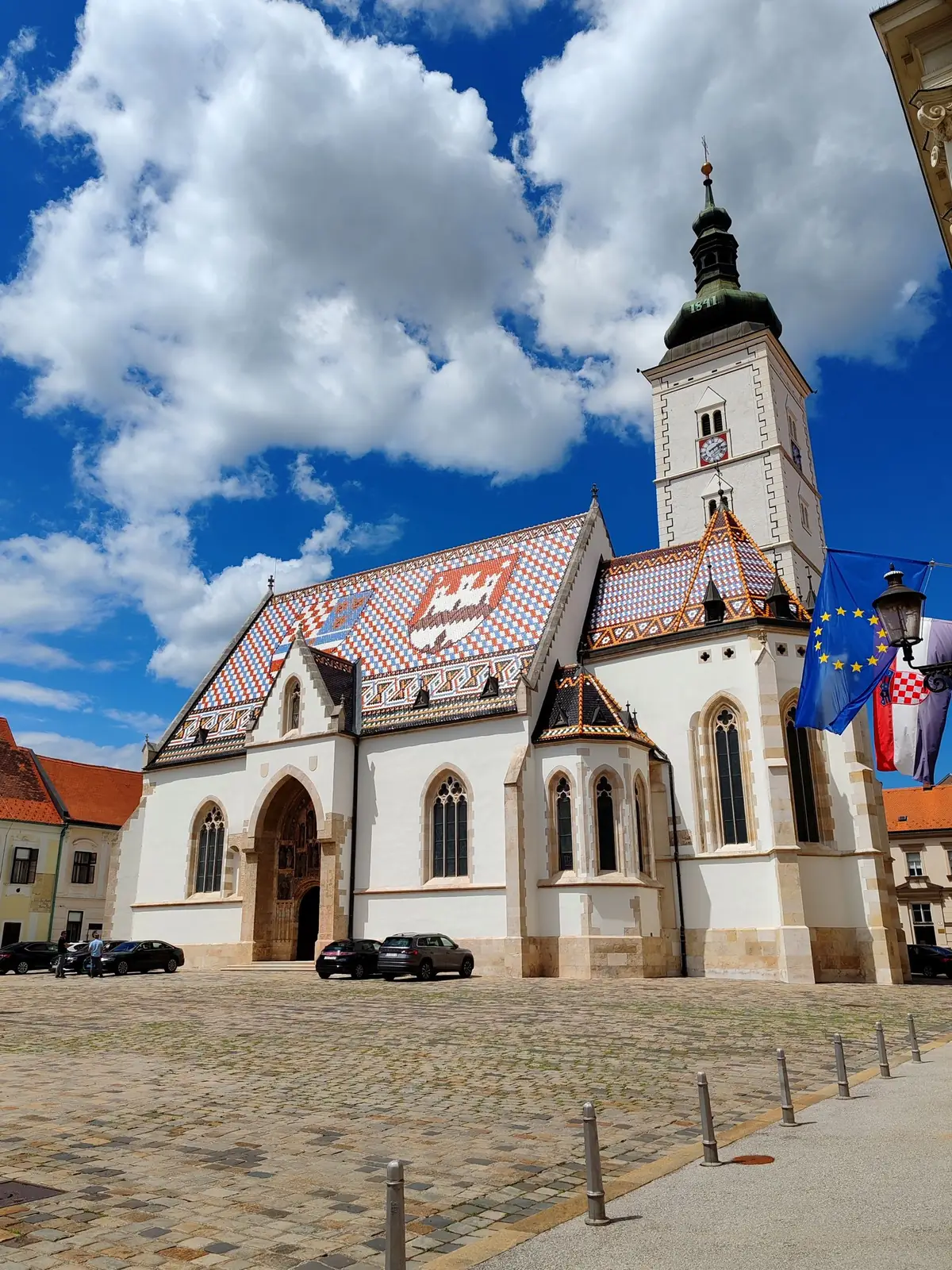
Zagreb
Cool winters, changeable spring and autumn days and warm summer spells call for flexible layers. Rain can interrupt walking in any season. Monthly values are calculated from NASA POWER MERRA-2 gridded daily data for 1991–2020 at the city coordinates. They represent a regional model cell, not a city weather station. Street shade, coastal exposure, elevation and urban warmth can differ. Climate averages do not predict an individual trip.
Open city guideBefore you zip the bag
Clothes for the planned route
- Wear grippy shoes for Zagreb’s Upper Town slopes and keep a rain layer handy.
- Use removable layers for the cooler season and indoor visits.
- Use breathable summer clothes and sun protection for Split; keep a wind and rain layer for the Riva and Klis Fortress.
Bookings and arrivals
- Check each attraction’s current availability and separate admission requirements.
- Save your arrival route, reservations and a suitable Type C / F adapter if needed.
- Currency
- Euro (EUR)
- Plug types
- C / F · 230 VCheck your adapter →
- Emergency number
- 112
Croatia practical visitor information · European emergency number · Electrical plugs and voltage · European Central Bank: Croatia’s euro adoption
Stay connected
Mobile data for your trip. Check what your current plan includes for roaming. If you need another option for maps, messages and booking details, compare NXTL eSIM coverage and rates. Check that your phone supports eSIM and is unlocked, and check coverage for every stop. Download important maps and confirmations for offline use too.
Useful reads for Croatia
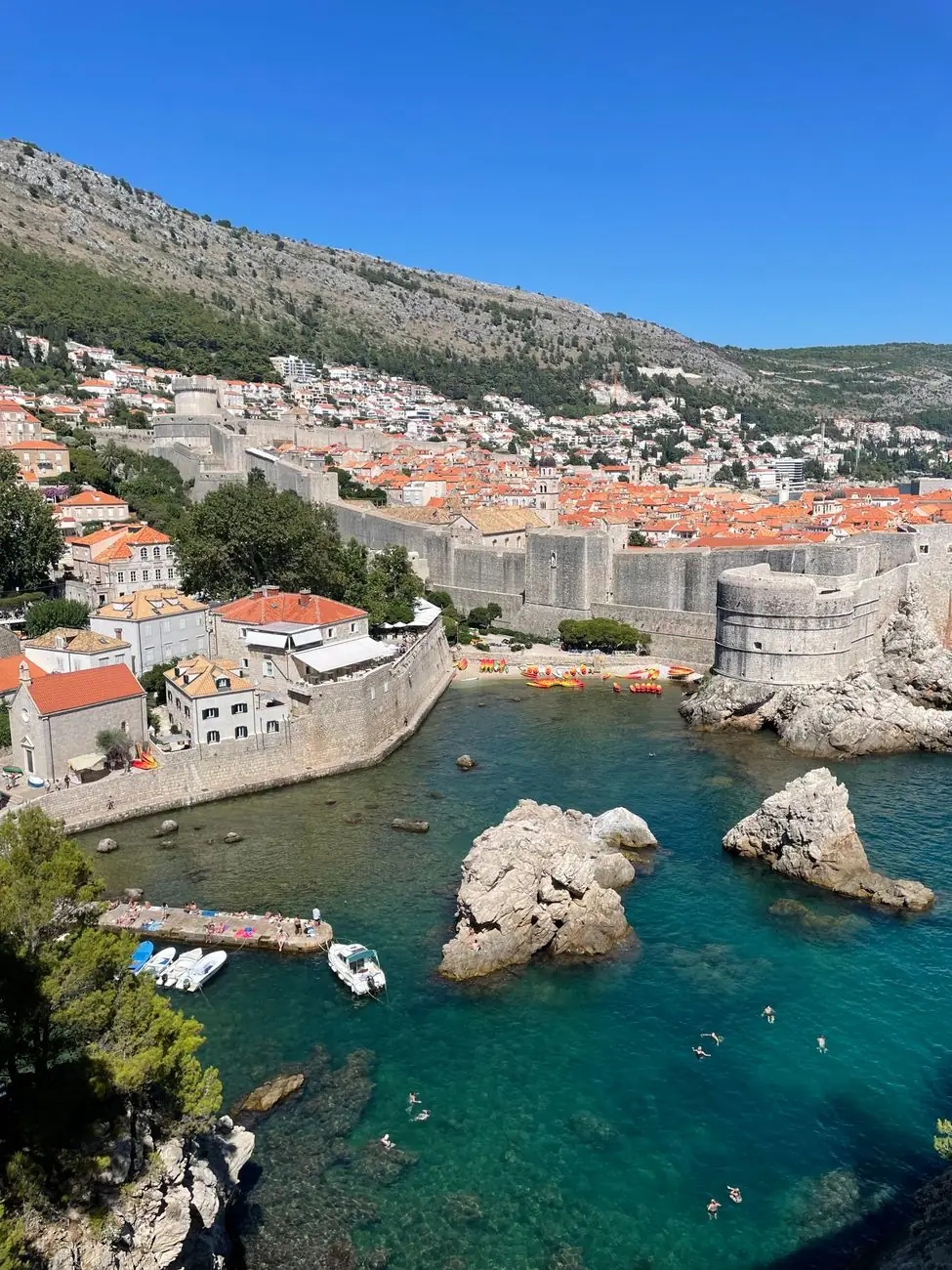
Dubrovnik’s city walls: Bokar, Minčeta and choosing your visit
Walk above the roofs with enough time to notice the defences, rather than racing to the next viewpoint. Decide whether you want an independent visit or a guide, then budget for the wall entrance separately.
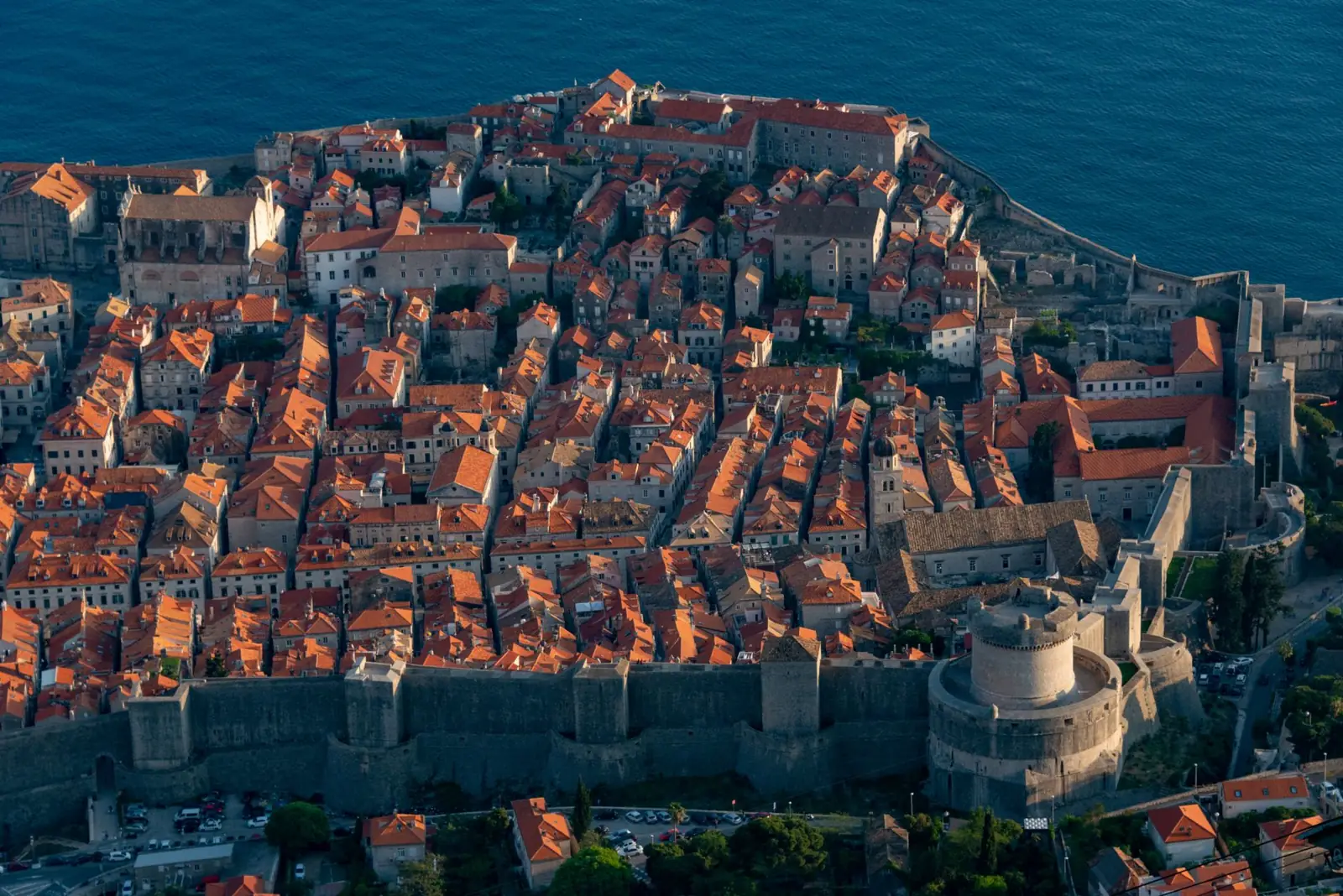
A first weekend in Dubrovnik: walls, palace and a flexible second day
Give the Old Town one full day, then choose Lokrum or Srđ for the second. This leaves room for meals, museum time and weather without making every expensive ticket compulsory.
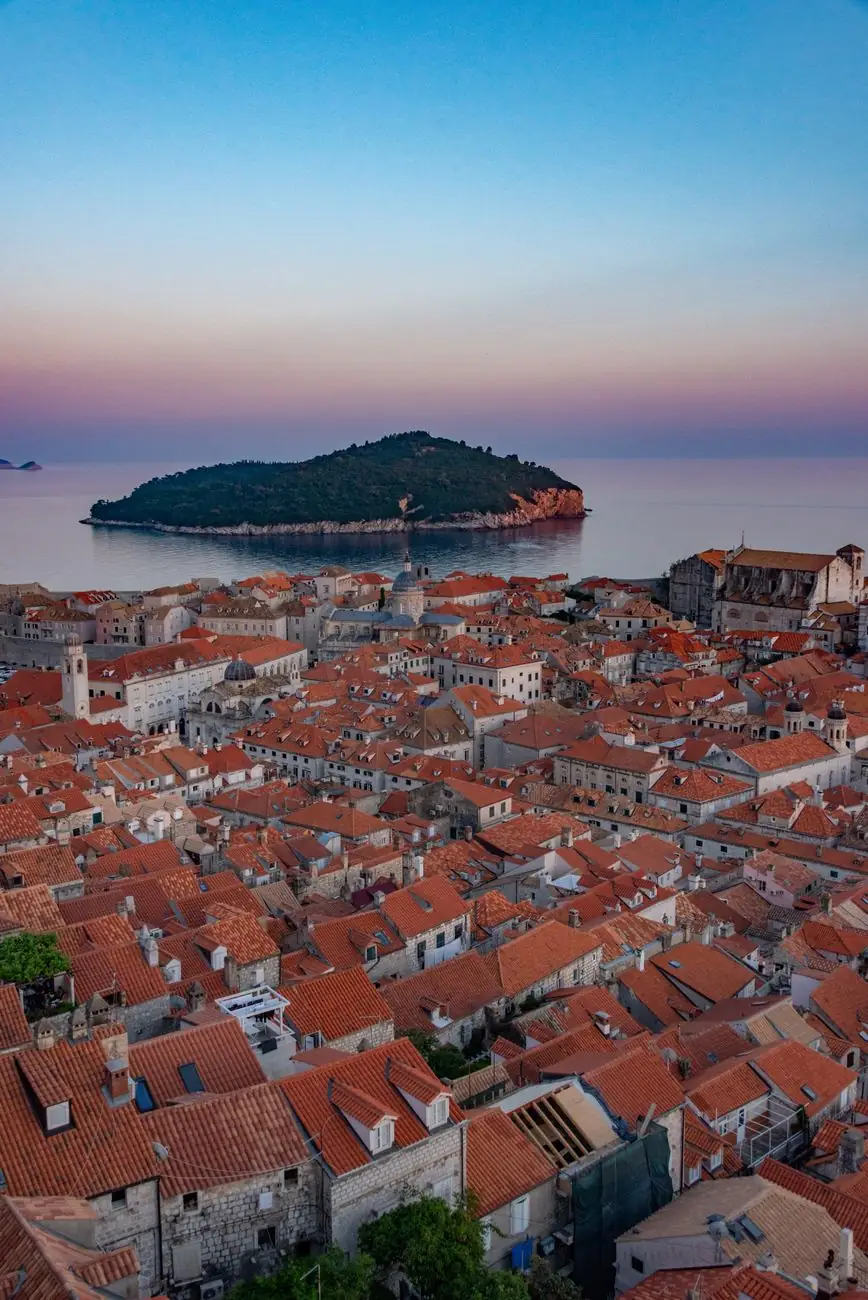
Lokrum from Dubrovnik: reserve admission and a sensible return plan
Lokrum is close enough to see from the Old Town, but a reserve visit is still a boat outing. Choose the official crossing, one manageable island walk and a return that leaves room for weather changes.
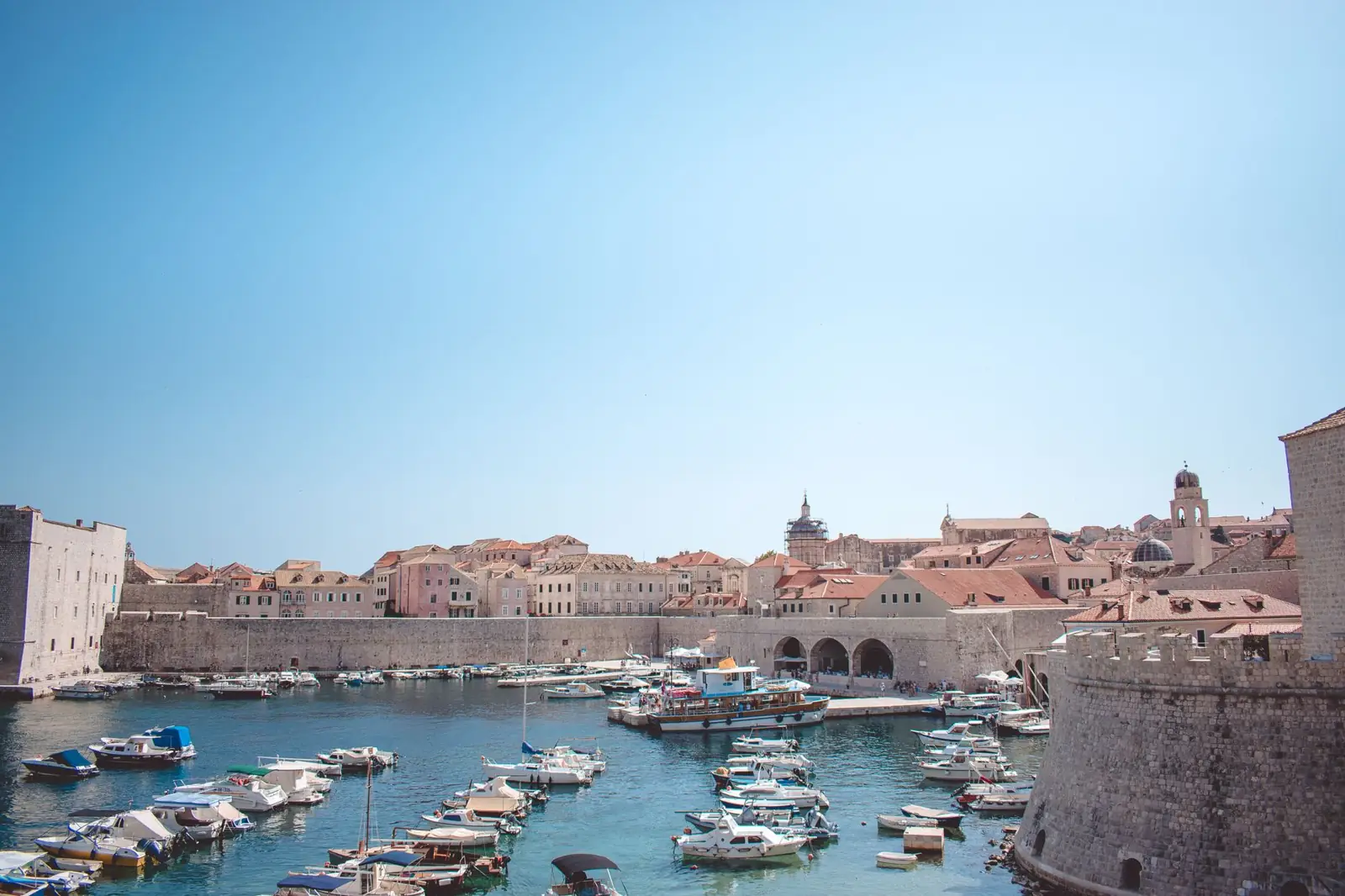
Dubrovnik’s Old Town: the Rector’s Palace and a harbour loop
Follow the Old Town’s main spine, choose one museum, then return through its smaller lanes. This route works well when you want architecture and history without a full city-wall climb.
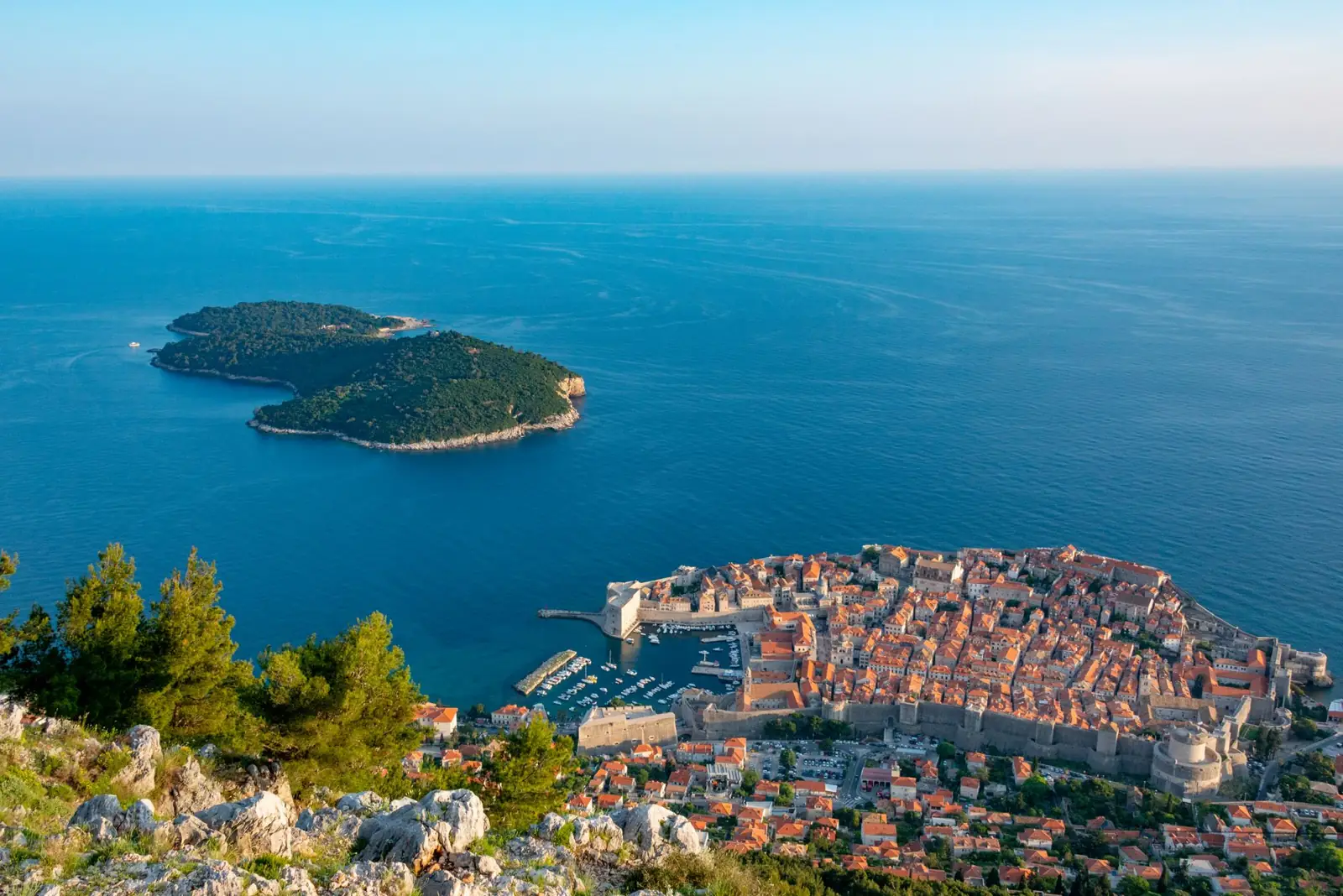
Dubrovnik from Srđ: cable-car views and the winter alternative
Use Srđ to see the whole Old Town in its coastal setting. Make the cable car a weather-dependent choice, and separate the ride, any museum admission and a restaurant reservation.
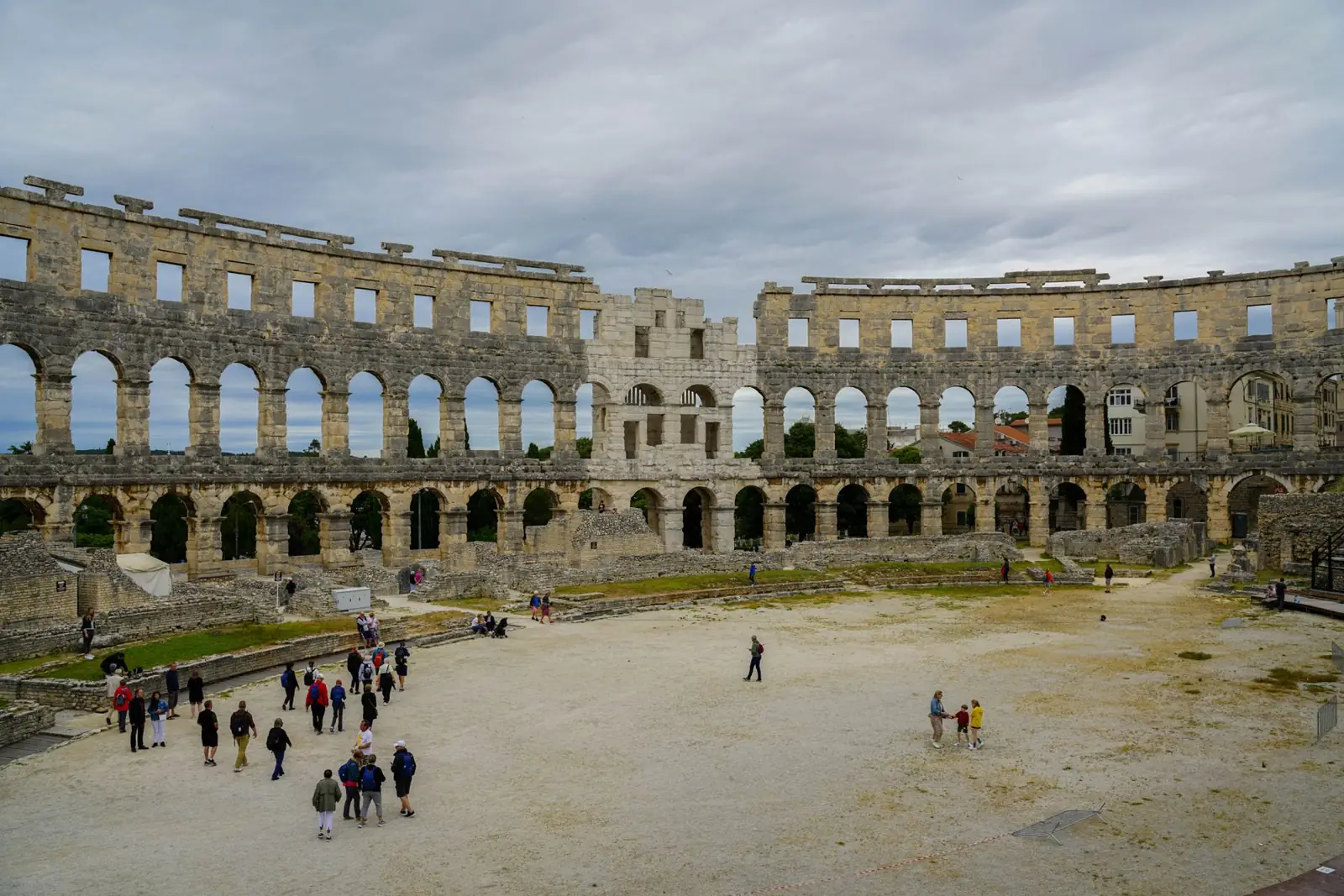
Pula Arena: the arches, arena floor and underground exhibition
Give the amphitheatre more than a quick photograph from the pavement. Its open interior and separate underground display make a useful first visit before the rest of Pula’s Roman centre.
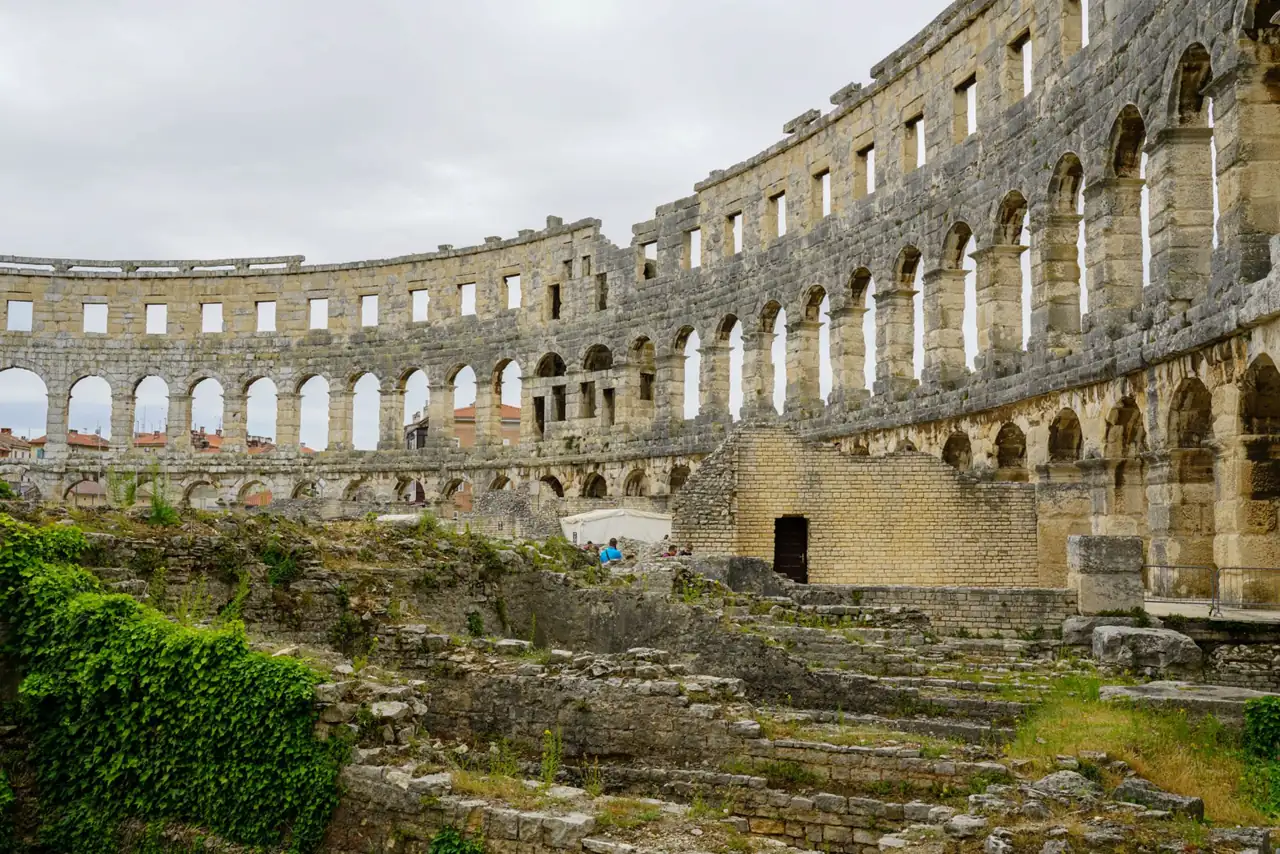
From Pula Arena to Zerostrasse and Kaštel
Use the Arena as your orientation point, then explore the tunnel network and the hilltop fortress. The tunnel entrance and last admission matter more than trying to squeeze the visit into a late-afternoon gap.
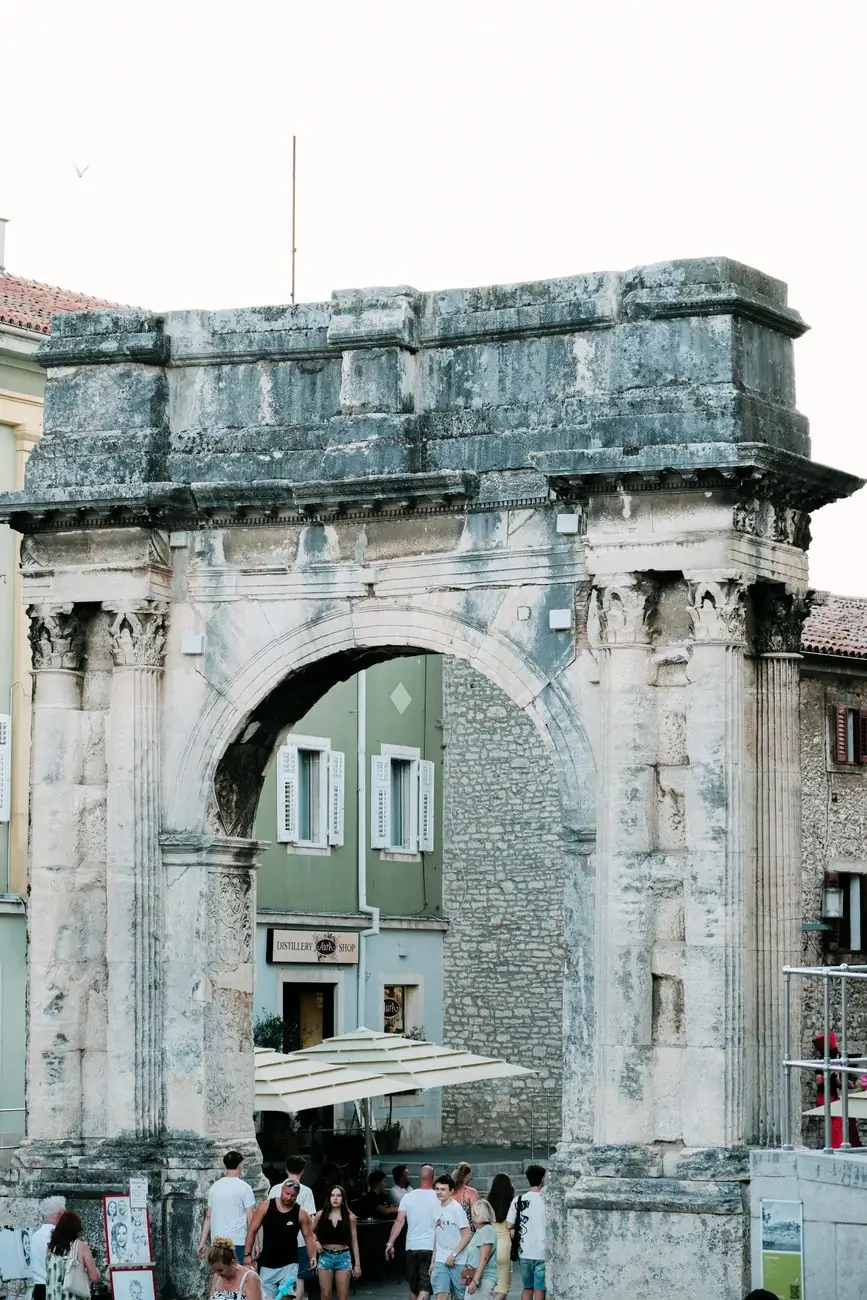
A first weekend in Pula: Roman monuments, tunnels and olive oil
Keep Saturday centred on the Arena and Roman streets, then give Sunday one museum or tasting choice. This plan leaves space for the city’s layers without promising entry to its closed main archaeology museum.
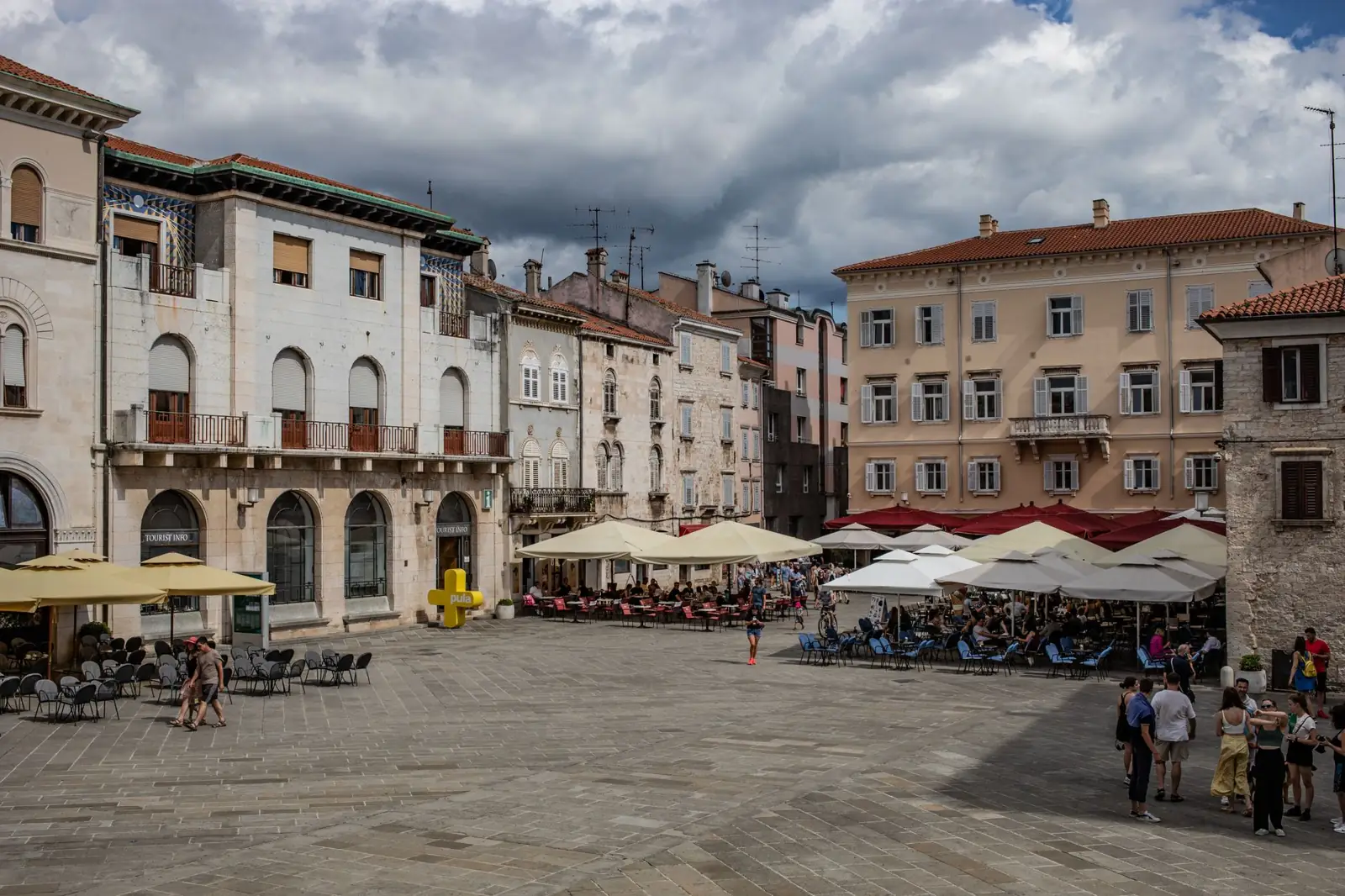
Pula’s market and an Istrian olive-oil tasting
Browse the working market, then choose a tasting that teaches you something useful about Istrian oil. The museum packages differ, so a short visit and a longer food-and-wine experience should not be described as the same outing.
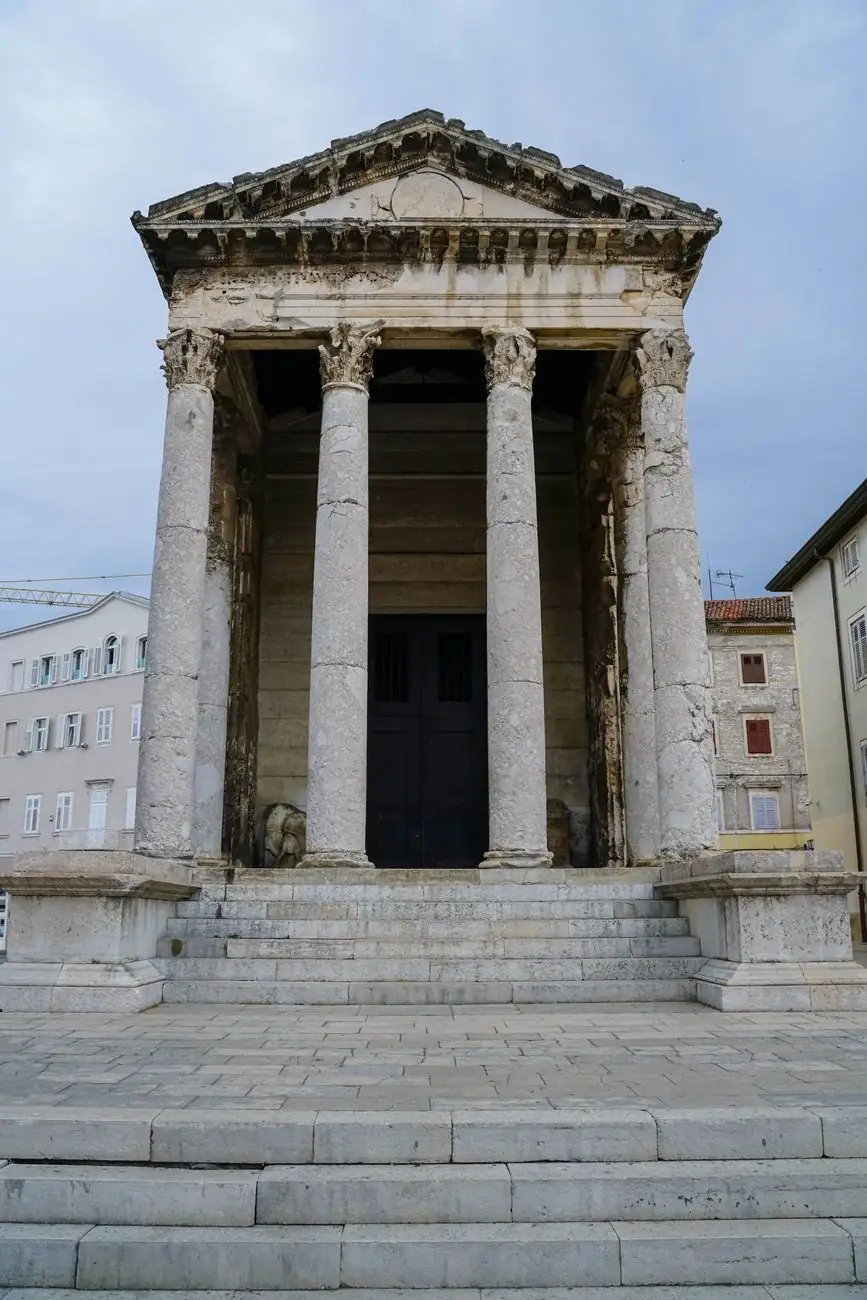
Roman Pula on foot: the Sergii Arch, Forum and Temple of Augustus
Join the Roman monuments with a route through the pedestrian centre. The Temple of Augustus adds a small indoor collection if open, while the larger archaeology museum remains a future return visit.
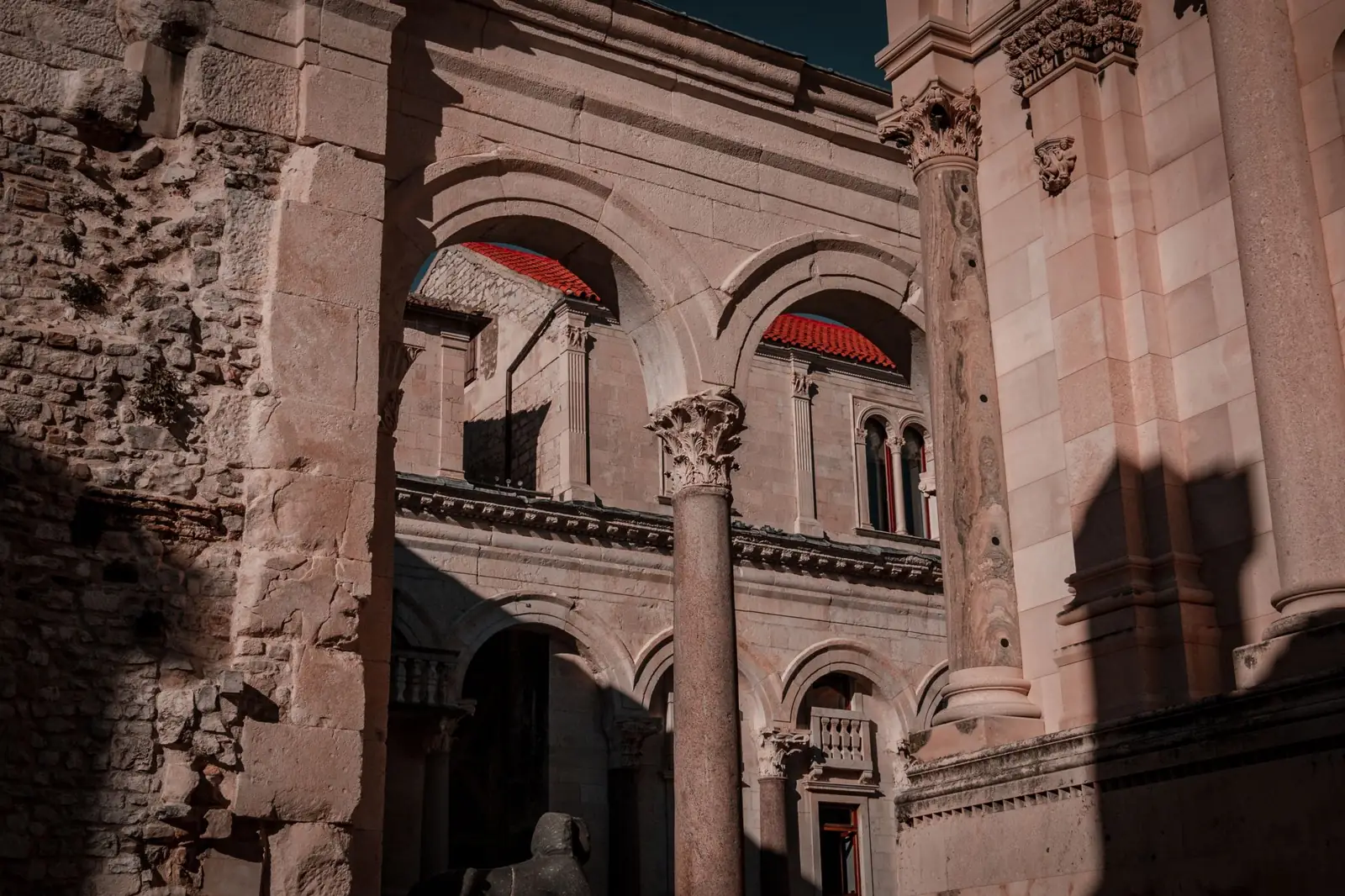
Split’s palace: the Peristyle, cathedral and choosing your tickets
Start with the palace’s public streets, then choose one interior visit. The palace is a lived-in part of Split, so a walking tour and a ticket to a monument are different purchases.
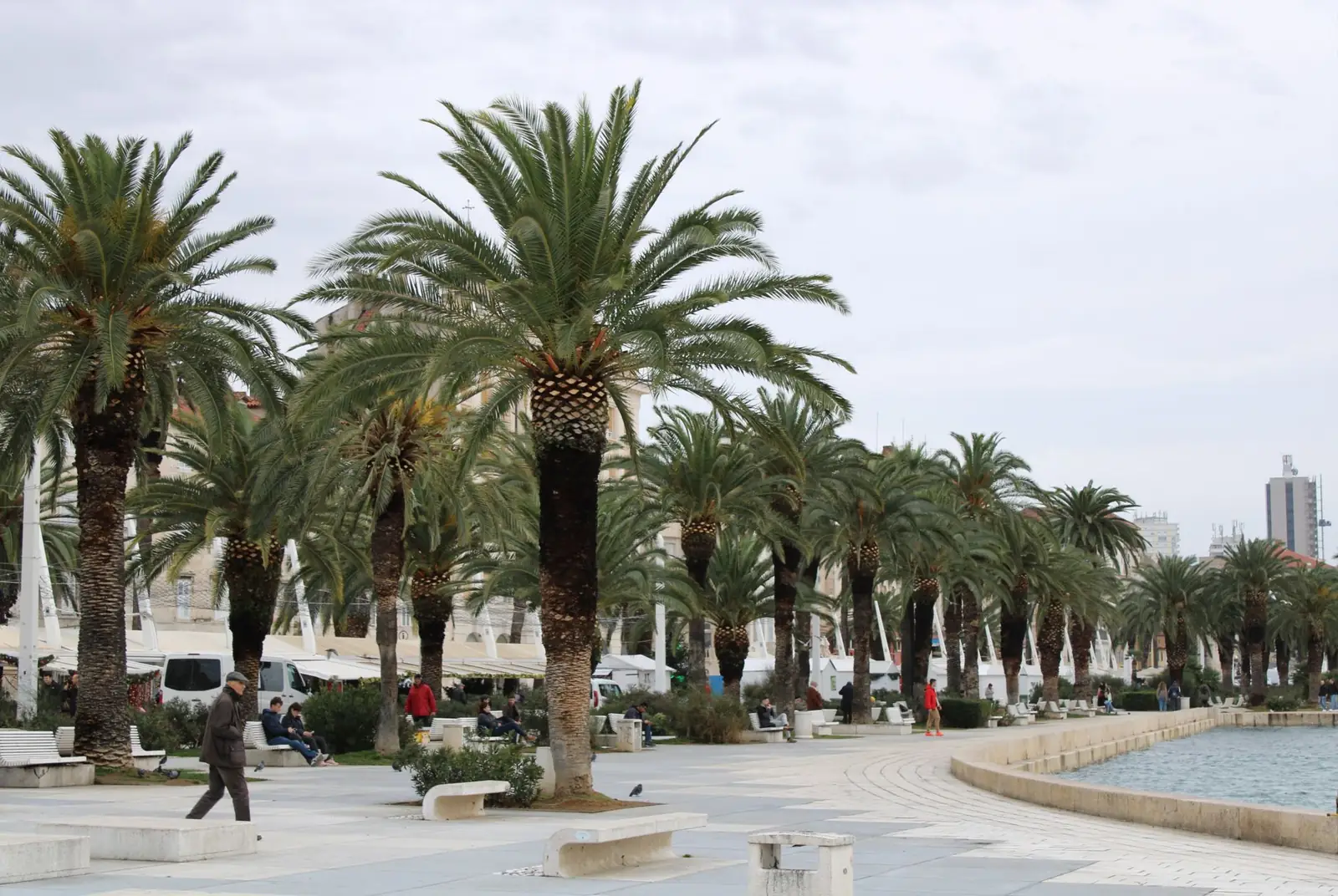
A first weekend in Split: palace streets, markets and a flexible second day
Keep Saturday centred on the palace and food district. On Sunday choose a short Marjan outing or Klis, leaving room for a proper meal and the journey back.
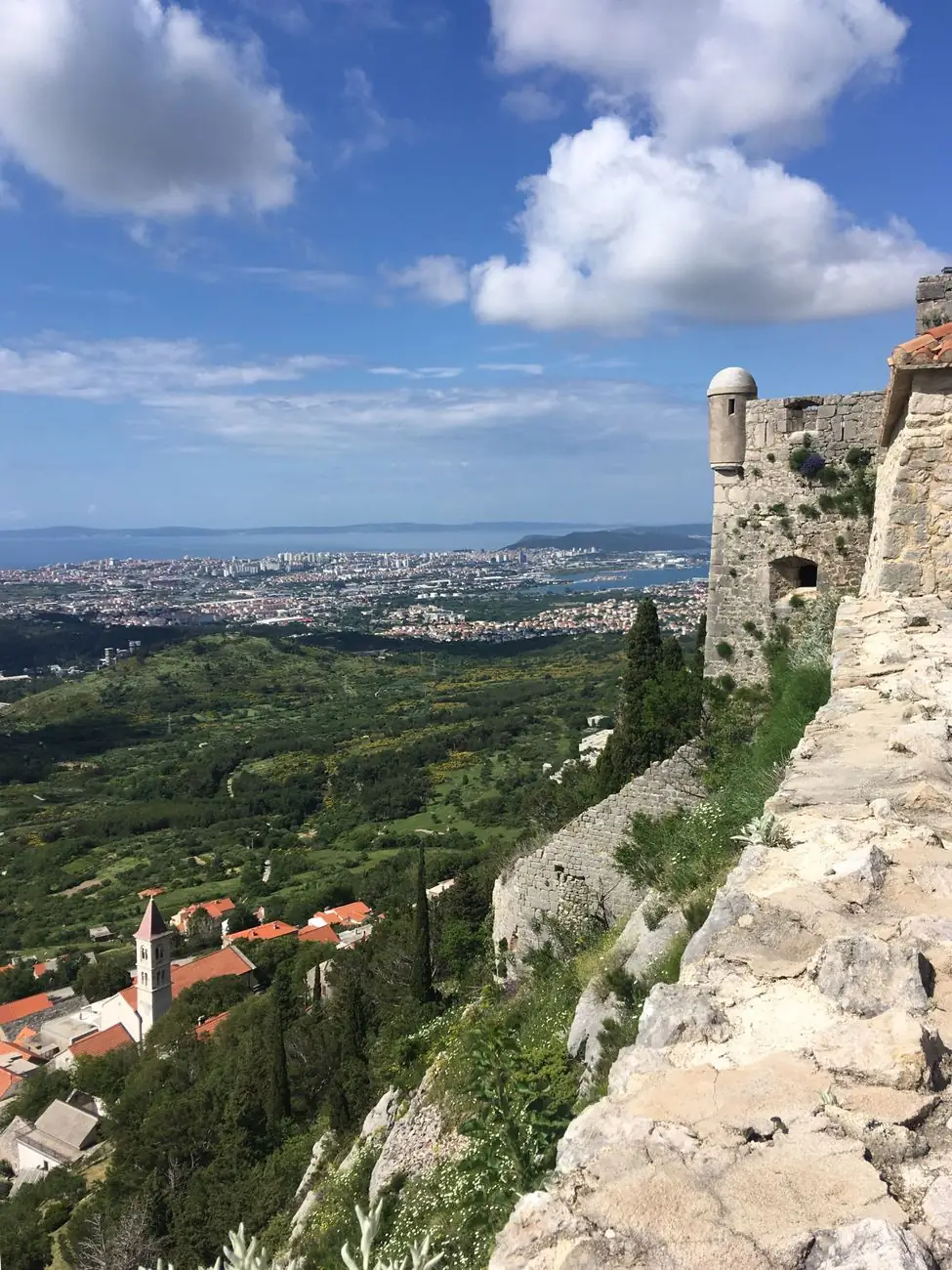
Klis from Split: fortress views, ramparts and the transport decision
Klis is a separate excursion above Split, not another stop inside the palace. Choose between an independent fortress visit and a tour with transport before adding olive-museum time.
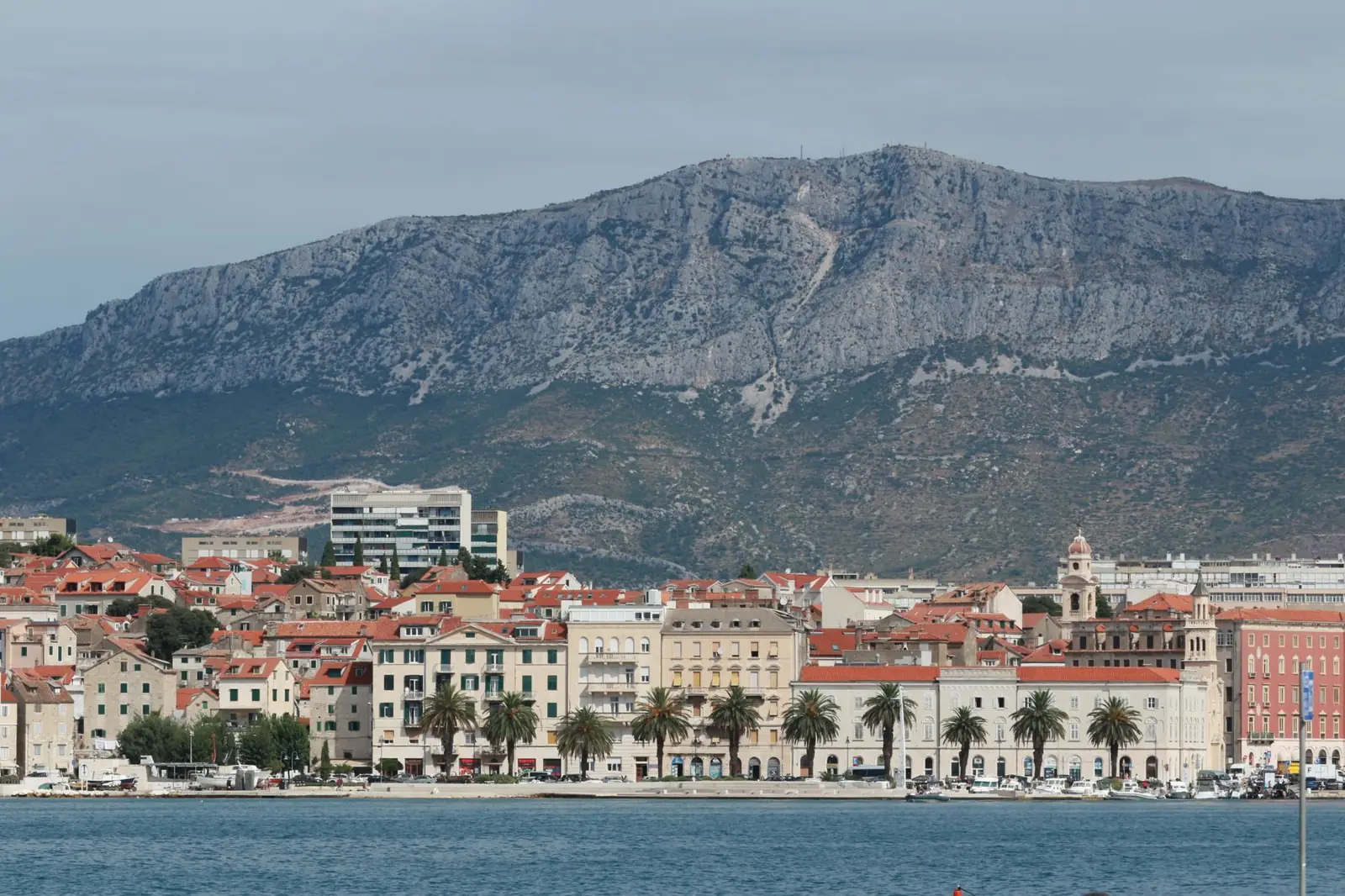
Split’s Marjan: a viewpoint outing with a shorter waterfront alternative
Give Marjan its own part of the day rather than tagging a hill climb onto an already long palace visit. A lower viewpoint can be enough; a full forest circuit needs separate access and weather checks.
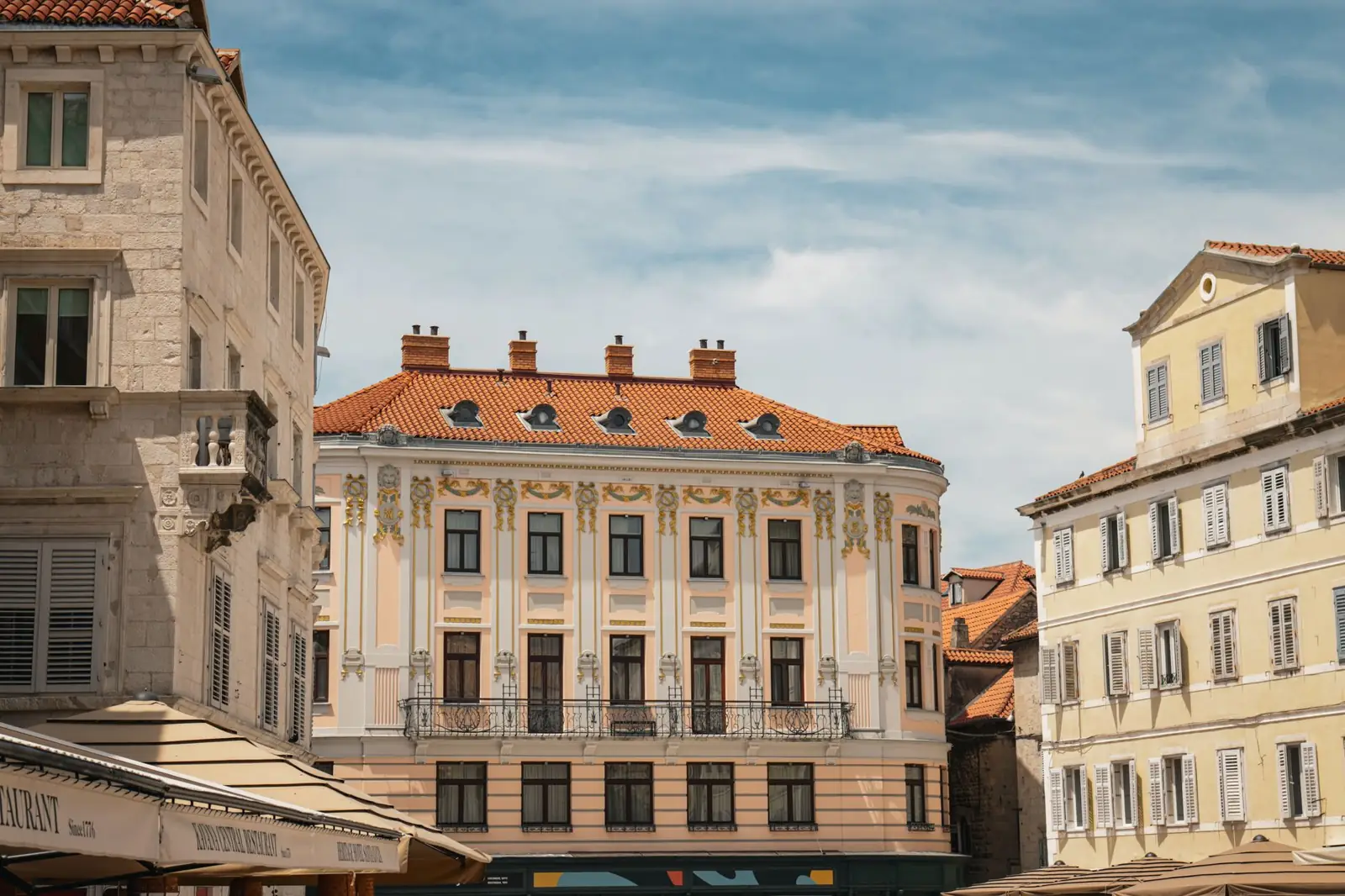
Split’s market morning: Pazar, the fish hall and olive oil
Use two different markets to understand the city’s food, then make one deliberate tasting or lunch stop. This is a shopping and neighbourhood route rather than a promise of a ready-made meal at every stall.
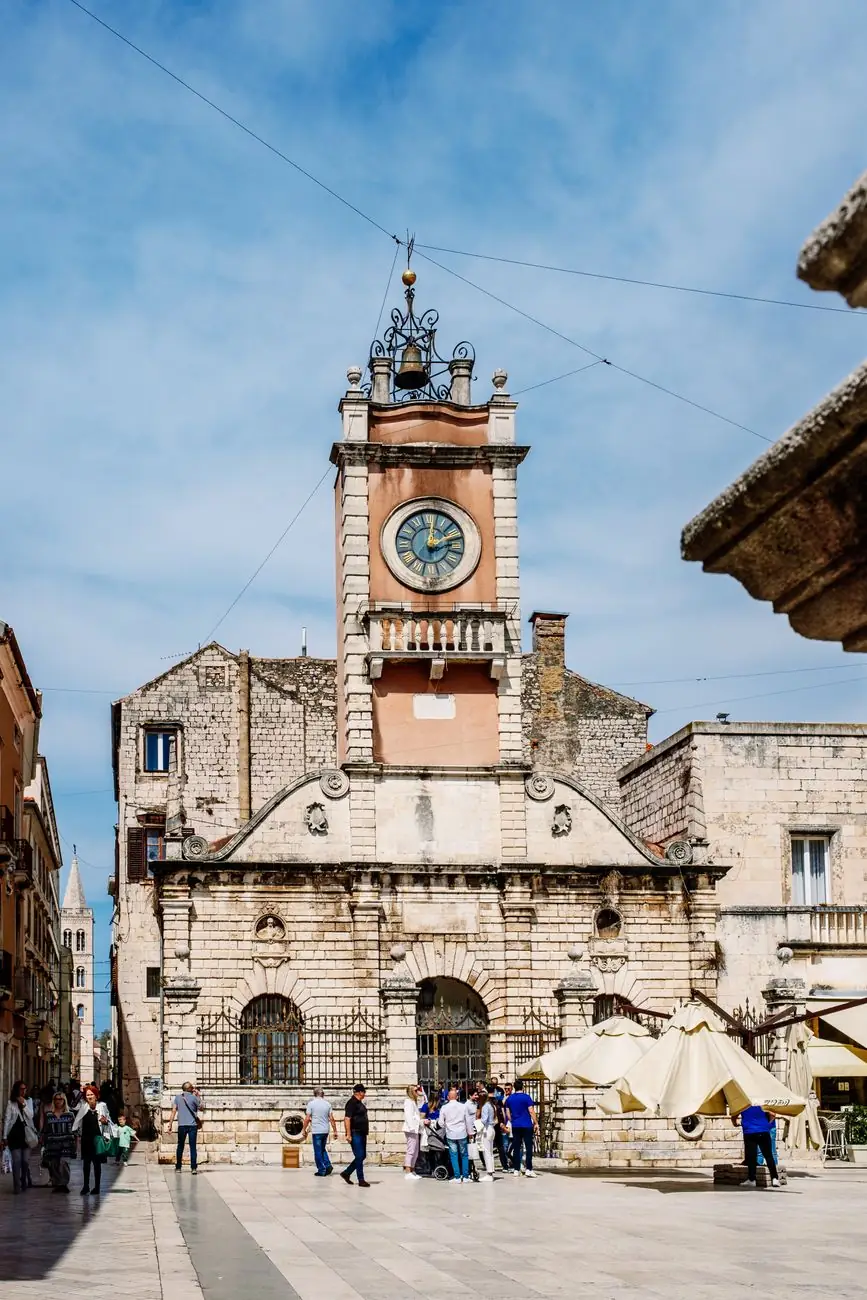
Zadar’s ancient glass: one museum and Narodni Square
Choose the Museum of Ancient Glass for a focused look at delicate everyday objects, then return through Narodni Square. This is a useful alternative to another climb or a long windy waterfront walk.
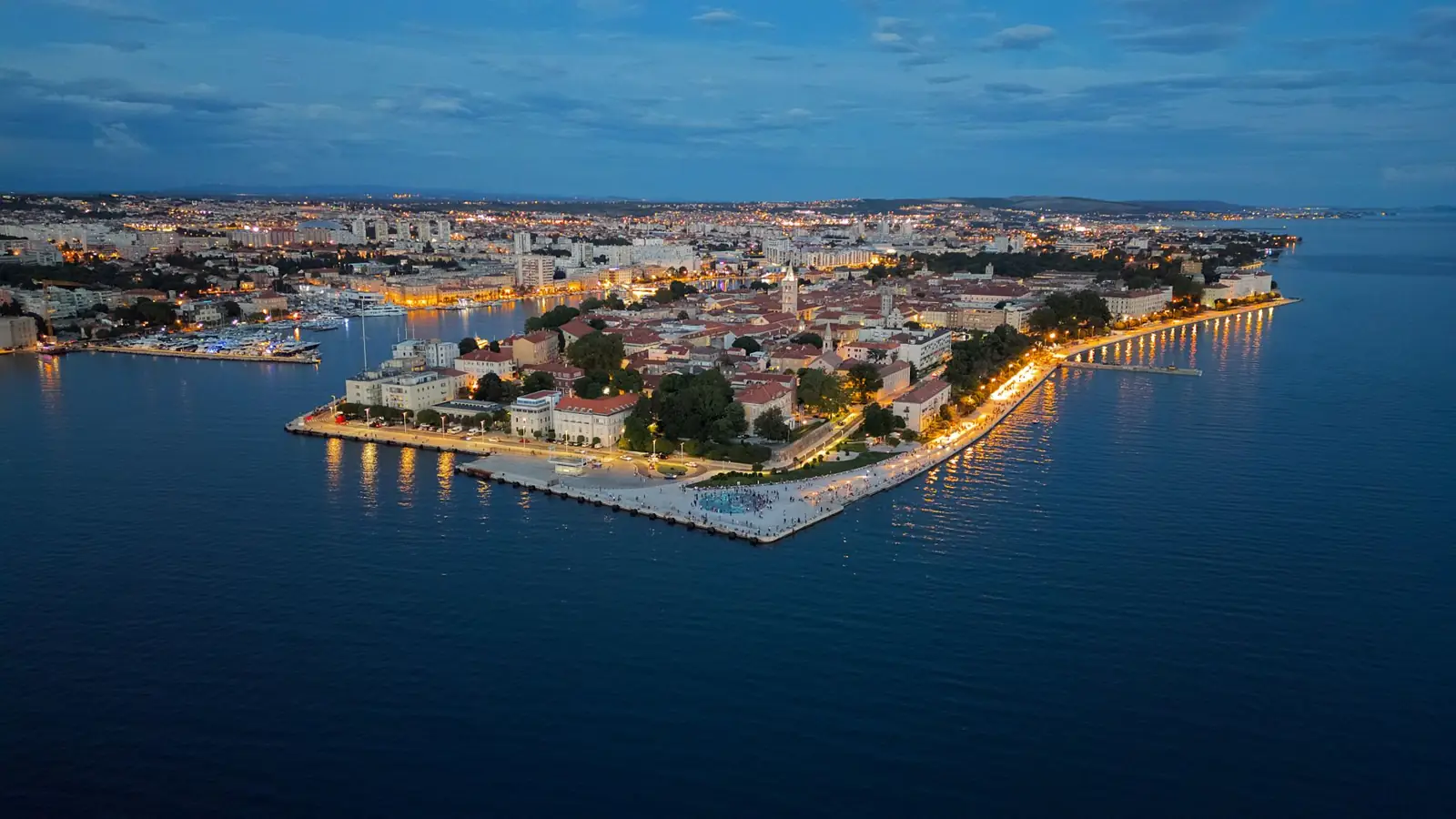
A first weekend in Zadar: Forum, food and the waterfront
Give Saturday the Roman centre and Sunday a focused museum visit. Leave the sunset walk flexible, with a named meal stop and enough room to adapt to wind or rain.
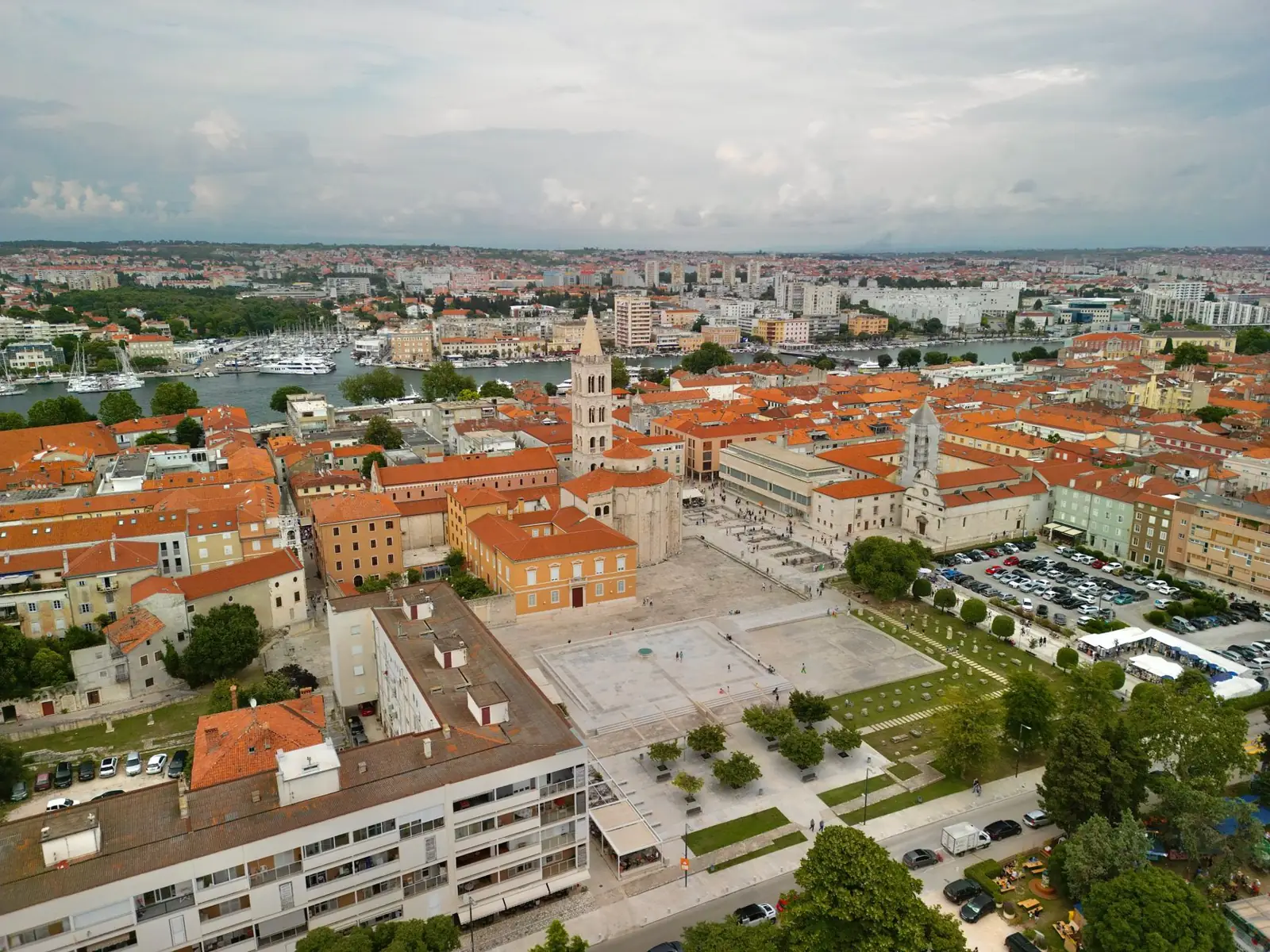
Zadar’s Forum: St Donatus, the cathedral and one museum
Start with the open Roman Forum, then choose the interior that interests you most. A compact route leaves time to notice reused stone and the contrast between ancient remains and later churches.
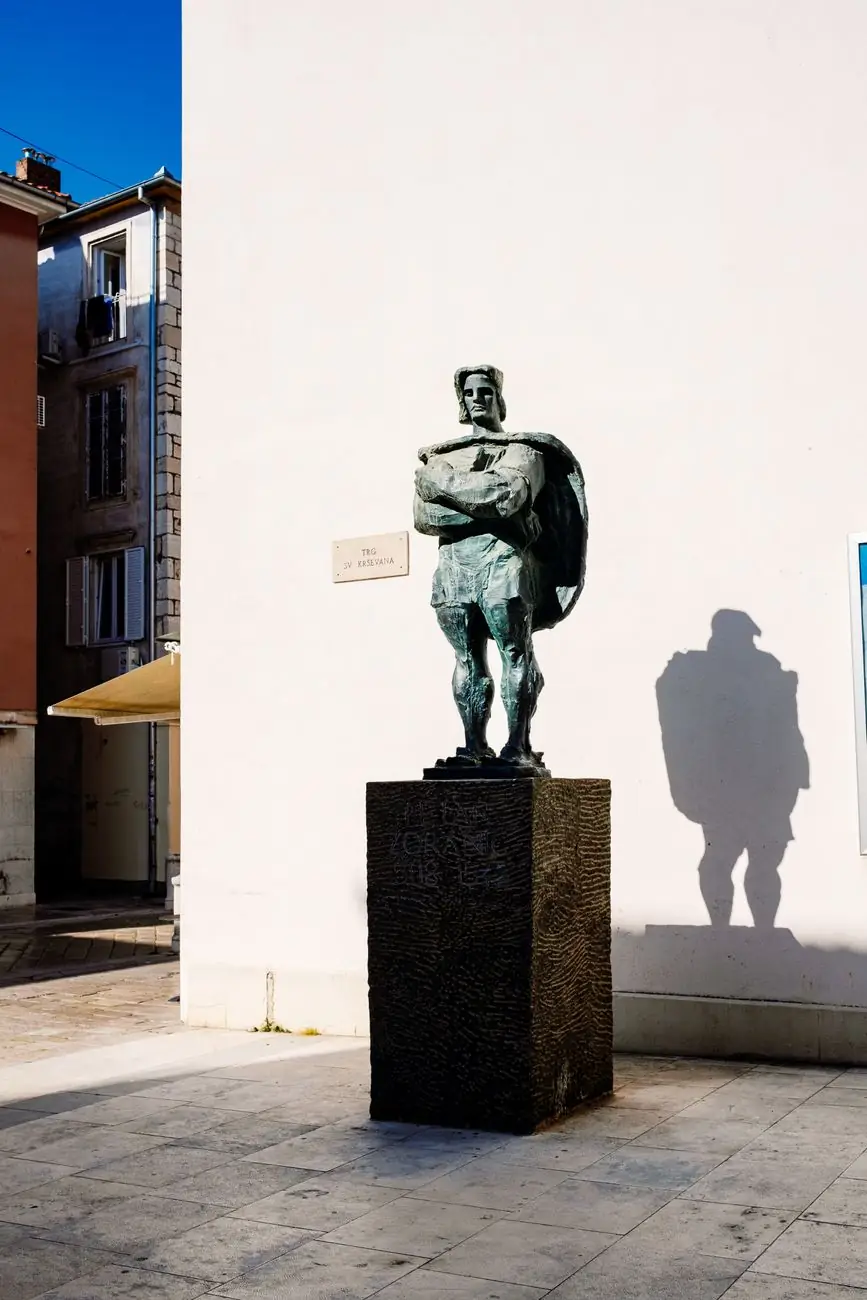
Zadar’s market and Five Wells: a morning browse and seasonal lunch
Make the market a morning stop, then walk towards Five Wells Square for a proper lunch. This route joins everyday shopping with the city’s former water supply and a restaurant with a clear seasonal focus.
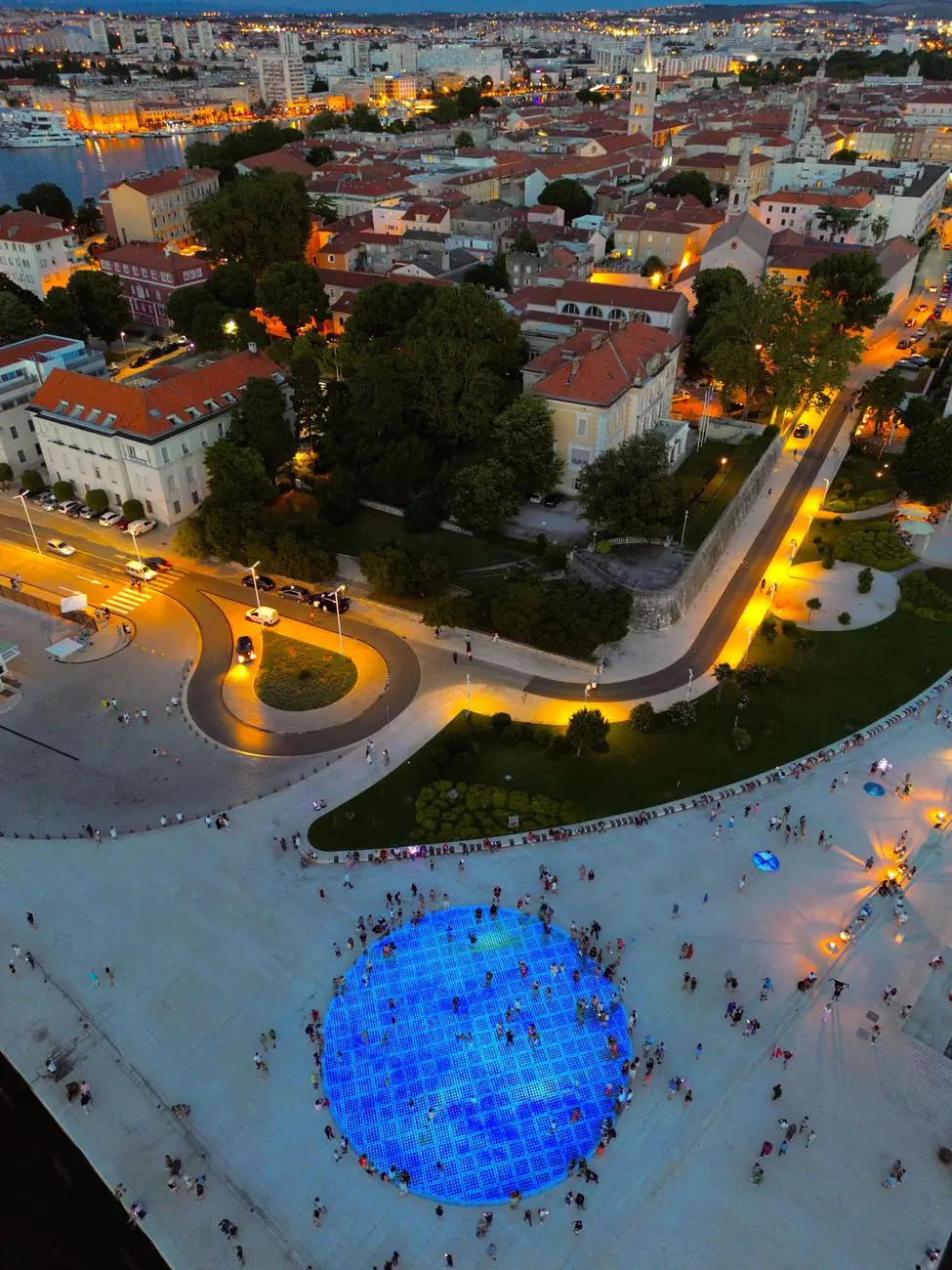
Zadar’s waterfront: Sea Organ, sunset and the Greeting to the Sun
Listen first, then stay for the changing light if the weather suits. The waterfront installations need no boat excursion, and a shorter visit is worthwhile even when sunset is hidden by cloud.
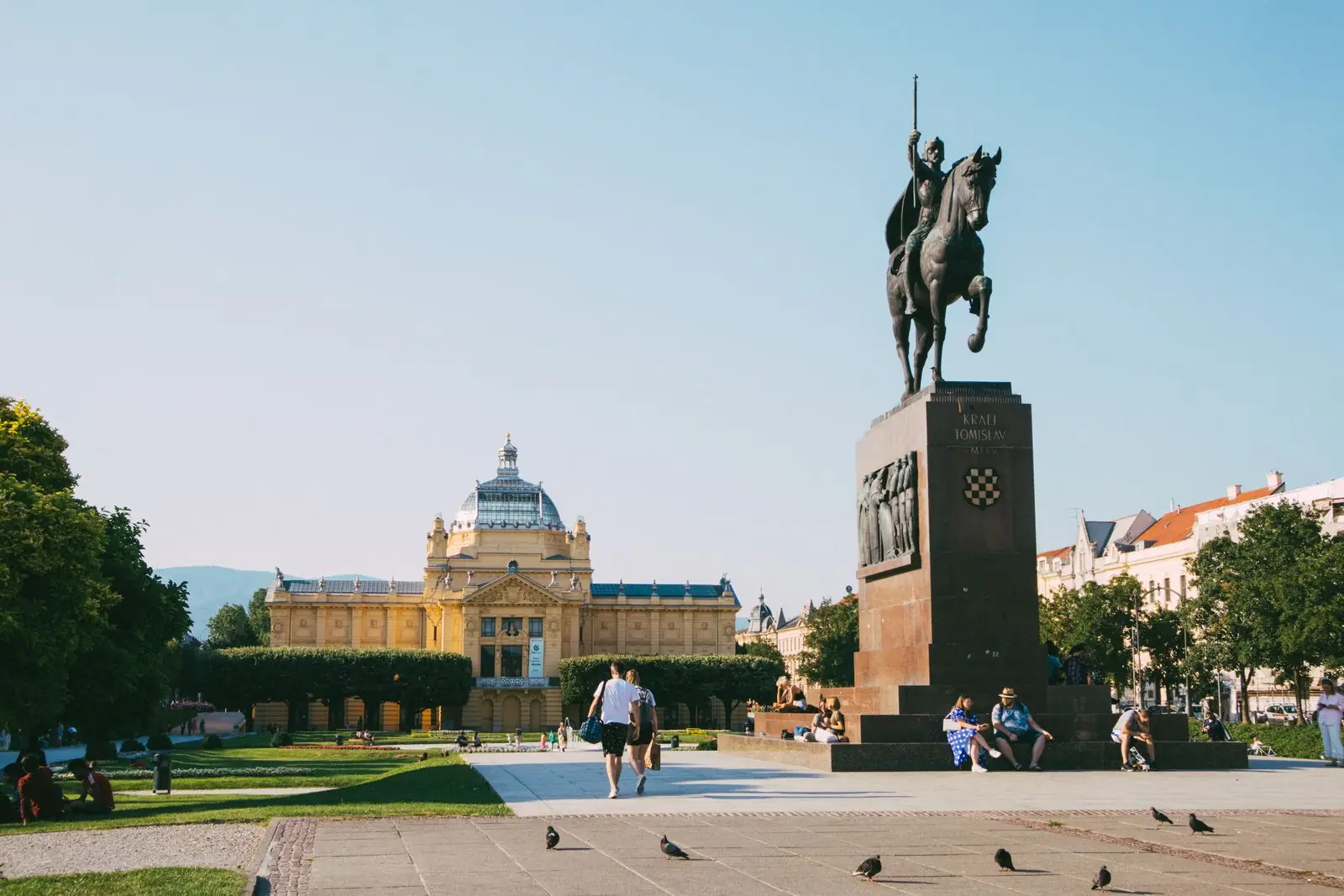
A first weekend in Zagreb: Upper Town, štrukli and green squares
Spend Saturday around the Upper Town and Sunday among the Lower Town’s parks. There is room for a personal museum collection and a proper štrukli lunch without chasing every gallery under restoration.
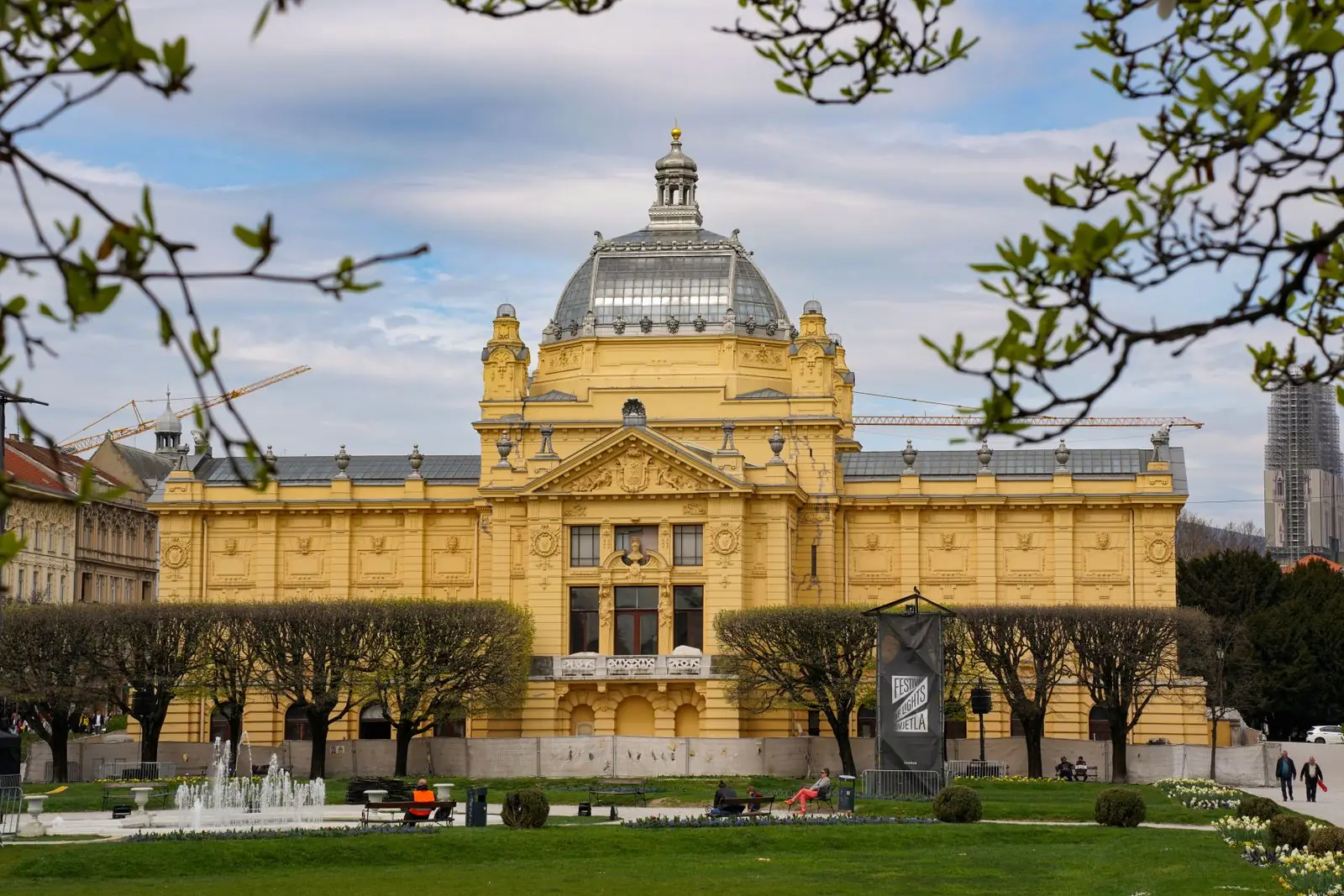
Zagreb’s Lower Town: green squares, Art Pavilion and štrukli
Follow the eastern arm of Zagreb’s Green Horseshoe from Zrinjevac to King Tomislav Square, then decide whether to continue towards the botanical garden. The route works without entering the closed Art Pavilion.
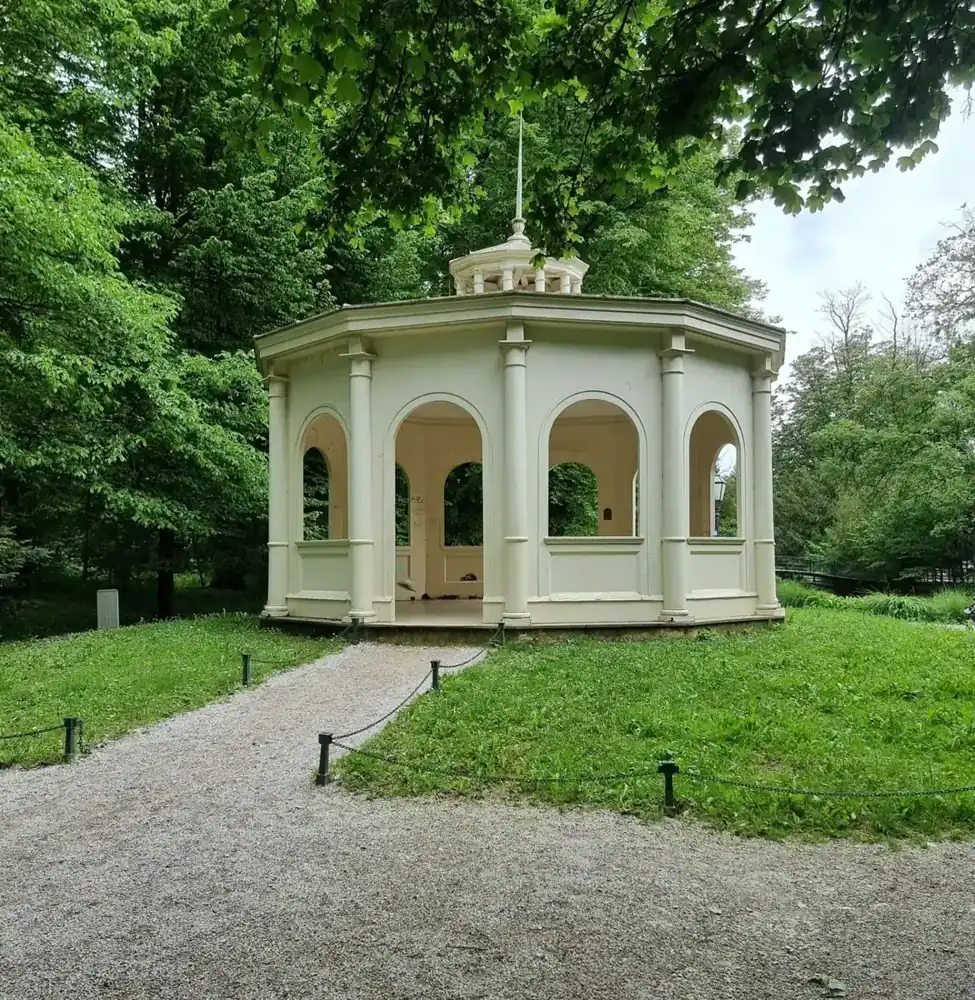
Zagreb’s Maksimir: a lake walk, Jeka Pavilion and an optional zoo
Make Maksimir a separate outing from the old town. Start with the First Lake and Jeka Pavilion, then choose between a longer park walk and a paid zoo visit rather than rushing both.
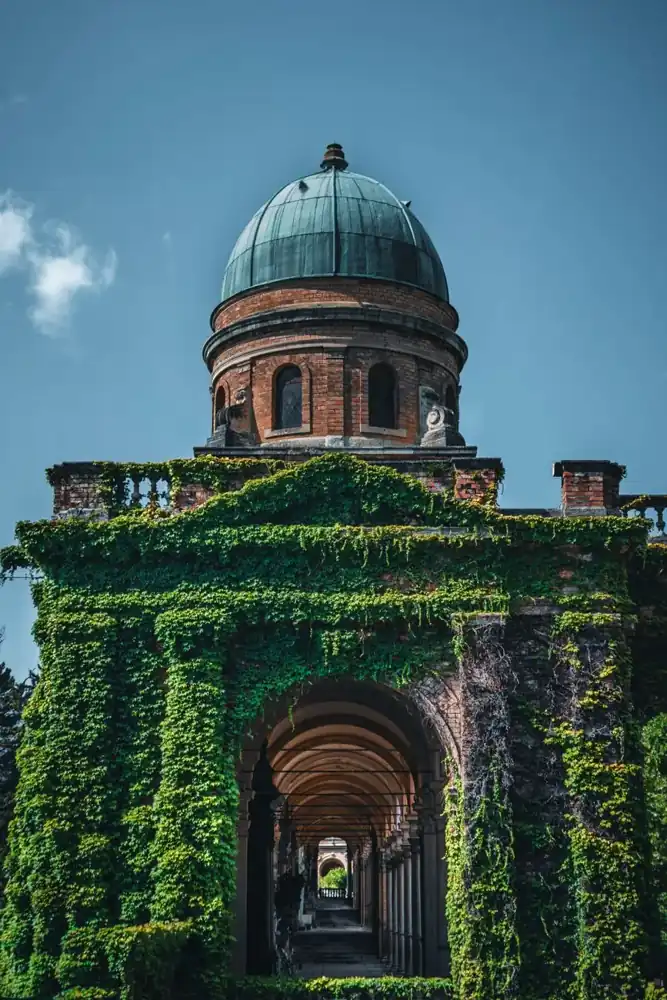
Zagreb’s Mirogoj: architecture, remembrance and what restoration means for a visit
Mirogoj is an active cemetery and a place to understand Zagreb’s history. Its green domes and arcades remain worth knowing about, but damaged areas are not part of an assumed open walking route.
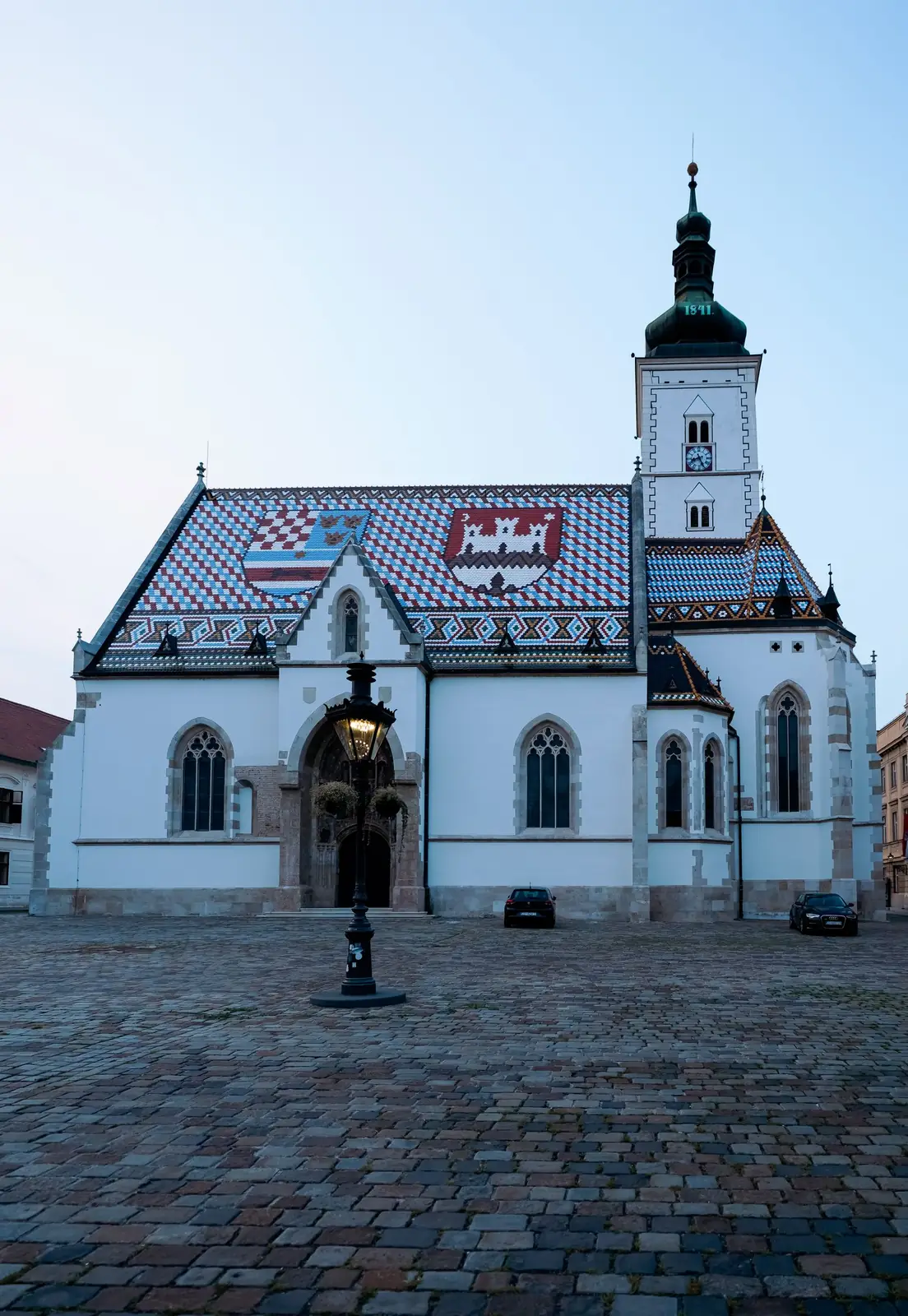
Zagreb’s Upper Town: a tiled roof, quiet gate and personal stories
Take a small loop through Zagreb’s hill-side old town, with St Mark’s roof as the landmark and the Museum of Broken Relationships as the indoor stop. Finish below the hill with a useful local food idea.