Day one: start at the west gate
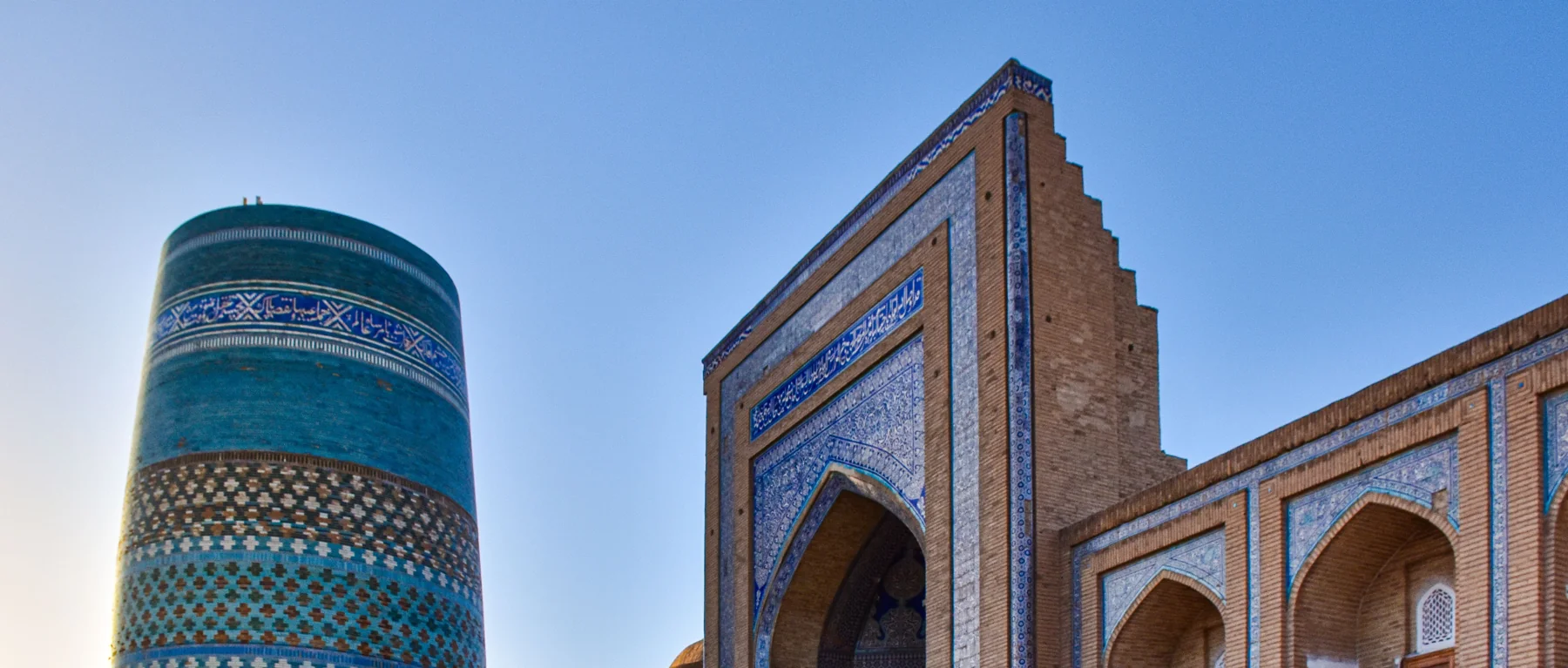
Use Ota Darvoza as your orientation point. Just inside, look at Kalta Minor beside Muhammad Amin Khan Madrasah. The broad turquoise tower is unfinished; take time to pick out the horizontal bands and patterned tilework instead of rushing straight past it. The view is rewarding from the public approach, without a climb.
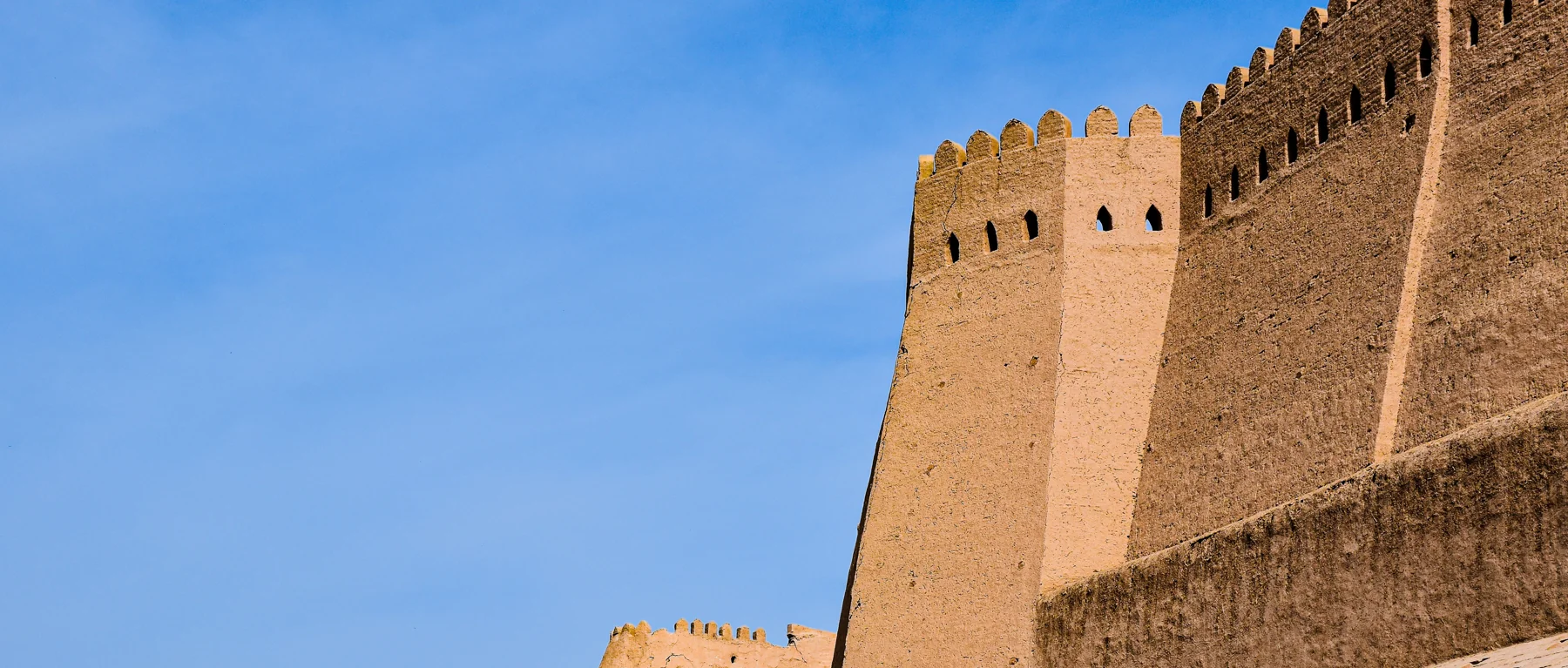
Continue to Kunya Ark, the former citadel. Make its open courtyards and decorated architectural surfaces the main interior visit of the morning. Check the entrance board for the day’s accessible rooms and whether any viewpoint needs an extra ticket. Do not assume a combined museum ticket includes every tower or mausoleum.
Mobile data for your trip. Check what your current plan includes for roaming. If you need another option for maps, messages and booking details, compare NXTL eSIM coverage and rates. Check that your phone supports eSIM and is unlocked, and check coverage for every stop. Download important maps and confirmations for offline use too.
Day one: Juma Mosque and a longer lunch
Follow the main lane east towards Juma Mosque. Inside, the close rows of wooden columns change the experience from the bright open square. Look at the carved shafts and the different shapes of their bases. Follow staff instructions about footwear and photography, keep your voice low and avoid flash where prohibited.
Book Terrassa Cafe & Restaurant on Bo’yoqchilar Street for a meal with views towards the western monuments. Ask about shivit oshi, Khorezm’s dill noodles, or grilled dishes; reserve the terrace if the view matters and choose indoor seating in cold or strong heat. Check ingredients directly: reports differ on egg in the noodles and dairy in accompaniments, so a vegetable dish is not automatically vegan. Leave a real break around lunch; on hot days, return to your accommodation before continuing. Choose fewer interiors if museum fatigue is setting in.
Day two: Tash Khauli and the eastern side
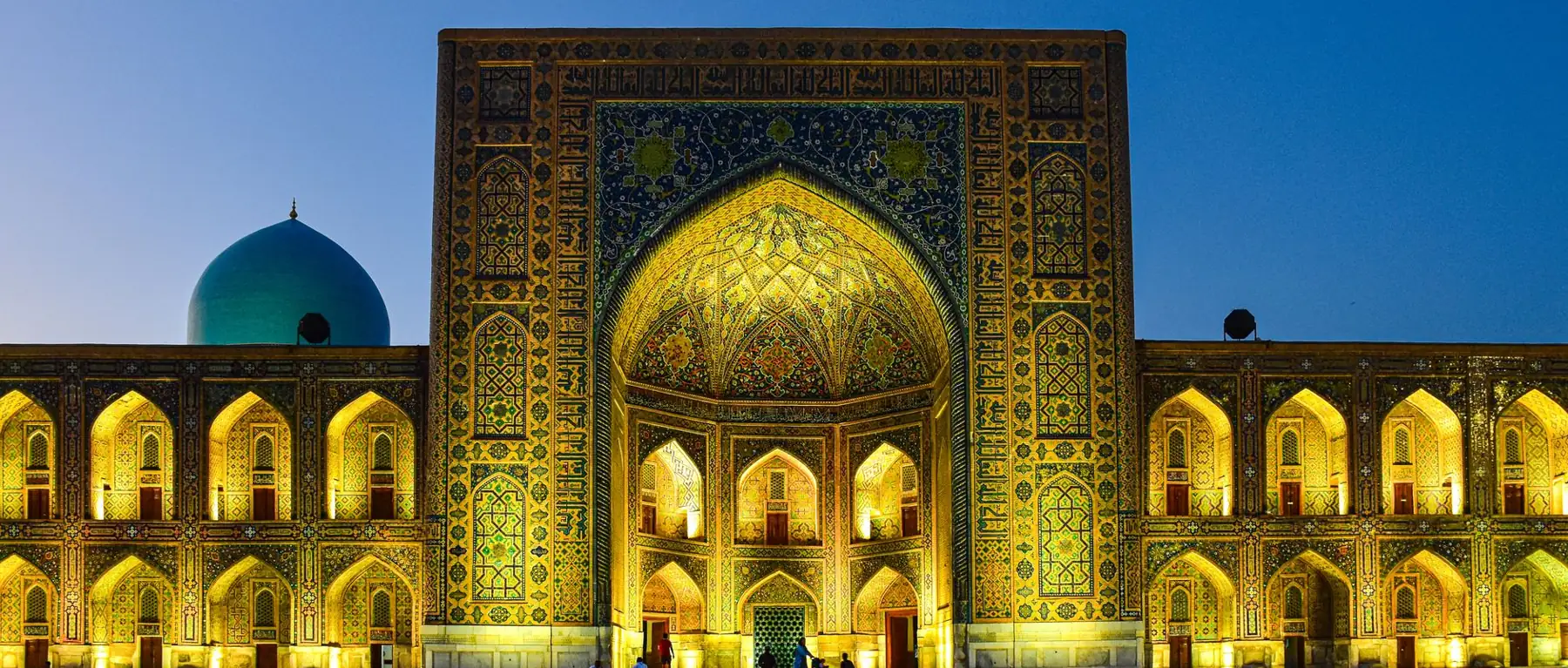
Make Tash Khauli Palace your main visit, approaching from the eastern part of Itchan Kala. Look for blue tile panels, carved columns and the contrast between open courtyards and shaded rooms. Ask which entrances connect to the available sections rather than assuming every courtyard is accessible from one door.
Pair it with the exterior of Allakuli Khan Madrasah and a look at the nearby trading lanes. Browse a workshop only where visitors are welcome, asking before taking close photographs of people or their work. This route leaves time for a meal without trying to enter every building on the ticket.
Day two: finish in the southern lanes
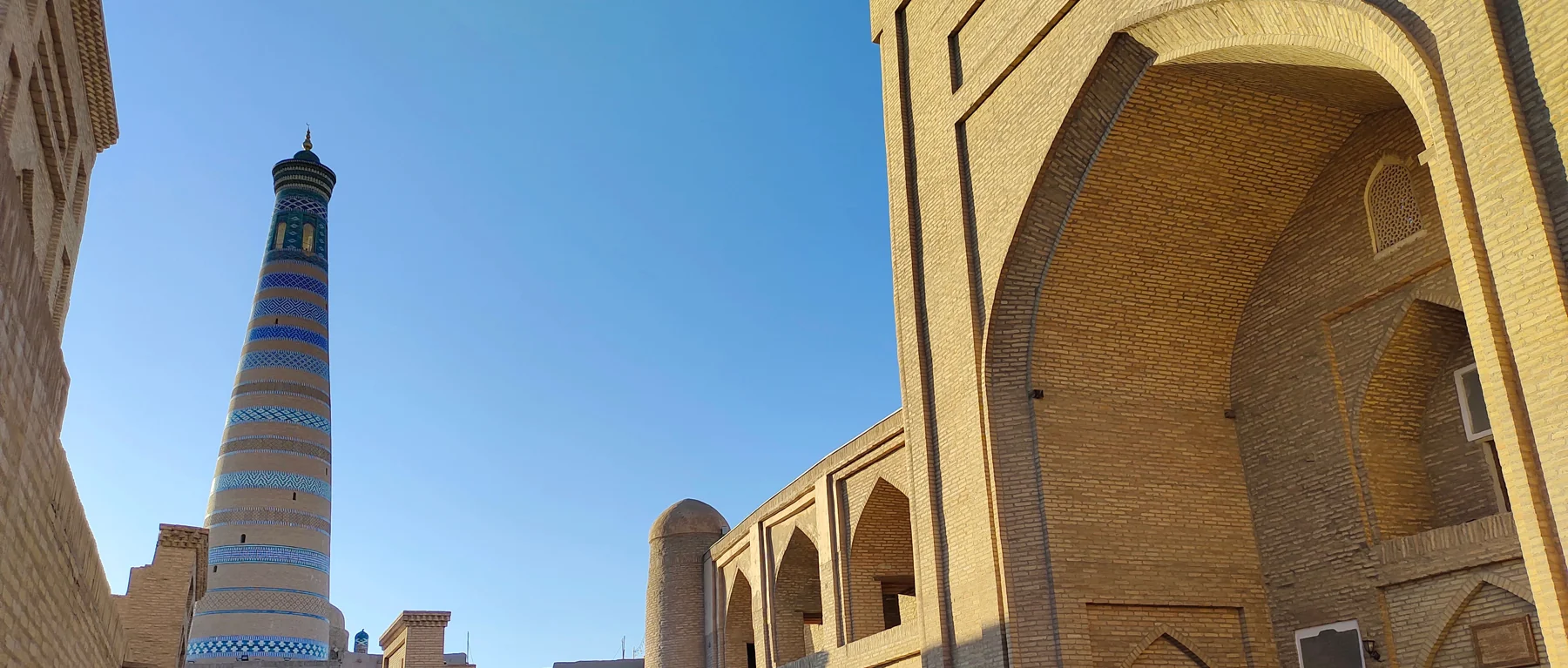
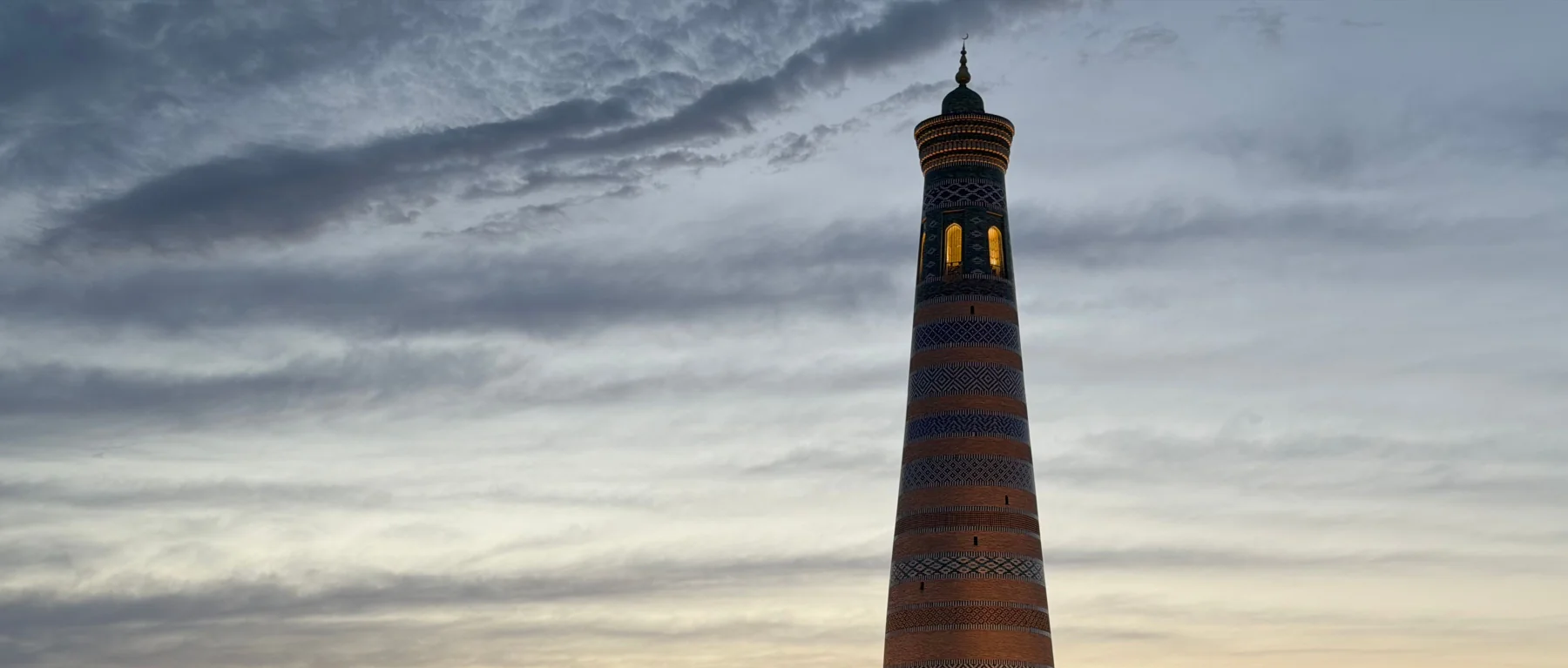
Continue towards Islam Khoja Minaret for its narrow silhouette and bands of coloured brickwork. A ground-level view makes a satisfying finish. If you want to climb, check the day’s access and separate admission first; steep enclosed stairs make it an optional visit, and closing can be before sunset.
Nearby Pakhlavon Mahmud Mausoleum is a religious visit with its own access and payment arrangements. Dress with shoulders and knees covered, carry a scarf if required and follow instructions at the entrance. If you prefer a shorter day, stop after the palace and save the southern lanes for another visit.
Replace part of the plan with a guide
A guided walk can replace several independent stops across these two days. Keep the remaining time for a palace interior, a meal and a slower return to a favourite square, rather than repeating the entire route.
Discuss walking endurance and weather before booking. In a heatwave, a shorter independent outing with an indoor break may suit better than a continuous group walk.
For a guided introduction, Compare Khiva historical-city walking tour options. The route connects Allakuli Khan Madrasah, Islam Khoja, Pakhlavon Mahmud and Juma Mosque inside Itchan Kala. The advertised four-hour walk includes a guide and taxes; entrance tickets are extra and the guide assists with purchasing them. Choose the language and private or small-group option for your date, and read its meeting instructions. A minaret stop does not promise a tower climb. The listing excludes wheelchair users and people with mobility impairments. Carry water and sun protection, and agree the pace and breaks before starting.
Pack for paving, interiors and weather
Supportive shoes matter more here than specialist outdoor equipment. In summer, take a hat and water and keep long clothing breathable; in winter, gloves and a warm coat make the exposed approaches easier. Save an offline map and your accommodation entrance before wandering into unfamiliar lanes.
Rain can leave paving slippery, and architectural interiors do not all provide shelter or heating. Treat museum entry, a terrace meal and any tower climb as separate choices; the weekend still works if you leave one of them out.
Check before you go
Opening arrangements and visitor rules can change. Check the official information before your trip.