Set a starting point at Boston Common
Start at Boston Common and use the current trail map to orient yourself towards the State House and downtown sites. The full route continues beyond this outing, so decide where to finish before setting off. Following only the downtown section avoids making the Charlestown extension an obligation.
Mobile data for your trip. Check what your current plan includes for roaming. If you need another option for maps, messages and booking details, compare NXTL eSIM coverage and rates. Check that your phone supports eSIM and is unlocked, and check coverage for every stop. Download important maps and confirmations for offline use too.
For an optional booked version, compare the Official Freedom Trail tour. Compare the current meeting point, endpoint and duration with your chosen downtown stops. Check actual interior admissions and accessibility; the product title does not promise the entire trail or every historic building.
Pause at actual history anchors
Look for the Granary Burying Ground, King’s Chapel area and the Boston Latin School site as you follow the marked route. Give each stop a reason: read interpretation and compare the surrounding streets with the surviving landmark. A burial-ground or church interior should depend on current access; the exterior route can still explain how these places fit the city.
Choose Old South or the Old State House
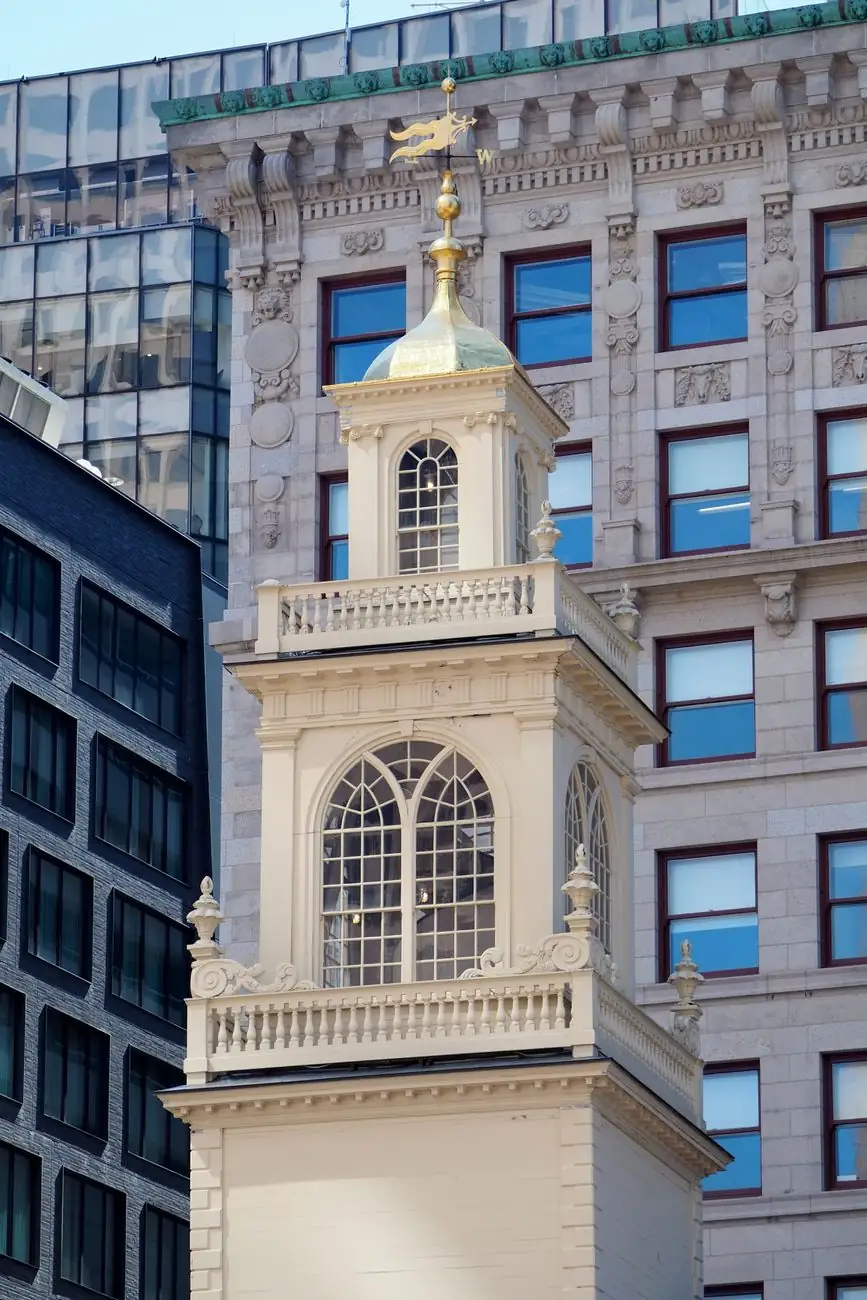
Old South Meeting House interprets public gathering and protest, while the Old State House explores government and debate. Choose one or allow proper time for both instead of treating their doors as quick photo stops. They are partner museums with admission decisions; a walking-tour price should not be assumed to cover either. Check the operator’s current combined-ticket terms if offered.
For an optional booked version, compare the Old State House and Old South Meeting House museum combo. Check both admissions, date validity and the current exhibition and opening arrangements. This is an interior-ticket choice, not automatically a guided Freedom Trail walk.
Finish at Faneuil Hall thoughtfully
Faneuil Hall’s Great Hall has a civic role distinct from the surrounding marketplace. Check the live visitor calendar before expecting interior access, and look for interpretation of meetings and debate rather than treating the building only as a shopping landmark. The plaza and exterior provide a shorter finish if rooms are unavailable.
Book a guide for interpretation, not access assumptions
A guided walk can provide context and a useful sequence, but compare its actual start, endpoint and included interiors. Many tours cover only a portion of the trail. Use an accessible alternative route where stairs or uneven paving do not suit you, carry water and rain protection, and leave time for a meal after the walk rather than halfway through a timed group departure.
For an optional booked version, compare the Freedom Trail small-group history walk. The researched route ends in the North End; museum interiors and Charlestown visits are excluded. Confirm duration, pace and physical access directly, because the listing’s mobility labels conflict. A guided walk does not replace separate historic-site tickets.
Check before you go
Opening arrangements and visitor rules can change. Check the official information before your trip.
- Meet Boston: Freedom Trail route and site choices
- NPS: official site features and access
- NPS: current seasonal and weekly hours
- Freedom Trail: accessible route choices
- MBTA: current fare choices
- Freedom Trail small-group history walk — activity details
- Official Freedom Trail tour — activity details
- Old State House and Old South Meeting House museum combo — activity details