Keep power banks in cabin baggage
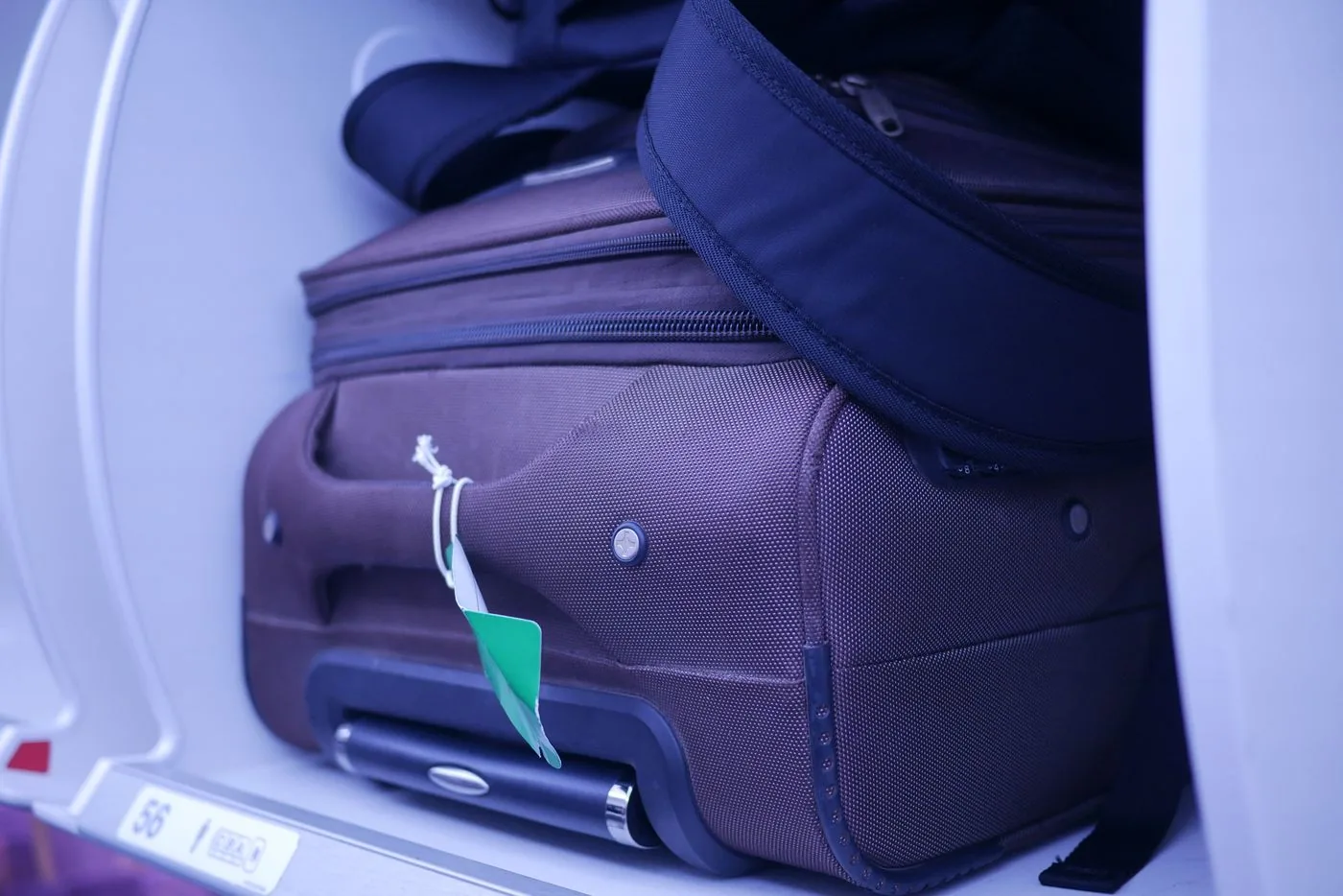
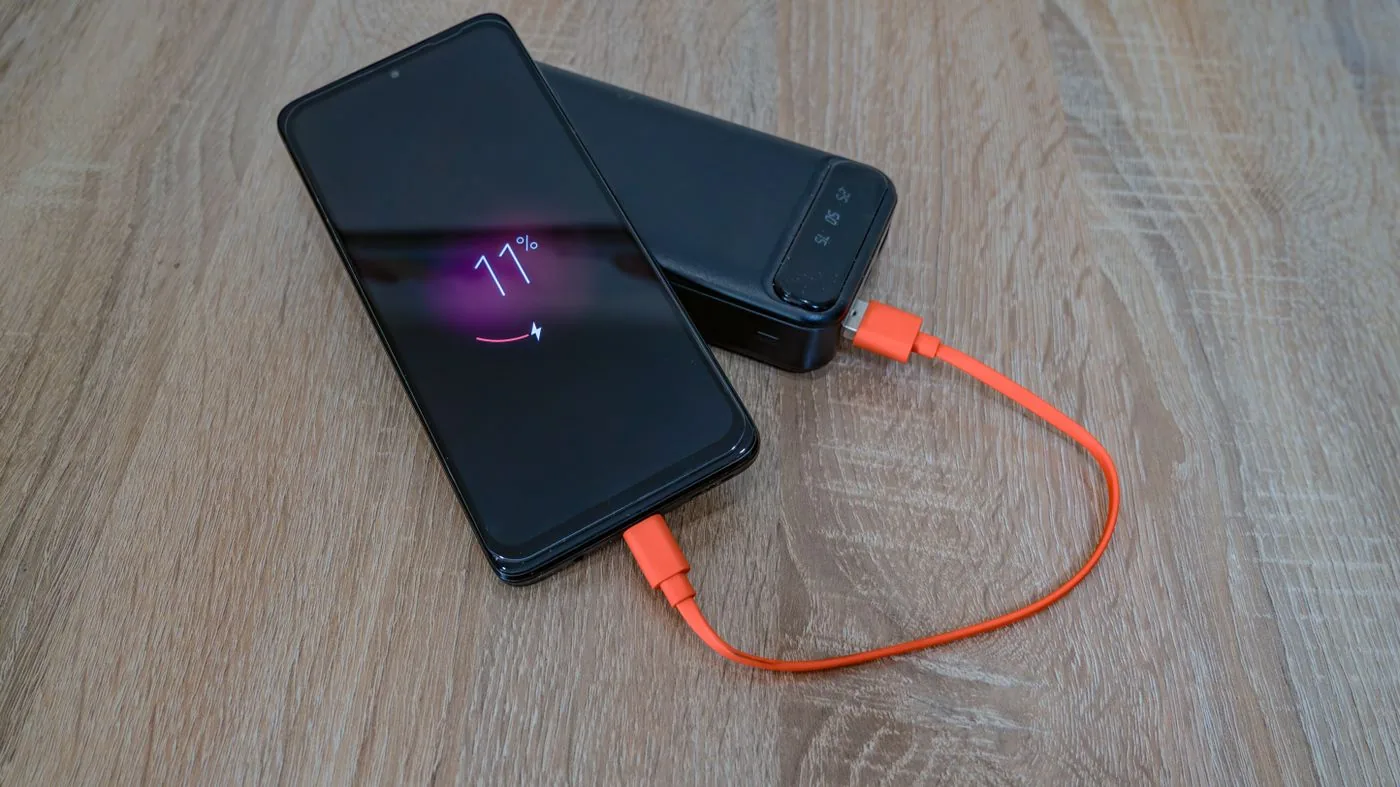
Power banks and spare lithium batteries belong in cabin baggage, not checked luggage. Put them in a small pouch you can reach, rather than burying them at the bottom of a suitcase.
If staff take your cabin bag for the hold, remove these items before handing it over. IATA also advises keeping battery-powered devices such as phones, laptops and cameras with you. Ask staff if you are unsure how a particular device should travel.
Read the watt-hour label before leaving
Check the manufacturer’s watt-hour rating, shown as Wh. A familiar-looking power bank can have a different capacity from another of the same size; its USB output wattage is not its battery capacity.
For a simple travel setup, choose a clearly labelled power bank no larger than 100 Wh and confirm the airline accepts it. If the capacity is larger or the label is unreadable, contact the airline before packing it rather than expecting approval at the gate. Larger batteries and power banks have separate approval and carriage rules.
Check the newer power-bank rules
IATA’s March 2026 guidance describes a limit of two power banks per person, a ban on recharging the power bank onboard and a recommendation against using it to charge another device during flight. Airlines and jurisdictions implement the requirements through their own policies, and some apply stricter restrictions.
Do not plug your power bank into the aircraft socket. Check whether your airline permits using it to charge your phone and where it must be stored. Charge your phone before boarding so you are not depending on in-flight use.
Protect terminals and inspect the battery
Keep spare batteries in their original packaging or individual protective cases, with exposed terminals protected against contact with keys, coins or other batteries. A separate pouch for each power bank keeps it from being crushed and makes it easier to inspect.
Do not travel with swollen, punctured or damaged batteries. If a device becomes unusually hot, smokes or is damaged onboard, tell cabin crew immediately and follow their instructions.
Make your electronics easy to remove
Put the phone, power bank, spare camera batteries and essential cables together before packing the larger bag. That makes a last-minute gate check easier and keeps items visible when an airport asks you to present electronics.
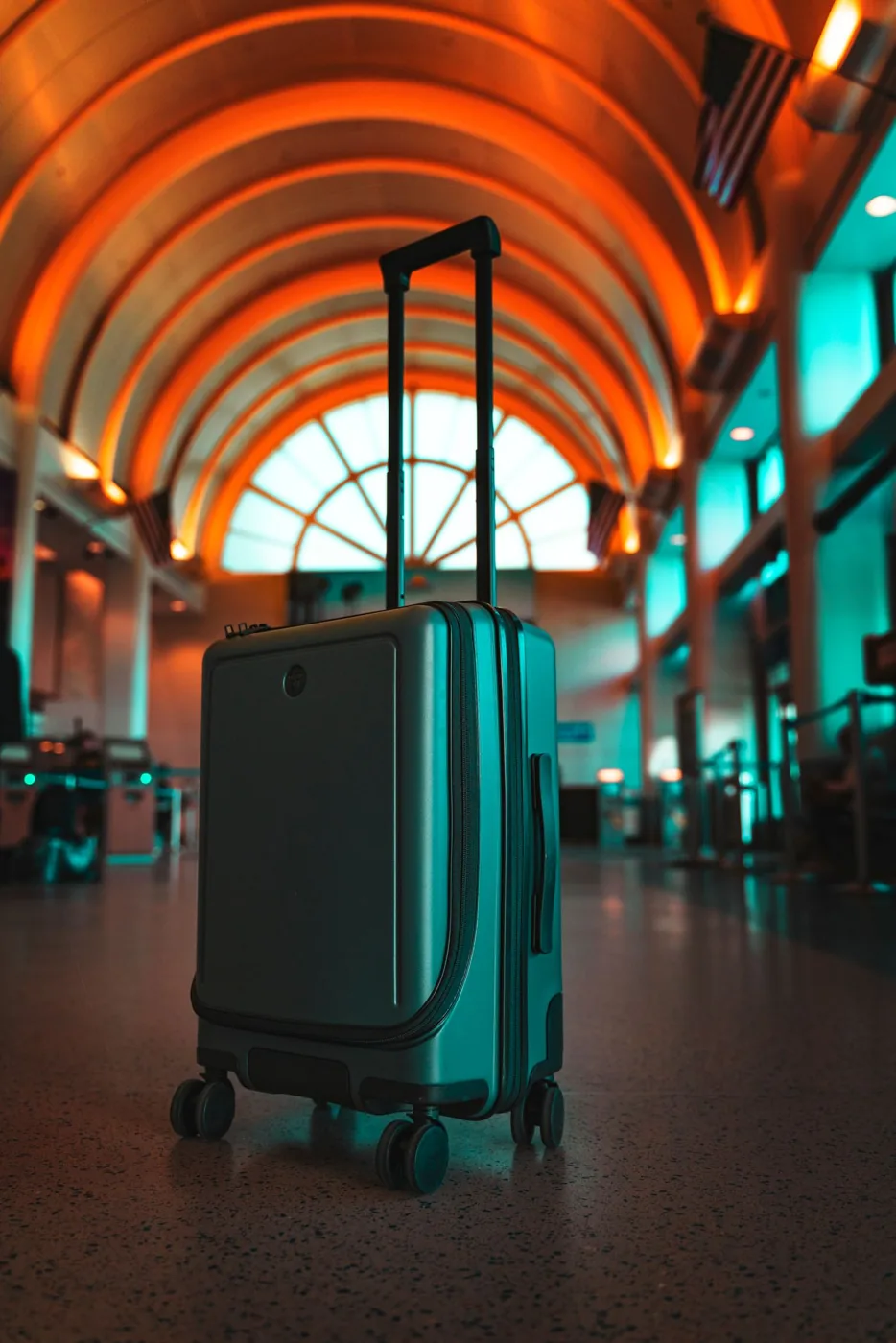
Check smart luggage before travelling: its removable battery may need to be disconnected and taken into the cabin if the case is checked. If you cannot remove it, ask the airline whether the bag is accepted. Recheck the airline policy before each trip, particularly as power-bank guidance continues to change.
Check before you go
Airline allowances, check-in deadlines and airport rules can change. Check the rules for every flight in your booking before you travel.