Arrive at Salah al-Din Square
Save Sultan Hasan Mosque and Al-Rifa’i Mosque before leaving. A licensed taxi or booked car makes the approach simpler than treating the two buildings as an immediate metro-station exit. Traffic around the square needs care; use a safe crossing and the visitor entrance.
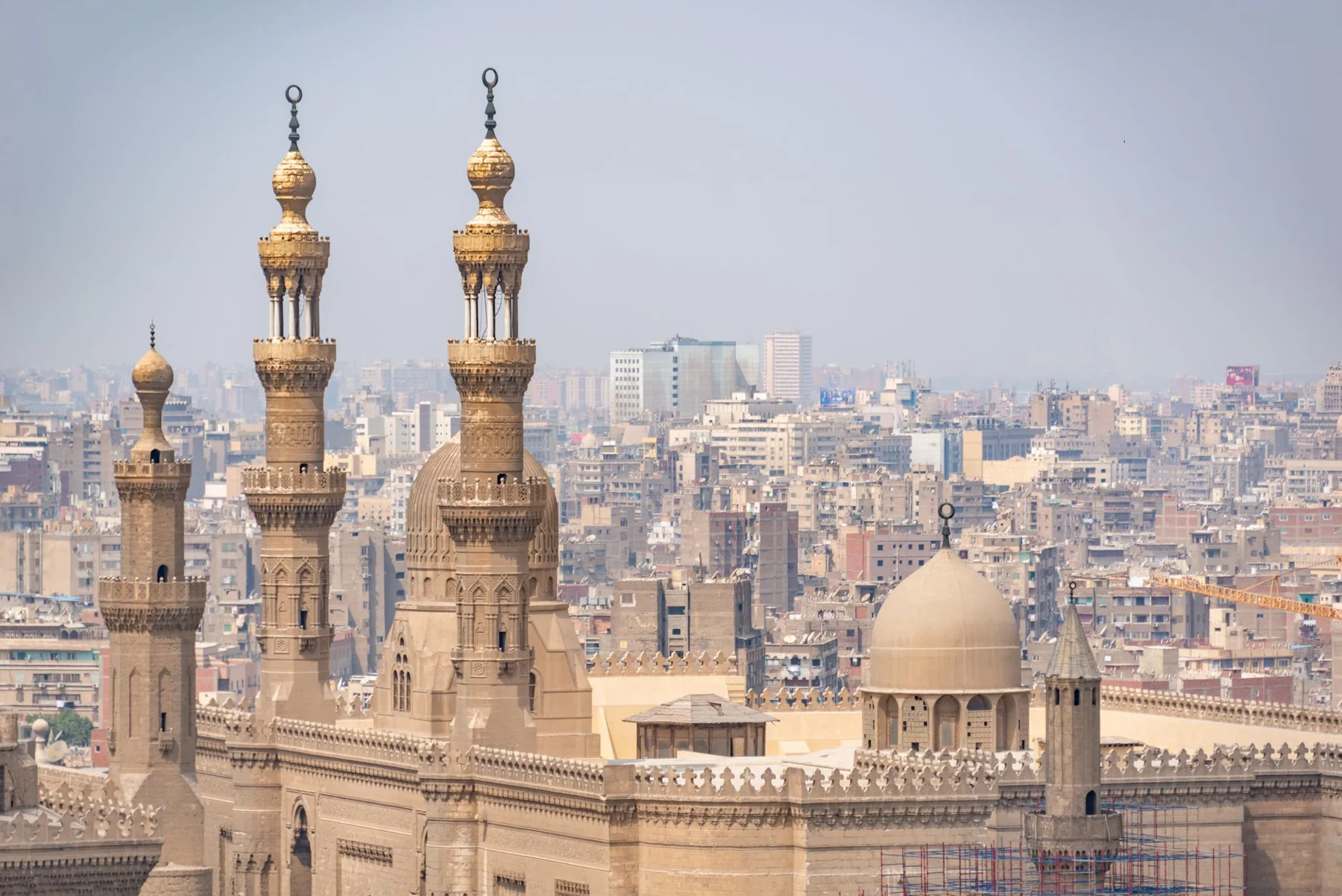
From outside, notice how close the buildings stand. Their shared setting makes this a coherent outing even if you decide against adding the Citadel. Bring water and use shade before going in rather than starting tired from a long road walk.
Mobile data for your trip. Check what your current plan includes for roaming. If you need another option for maps, messages and booking details, compare NXTL eSIM coverage and rates. Check that your phone supports eSIM and is unlocked, and check coverage for every stop. Download important maps and confirmations for offline use too.
Look for Sultan Hasan’s courtyard and iwans
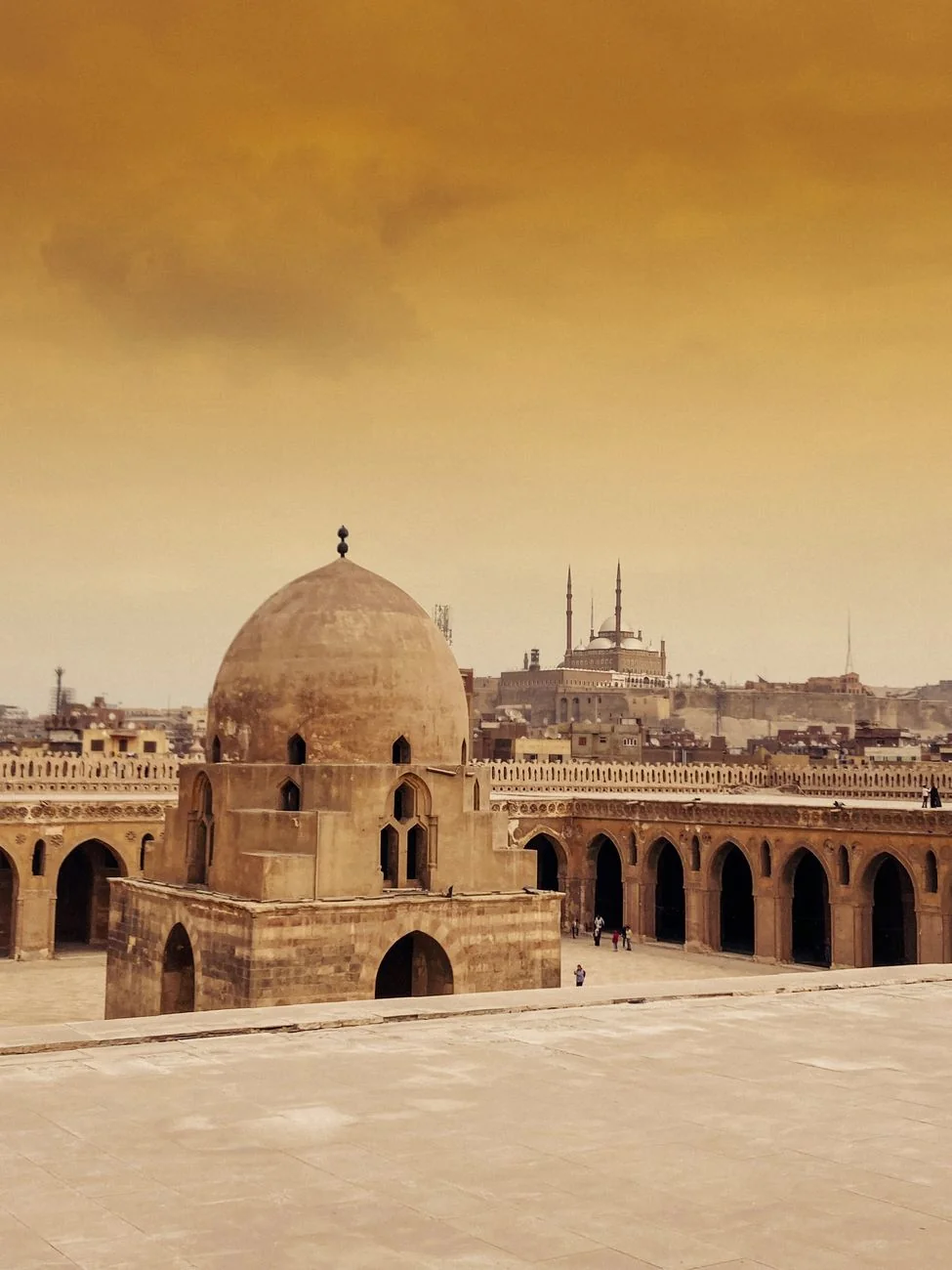
Inside Sultan Hasan, let the courtyard set the scale. Its central fountain and four iwans give the building a clear structure: pause in the court, then examine the open halls and carved details without blocking other visitors.
The madrasas associated with the four Sunni schools explain why this was more than a congregational prayer space. You do not need access to every adjoining room to understand that relationship; follow the areas open to visitors and respect any barriers.
Compare Al-Rifa’i next door
Al-Rifa’i is the neighbouring mosque, not another name for Sultan Hasan. Its later construction makes a useful comparison after the medieval courtyard: look at the exterior minarets, massing and interior decoration where visitor access permits.
The ministry lists a Sultan Hasan area ticket that includes Al-Rifa’i. Confirm that scope at the official counter on your visit rather than buying a second ticket from an unsolicited approach. Prayer access and visitor admission can follow different arrangements.
Choose the Citadel extension deliberately
The Cairo Citadel is a separate hilltop complex with its own entrance and admission. Add it only with enough energy, transport allowance and time before last entry. Seeing the mosque pair below does not mean you have visited the Citadel or Muhammad Ali Mosque.
For a simpler finish, return Downtown for Koshary Abou Tarek. The rice, lentils and pasta make a filling lunch after the architecture visit. It is a separate road journey, so allow for traffic rather than describing it as a café just outside the mosque.
Prepare for a respectful, comfortable visit
Wear loose clothing covering shoulders and knees, carry any additional covering required by site staff, and be ready to remove footwear where instructed. Avoid photographing people at prayer without permission and follow the current photography rules.
Check the ministry visitor page before travel and ask staff about the day’s access. A shorter visit to one open building is a useful alternative when prayers, heat or changed arrangements limit the pair; do not assume a minaret climb or rooftop visit is included.
Check before you go
Opening arrangements and visitor rules can change. Check the official information before your trip.