

A little more prepared for Wales.
Cardiff combines its castle, arcades and bay, while Swansea connects museums and the Maritime Quarter with Mumbles outings. Bangor adds the Menai Strait and Penrhyn Castle; St Davids pairs its cathedral valley with Pembrokeshire coastal walks. Conwy adds its medieval castle, Plas Mawr and estuary quay. Our monthly pages connect local outings with useful layers, rain protection and practical Welsh travel details.
Explore WalesExplore Wales by city
Bangor
Bangor has cool winters and generally mild summers. Rain can interrupt sightseeing in any month; use removable layers rather than relying on a dry season. Valley is on western Anglesey, away from Bangor and the foothills of Eryri. Its milder maritime temperatures and rainfall are only a regional packing proxy; Bangor can be wetter and upland excursions colder.
Open city guide
Cardiff
Cardiff has cool winters and generally mild summers. Rain can interrupt sightseeing in any month; use removable layers rather than relying on a dry season. Bute Park represents central Cardiff better than the exposed Bay; the barrage can be considerably windier.
Open city guide
Conwy
Cool coastal winters and mild summers make removable layers useful throughout the year. Rhyl No 2’s Met Office 1991–2020 averages provide a nearby north-coast planning proxy, not measurements in Conwy. Local hills, estuary wind and rainfall can differ; check the forecast before going onto the castle or town walls.
Open city guide
St Davids
St Davids has cool winters and generally mild summers. Rain can interrupt sightseeing in any month; use removable layers rather than relying on a dry season. Aberporth is a coastal station farther north in Ceredigion, not a St Davids measurement. These are a broad west-Wales maritime proxy: headland wind and local rainfall can differ. The monthly station observations were averaged over all 30 years from 1991 to 2020; wet-day counts are not provided. Check the forecast before a coast-path outing.
Open city guide
Swansea
Swansea has cool winters and generally mild summers. Rain can interrupt sightseeing in any month; use removable layers rather than relying on a dry season. Mumbles Head is an exposed coastal station, so its wind and milder nights are not exact city-centre conditions. Inland Gower outings can differ.
Open city guideBefore you zip the bag
City streets to waterfront
- Bring a rain shell for Cardiff Bay and Swansea seafront even on mild days.
- Use comfortable closed shoes for museum days and better grip for coastal paths.
Plan the coast separately
- Treat Gower as its own outing with a return transport plan.
- Welsh and English appear on signs; destination pages share the UK plug and currency information.
- Currency
- Pound sterling (GBP)
- Plug types
- G · 230 VCheck your adapter →
- Emergency number
- 999 or 112
Plug types and voltage by country · United Kingdom visitor information
Stay connected
Mobile data for your trip. Check what your current plan includes for roaming. If you need another option for maps, messages and booking details, compare NXTL eSIM coverage and rates. Check that your phone supports eSIM and is unlocked, and check coverage for every stop. Download important maps and confirmations for offline use too.
Useful reads for Wales

A first weekend in Bangor: city stories, Garth Pier and Penrhyn
Keep a Bangor weekend in two clusters: the cathedral, Storiel and Garth Pier for the first day, then Penrhyn Castle for a separate outing. This is Bangor in Wales, with the Menai Strait and Anglesey in view rather than a Northern Irish harbour break.

Bangor’s Garth Pier: a short waterfront outing
Keep Garth Pier as a manageable Bangor outing rather than attaching a long coastal circuit to it. The Victorian structure reaches into the Menai Strait, giving you room to look across the water and pause, with weather and opening hours shaping how far you go.

Penrhyn Castle: grand rooms, difficult history and a garden walk
Penrhyn Castle is an early nineteenth-century house near Bangor, not a medieval fortress. Visit for the interiors and gardens, but also follow the interpretation of sugar, slavery and the slate industry that helped pay for its imposing architecture.

Bangor indoors: Storiel, cathedral and a café
Keep a rainy Bangor outing around Storiel and the cathedral, with a proper café break. This compact city-centre plan gives Gwynedd’s collections time and leaves the exposed pier for better weather.

Treborth and the Menai Strait: a short walk near Bangor
For a shorter outdoor outing near Bangor, use Treborth’s woodland and the Menai Strait rather than committing to a mountain walk. The coast-path itinerary provides a compact loop and bridge views, with a crossing into Anglesey kept as an optional separate choice.

Cardiff Bay: heritage anchors and an optional barrage walk
Build a Cardiff Bay walk around the Wales Millennium Centre, Senedd and Norwegian Church area, then decide whether to continue towards the barrage. The compact route works without taking on the full Bay circuit.

Cardiff Castle: standard admission or a House Tour upgrade?
Decide whether Cardiff Castle is mainly a historic grounds visit or a deeper look at the Victorian apartments. The standard ticket and guided House Tour are different, and the steep keep climb need not define your visit.

A rainy Cardiff day: National Museum and the covered arcades
Use National Museum Cardiff for an indoor art and natural-history visit, then move into the city centre’s covered arcades for lunch and browsing. Check the museum opening day before making it the centre of a wet-weather plan.
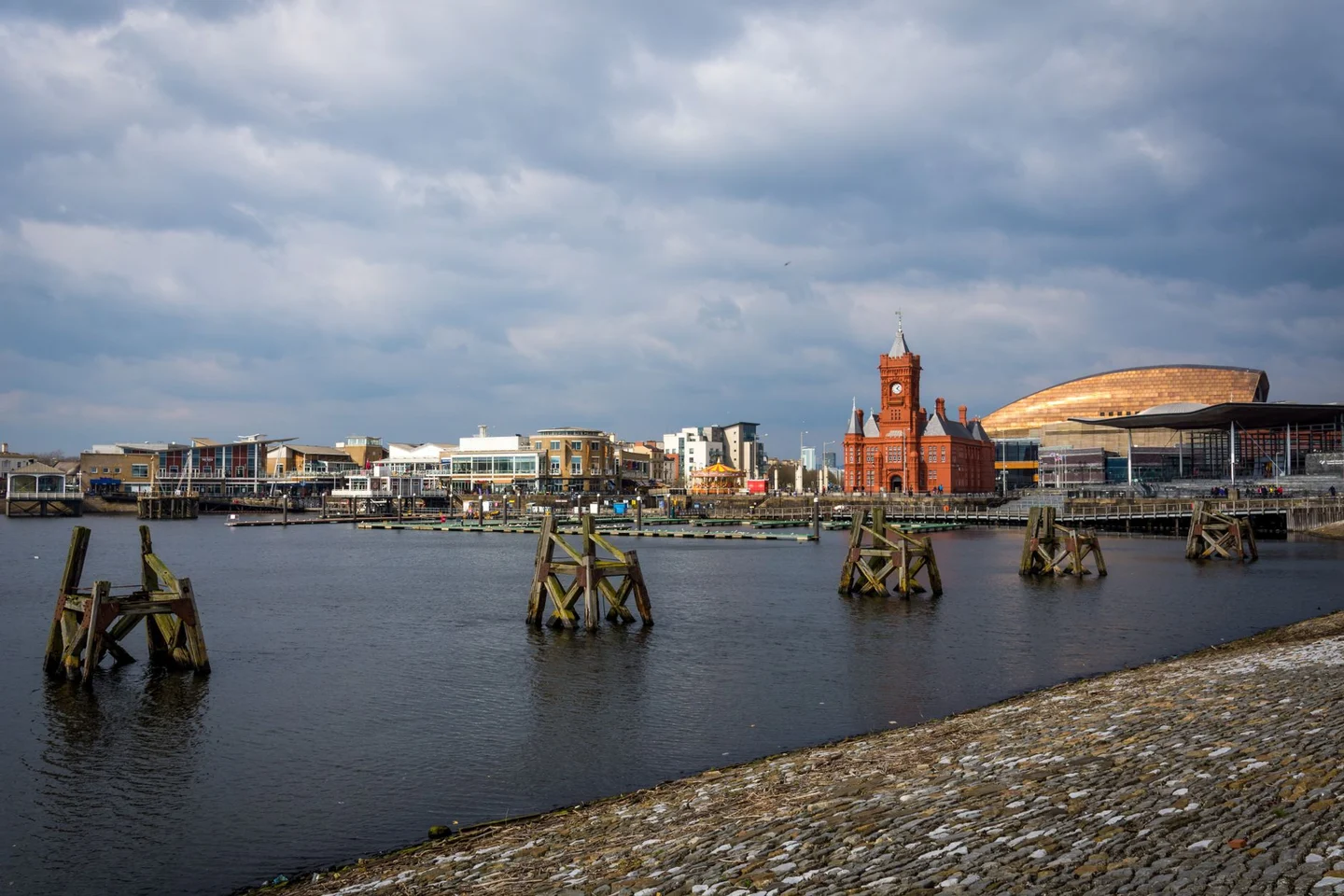
A first weekend in Cardiff: castle streets and the Bay
Spend the first Cardiff day around the castle, Bute Park and the arcades, then use the second for the Bay. Keep museum and stadium bookings optional so the plan includes meals and an easy wet-weather switch.

Principality Stadium: a tour day, a match day or an exterior walk
Choose whether your Cardiff stadium visit is about a guided tour, attending an event or seeing the building beside the Taff. Those are different plans, with different tickets and different effects on the rest of your day.

Conwy Castle: royal rooms first, towers if you want them
Conwy Castle rewards a slower look at its Great Hall and royal apartments. Use the towers for an optional view, and leave a little energy for the streets below.

A first weekend in Conwy: castle, colourful rooms and quay
Give Conwy Castle the first morning and Plas Mawr the second. Between them, walk the old streets, pause beside the boats and leave room for a seafood meal rather than rushing every tower.

Plas Mawr: read the plasterwork, then pause on High Street
Plas Mawr’s decorated rooms tell you how an Elizabethan merchant wanted to be seen. Follow the symbols from entrance hall to Great Chamber, then look back at the white courtyard tower.

Conwy Quay: boats, bridges and the Smallest House
Use Conwy’s quay for a short waterfront outing: moored boats, the red Smallest House and views towards the bridges. A fish-and-chip pause fits naturally, with indoor options when the wind gets up.

St Davids Bishop’s Palace: ruins, tickets and the cathedral valley
Make the Bishop’s Palace a separate visit beside St Davids Cathedral. Its roofless halls and decorative windows tell a different story from the working church, and the paid site deserves more than a passing glance.

St Davids Cathedral: an interior route worth slowing down for
Give St Davids Cathedral an unhurried visit focused on its carved roof, stonework and chapels. This short route works around worship and leaves time for the refectory rather than treating the building as a photo stop.
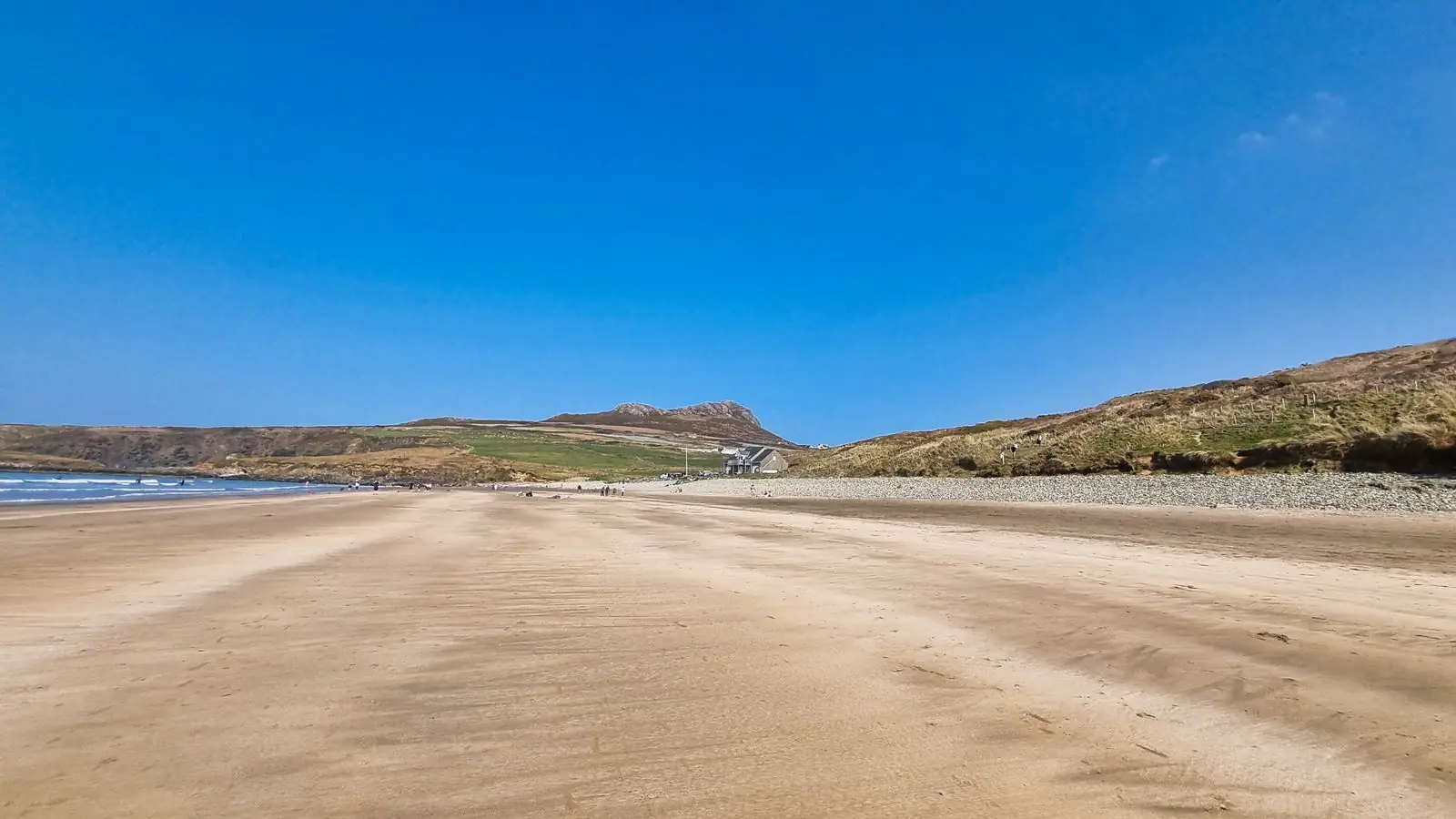
A first weekend in St Davids: cathedral valley and coast
Spend one St Davids day in the cathedral valley and the other beside the Pembrokeshire coast. Keep the Bishop’s Palace optional, build in Welsh cakes at the Refectory and choose a coastal plan that suits the weather.

St Davids in the rain: galleries, Welsh art and a warm lunch
Give a wet day in St Davids to Welsh art and a gentle town walk. Oriel y Parc provides a useful indoor anchor, with the cathedral valley as an optional finish when the weather eases.
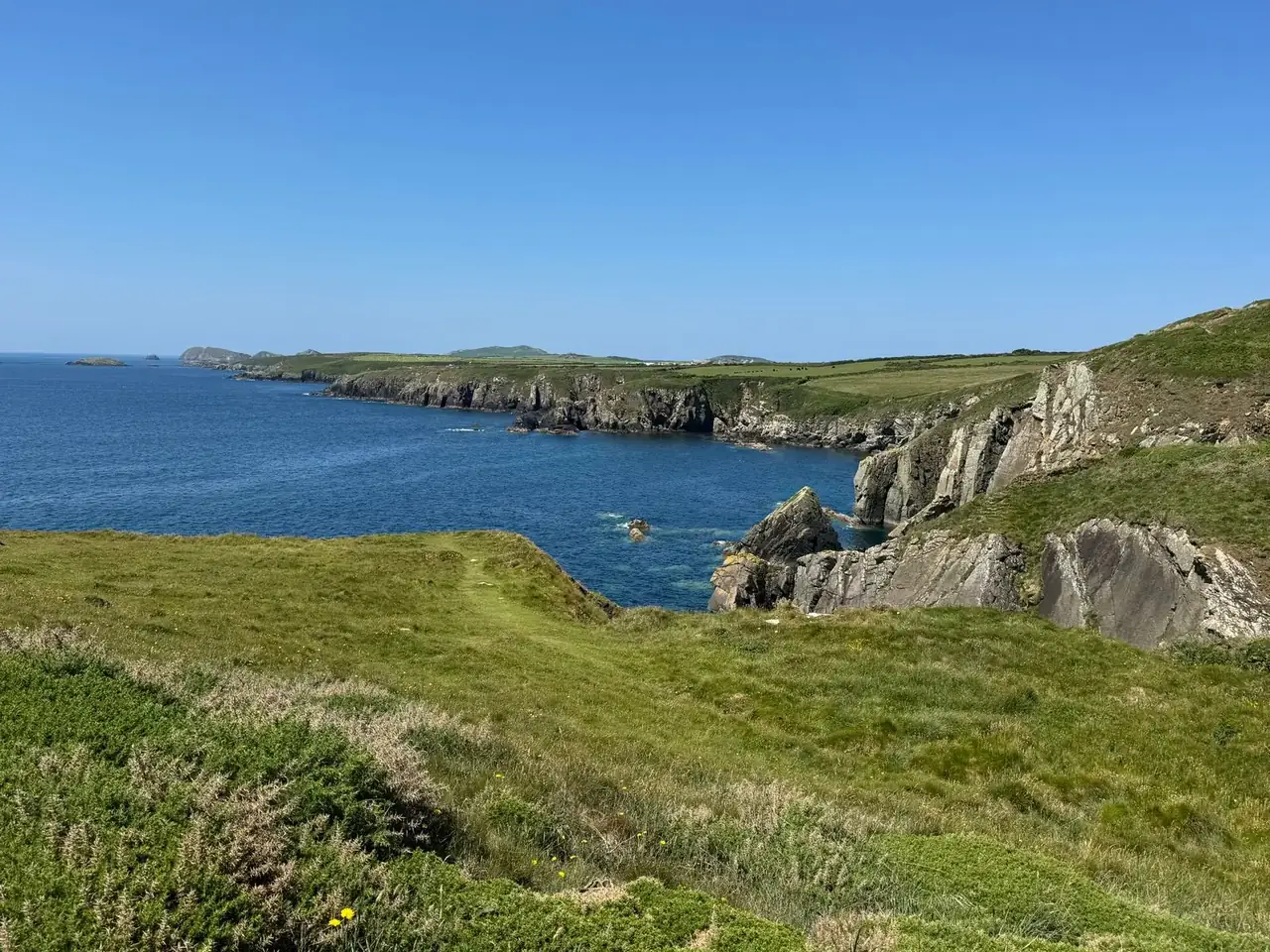
St Non’s to Porth Clais: a coastal walk near St Davids
Start at St Non’s chapel and holy well, then follow the coast towards Porth Clais harbour. This is an out-and-back coastal outing with a shorter option, not a level promenade or a walk you must complete in bad weather.
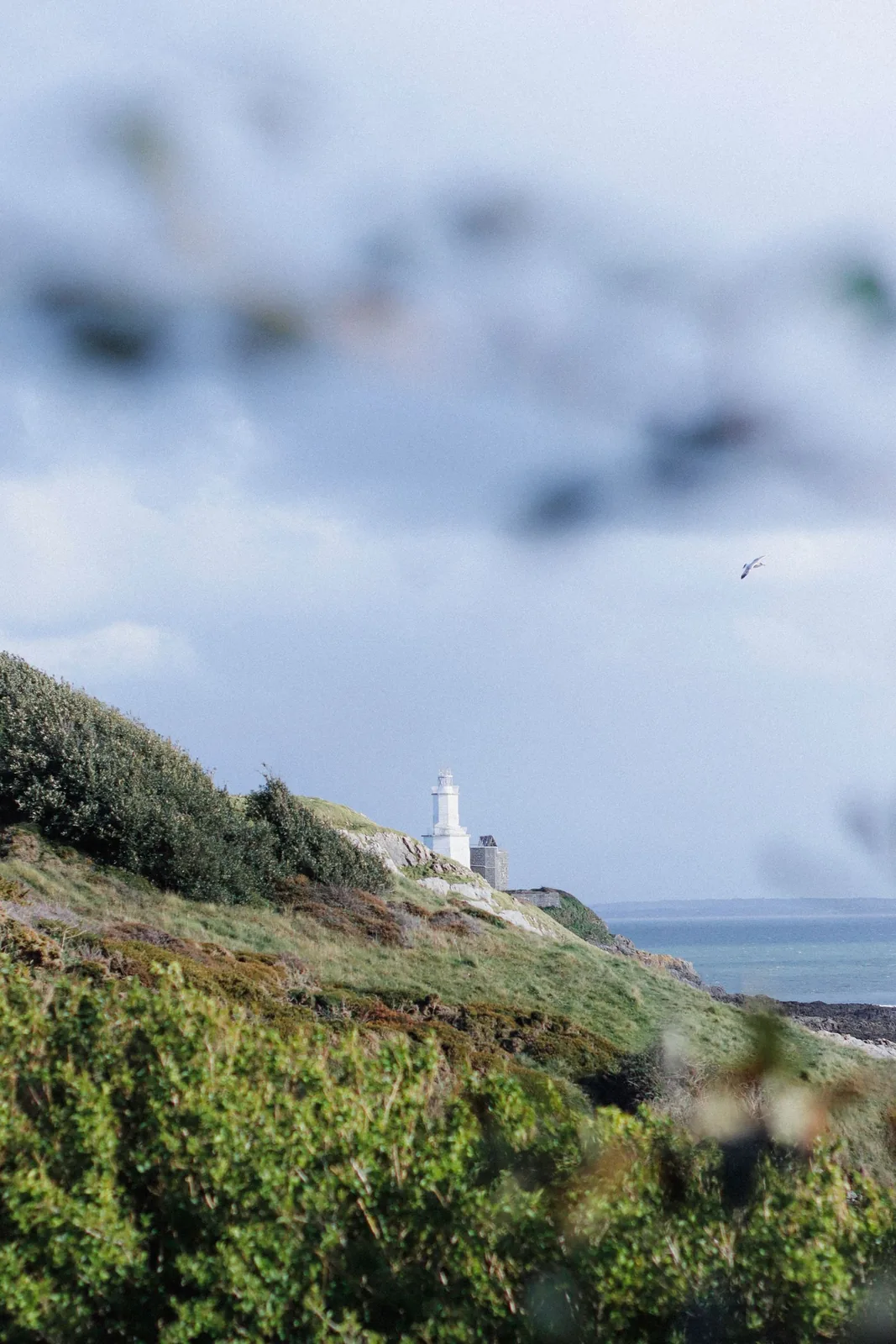
A first weekend in Swansea: Maritime Quarter and Mumbles
Keep a first Swansea weekend around the Maritime Quarter and Swansea Bay on day one, then explore Mumbles on day two. Gower is an optional extension with its own travel plan, rather than a compulsory dash to the coast.

Swansea’s Maritime Quarter: museum, marina and a Bay-side finish
Pair the National Waterfront Museum with public routes around Swansea’s Maritime Quarter, then add a short Bay promenade section. It is a compact introduction to the city’s industrial and waterfront character.

Mumbles: seafront views, Oystermouth and an optional castle visit
Use Mumbles for a relaxed seafront outing with local streets, a food stop and views towards the lighthouse. Keep Oystermouth Castle optional, and leave the tidal islands out of a simple town walk.
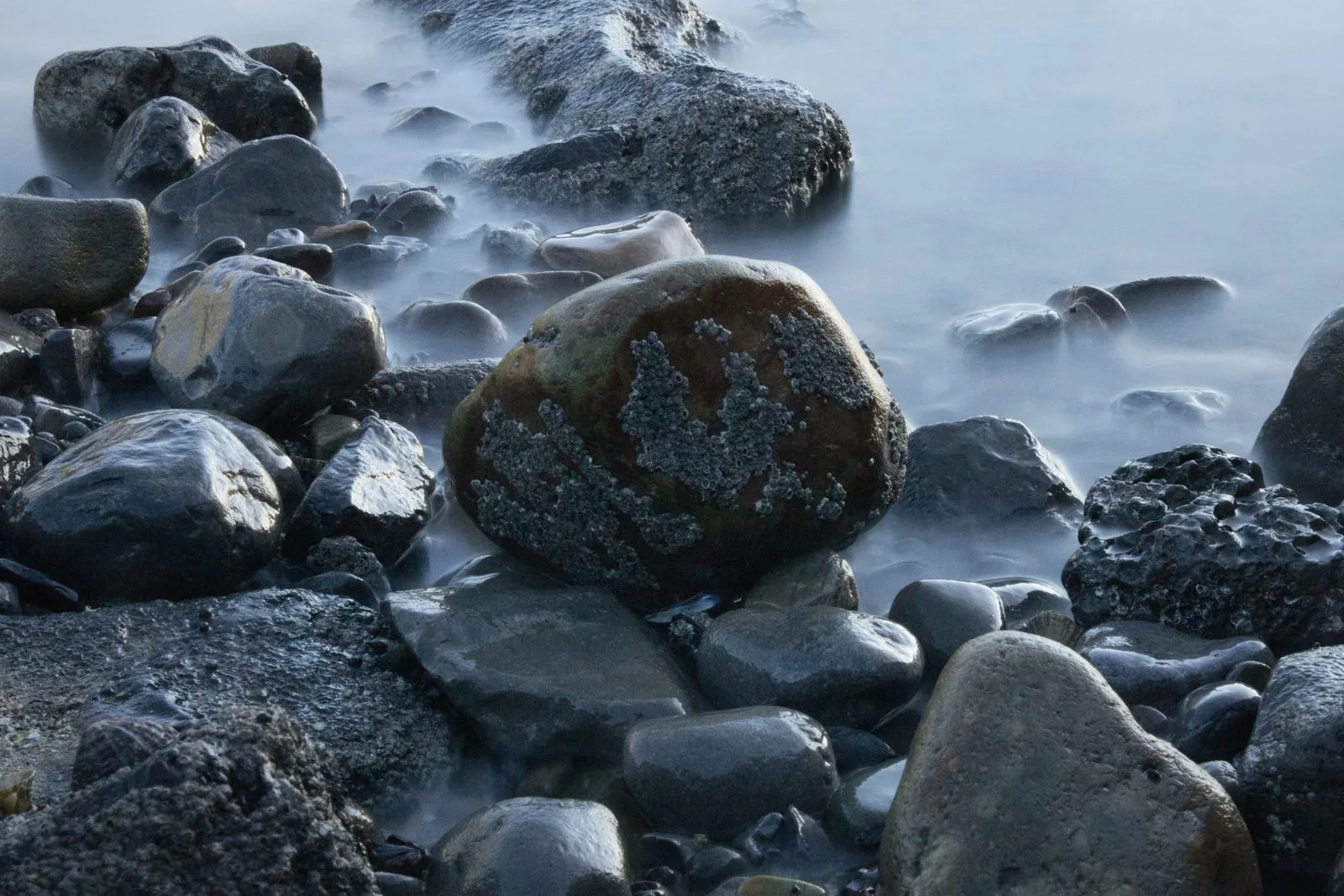
What changes in your packing when a Swansea trip includes Gower?
A museum-and-promenade trip to Swansea needs different footwear and planning from a day on Gower’s coastal paths. Match your kit to Mumbles, Rhossili or Three Cliffs rather than packing an interchangeable beach outfit for all three.

A rainy Swansea day: waterfront history and a second cultural stop
Start a wet Swansea day at the National Waterfront Museum, then choose Swansea Museum or the Dylan Thomas Centre according to your interests and their current opening arrangements. Keep the marina walk brief between indoor stops.