
A little more prepared for France.
Paris, Lyon, Nice, Bordeaux and Strasbourg offer distinct city breaks, from reserved museum visits to riverside walks and local food stops. Use each destination’s monthly suggestions for practical outfits, researched climate guidance and arrival details.
Explore FranceExplore France by city
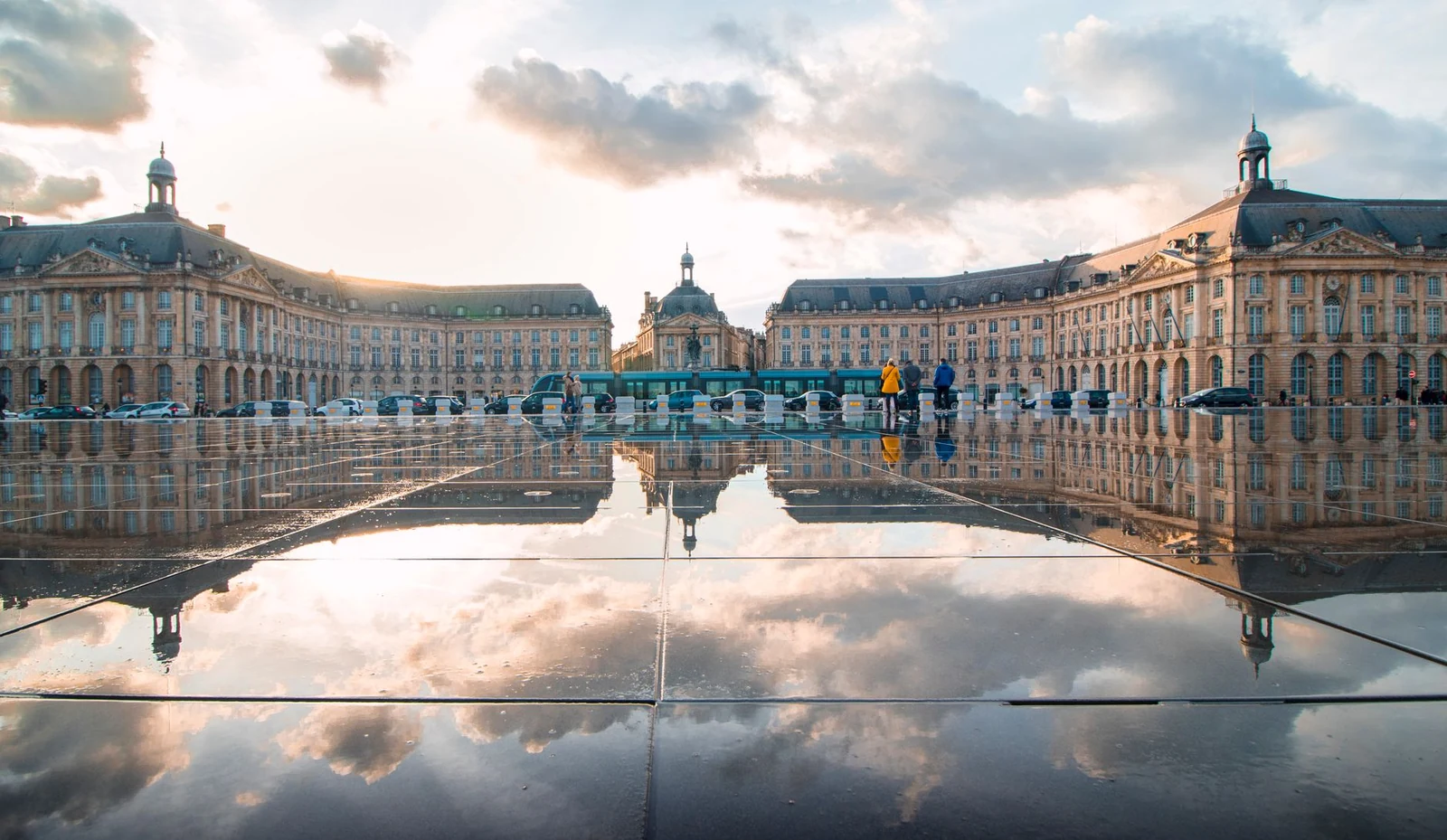
Bordeaux
Cool winters, changeable spring and autumn days and warm summer spells call for flexible layers. Rain can interrupt walking in any season. Monthly values are calculated from NASA POWER MERRA-2 gridded daily data for 1991–2020 at the city coordinates. They represent a regional model cell, not a city weather station. Street shade, coastal exposure, elevation and urban warmth can differ. Climate averages do not predict an individual trip.
Open city guide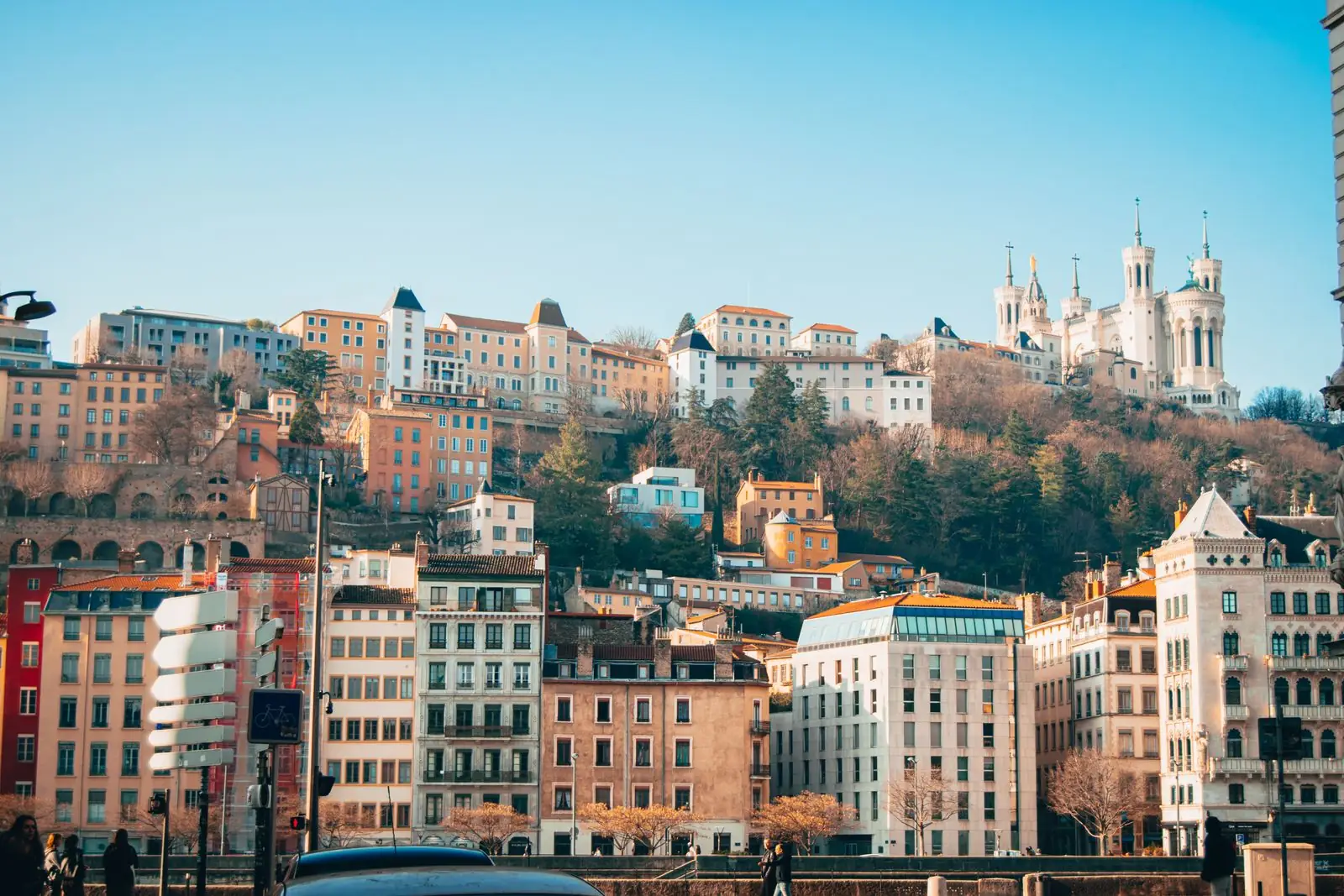
Lyon
Cool winters, changeable spring and autumn days and warm summer spells call for flexible layers. Rain can interrupt walking in any season. Monthly values are calculated from NASA POWER MERRA-2 gridded daily data for 1991–2020 at the city coordinates. They represent a regional model cell, not a city weather station. Street shade, coastal exposure, elevation and urban warmth can differ. Climate averages do not predict an individual trip.
Open city guide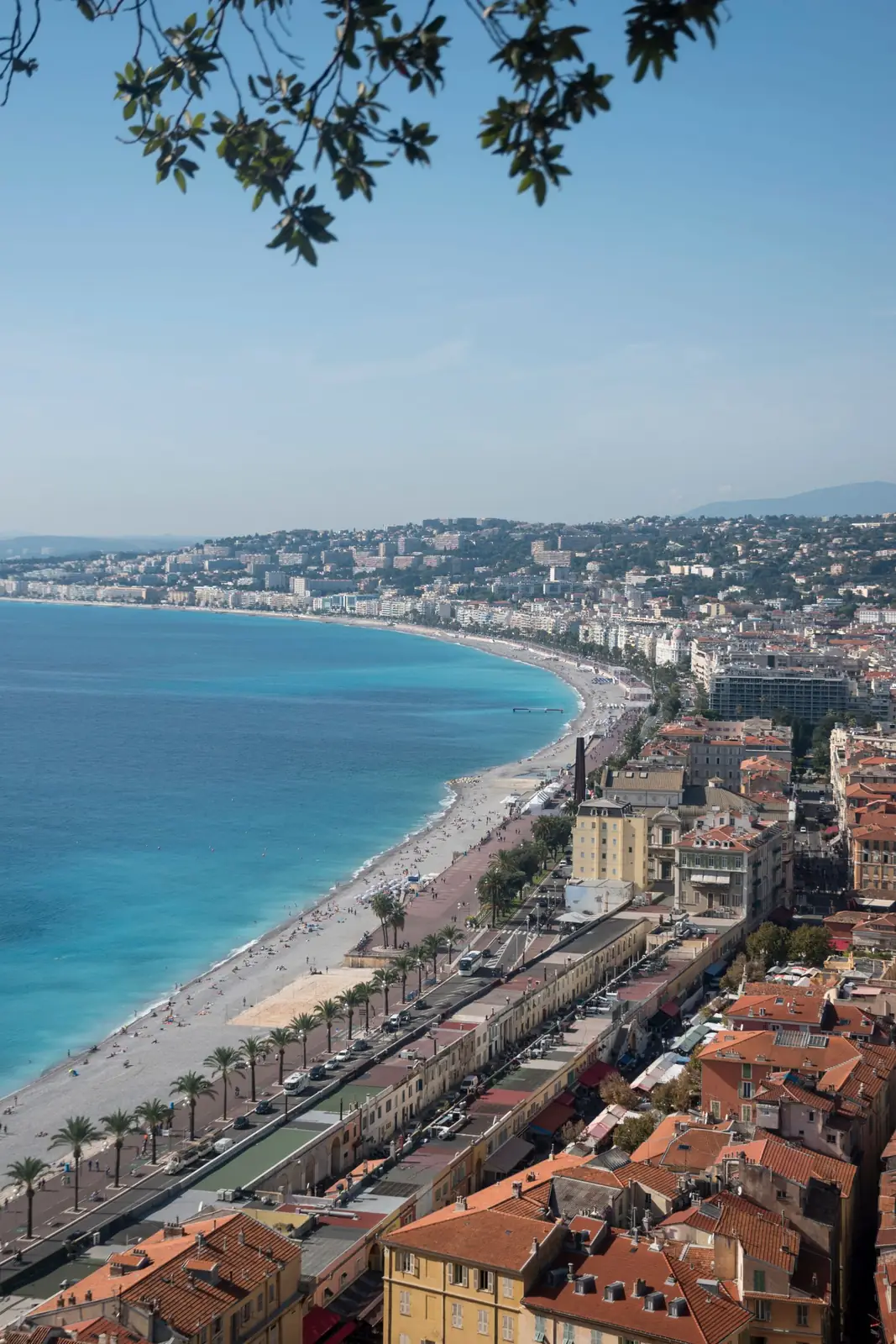
Nice
Summers are usually warm to hot; winters are milder than inland France. Rain can arrive in heavier spells, so keep a waterproof layer for exposed routes. Monthly values are calculated from NASA POWER MERRA-2 gridded daily data for 1991–2020 at the city coordinates. They represent a regional model cell, not a city weather station. Street shade, coastal exposure, elevation and urban warmth can differ. Climate averages do not predict an individual trip.
Open city guide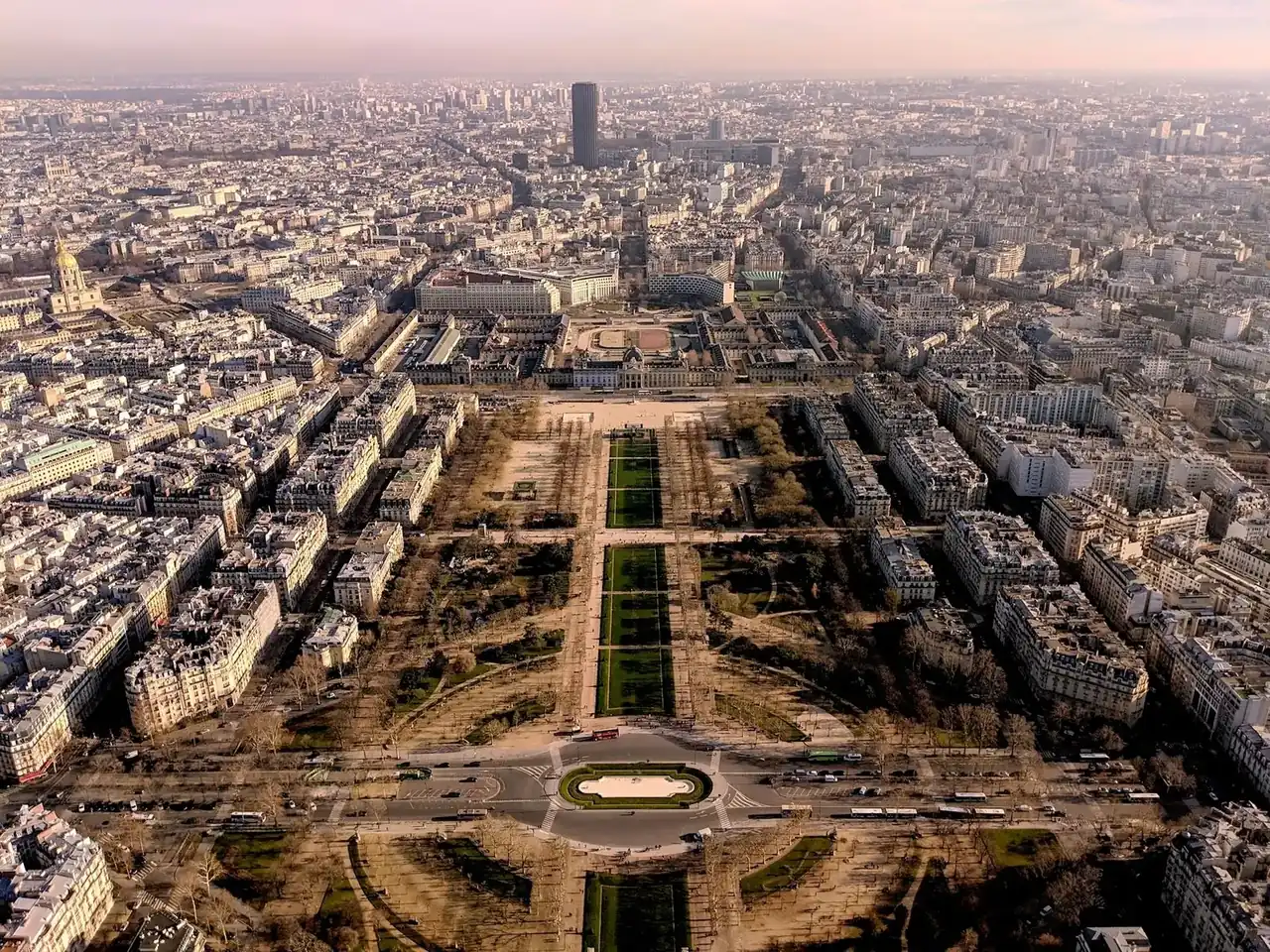
Paris
Cool winters, changeable spring and autumn days and warm summer spells call for flexible layers. Rain can interrupt walking in any season. Monthly values are calculated from NASA POWER MERRA-2 gridded daily data for 1991–2020 at the city coordinates. They represent a regional model cell, not a city weather station. Street shade, coastal exposure, elevation and urban warmth can differ. Climate averages do not predict an individual trip.
Open city guide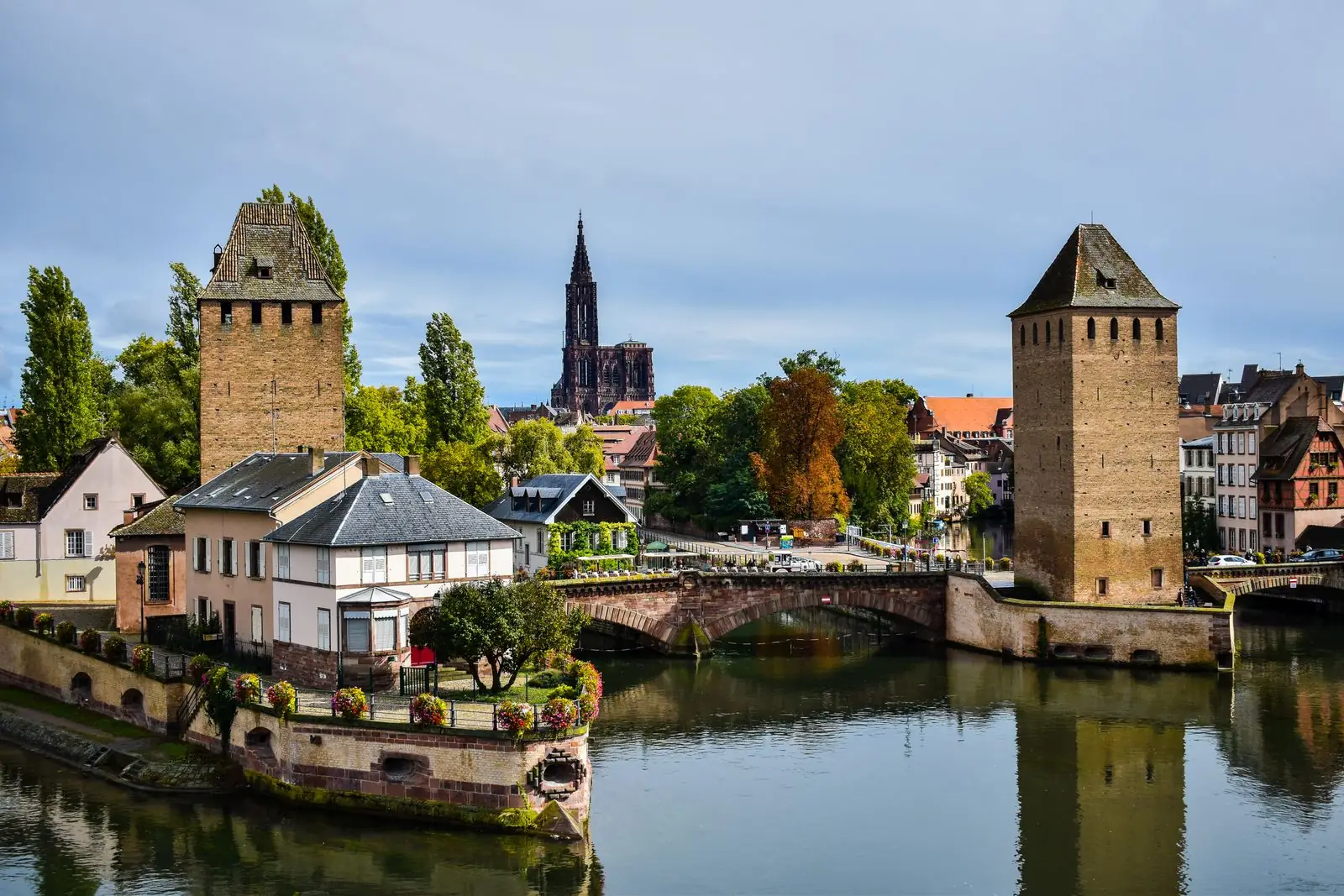
Strasbourg
Cool winters, changeable spring and autumn days and warm summer spells call for flexible layers. Rain can interrupt walking in any season. Monthly values are calculated from NASA POWER MERRA-2 gridded daily data for 1991–2020 at the city coordinates. They represent a regional model cell, not a city weather station. Street shade, coastal exposure, elevation and urban warmth can differ. Climate averages do not predict an individual trip.
Open city guideBefore you zip the bag
Choose clothes for the actual outing
- Use comfortable shoes for Paris museum days, Lyon’s slopes and Strasbourg’s old paving.
- Nice’s warm season needs sun protection, while exposed river routes still need a layer.
Keep bookings and travel workable
- Reserve popular timed attractions and distinguish museum tickets from city walking tours.
- Carry a payment card, some backup cash and a suitable Type C / E adapter if your plugs differ.
- Currency
- Euro (EUR)
- Plug types
- C / E · 230 VCheck your adapter →
- Emergency number
- 112
France tourism: practical information · French public service: emergency numbers · Electrical plugs and mains voltage
Stay connected
Mobile data for your trip. Check what your current plan includes for roaming. If you need another option for maps, messages and booking details, compare NXTL eSIM coverage and rates. Check that your phone supports eSIM and is unlocked, and check coverage for every stop. Download important maps and confirmations for offline use too.
Useful reads for France
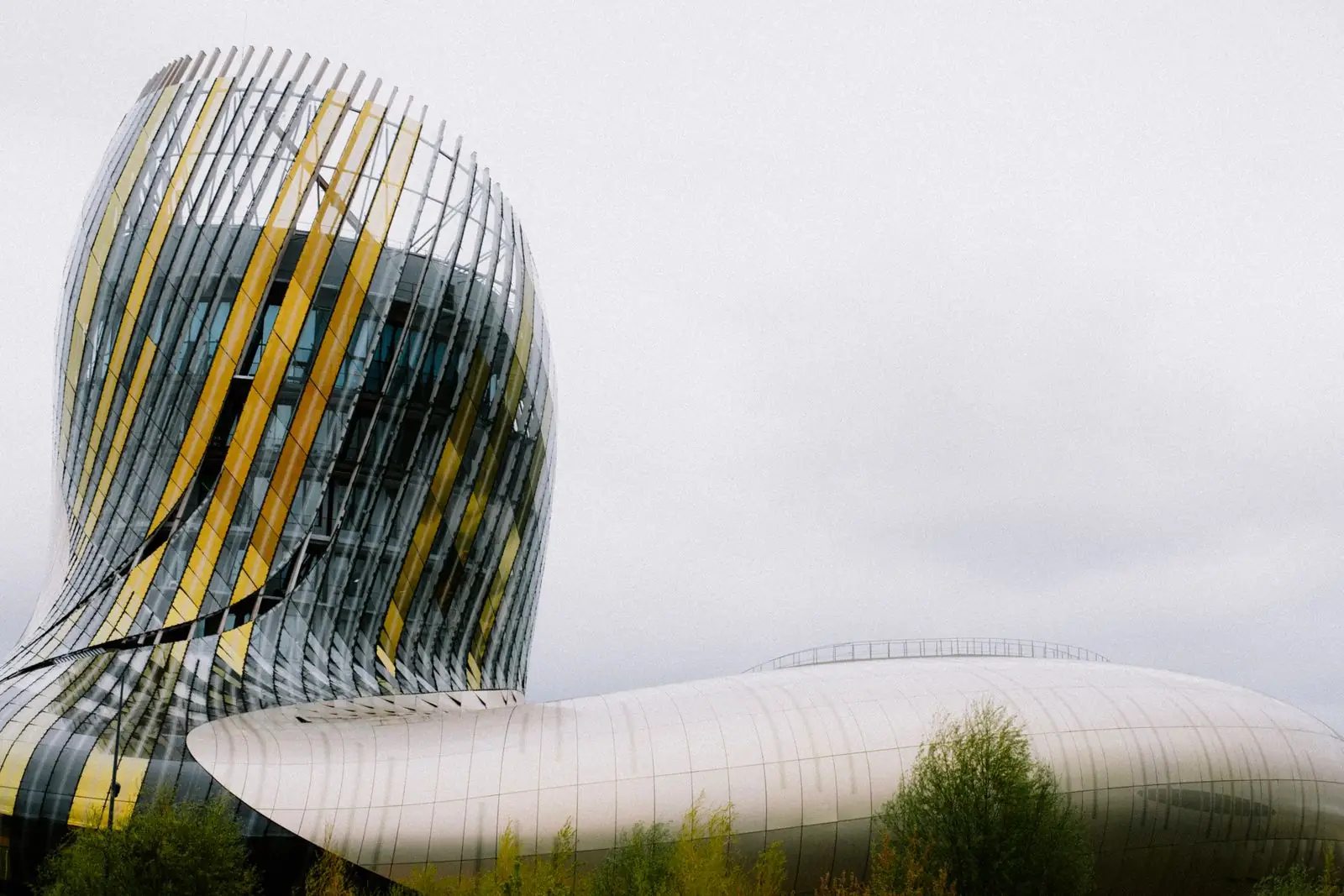
Cité du Vin: the exhibition, the Belvédère and what your ticket includes
Visit Bordeaux’s Cité du Vin for wine culture and a river panorama. Choose the permanent exhibition ticket deliberately: the Belvédère, workshops and Via Sensoria have different access rules.
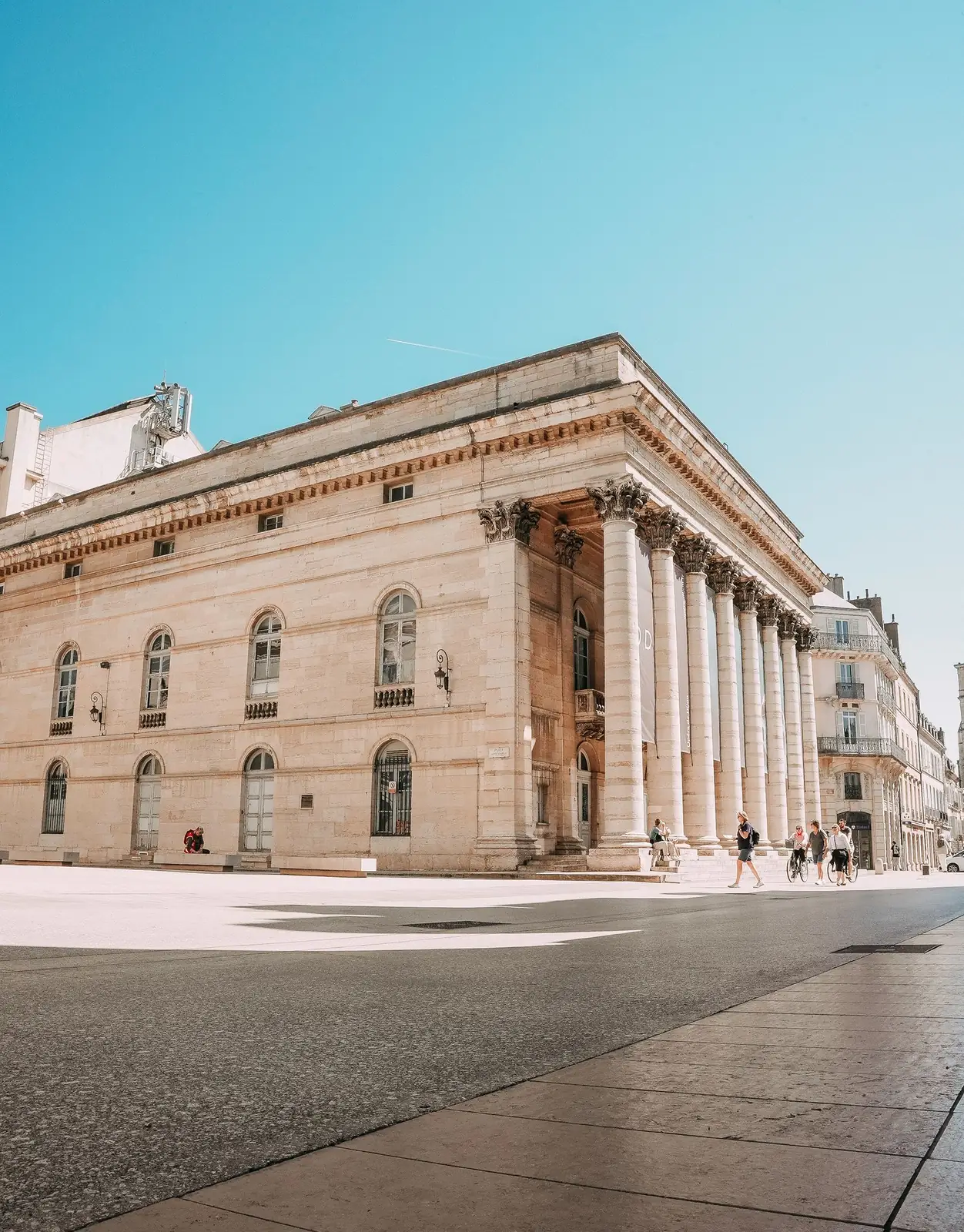
Bordeaux around the Grand-Théâtre: architecture and an urban wine introduction
Use the Grand-Théâtre area for an architectural walk and a focused introduction to Bordeaux wine. This is a city outing with an optional performance or guided interior, not a substitute for a booked vineyard visit.
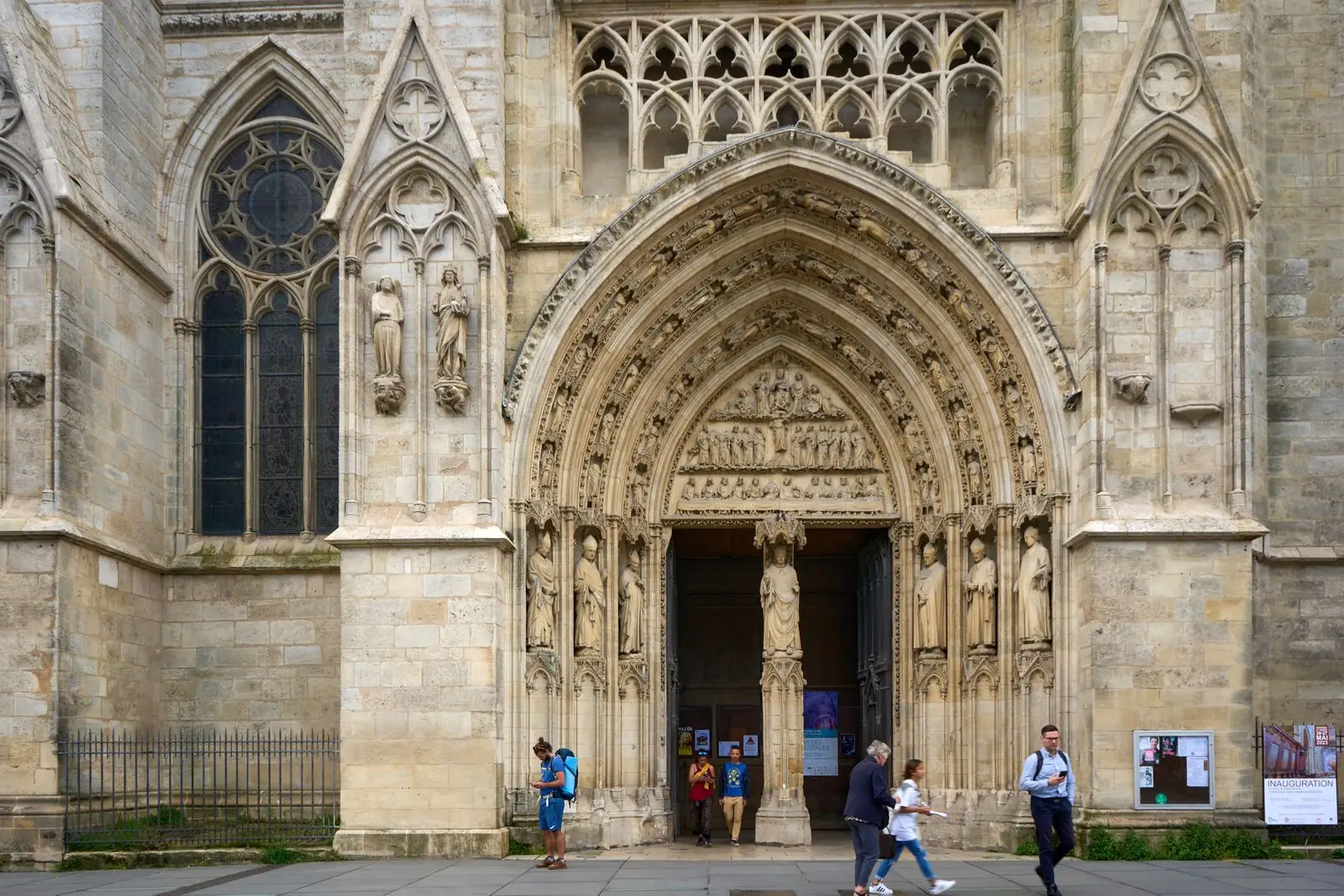
Bordeaux’s Saint-André Cathedral and Pey-Berland: ground level or skyline?
Choose between Saint-André’s Gothic interior and a climb above Bordeaux at Pey-Berland. The cathedral and its detached bell tower are neighbouring visits with different access arrangements.
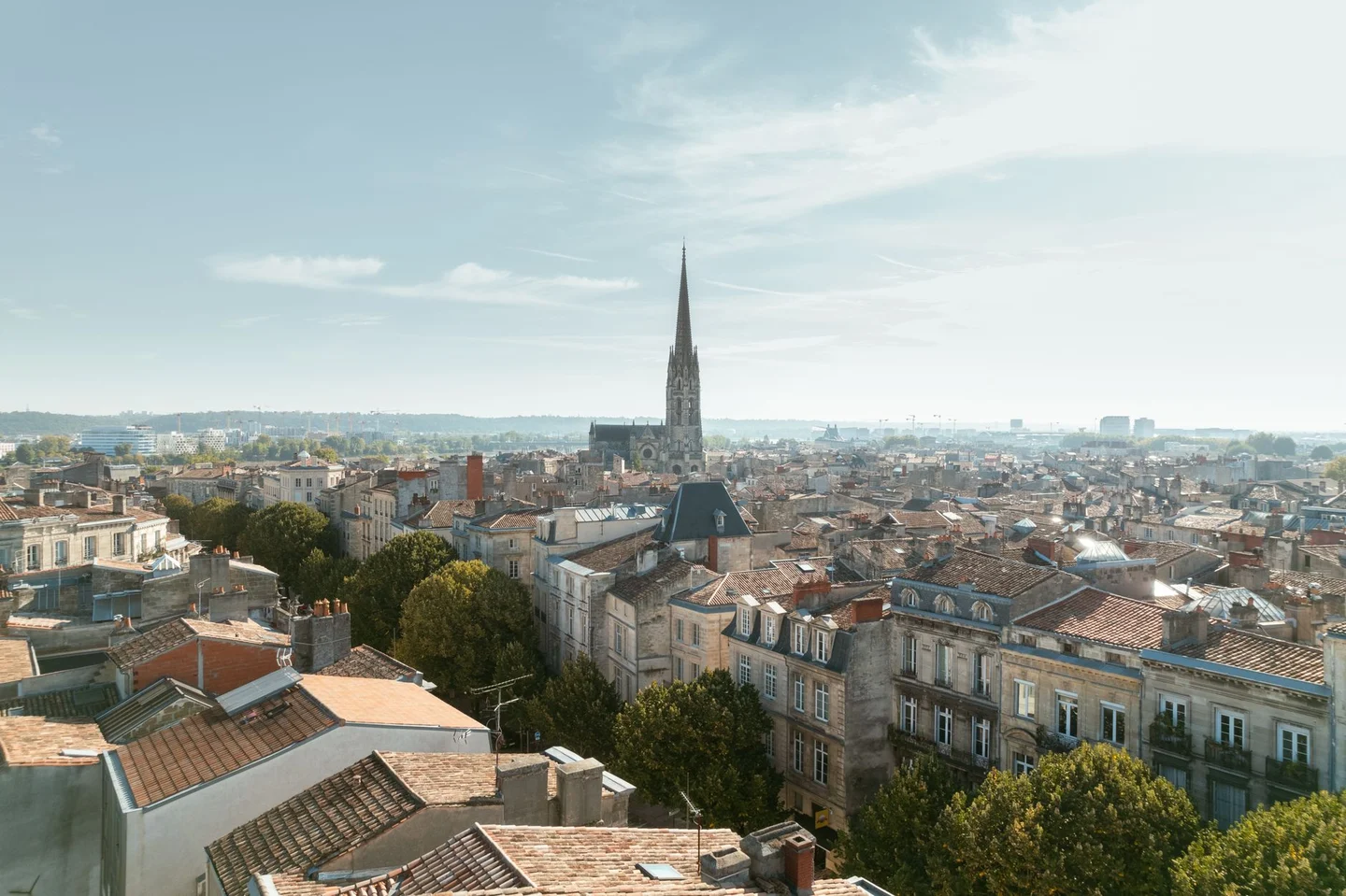
Bordeaux Saint-Michel: market breakfast and an optional spire climb
Start at Capucins market while the food stalls are active, then walk Rue des Faures to Saint-Michel’s freestanding tower. The reopened spire adds a view, but the neighbourhood works just as well without its 230 steps.
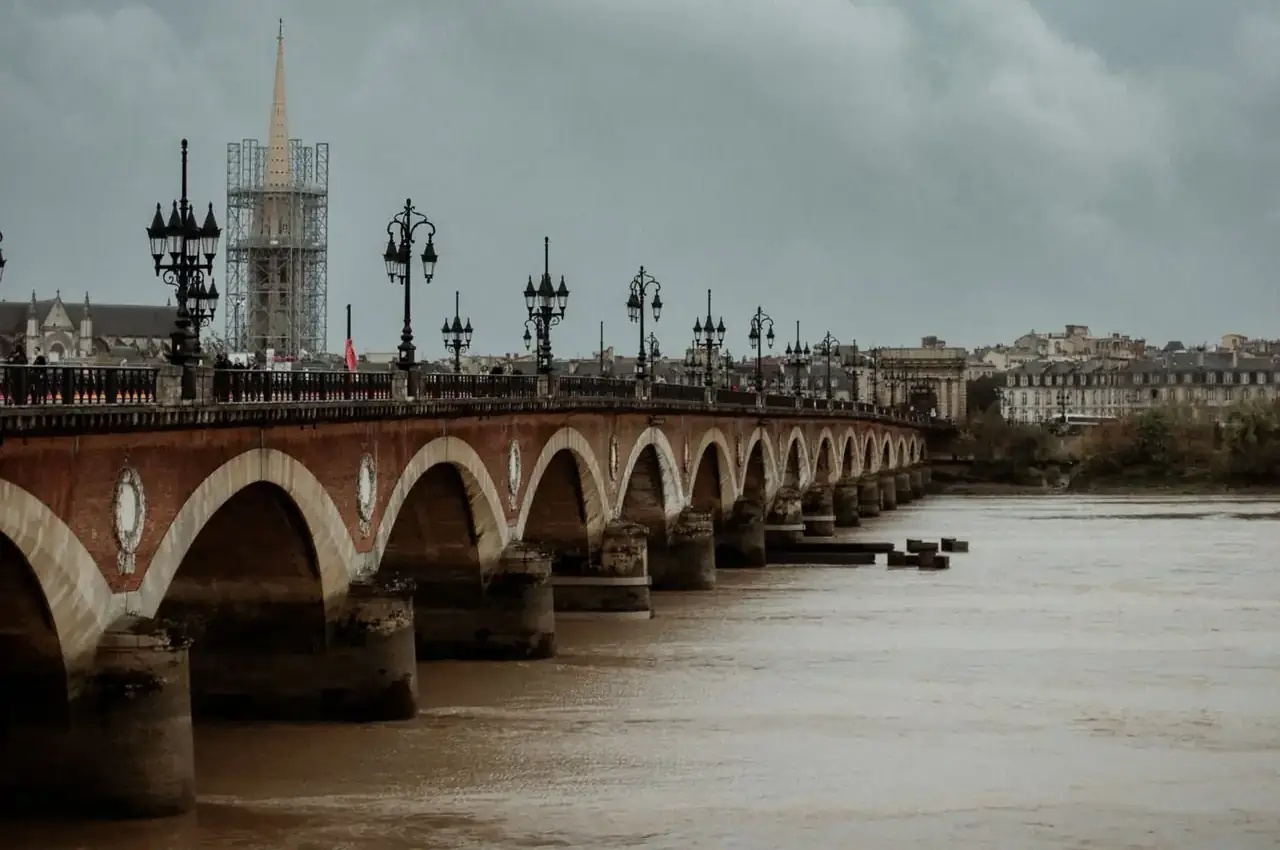
Saint-Pierre and the Garonne: a Bordeaux walk with clear anchors
Walk Bordeaux’s old streets before stepping out onto the broad Garonne quays. Saint-Pierre, Porte Cailhau and Pont de Pierre make useful anchors, with the water mirror treated as a seasonal feature rather than a guaranteed display.
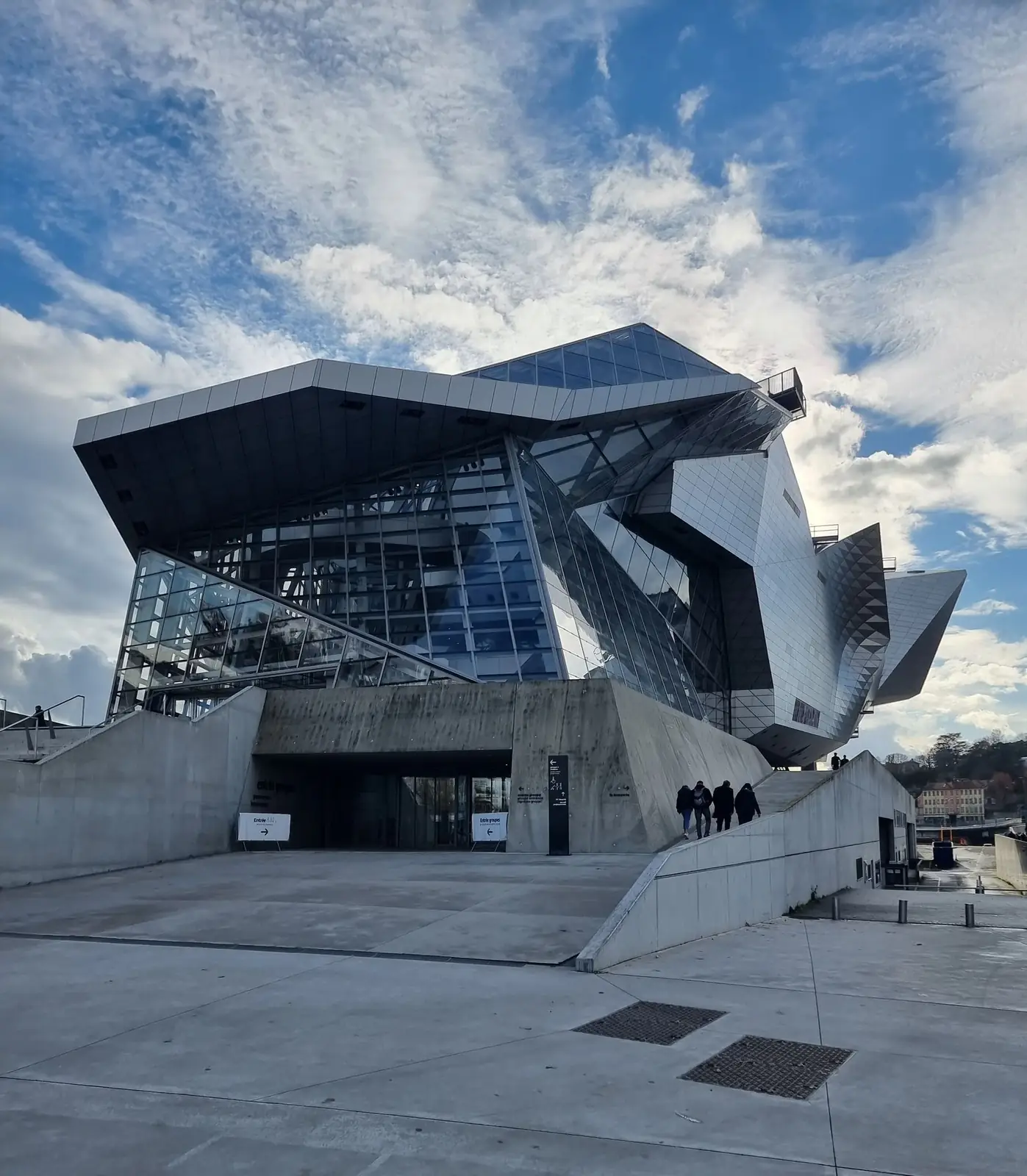
Lyon’s Confluence: a museum visit where two rivers meet
Pair the Musée des Confluences with a walk around the southern tip of Lyon’s peninsula. Choose two exhibitions, then step outside to see the Rhône and Saône meet.
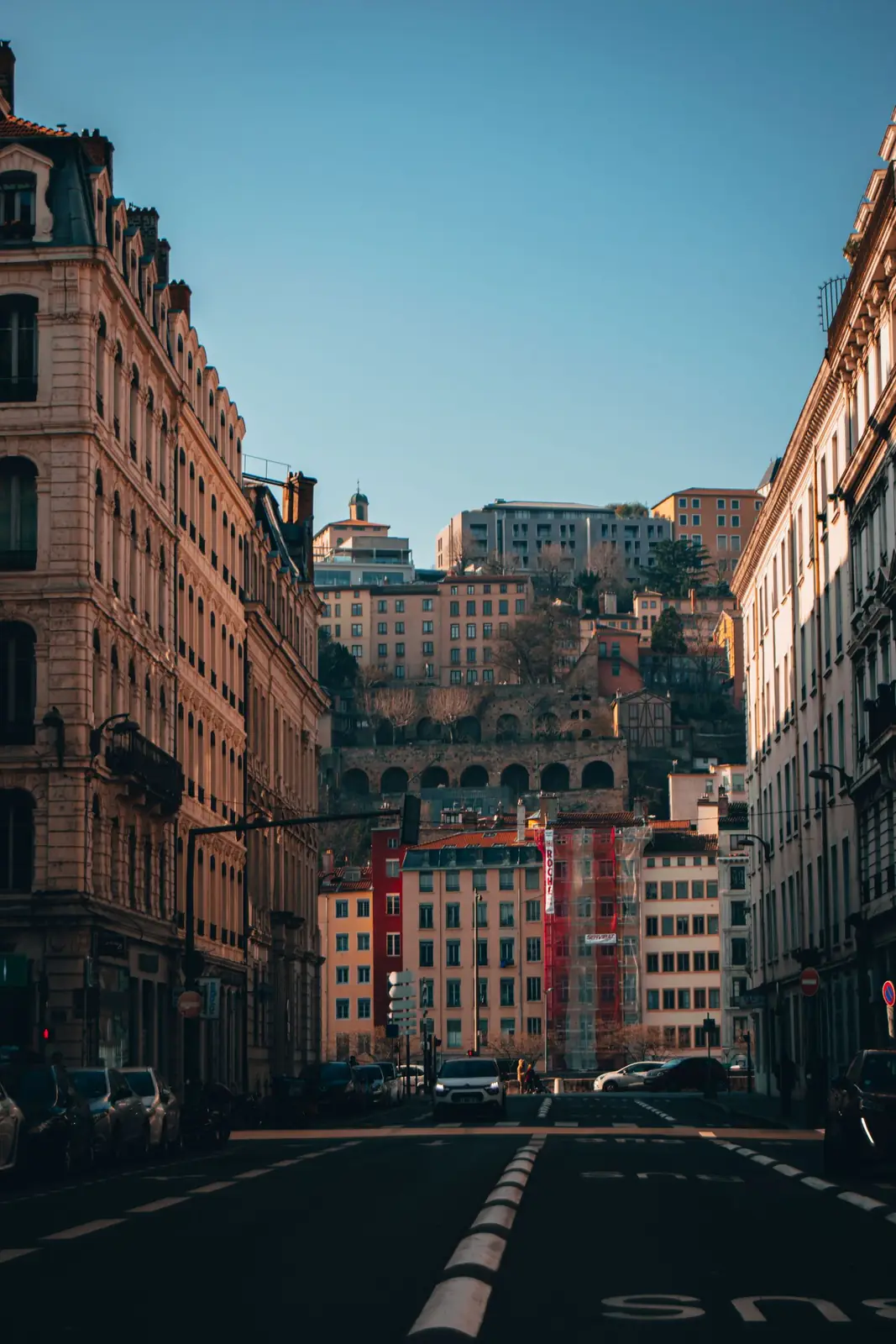
Fourvière from Vieux Lyon: basilica, views and a manageable descent
Give Fourvière its own hill outing rather than adding the climb as an afterthought. The basilica and esplanade are the main anchors, with the funicular helping you save energy for looking and a meal below.
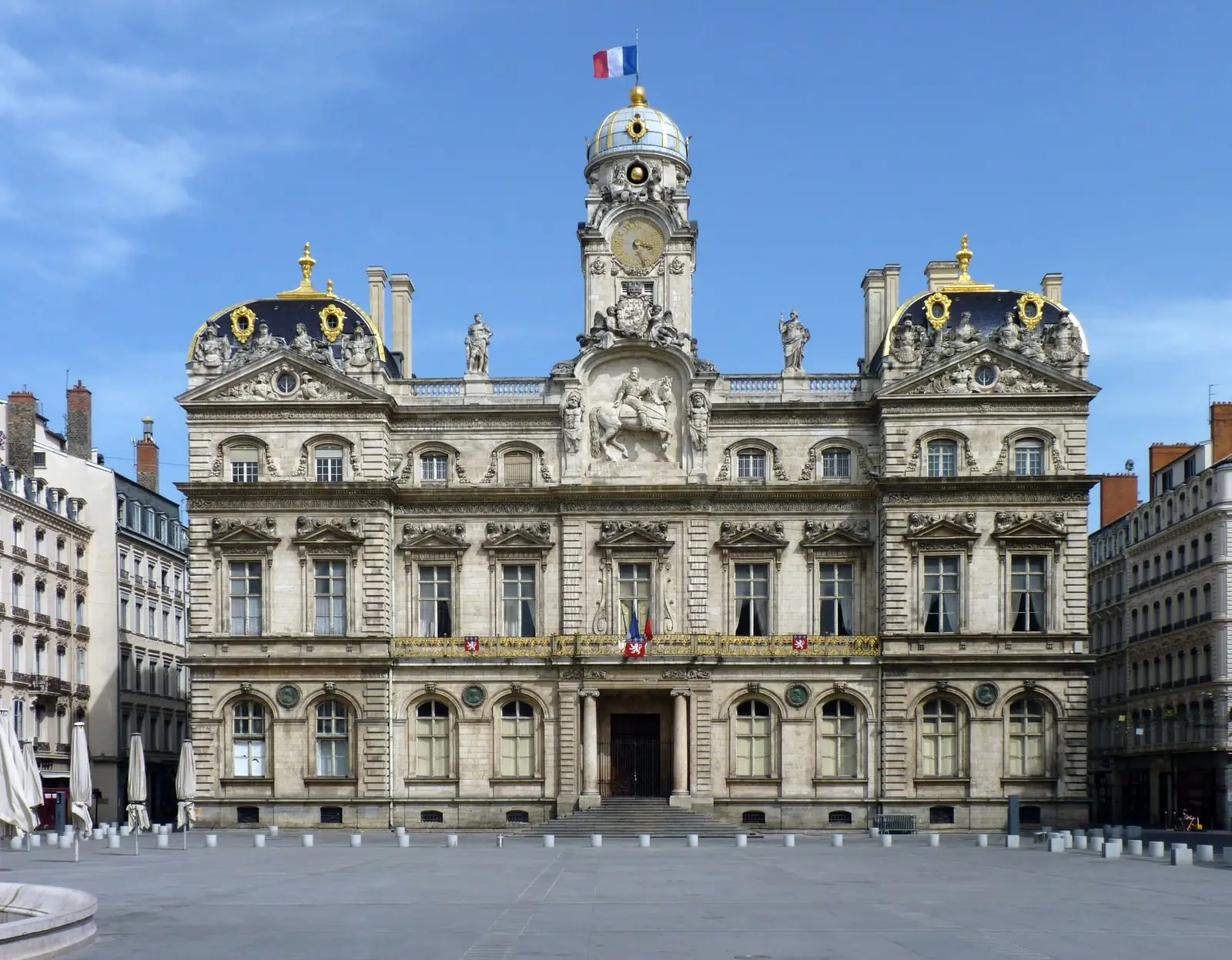
Lyon’s Terreaux and Fine Arts Museum: a collection route that fits the day
Pair Place des Terreaux with the Fine Arts Museum’s garden and a small selection of galleries. Check the current display first: the modern collection is temporarily off view.
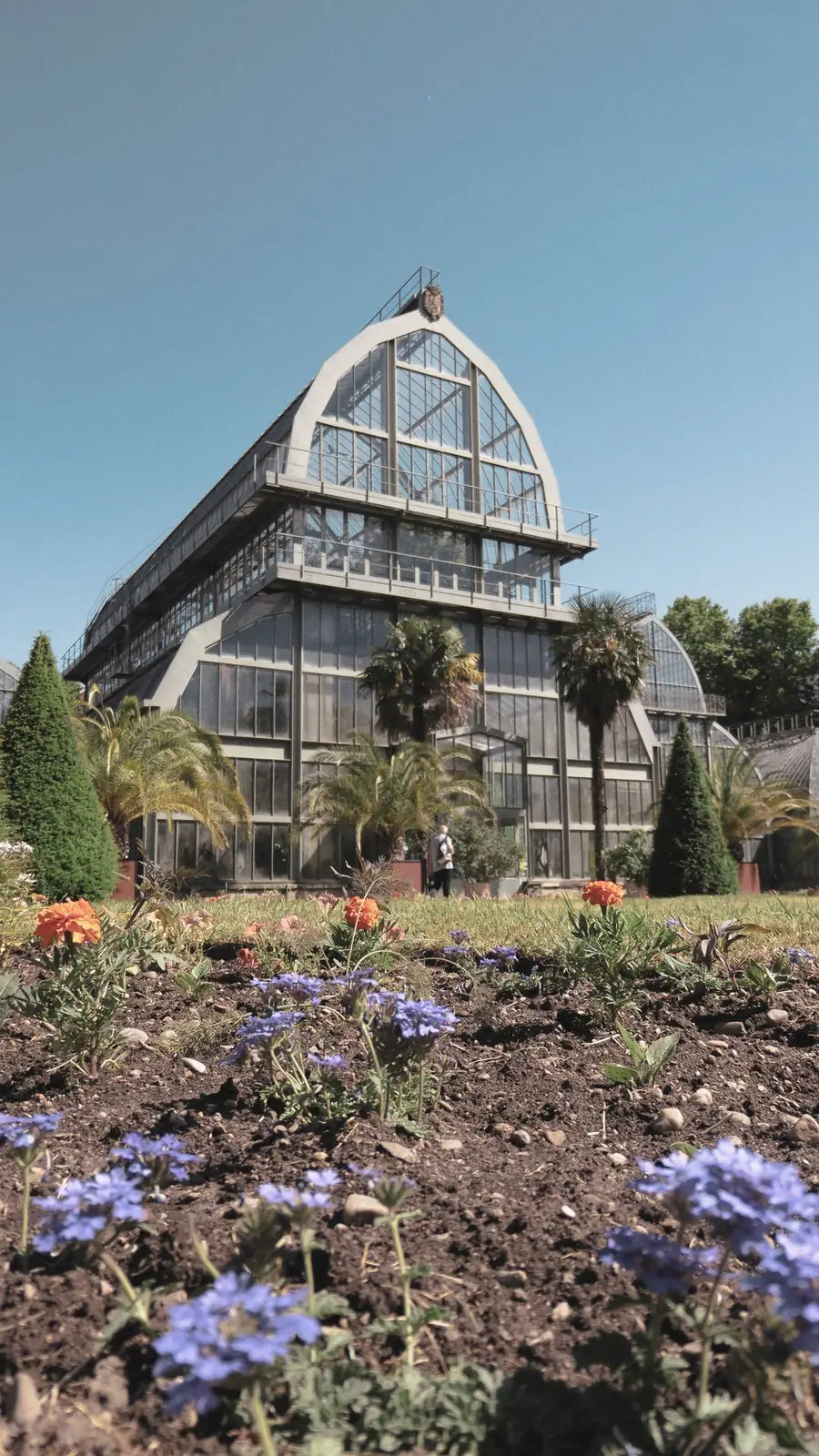
Parc de la Tête d’Or: a lake walk, glasshouses and a park lunch
Give Lyon’s Parc de la Tête d’Or a few clear anchors instead of trying to cover every path. The lake and botanical gardens make a useful outing between more demanding city visits.
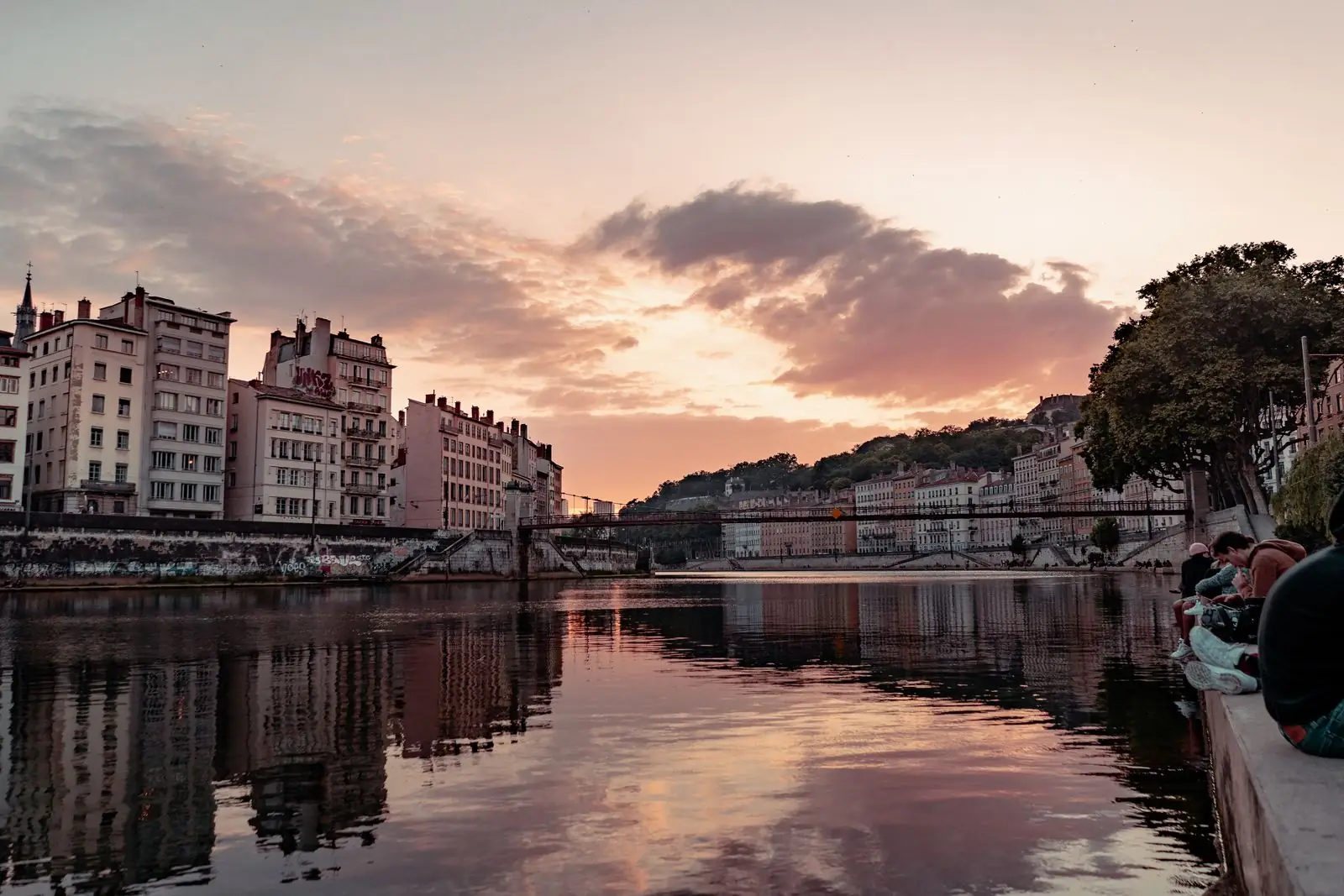
Vieux Lyon: Renaissance streets, respectful traboules and a bouchon lunch
Give Vieux Lyon’s narrow streets and courtyards a focused outing beside the Saône. A booked bouchon lunch fits the neighbourhood better than a rushed meal between a hill climb and several museums.
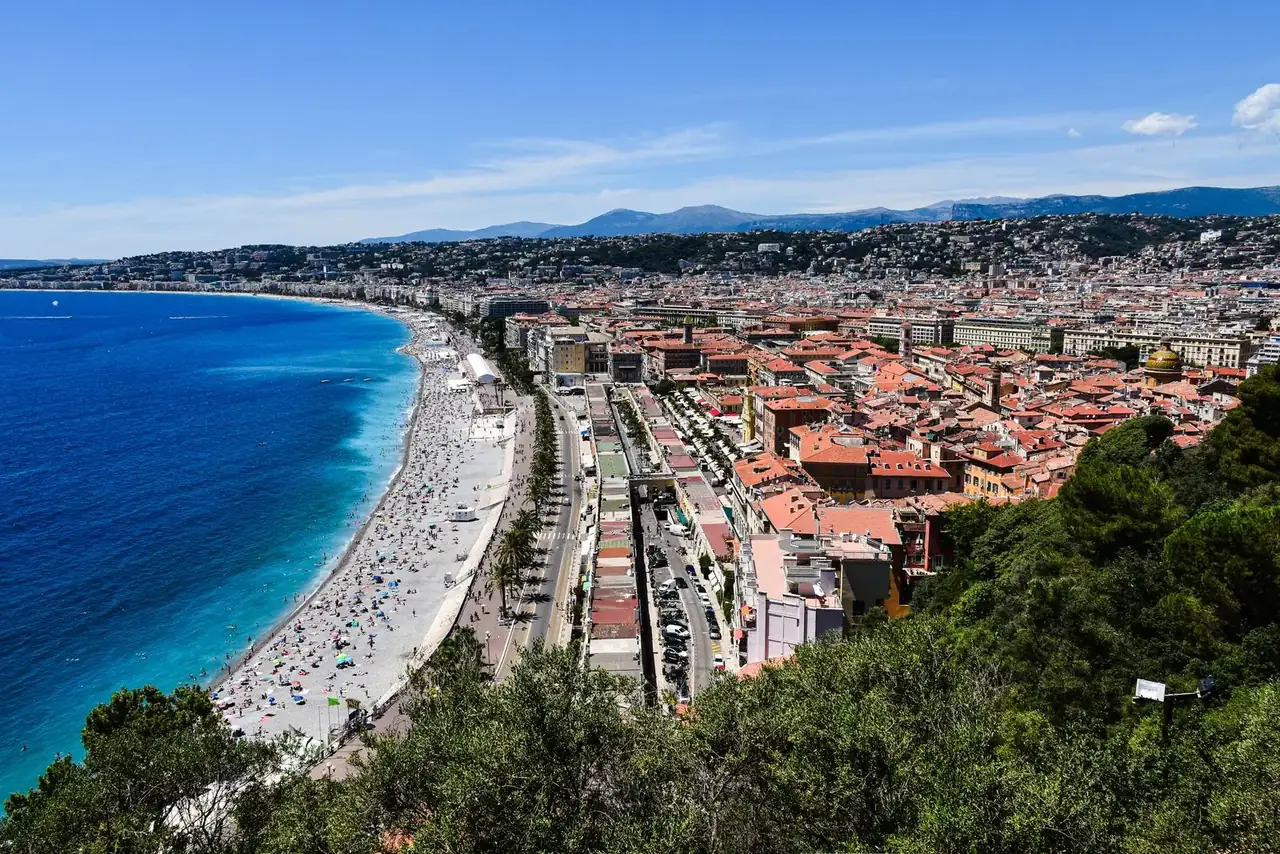
Castle Hill and the Promenade: Nice’s views without a rushed climb
Pair Castle Hill with a manageable stretch of Nice’s seafront. Choose the ascent that suits your legs, take time for the view and leave the whole Promenade or a beach afternoon optional.
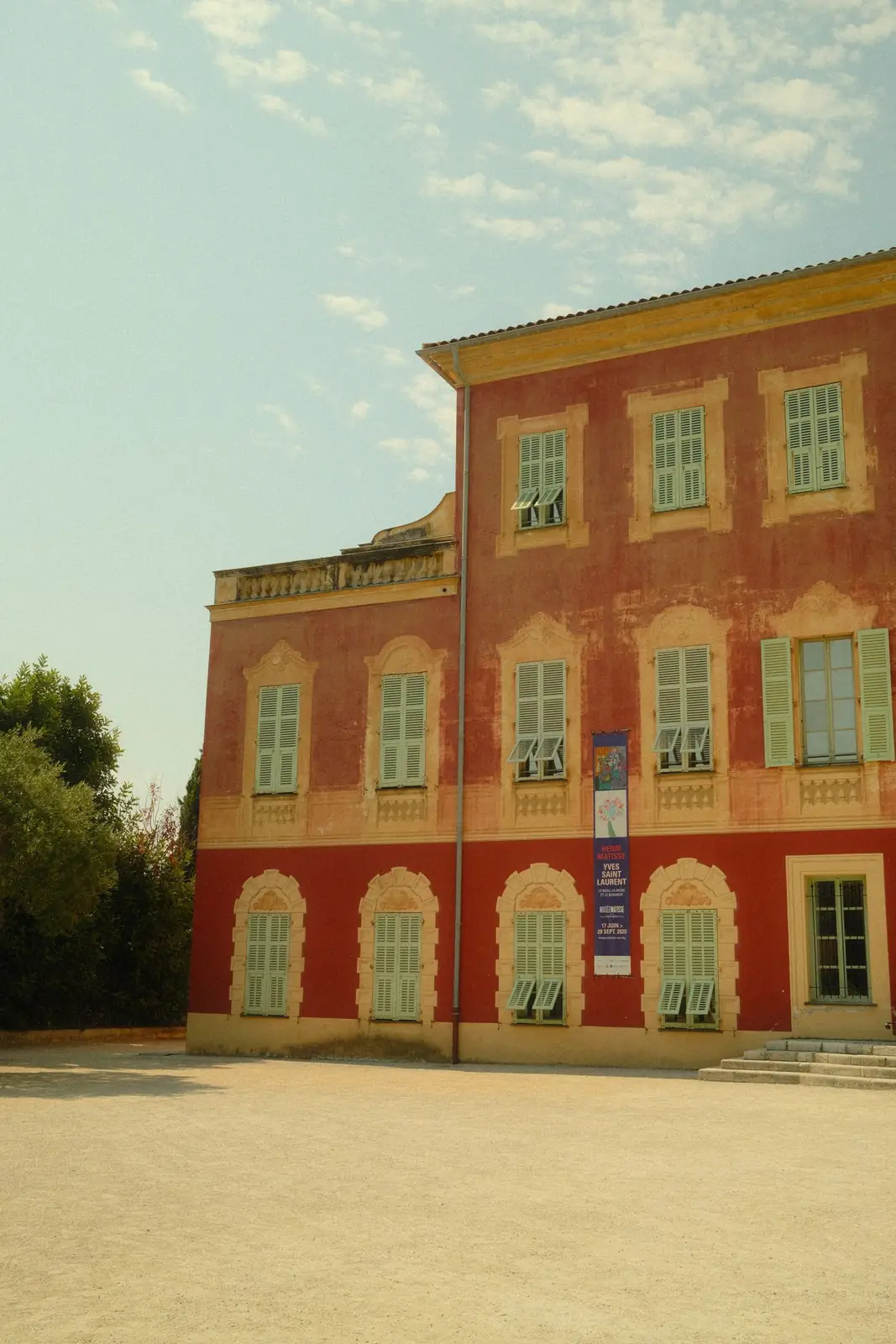
Cimiez in Nice: olive gardens, Roman remains and the Matisse closure
Go up to Cimiez for olive trees, Roman remains and a different side of Nice. Musée Matisse remains a worthwhile attraction, but its current closure changes the museum choice.
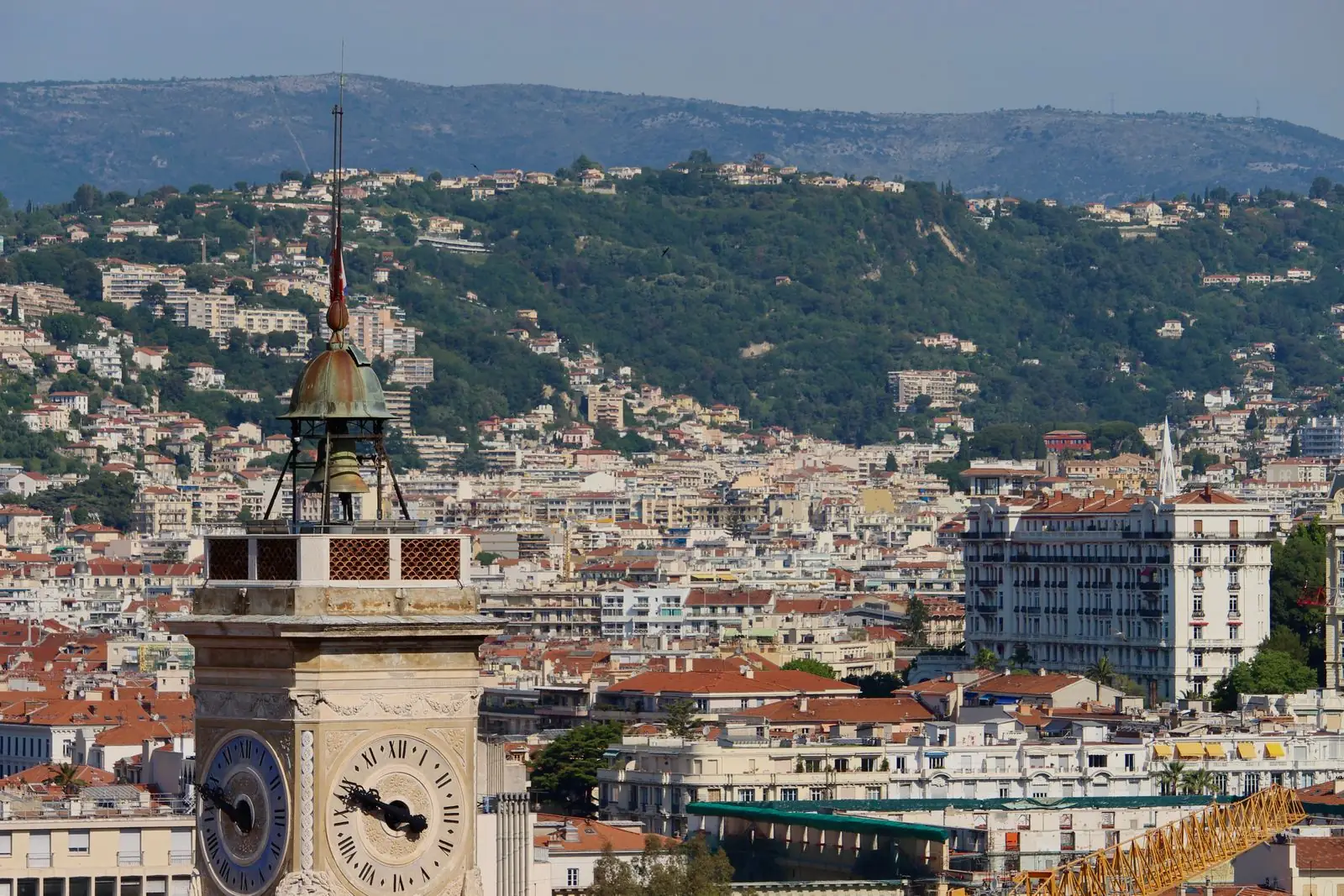
Cours Saleya and Old Nice: a market morning with socca
Make Cours Saleya the centre of a Nice market morning, then walk into the Old Town. The trading day matters: Monday brings antiques rather than the usual flower-market plan, and the socca stop has its own service days.
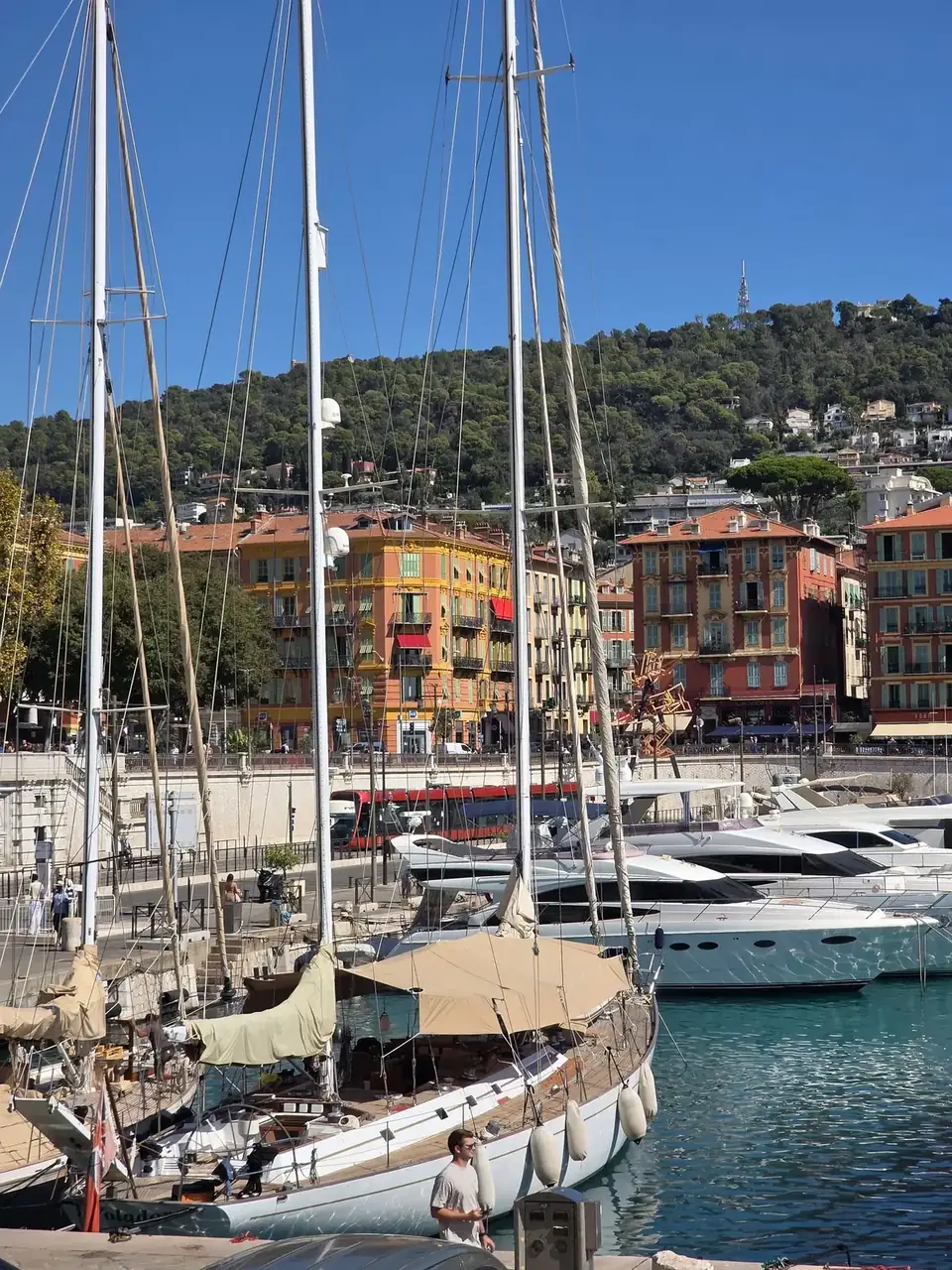
Nice’s Port Lympia: waterfront colour and a socca lunch
Give Nice’s port an outing of its own, with colourful quays and a simple Niçois lunch. This route stays around Port Lympia rather than repeating the Castle Hill climb or Old Town market walk.
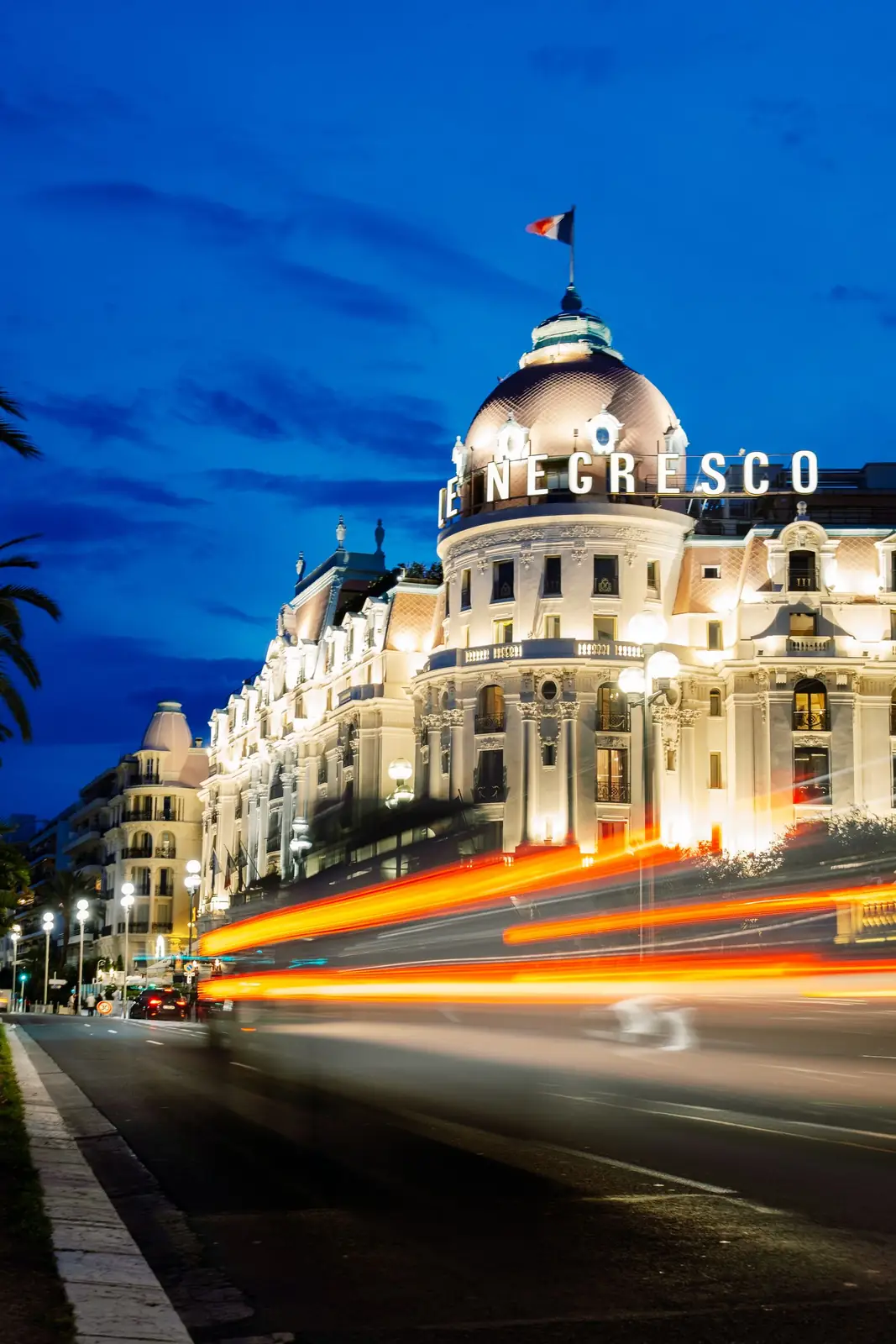
Nice’s Villa Masséna and a Belle Époque promenade
Use Villa Masséna to understand the Riviera behind Nice’s grand seafront hotels. Pair its garden and local-history collections with a short walk past Le Negresco.
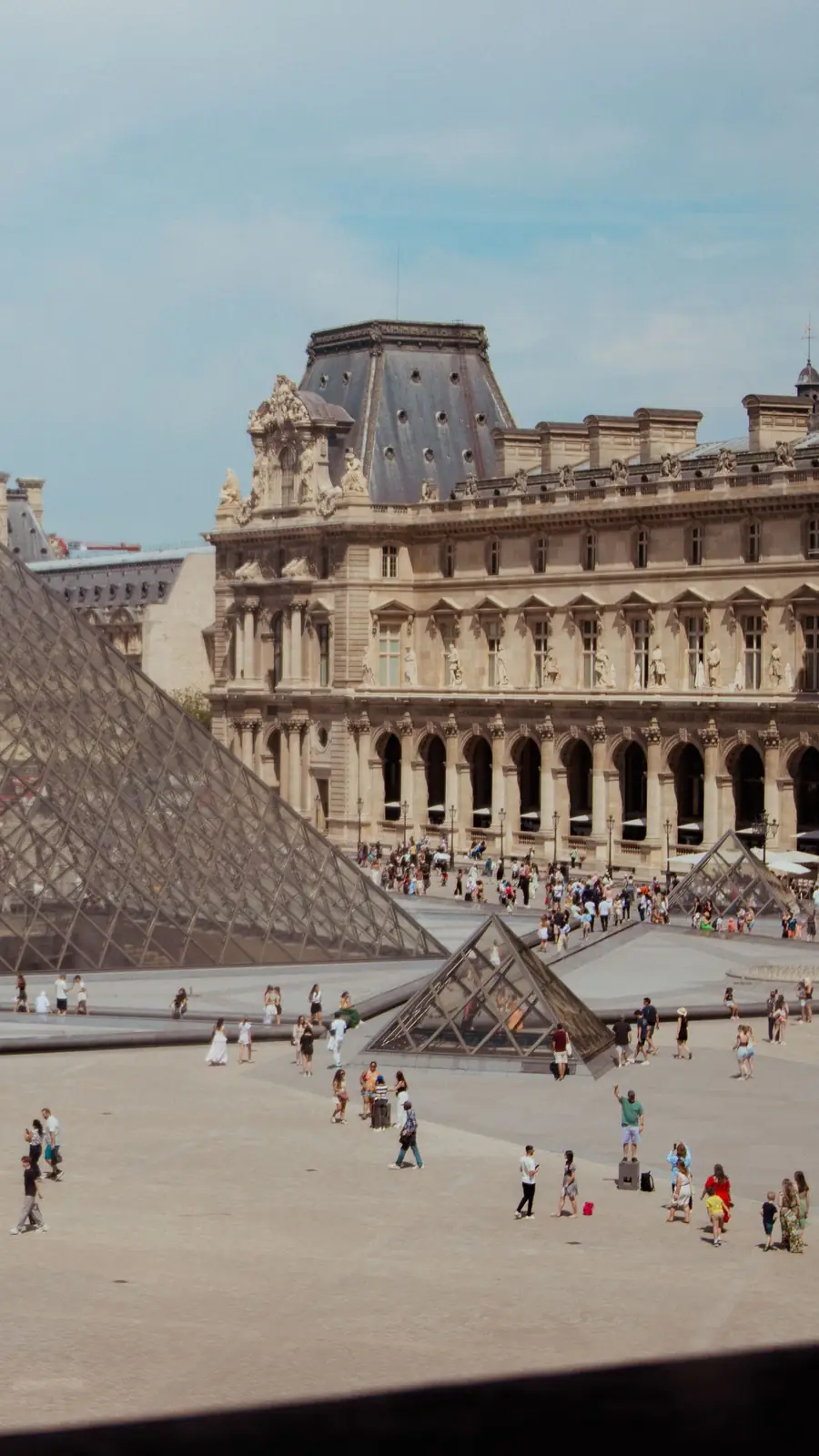
The Louvre and Tuileries: book one collection route, then step outside
Make the Louvre the main event of the day, with a garden walk afterwards. A focused collection route leaves more room for looking, lunch and security checks than an attempt to combine every famous painting with another major museum.
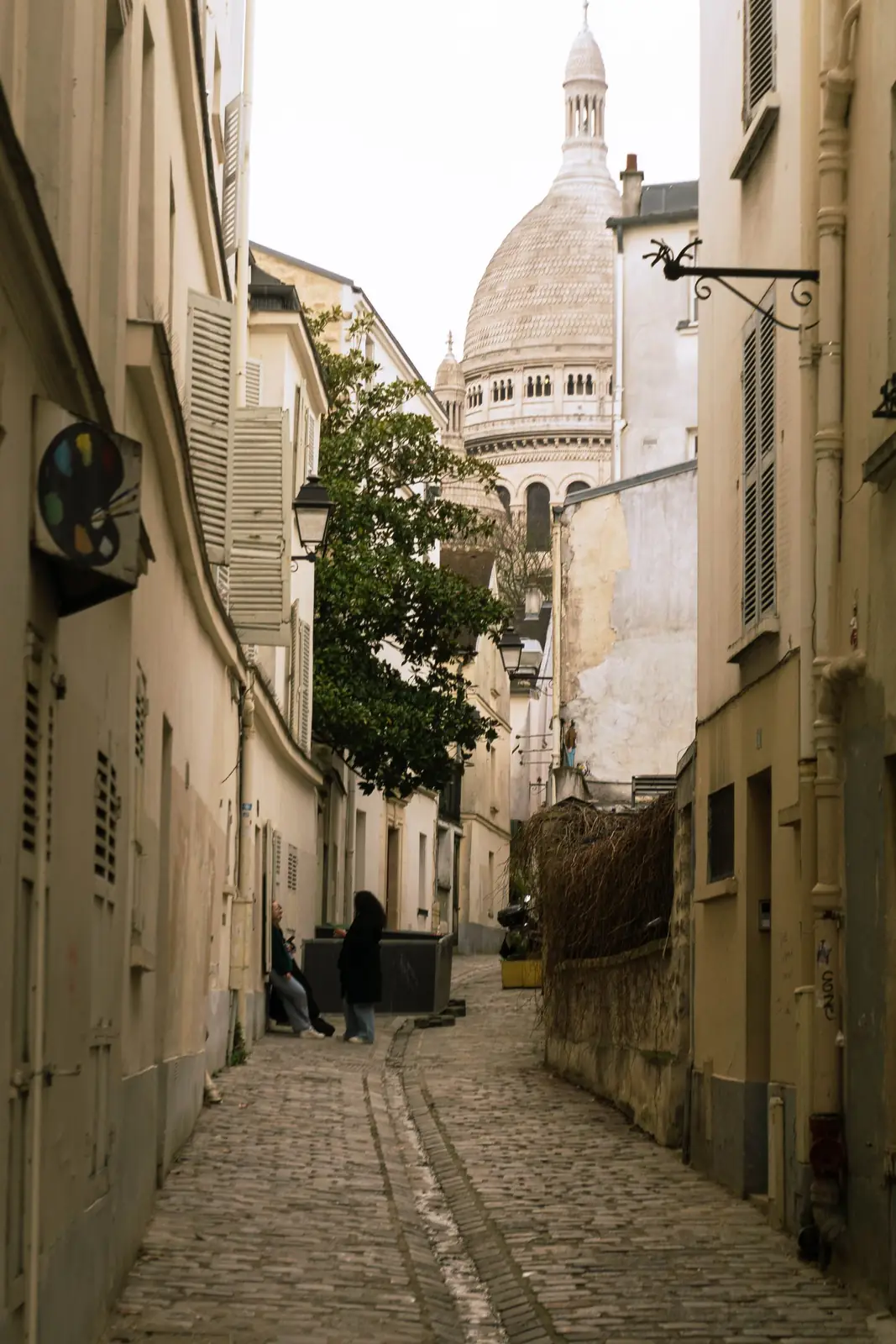
Montmartre beyond the viewpoint: artists’ studios and Renoir gardens
Use Montmartre’s quieter northern streets to connect its artists’ history with a garden break. The museum on rue Cortot gives the hill more depth than a quick photograph from the steps.
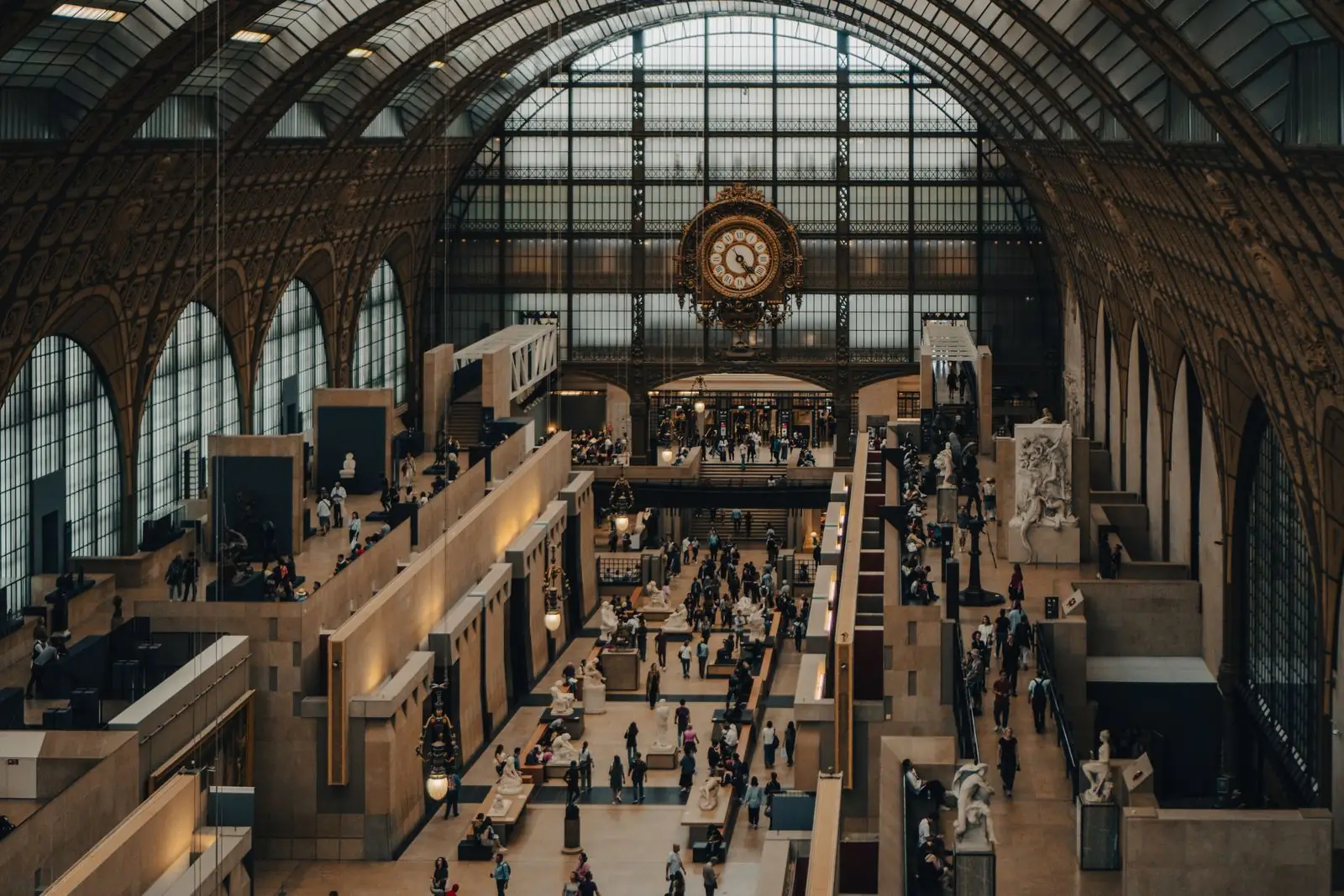
Musée d’Orsay: a focused art visit and the right entrance during works
Make Musée d’Orsay a focused visit to nineteenth-century art in a remarkable former station. Current entrance works make it especially useful to read your ticket before arriving.
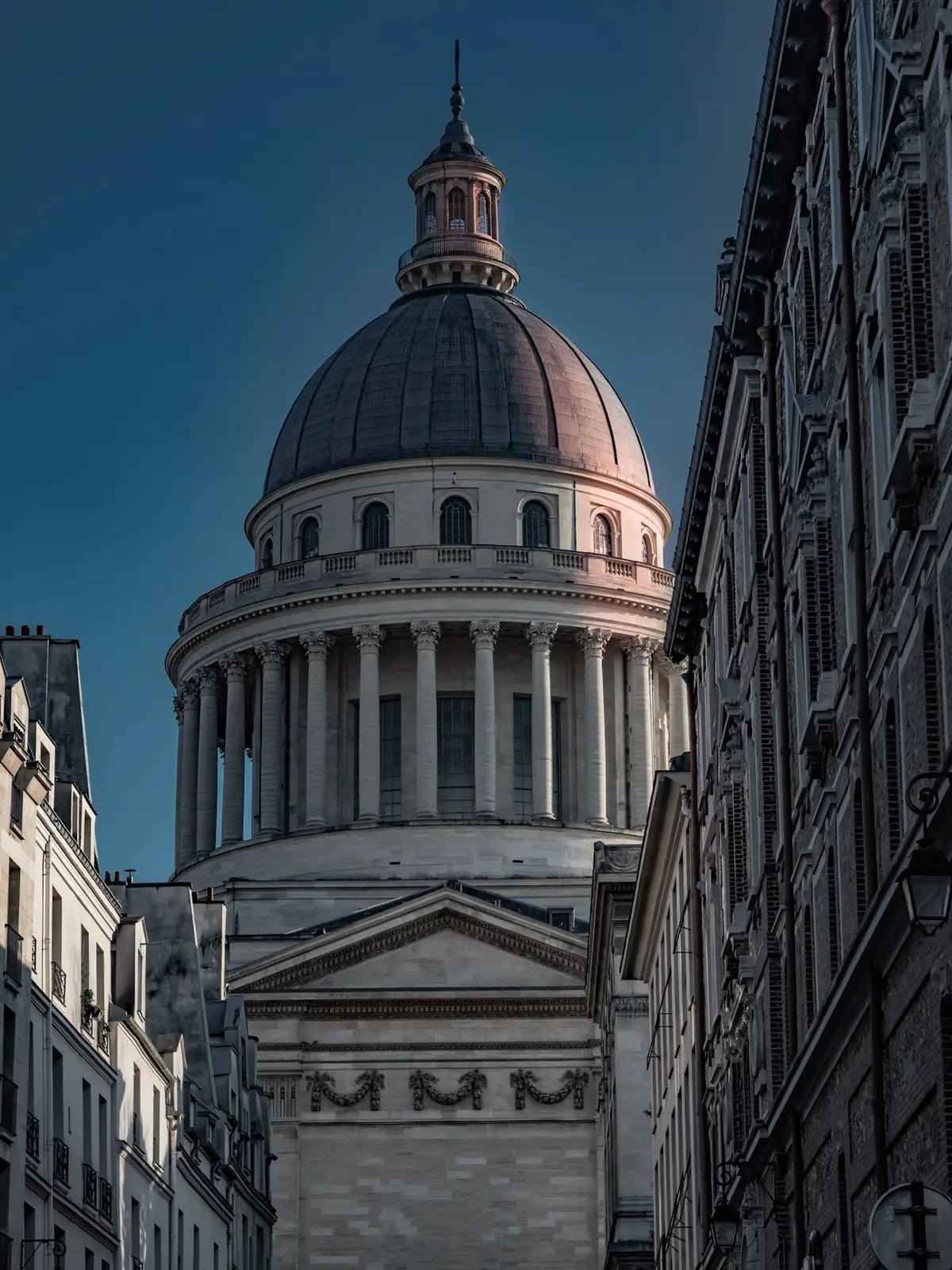
Paris’s Panthéon: the nave, the crypt and the closed panorama
Give the Panthéon a focused visit: watch Foucault’s pendulum, then explore the crypt. The dome remains part of the experience from below, while panorama access is currently closed.
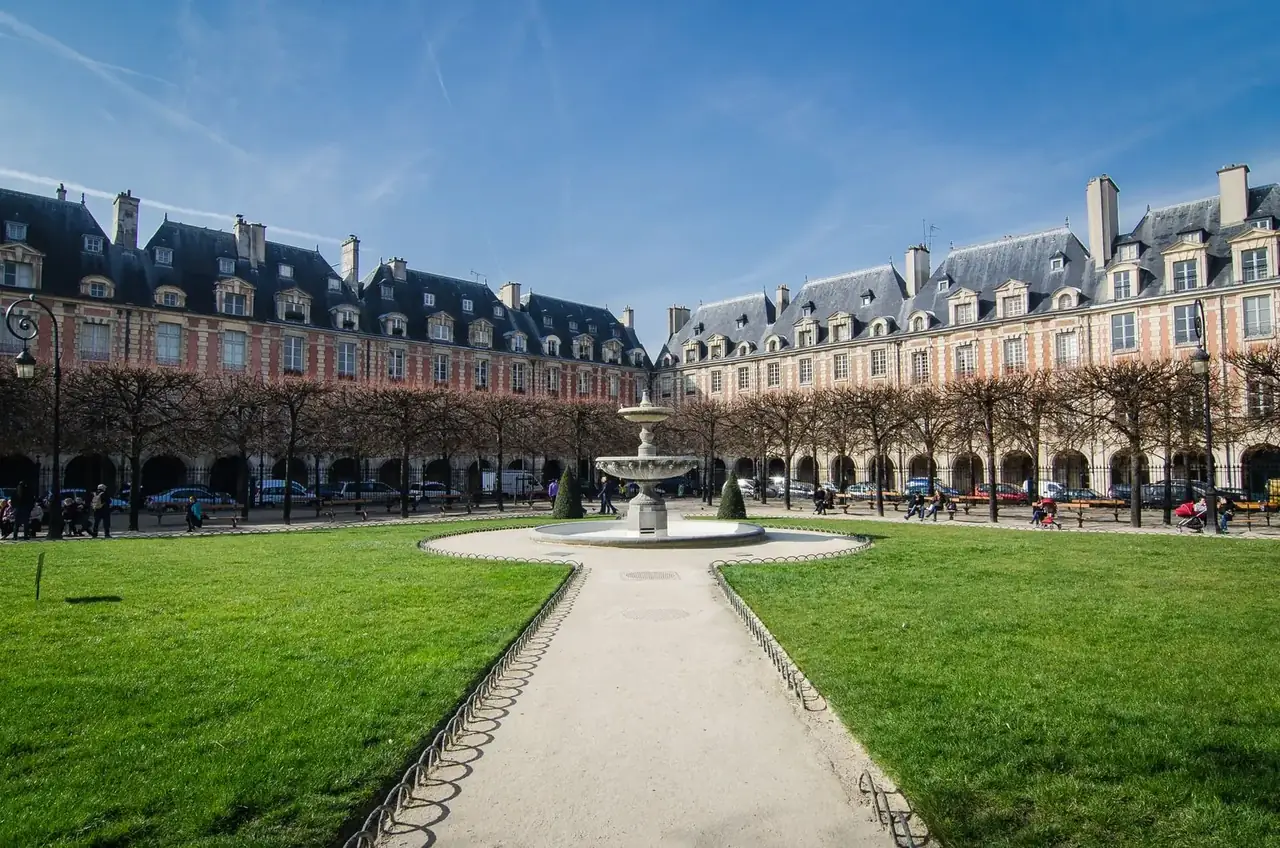
The Marais from Place des Vosges: arcades, museums and a real lunch stop
Start a Marais walk at Place des Vosges and give its arcades time before heading into the smaller streets. A current museum café or a falafel lunch makes the outing more useful than a long list of places to photograph.
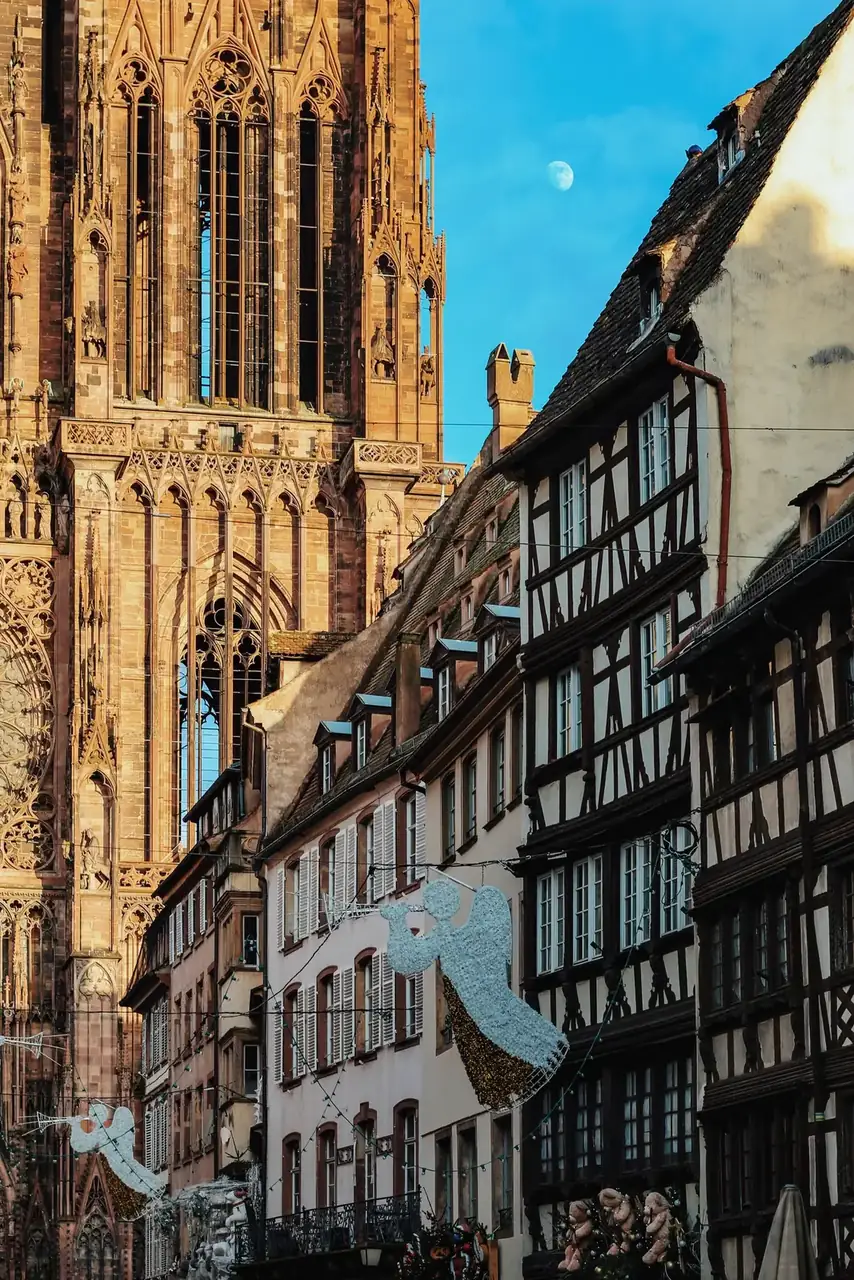
Strasbourg Cathedral: separate the church, clock and platform visits
Plan Strasbourg Cathedral as three possible experiences rather than one all-inclusive stop. General church visiting, the clock presentation and the platform climb have different arrangements, so choose what matters before shaping the rest of the morning.
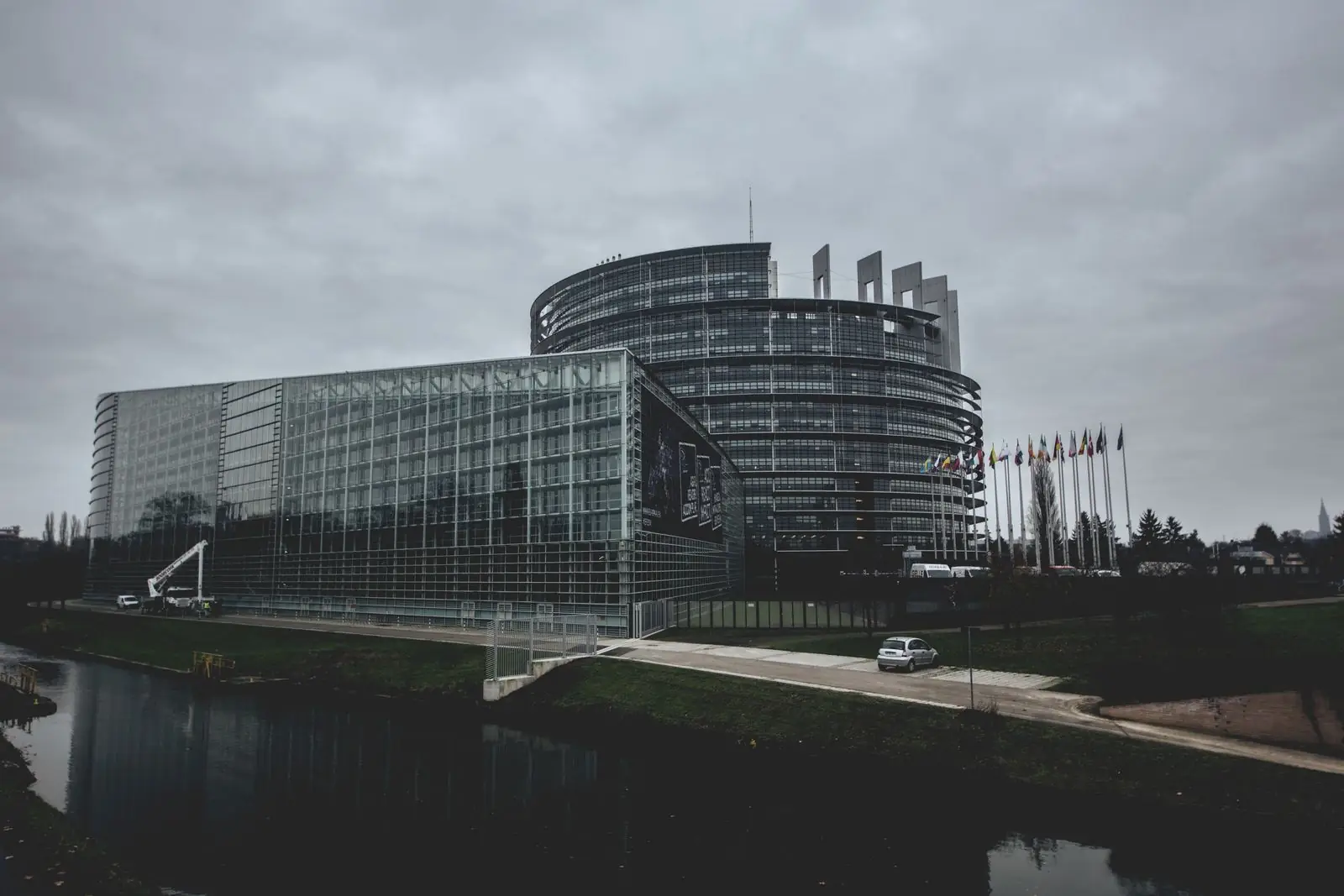
Strasbourg’s European Parliament: the free visit and the right arrival plan
Visit Strasbourg’s European Parliament for the chamber and its account of European democracy. Check whether Parliament is sitting, then leave time for the waterside setting around the Louise Weiss building.
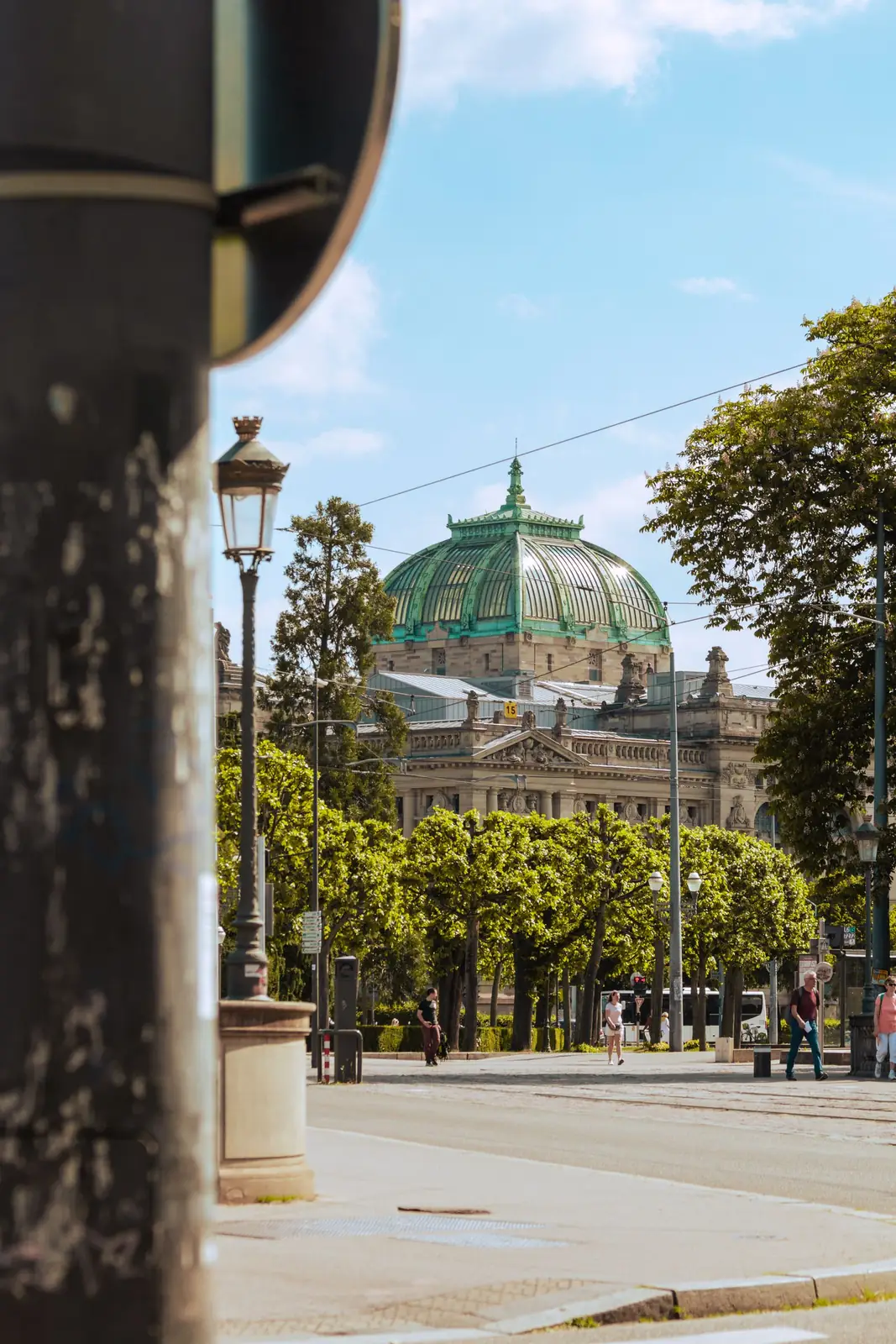
Strasbourg’s Neustadt: Palais du Rhin and the imperial axis
Walk from Place de la République towards Saint-Paul and the university to see another side of Strasbourg. Broad avenues and imposing public buildings tell the story of the Neustadt.
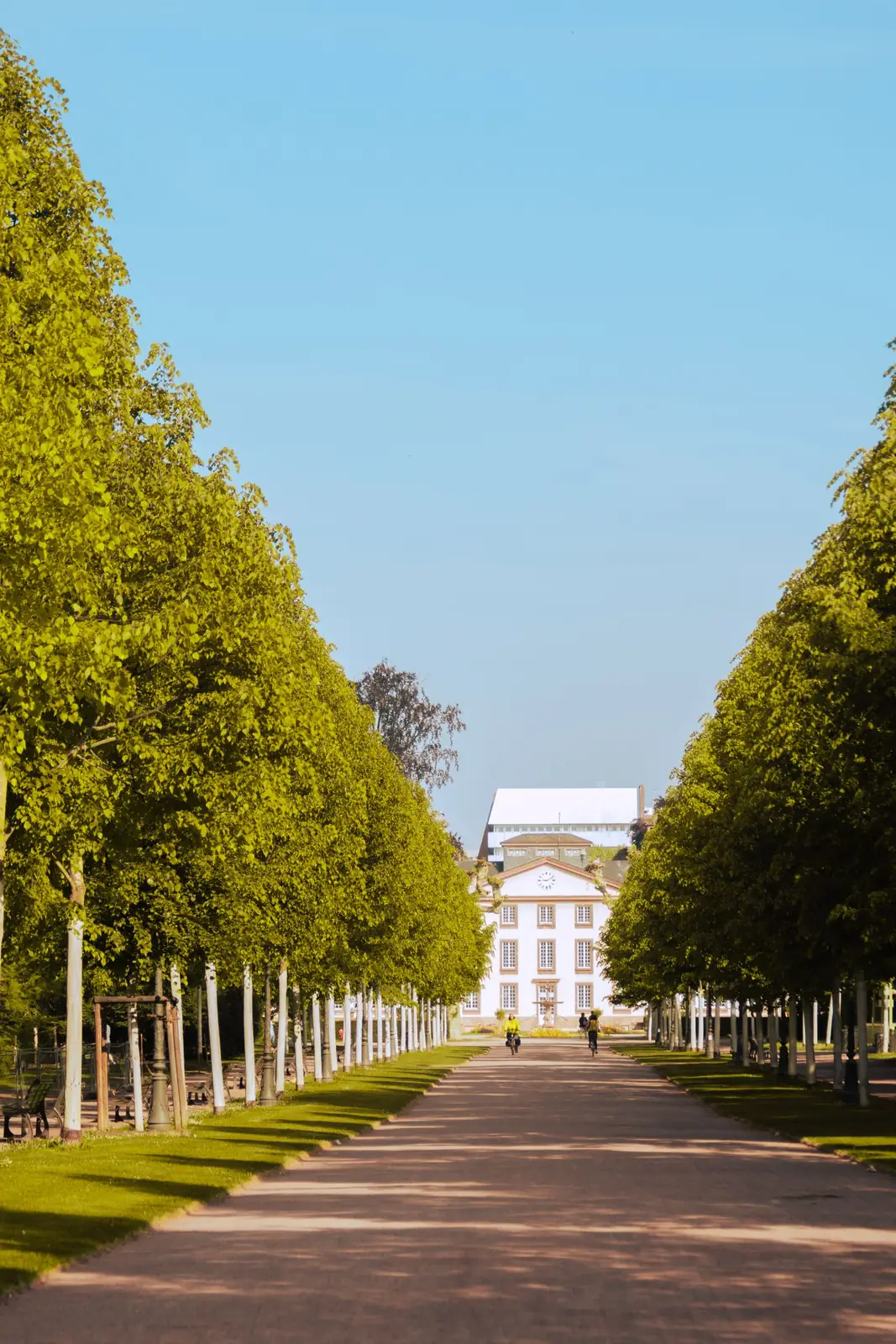
Strasbourg’s Orangerie: pavilion, lake paths and the former zoo
Use the Orangerie for a gentler Strasbourg outing around the pavilion and lake. Older guides still mention a zoo, so check the current nature programme rather than expecting the former attraction.
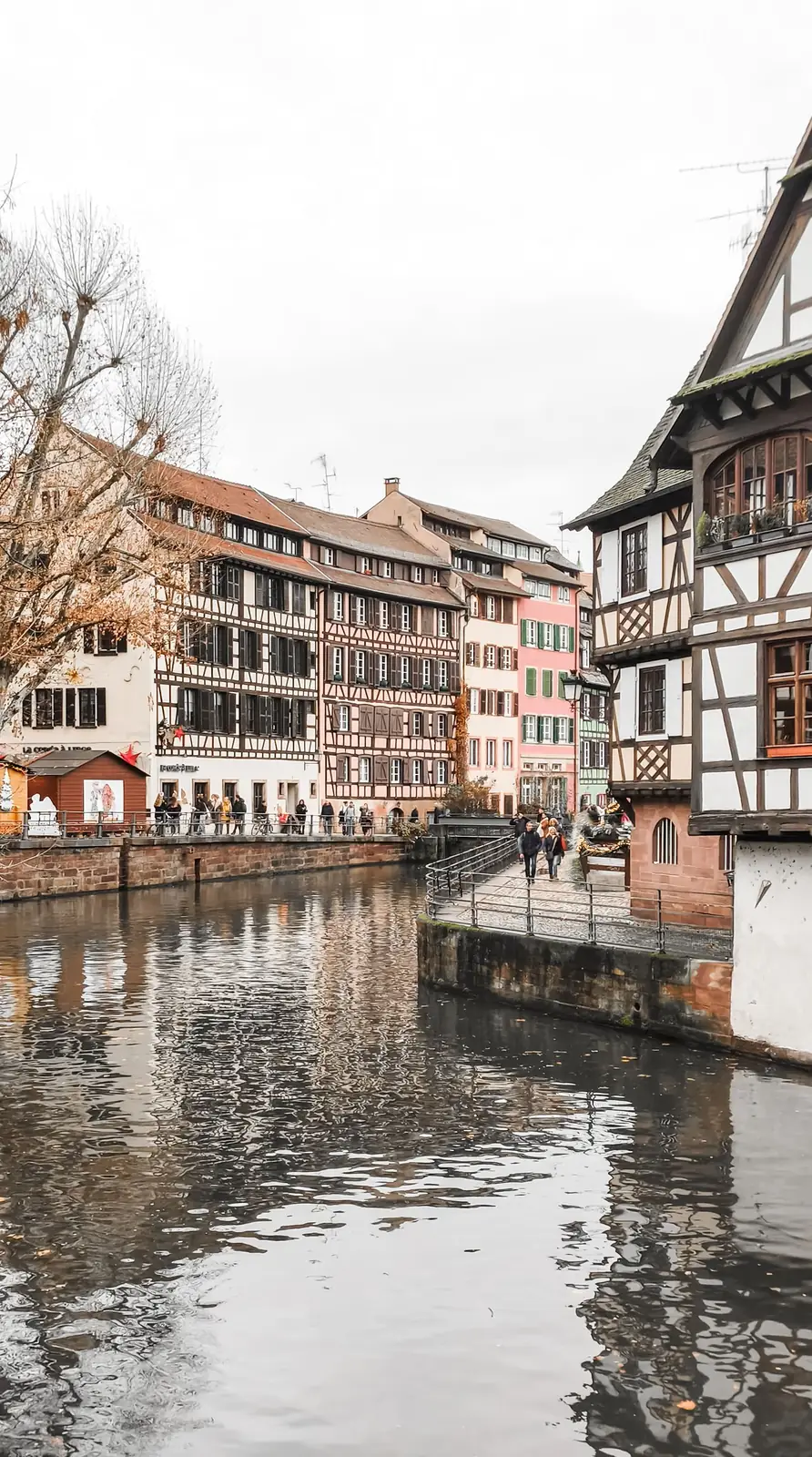
Petite France on foot: half-timbered streets, bridges and a riverside pause
Explore Petite France as a slow river walk with a few clear anchors. Place Benjamin Zix, Rue du Bain-aux-Plantes and the Covered Bridges give the route shape, leaving enough time for lunch rather than a sequence of hurried photos.