
A little more prepared for Cambodia.
Plan Cambodia with practical monthly packing advice and place-specific guides, from Phnom Penh’s riverfront markets and royal courtyards to Siem Reap’s Angkor temples and seasonal Tonle Sap waterways.
Explore CambodiaExplore Cambodia by city
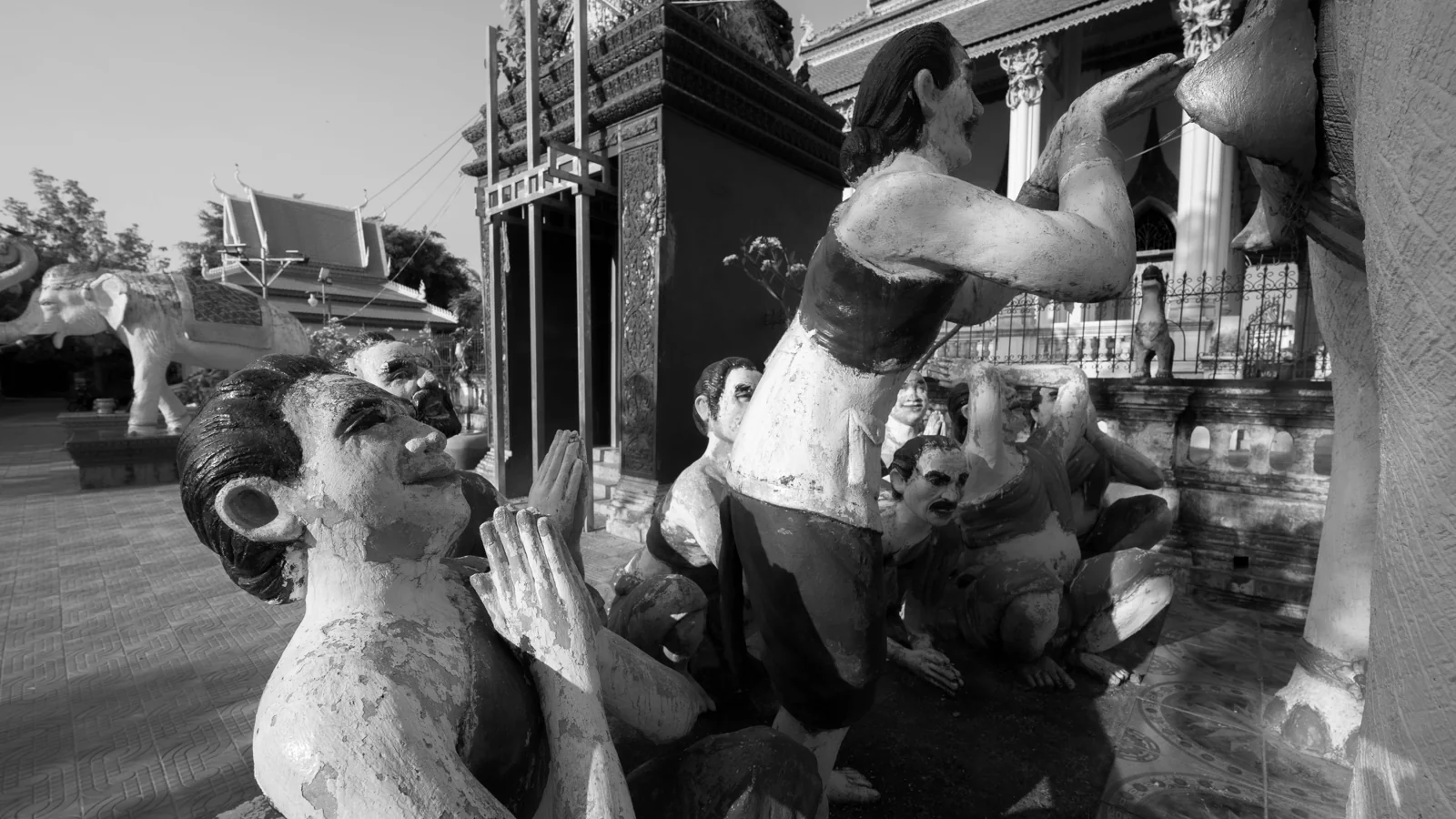
Battambang
Battambang is hot throughout the year. December to February generally brings less rain and cooler nights; March and April are particularly hot, while May to October needs a flexible rain plan.
Open city guide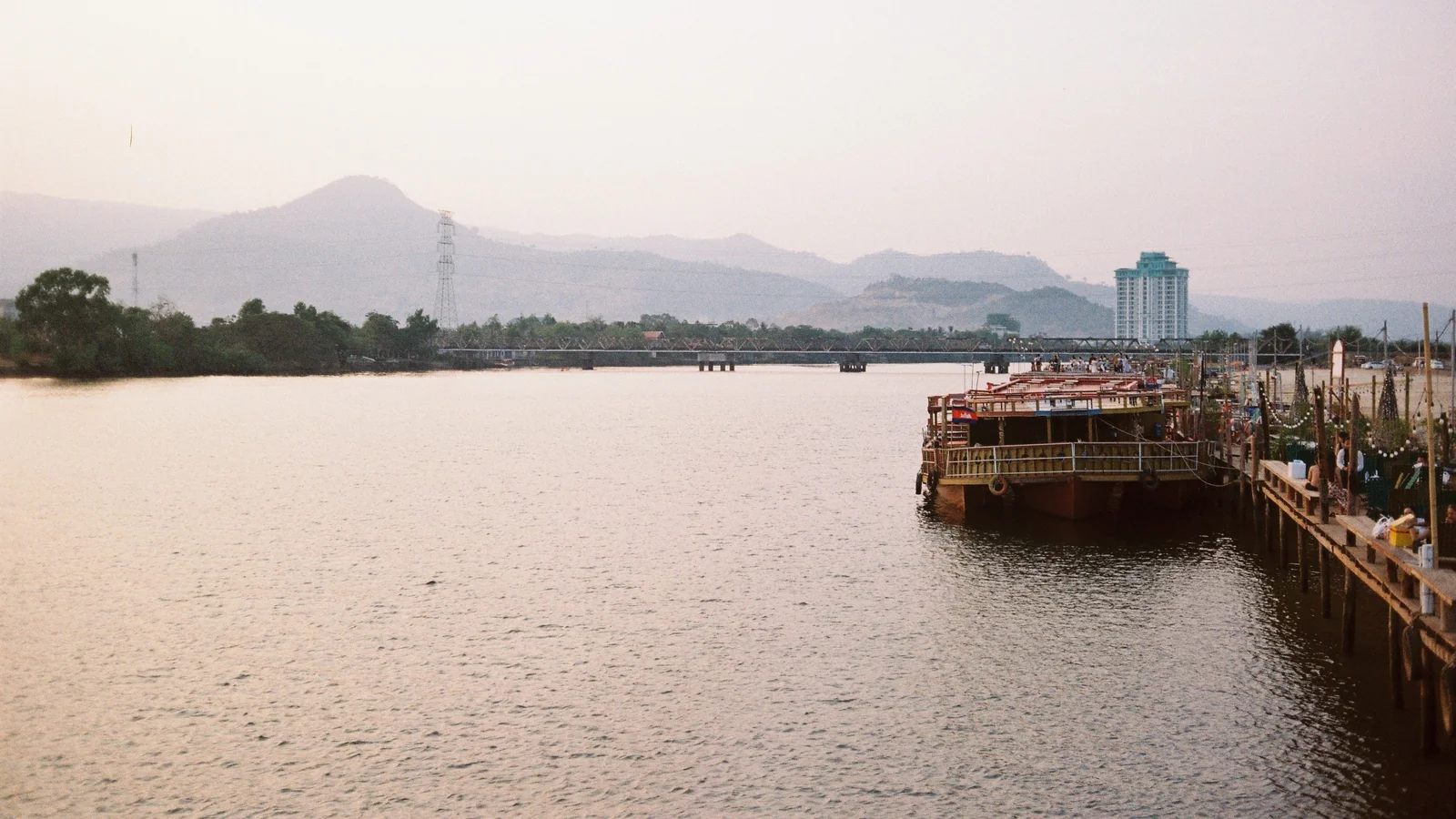
Kampot
Kampot stays hot throughout the year. December to February is generally drier, while the wet season needs flexible road and outdoor plans; the coast’s weather does not describe the cooler, mistier Bokor plateau.
Open city guide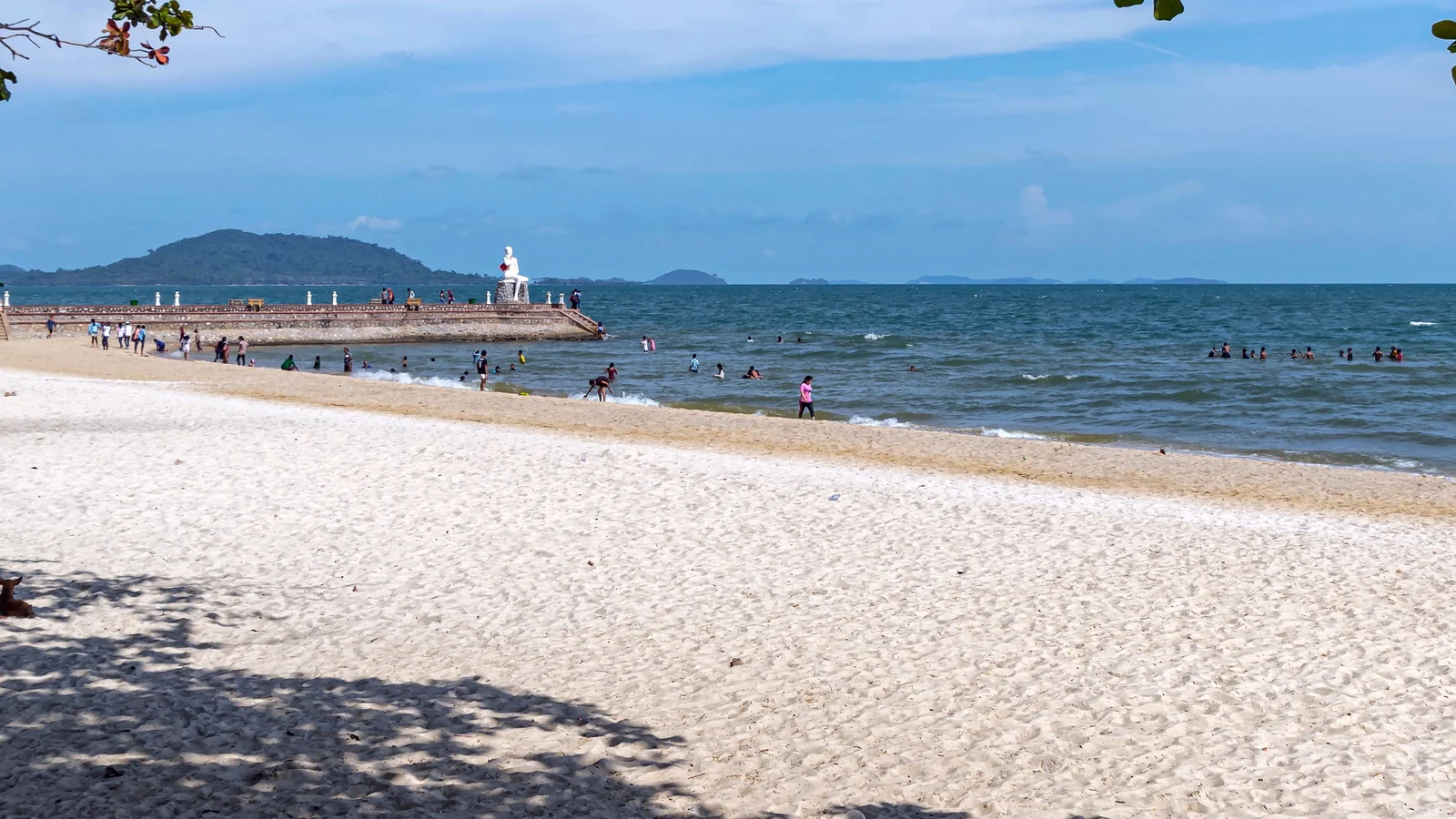
Kep
Kep is hot and humid throughout the year. December to February generally offers drier conditions for coast walks, while May to October brings wetter weather and less predictable boat outings. March and April need shorter walks and generous shade breaks.
Open city guide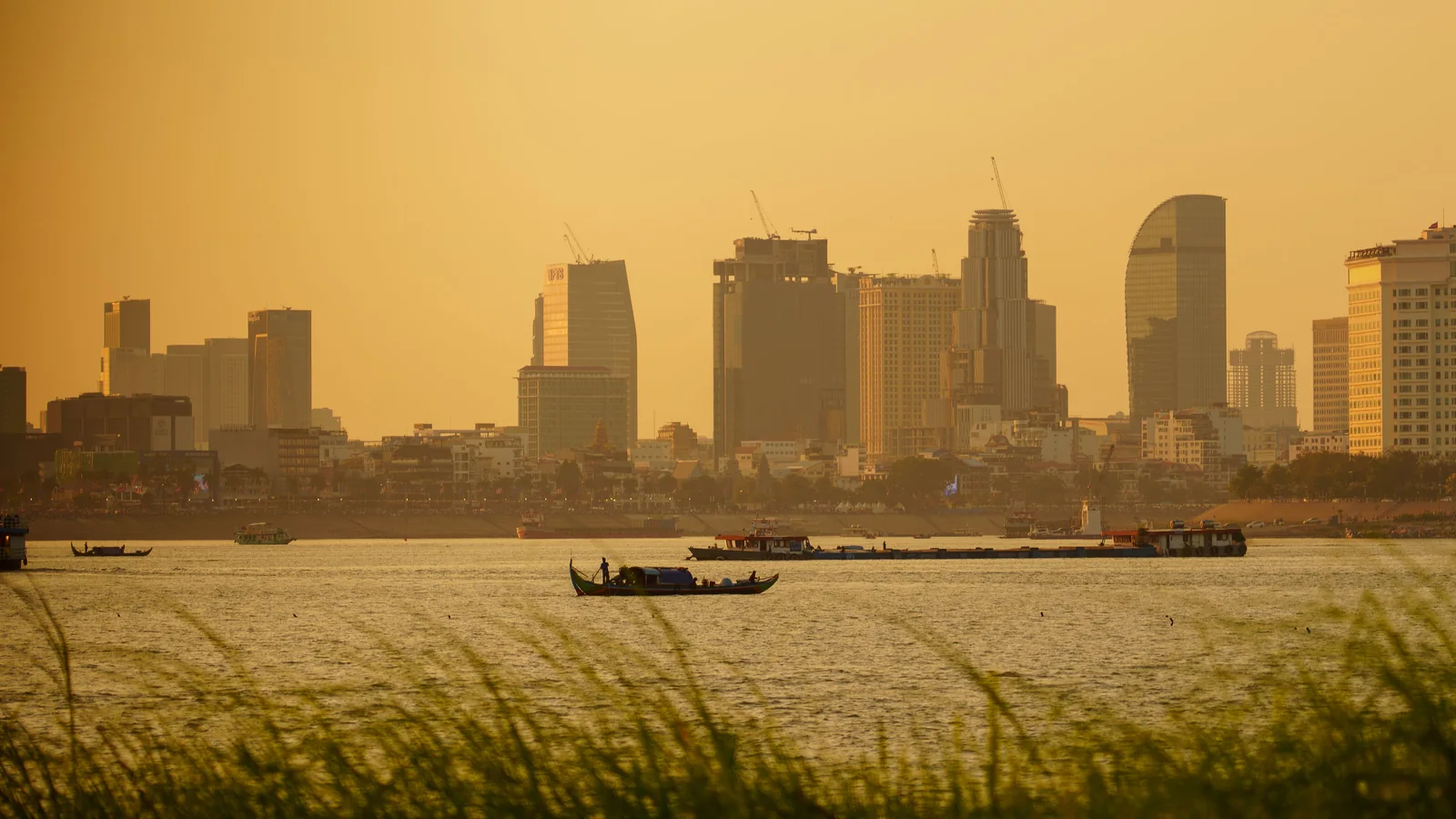
Phnom Penh
Phnom Penh stays hot year-round. November to February is generally less rainy; the wet season builds from May and is strongest around September and October.
Open city guide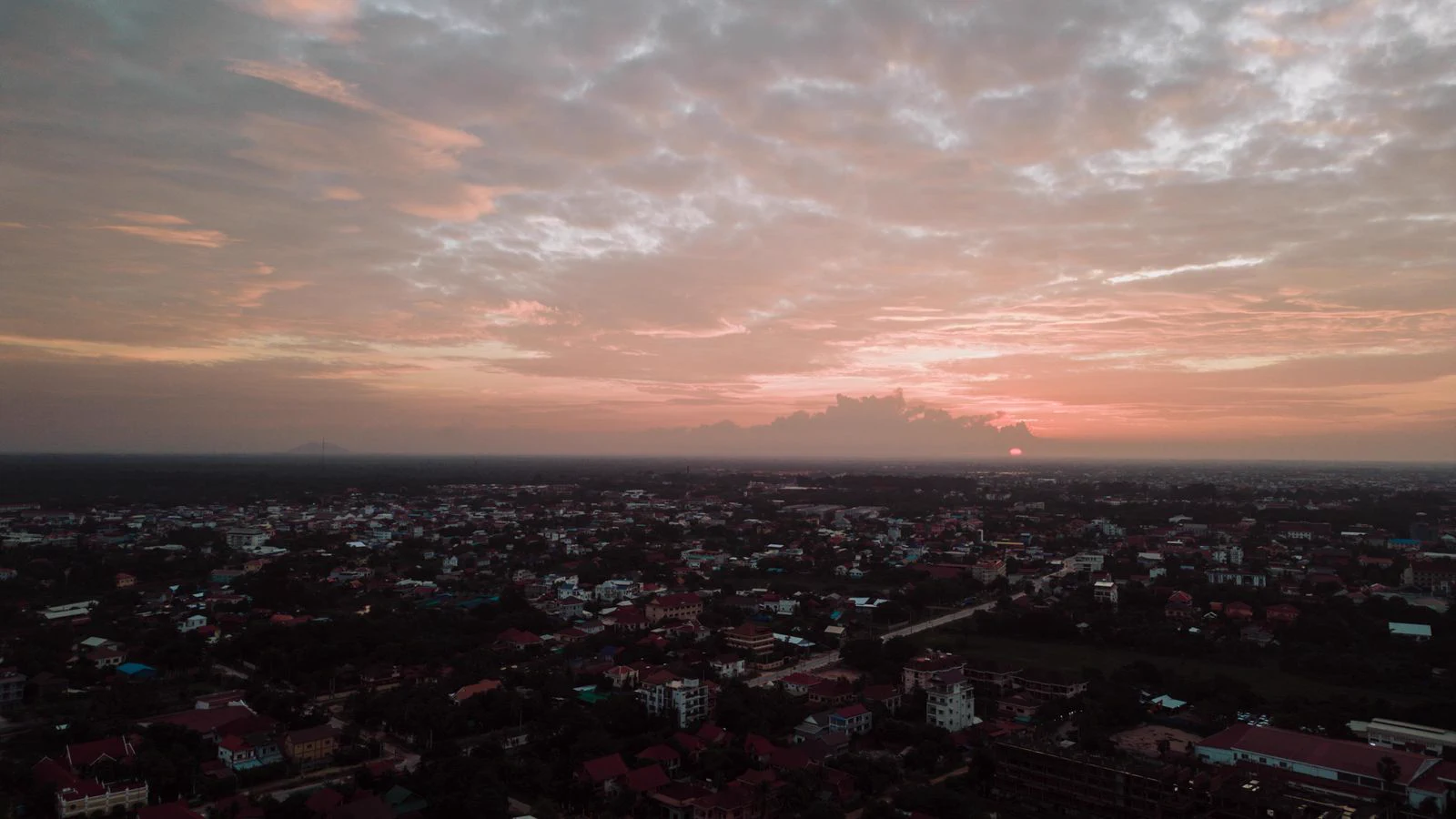
Siem Reap
Tropical heat year-round, with a drier period roughly November to April and a wetter monsoon season from May into October; late wet-season rain is strongest around September and October.
Open city guideBefore you zip the bag
Heat, sun and temple visits
- Choose breathable clothes, comfortable shoes and sun protection for hot temple grounds.
- Carry water and light rain cover in the wet season; check current weather before longer outdoor visits.
- Cover shoulders and knees at sacred sites and follow posted visitor rules.
Local travel and payments
- Agree the ride and fare details in a ride app or with the driver; city rides do not include Angkor entry.
- Keep a payment card and small local-currency notes; check current payment acceptance before a trip.
- Currency
- Cambodian riel (KHR)
- Plug types
- A / B / C / F / G · 230 VCheck your adapter →
- Emergency number
- 117 (police); 118 (fire); 119 (ambulance)
ITU — national numbering plans · Telecommunication Regulator of Cambodia — emergency numbers · World Standards — Cambodia plugs and voltage
Stay connected
Mobile data for your trip. Check what your current plan includes for roaming. If you need another option for maps, messages and booking details, compare NXTL eSIM coverage and rates. Check that your phone supports eSIM and is unlocked, and check coverage for every stop. Download important maps and confirmations for offline use too.
Useful reads for Cambodia
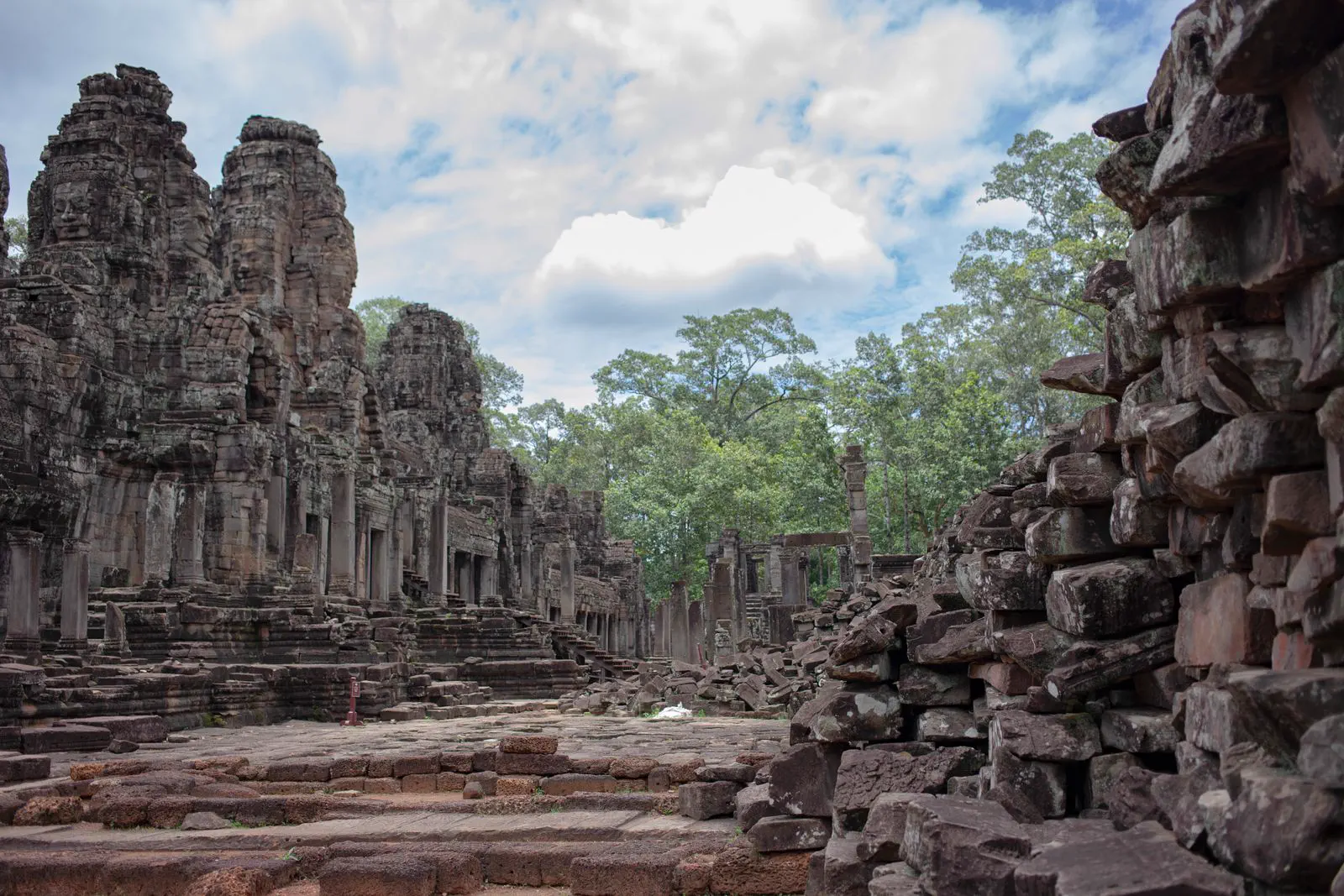
Angkor Thom on foot: South Gate, Bayon and the royal terraces
Read Angkor Thom as a sequence: moat approach, South Gate, Bayon and the royal enclosure’s terraces. The stone route is uneven and deserves time.
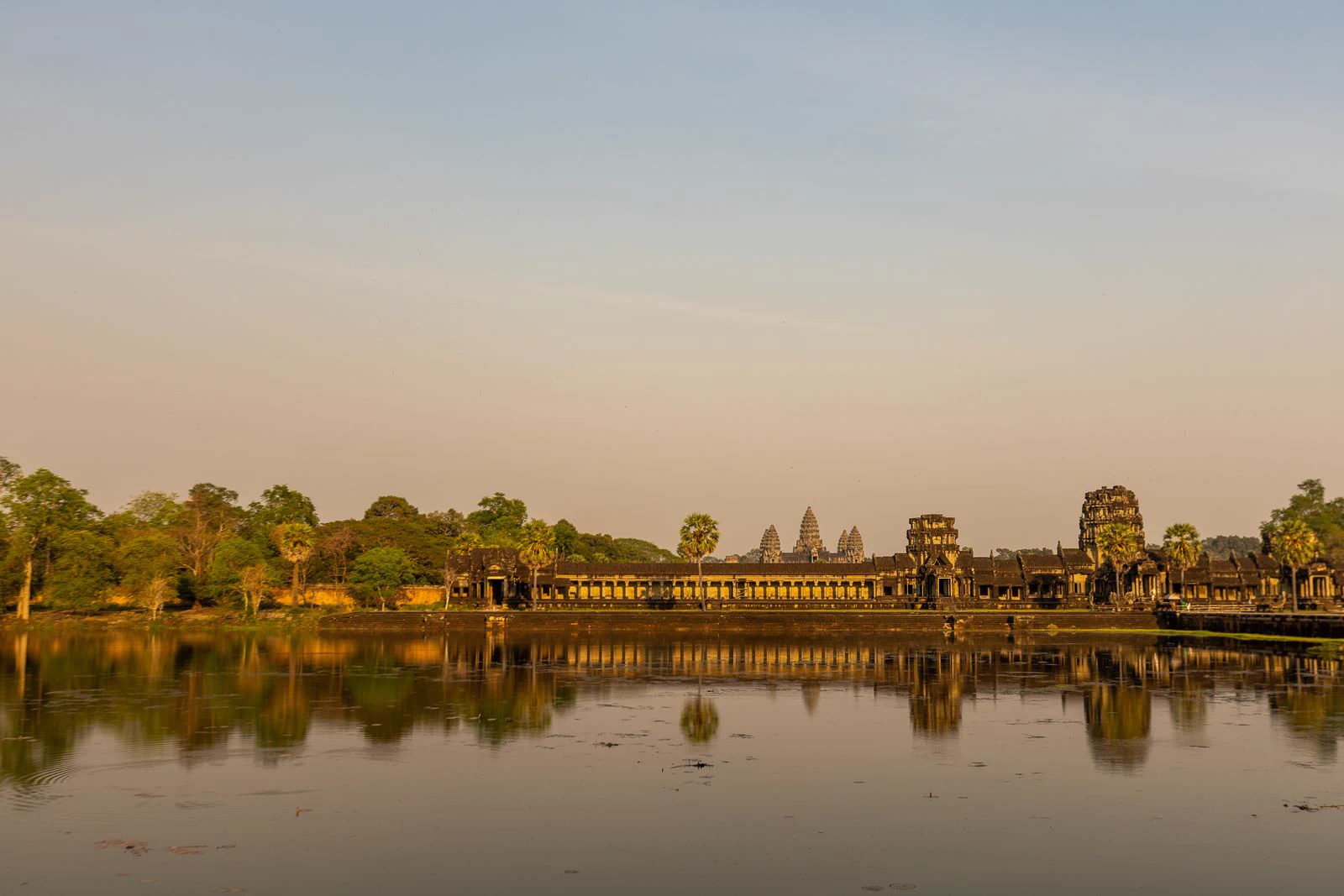
Angkor Wat: a self-guided route through the causeway and galleries
Use the western approach, outer enclosure and gallery reliefs as route anchors. Entry requires a separate Angkor pass, and dress and access rules apply.
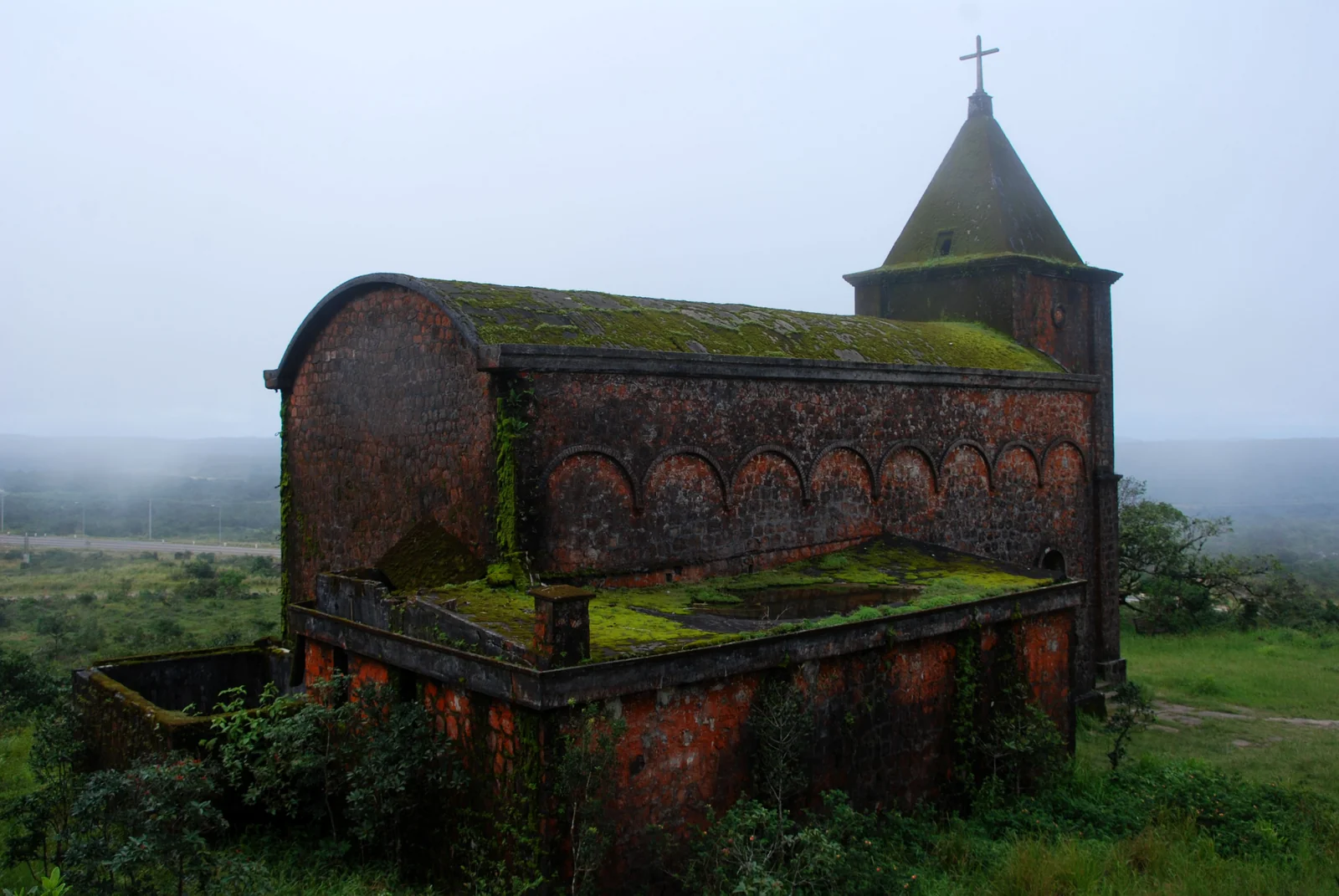
Bokor from Kampot: a stone church, a hilltop pagoda and changing weather
Bokor’s plateau brings a different atmosphere from Kampot’s hot riverfront. Plan a separate mountain outing around the old Catholic church and Wat Sampov Bram, with time for cloud, short walks and a return before conditions deteriorate.
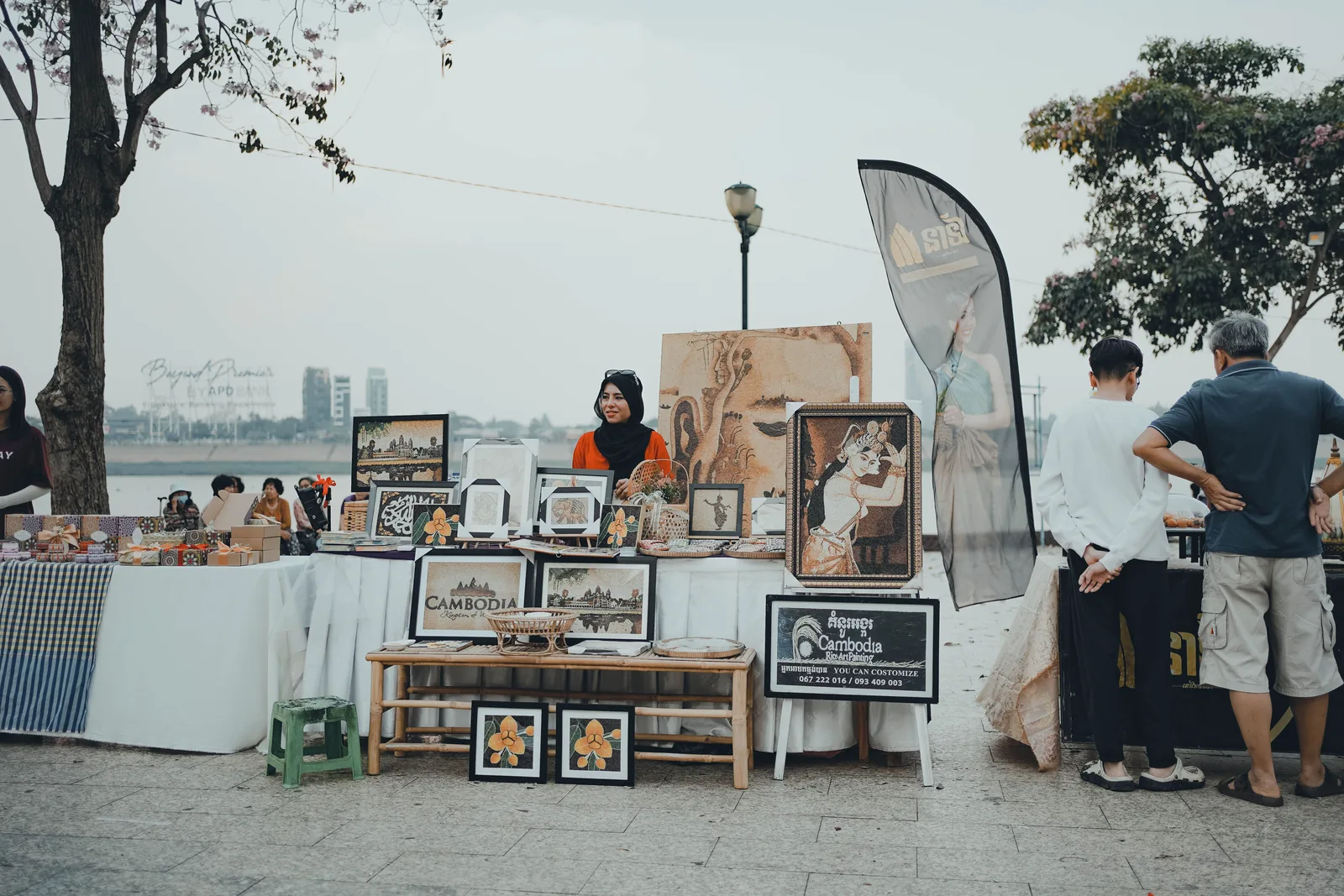
Phnom Penh market morning: Central Market, craft stalls and the river
Start inside the domed Central Market while the day is cooler, then follow the streets toward the riverfront. Focus on the building and the stalls you came to see, with a shaded food stop in between.
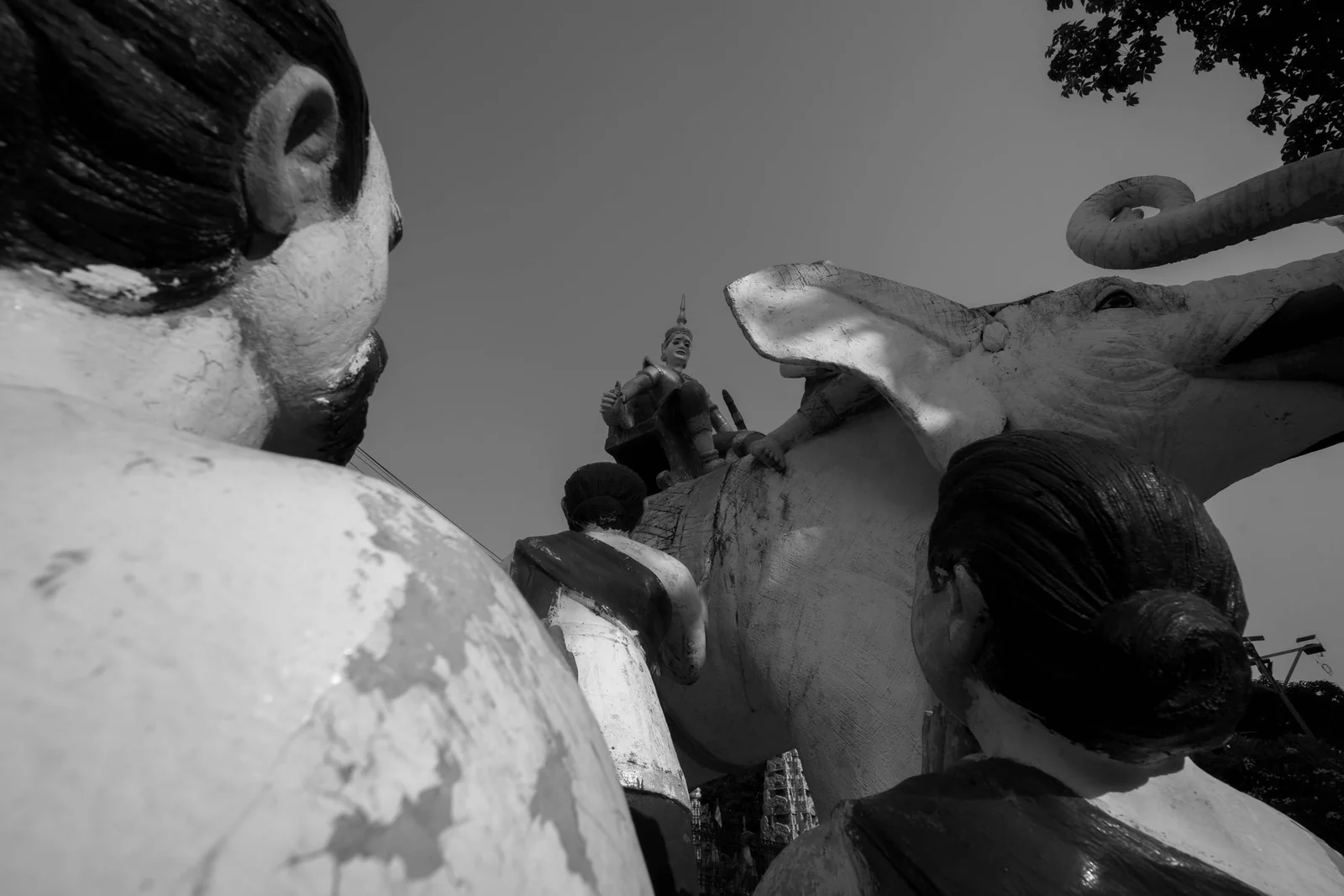
A first weekend in Battambang: shophouses, temple sculpture and bats at dusk
Give Battambang’s centre a day of its own, then plan a separate countryside afternoon. This two-day starting point links the market, the White Elephant Pagoda and a Khmer meal before an optional circus evening and Phnom Sampov’s bat flight.
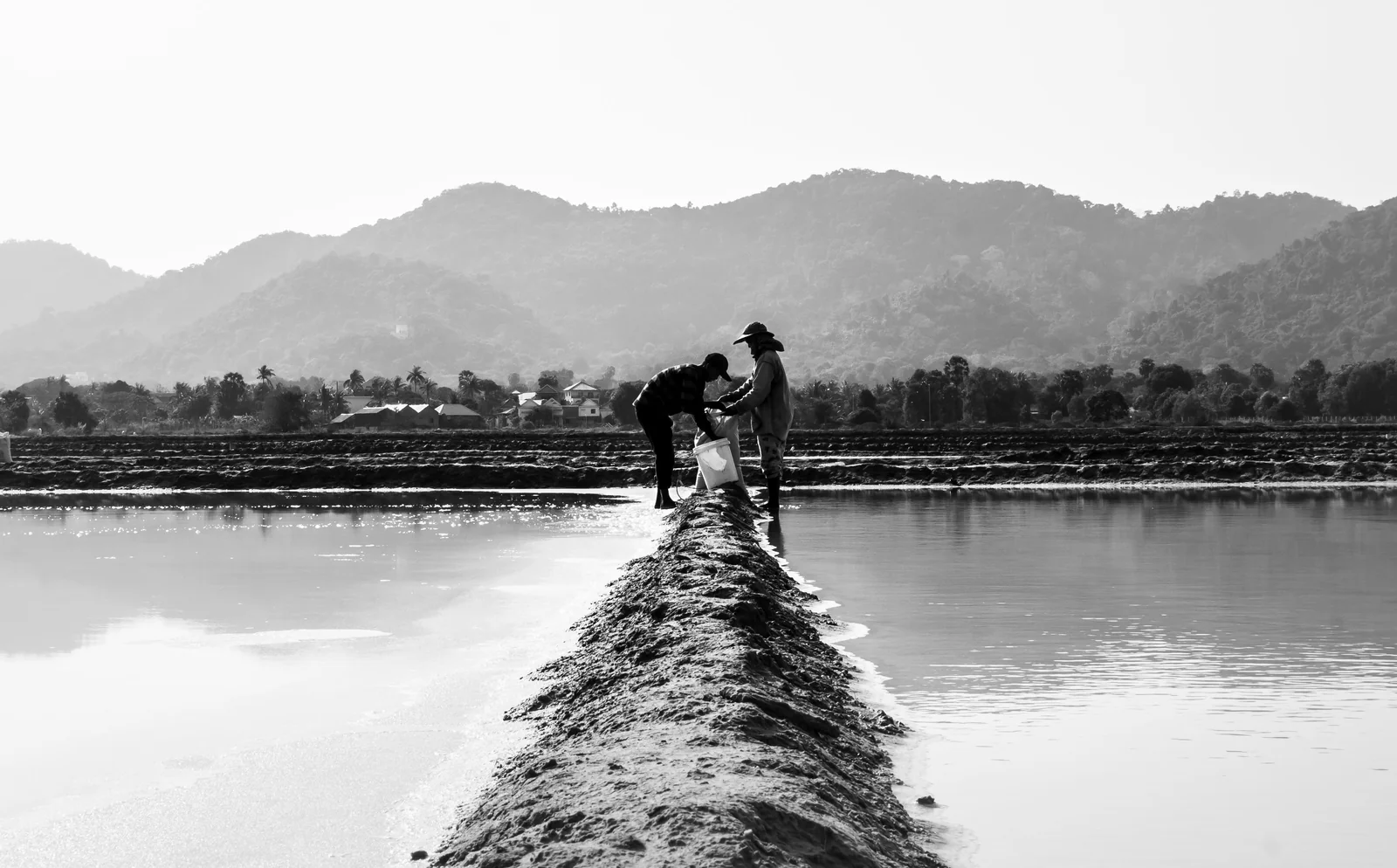
A first weekend in Kampot: riverfront streets, salt pans and pepper
Let Kampot’s centre set the pace on your first day, then go out into pepper country on the second. This plan keeps the riverfront, a proper meal break and a countryside visit in separate, manageable pieces.
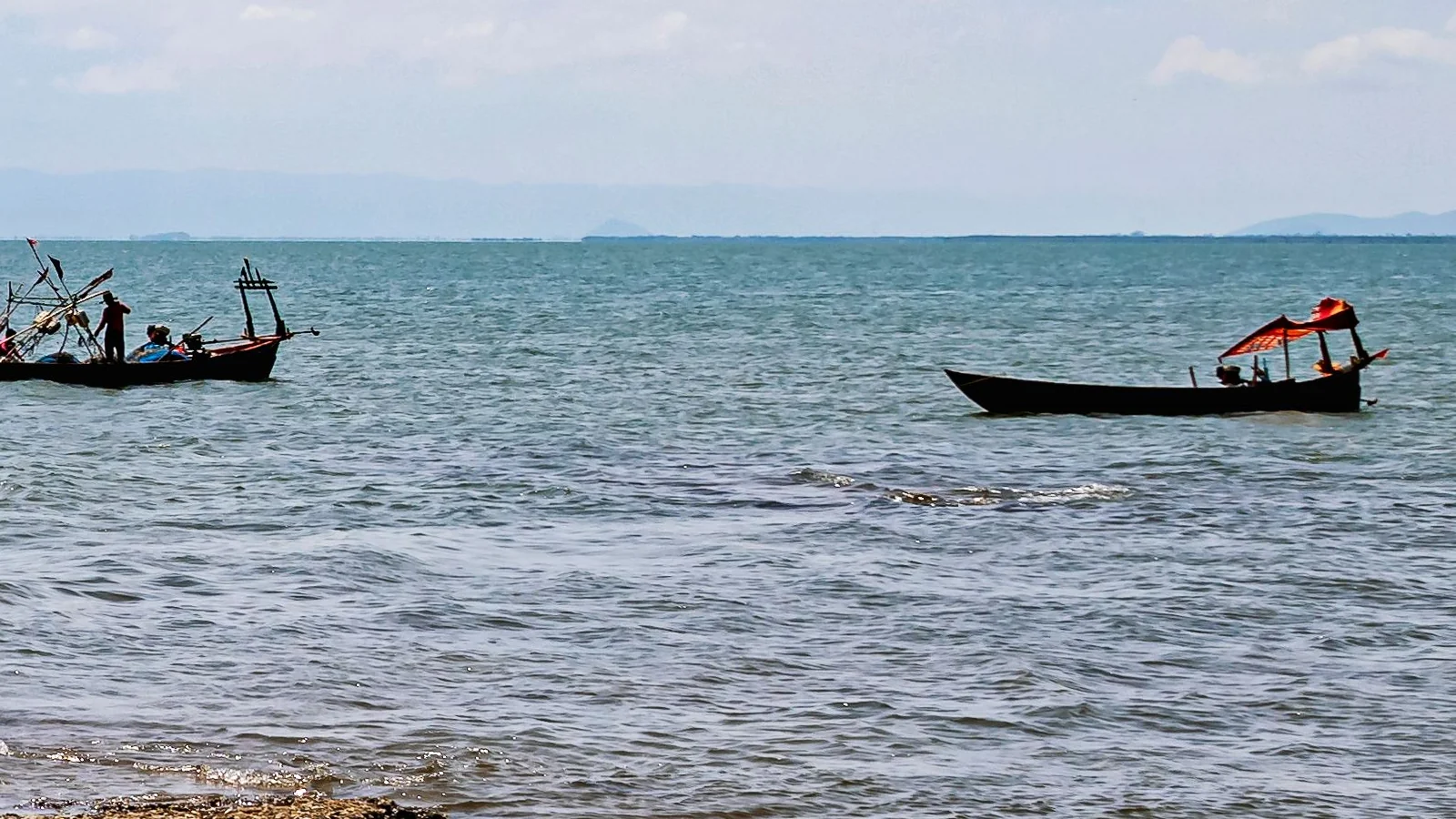
A first weekend in Kep: crab market, beach statues and forest paths
Build a Kep weekend around a market meal and the coast, then choose the hills or an island outing for your second day. This plan leaves room for shade, weather changes and the return ride, with a separate countryside option if you stay longer.
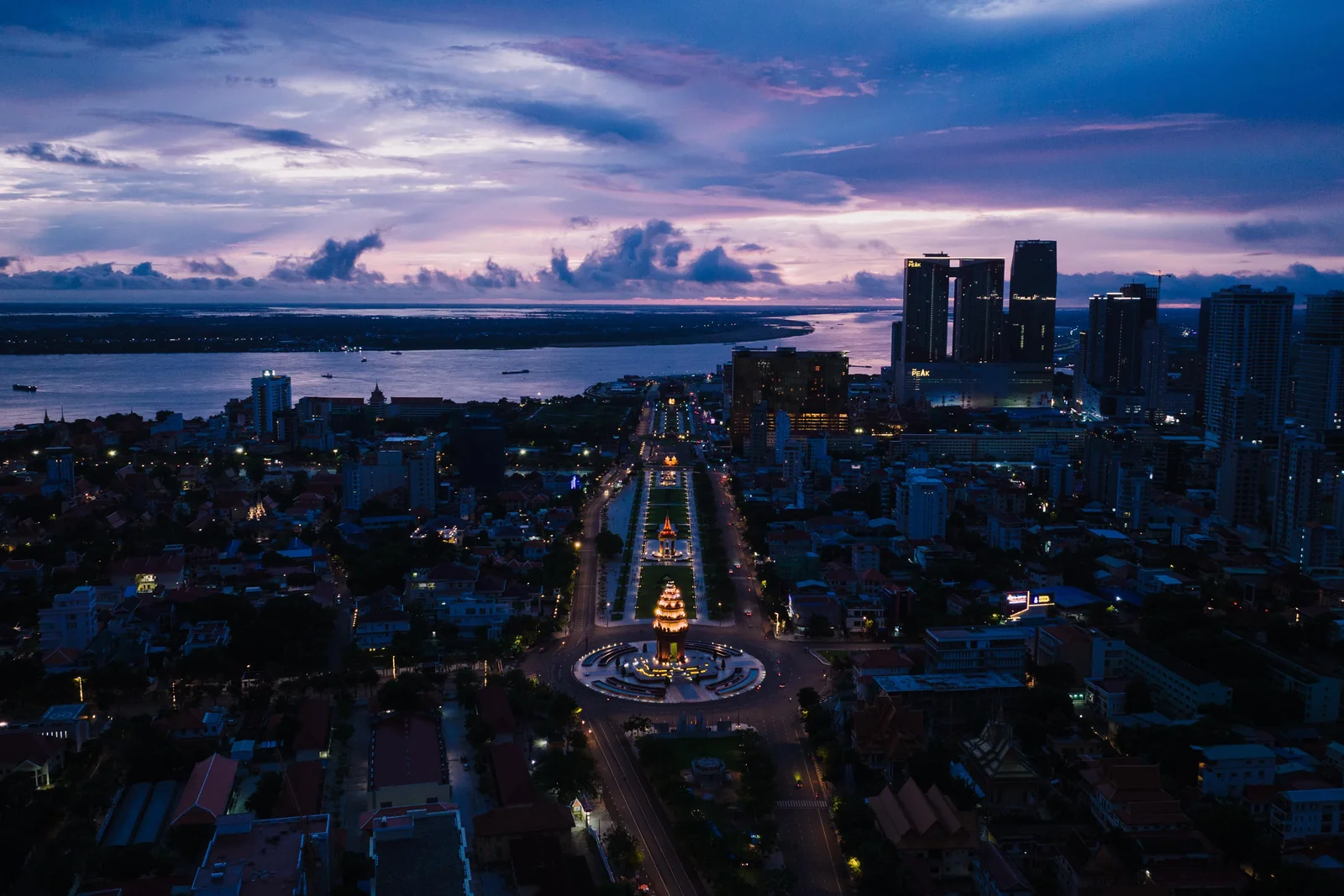
A first weekend in Phnom Penh: palace courtyards, markets and the river
Use the first day for the ceremonial centre and riverfront, then choose a city loop or a quieter history visit for day two. Leave time for heat, meals and the city’s changing traffic.
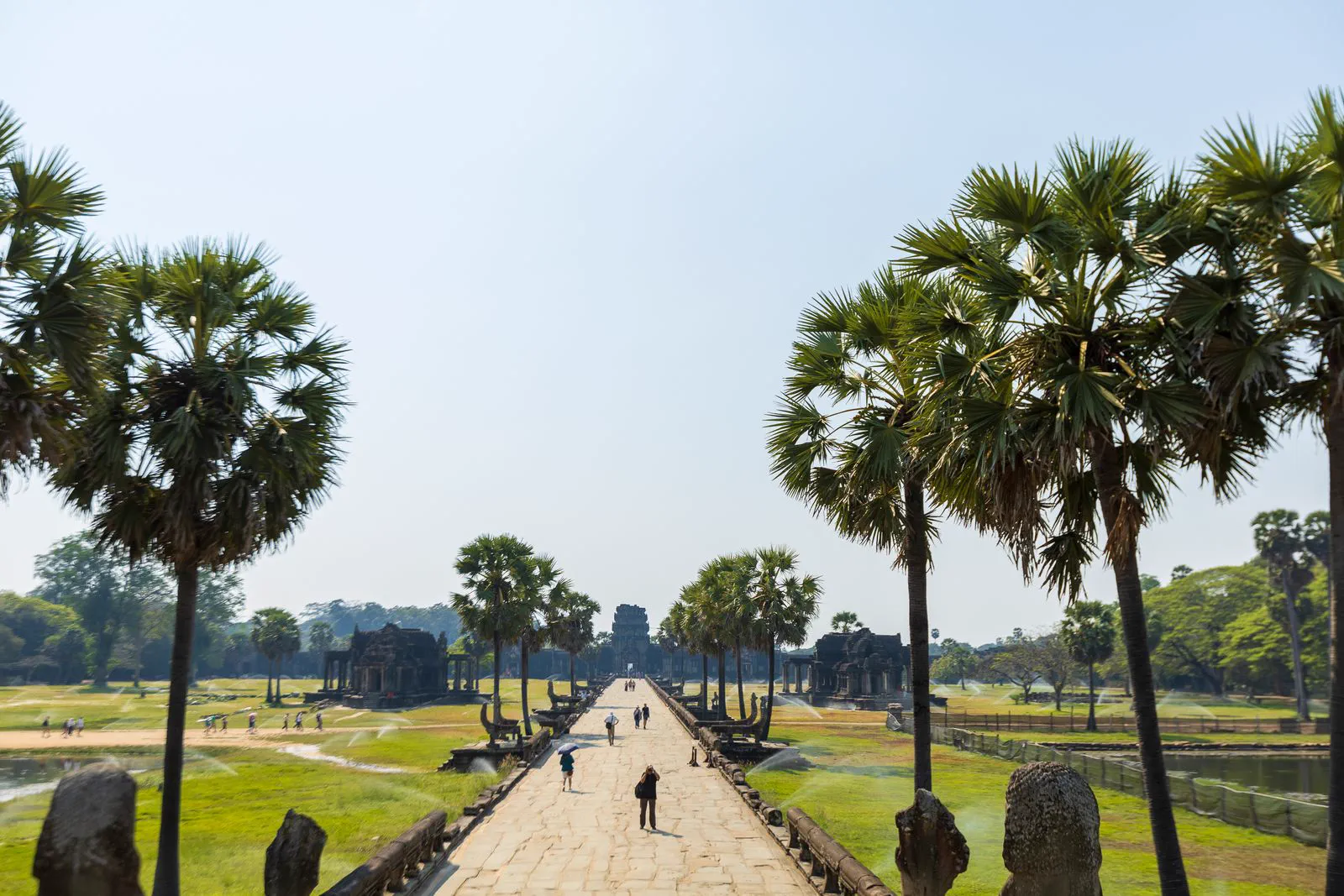
A first weekend in Siem Reap: Angkor, market mornings and the river
Give Angkor its own unhurried day, then use a second morning for the local market or a seasonal Tonle Sap outing. Town meals and recovery time matter in the heat.
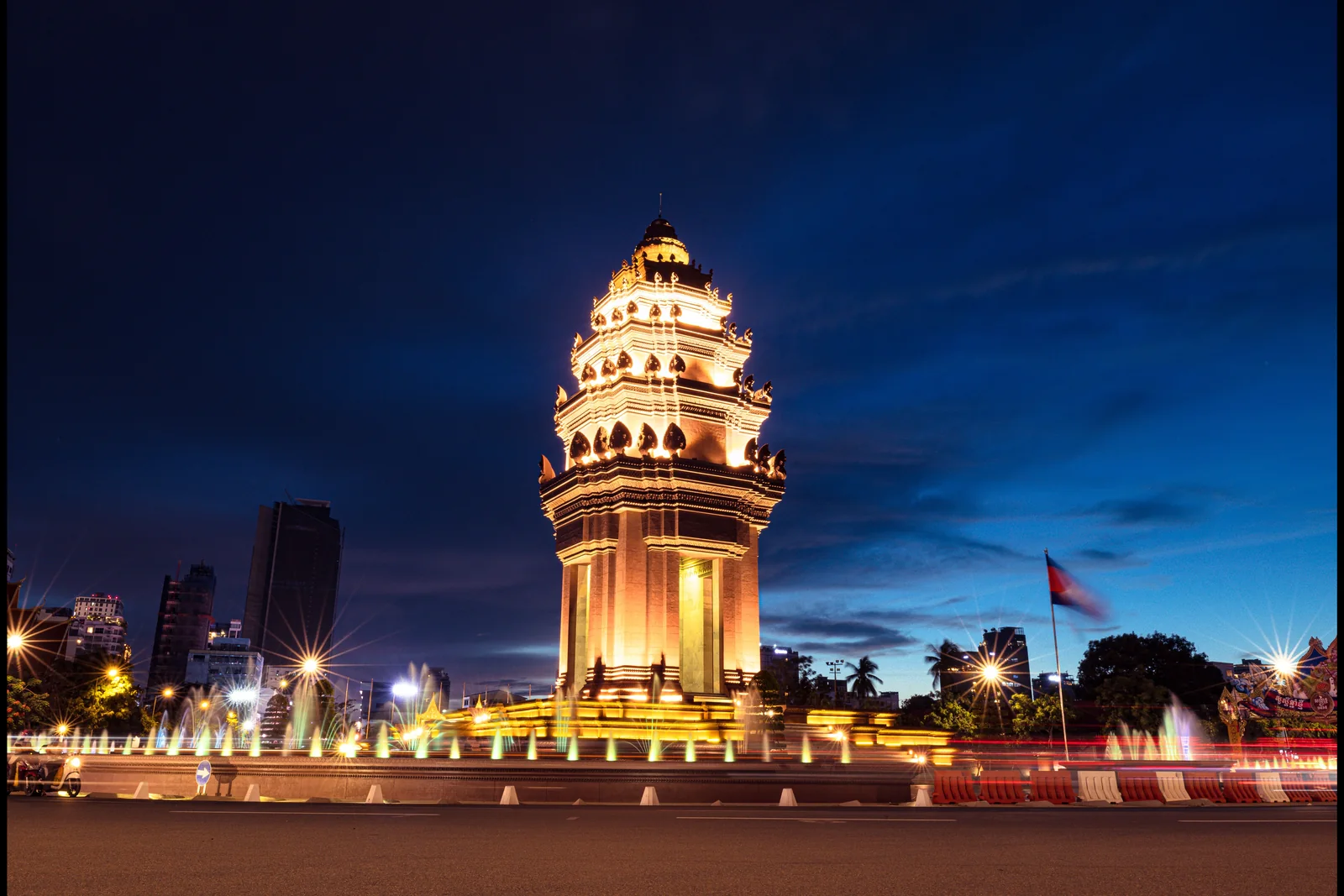
Independence Monument after dark: a short central Phnom Penh walk
See the illuminated monument from a safe public viewpoint, then link the evening to nearby pagoda grounds and the riverfront. Treat the route as a relaxed city walk, not a dash across busy roads.
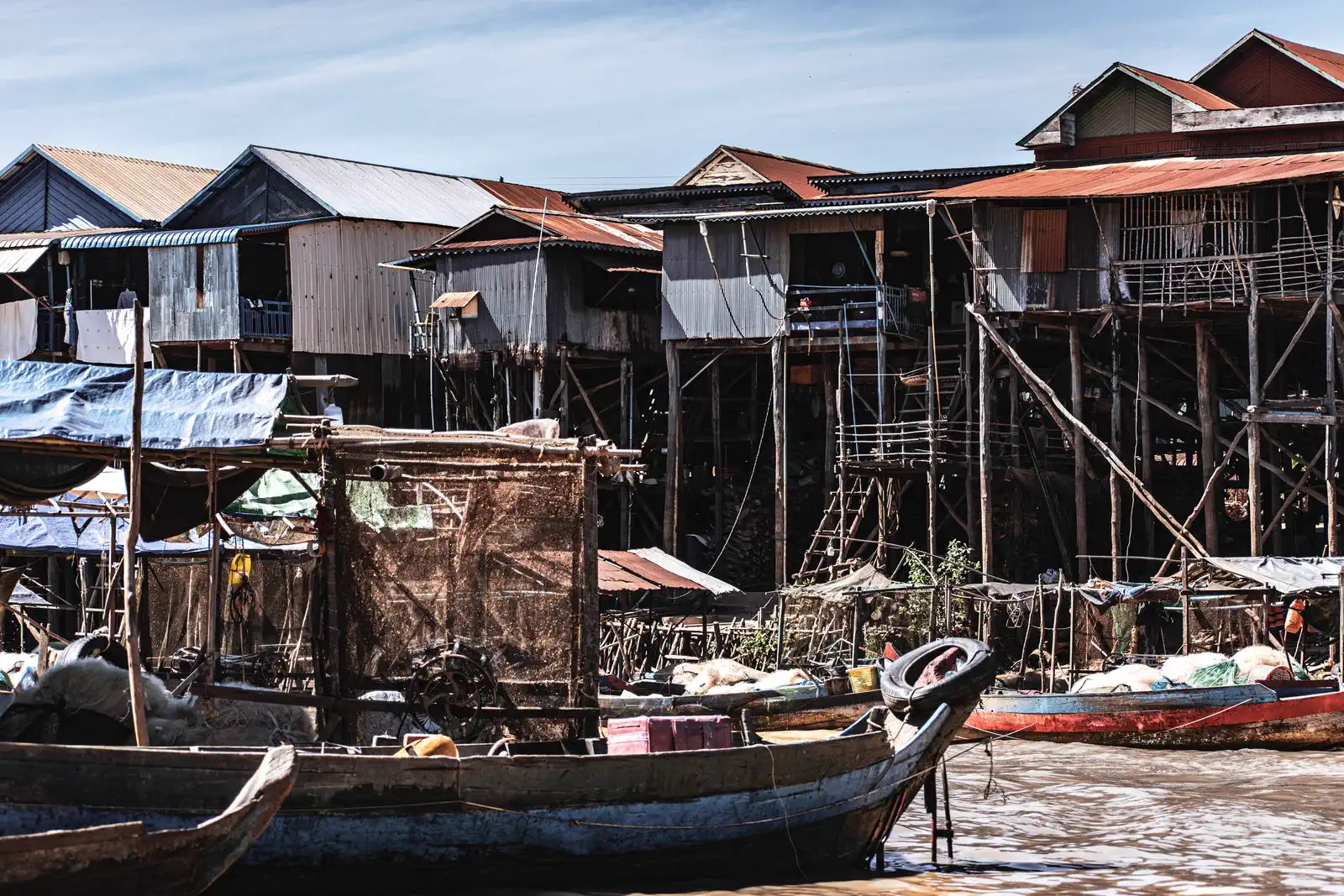
Kampong Phluk from Siem Reap: stilt homes, canals and seasonal water
A boat trip through Kampong Phluk shows how homes and movement respond to Tonle Sap’s changing water. Ask what route is navigable on your actual date.
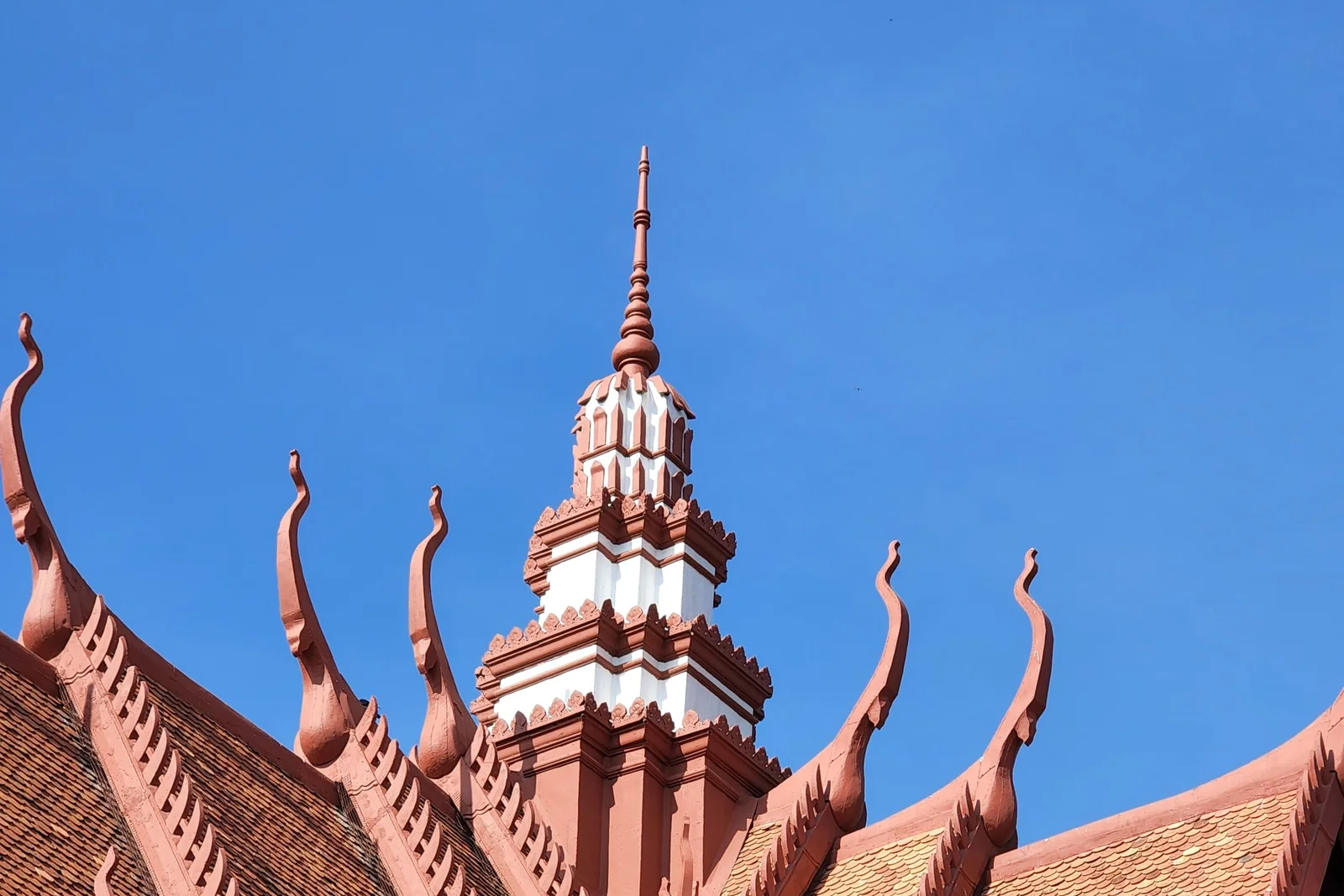
National Museum of Cambodia: sculpture, courtyard and a no-rush visit
Pair the museum’s Khmer sculpture galleries with an unhurried courtyard break. The official visitor page gives practical ticket, guide and photography rules to check before you arrive.
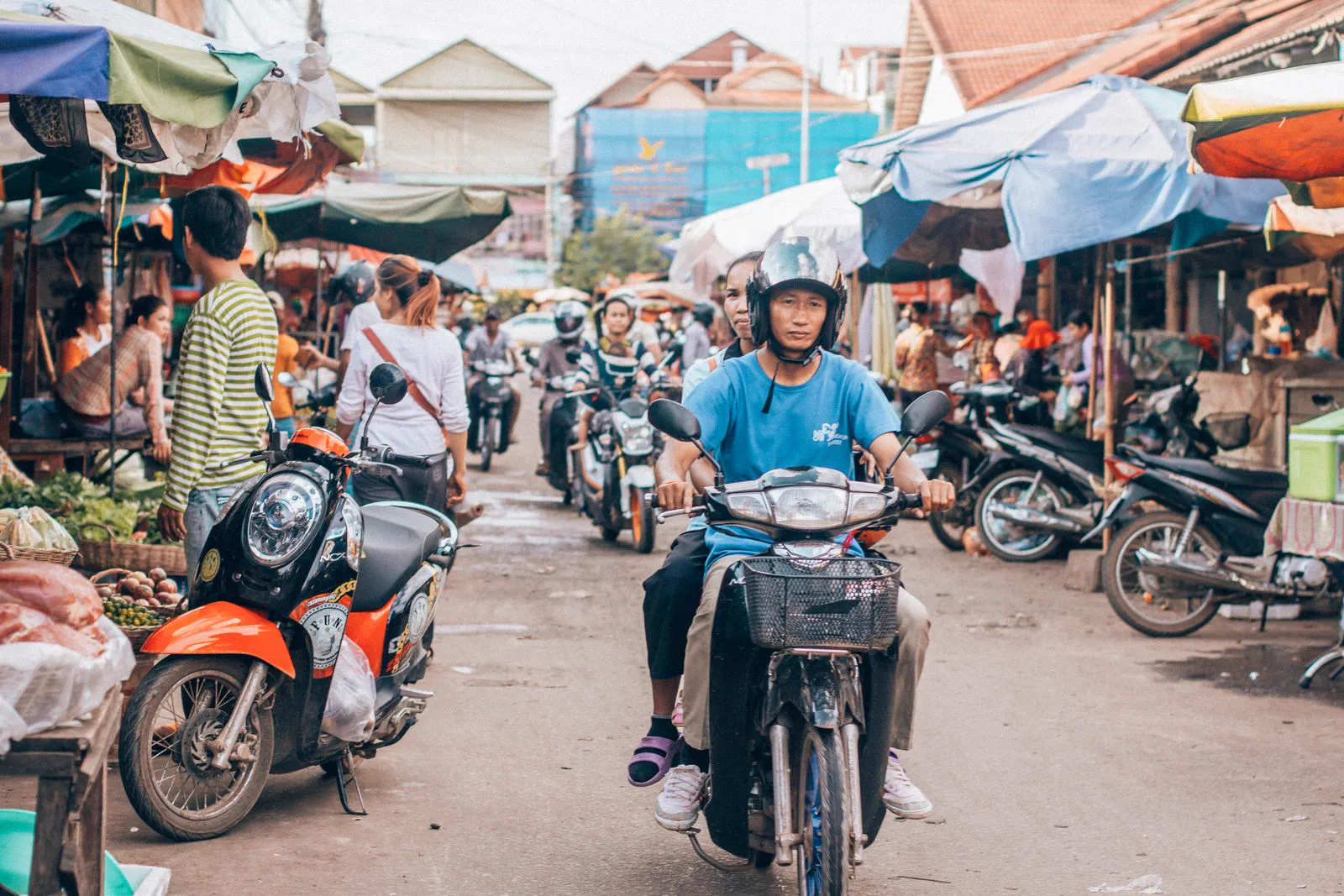
Siem Reap market morning: Phsar Leu breakfast and the Old Market
Compare the farther-out Phsar Leu food market with the central Old Market, and make the early breakfast stop for dishes that belong to the morning.
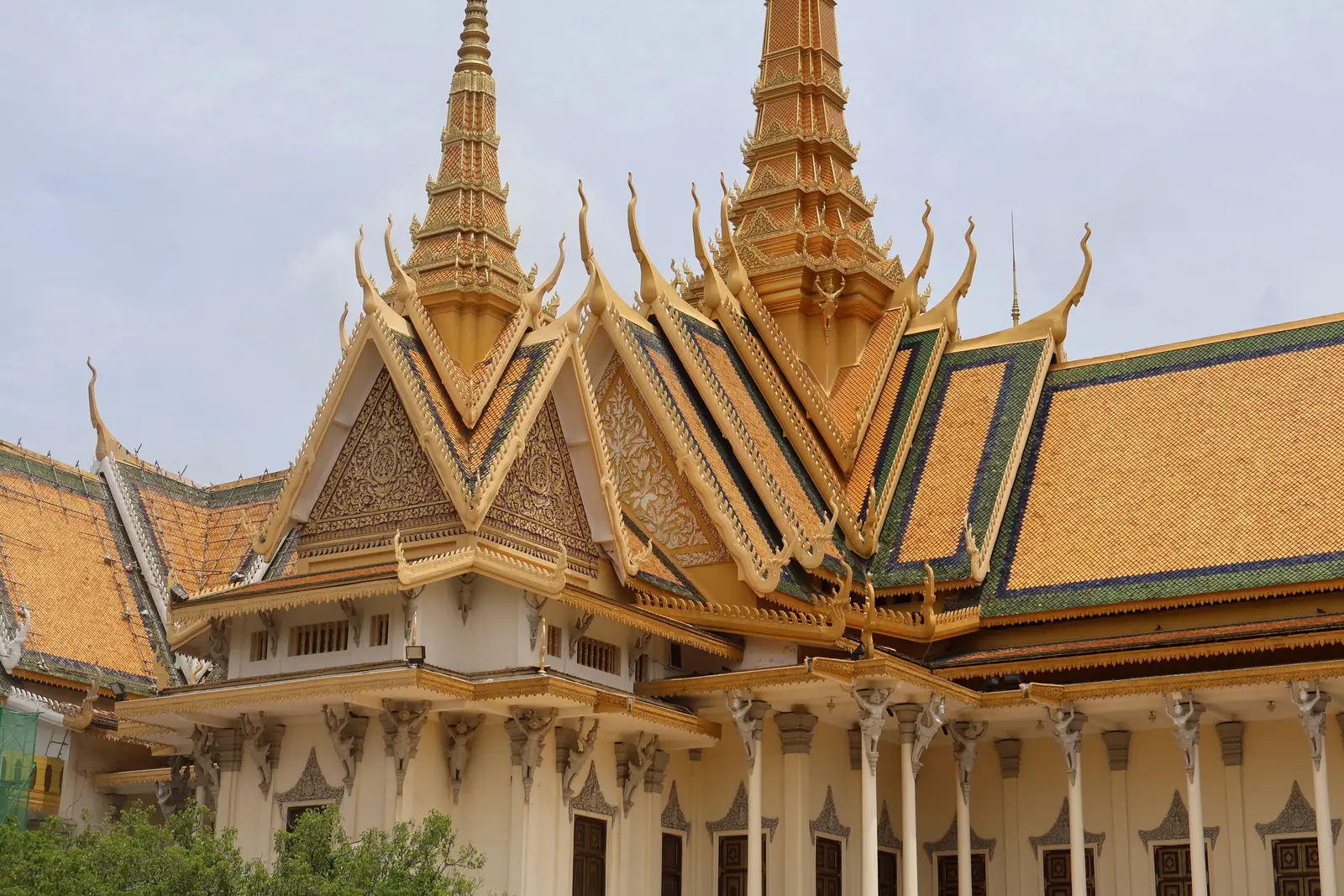
Phnom Penh Royal Palace: a thoughtful route through the public courtyards
Treat the Royal Palace as a working residence with a public ceremonial section. A slow courtyard route leaves space to notice the gilded roofs and Silver Pagoda without assuming every building is open.